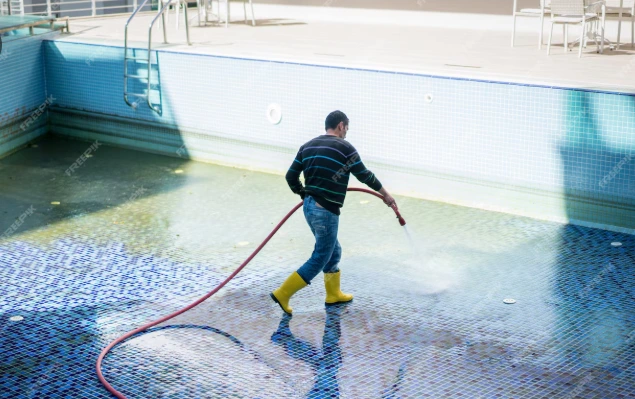










Swimming pools are a source of fun, relaxation, and exercise, but maintaining a clean and safe pool requires more than just skimming leaves or running a filter. Proper pool cleaning is essential for hygiene and safety, as stagnant or untreated water can quickly become a breeding ground for harmful bacteria, algae, and other contaminants.
Using the right pool chemicals not only keeps your water crystal clear but also maintains the correct balance of pH and sanitizer levels. This prevents algae growth, bacterial infections, and water imbalance that can damage your pool surfaces and equipment.
In this guide, we’ll explore the most common swimming pool cleaning chemicals, their specific functions, and how they contribute to keeping your pool safe, healthy, and inviting all year round.
Maintaining a clean and safe swimming pool goes beyond aesthetics it is essential for water hygiene and the health of swimmers. Pool cleaning chemicals play a crucial role in keeping the water sanitized, preventing the spread of harmful bacteria, viruses, and other pathogens that can cause skin irritations, infections, or illnesses.
Algae growth, foul odors, and cloudy water are common problems in untreated pools. Proper use of chemicals such as chlorine, algaecides, and pH balancers ensures that these issues are prevented, keeping your pool water clear, fresh, and inviting.
Beyond hygiene, pool chemicals help protect your investment. Balanced and properly treated water prevents corrosion, scaling, and damage to pool surfaces and equipment, extending their lifespan and saving costly repairs in the long run.
Maintaining regular chemical treatments is not just a matter of cleanliness it’s an essential part of safe, sustainable, and enjoyable pool ownership.
Keeping your pool water clean and safe requires the right combination of chemicals. Each type of chemical serves a specific purpose, from disinfecting water to preventing algae growth and maintaining the correct pH balance. Here’s a detailed overview of the essential pool cleaning chemicals:
Chlorine is the most widely used pool sanitizer and is essential for disinfecting water. Common types include liquid chlorine, chlorine tablets, and granular chlorine. These chemicals are highly effective at killing bacteria, preventing algae growth, and keeping pool water crystal clear. Regular use ensures safe and hygienic swimming conditions.
Maintaining the correct pH level in your pool is critical for both swimmer comfort and the effectiveness of other chemicals. Acidic chemicals such as muriatic acid and sodium bisulfate lower high pH levels, while basic chemicals like soda ash and sodium carbonate raise low pH levels. The ideal pool pH range is 7.2–7.8, which keeps water balanced, prevents corrosion, and enhances chlorine efficiency.
Algaecides prevent and treat algae growth in swimming pools. Commonly used types include copper-based algaecides and quaternary ammonium compounds. Regular use of algaecides keeps your pool water clear and free from unsightly green, yellow, or black algae, ensuring a safe and visually appealing swimming environment.
Handling pool chemicals correctly is crucial for both your safety and the health of your pool. Improper use can cause accidents, reduce chemical effectiveness, or damage pool surfaces and equipment. Follow these best practices to ensure safe pool chemical use:
By following these safety measures, you can maintain a clean and healthy pool environment while minimizing risks. Regular safety checks and proper chemical handling ensure both swimmer safety and pool longevity.
Keeping your swimming pool in optimal condition requires consistent care and attention. By following a few essential practices, you can enjoy clean, safe, and inviting water throughout the year:
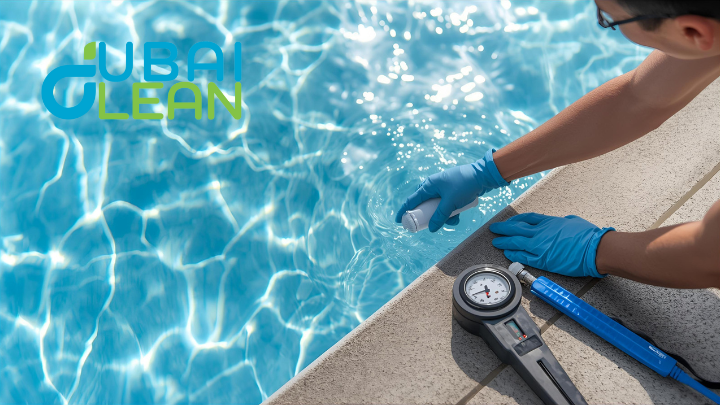
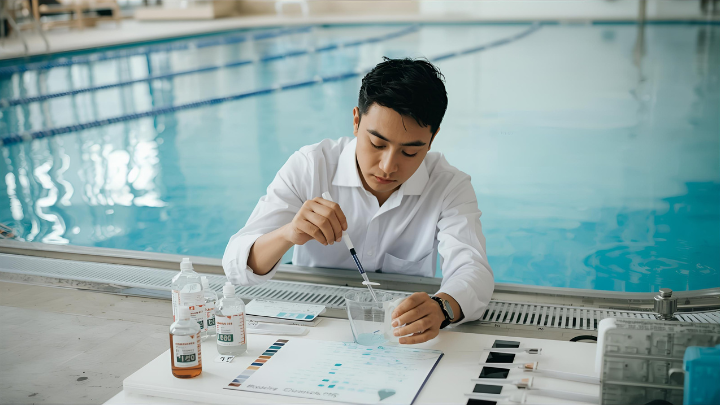
Regular Water Testing and Monitoring: Test your pool water at least once a week for pH, chlorine, alkalinity, and other chemical levels. Regular monitoring ensures that water remains balanced and safe for swimmers, preventing potential health hazards.
Proper Circulation and Filtration: Ensure that your pool’s pump and filtration system are running efficiently. Good water circulation helps distribute chemicals evenly, removes debris, and prevents stagnation, reducing the risk of algae and bacterial growth.
Scheduled Chemical Treatments: Maintain a consistent schedule for adding chlorine, pH balancers, algaecides, and other essential chemicals. Routine treatments help prevent water imbalances, keep algae at bay, and ensure crystal-clear water at all times.
By following these tips, you can extend the lifespan of your pool, maintain water hygiene, and create a safe and enjoyable swimming environment year-round.
Even with the best intentions, many pool owners make mistakes that can compromise water quality and safety. Avoiding these common errors ensures your pool remains clean, safe, and well-maintained:
Over-Chlorination and Under-Chlorination: Using too much chlorine can cause skin and eye irritation, while too little chlorine fails to disinfect the water effectively. Always measure and maintain chlorine levels within the recommended range for optimal water safety.
Ignoring pH Balance: Failing to monitor and adjust pH levels can reduce the effectiveness of chlorine, cause corrosion of pool equipment, and irritate swimmers’ skin and eyes. Keep the water pH between 7.2 and 7.8 for the best results.
Using Expired Chemicals: Chemicals lose their effectiveness over time. Using expired products can lead to poor sanitation, algae growth, and water imbalance. Always check expiration dates and store chemicals properly to maintain their potency.
By being aware of these mistakes and taking proactive measures, you can maintain a safe, sparkling, and healthy swimming pool all year round.
Maintaining a DubaiClean, safe, and healthy swimming pool requires the right combination of essential chemicals, proper usage, and consistent care. Chlorine, pH balancers, algaecides, shock treatments, and clarifiers each play a vital role in keeping your pool water clear, hygienic, and safe for swimmers.
Equally important is following safety guidelines when handling these chemicals, regularly monitoring water balance, and avoiding common mistakes like over-chlorination or using expired products.
By establishing a regular pool chemical routine and practicing proper maintenance, you can enjoy a sparkling, safe, and inviting swimming environment year-round. Whether you’re a seasoned pool owner or a first-time swimmer, these tips ensure your pool remains a healthy oasis for family and friends.