When Your AC Won’t Turn On: A Dubai Homeowner’s Complete...
Dubai AC Repair Services
When Your AC Won’t Turn On: A Dubai Homeowner’s Complete Troubleshooting Guide
Usman Tayyab
June 28, 2025
5 min read
Share:
Nothing strikes fear into a Dubai resident's heart quite like pressing the AC power button and getting... nothing. With temperatures soaring above 45°C during summer months, a non-functioning air conditioning system isn't just an inconvenience; it's a serious health and safety concern for your family and pets.
Having worked with countless Dubai properties, from luxury villas in Emirates Hills to bustling commercial spaces in DIFC, I've seen every possible reason why air conditioning systems fail to start. The good news? Many of these issues can be diagnosed and sometimes resolved without an emergency service call.
Understanding Why Your AC Is Not Turning On in Dubai's Climate
Dubai's extreme heat and humidity create unique challenges for air conditioning systems. Unlike temperate climates where AC units get seasonal breaks, Dubai's cooling systems work year-round, with peak demand lasting from April through October. This constant operation, combined with sand, dust, and salt air from the Arabian Gulf, creates specific failure patterns you won't find in other regions.
When your AC refuses to start, it's often your system's way of protecting itself from potential damage. Modern units have built-in safety mechanisms that prevent operation when something's wrong, which saves you from costlier repairs down the line.
Common Causes of AC Startup Failures in Dubai Homes
Power and Electrical Issues
The most frequent culprit behind AC not turning on is electrical problems. Dubai's power grid occasionally experiences voltage fluctuations, especially during peak summer demand. Check your circuit breaker first—it may have tripped due to power surges or overload. Many Dubai homes have dedicated AC circuits that can handle the high amperage requirements of cooling systems.
Inspect your thermostat batteries if you have a battery-operated model. Dubai's heat can drain batteries faster than expected, and a dead thermostat means no communication with your AC unit.
Air Filter Blockages
Dubai's dusty environment means air filters clog much faster than in other climates. A severely blocked filter can cause your system to overheat and shut down as a safety measure. During sandstorm seasons (typically March-May), filters may need weekly attention rather than monthly changes.
Outdoor Unit Complications
Your outdoor condenser unit faces Dubai's harshest conditions, intense sun, sandstorms, and salt air near coastal areas. Sand accumulation around the unit restricts airflow, while debris can damage fan blades. The outdoor disconnect switch, often overlooked, may have been accidentally turned off during maintenance or landscaping work.
Dubai-Specific AC Troubleshooting Steps
Immediate Safety Checks
Before troubleshooting, ensure your safety in Dubai's climate. If your AC has been off for extended periods during summer, indoor temperatures can quickly become dangerous, especially for elderly family members, young children, and pets. Consider temporary cooling measures like fans or moving to air-conditioned spaces while diagnosing the problem.
The Dubai Climate Factor
Dubai's unique environment affects troubleshooting approaches. Morning condensation from humidity can cause electrical issues, while afternoon heat can make outdoor unit inspections dangerous. Plan your troubleshooting for early morning or evening hours when temperatures are more manageable.
Step-by-Step Diagnostic Process
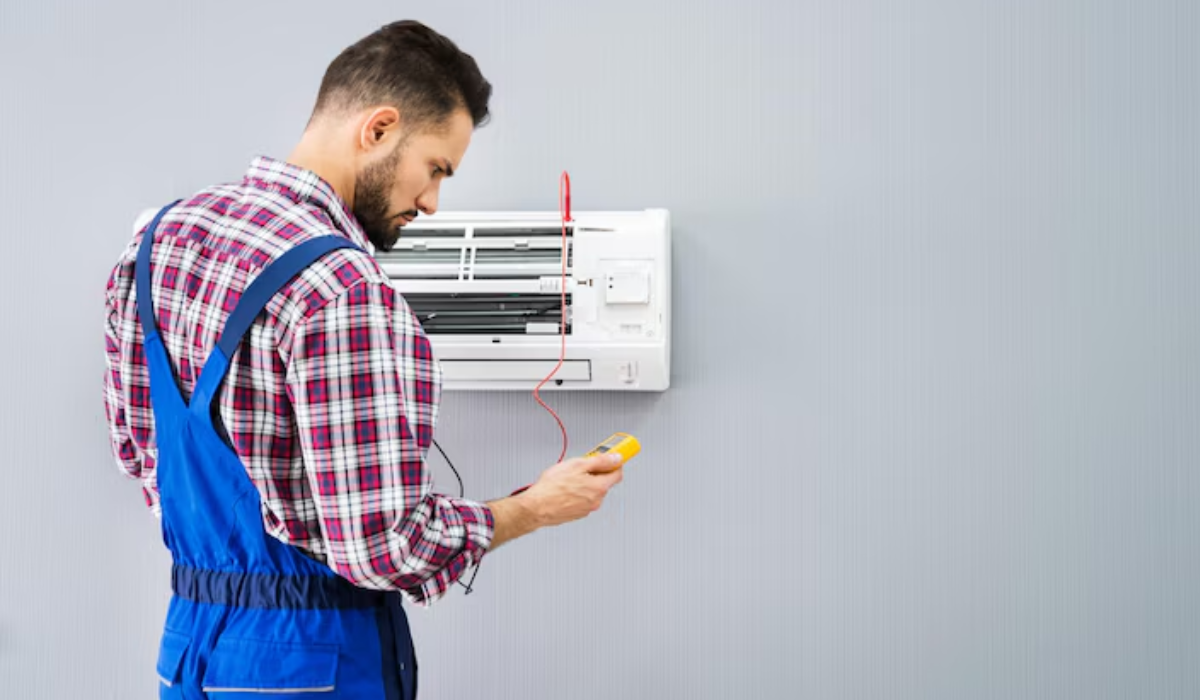
Start with the basics: verify power at the main panel, check thermostat settings, and inspect air filters. For Dubai properties, pay special attention to the outdoor unit's cleanliness, as sand and dust accumulation is often more severe than homeowners realize.
Examine refrigerant lines for ice formation, which seems counterintuitive in Dubai's heat but can occur due to restricted airflow or low refrigerant levels. Ice buildup prevents proper system operation and requires professional attention.
Health and Comfort Implications for Dubai Families
When your AC is not turning on becomes a recurring issue, it affects more than comfort, it impacts health. Dubai's heat and humidity create conditions where heat exhaustion and dehydration can occur rapidly, particularly affecting:
Elderly residents who may not regulate body temperature effectively
Young children and infants who are more susceptible to heat-related illness
Pets, especially those with thick coats or respiratory issues
Anyone with cardiovascular or respiratory conditions
Consistent AC operation also controls humidity levels, preventing mold growth that thrives in Dubai's coastal climate. Mold can trigger allergies and respiratory problems, making reliable air conditioning essential for maintaining healthy indoor air quality.
Professional vs. DIY Solutions in Dubai
While basic troubleshooting is safe for homeowners, Dubai's climate creates situations requiring professional expertise. Refrigerant issues, electrical problems, and compressor failures need qualified technicians who understand local climate challenges and building codes.
Dubai Municipality requires licensed technicians for certain AC work, particularly in commercial properties and some residential developments. Attempting complex repairs yourself may void warranties and violate local regulations.
Preventive Maintenance for Dubai's Demanding Climate
Regular maintenance becomes crucial in Dubai's environment. Monthly filter changes during peak season, quarterly coil cleaning, and annual professional inspections help prevent startup failures. Consider these Dubai-specific maintenance practices:
Install UV lights to prevent mold growth in high-humidity conditions
Use high-quality filters designed for dusty environments
Schedule maintenance before the peak summer season (March-April)
Protect outdoor units from sandstorms with appropriate covers
https://youtu.be/x4Olfn4R-VM?si=avOrhRHDkZaKrf_r
Complementary Services for Optimal Performance
AC performance in Dubai often depends on related building systems. Proper insulation, window sealing, and ductwork integrity significantly impact cooling efficiency. Consider thermal imaging inspections to identify heat leaks, especially in older Dubai properties where building standards have evolved.
Indoor air quality services, including duct cleaning and humidity control, work alongside AC maintenance to create healthier indoor environments for Dubai families.
https://youtu.be/WZ68H6a8KAU?si=o5IGewVDNu-piqI7
When to Call Dubai AC Professionals
Certain situations require immediate professional attention in Dubai's climate. If troubleshooting doesn't restore operation within a few hours during the summer months, call for service. Warning signs requiring urgent professional help include burning smells, unusual noises, or repeated circuit breaker trips.
Choose technicians familiar with Dubai's specific challenges, sand infiltration, salt air corrosion, and extreme temperature operation. Local experience matters when diagnosing problems unique to Gulf climate conditions.
The investment in proper AC maintenance and timely repairs protects your family's health and comfort while extending system lifespan in Dubai's demanding environment. Regular attention to your cooling system ensures it's ready for the next scorching summer day.
Frequently Asked Questions
{"@context":"https://schema.org","@type":"FAQPage","@id":"https://dubaiclean.com/when-your-ac-wont-turn-on-a-dubai-homeowners-complete-troubleshooting-guide/","mainEntity":[{"@type":"Question","name":"<strong>Why does my AC not turn on after a sandstorm in Dubai?</strong>","acceptedAnswer":{"@type":"Answer","text":"Sandstorms can clog air filters completely or coat outdoor condenser coils, triggering safety shutoffs. Check and replace filters first, then gently clean debris from the outdoor unit while it's powered off."}},{"@type":"Question","name":"<strong>How often should I change AC filters during Dubai's summer months?</strong>","acceptedAnswer":{"@type":"Answer","text":"During peak summer (June-September), check filters monthly and replace as needed. Dubai's dusty conditions may require changes every 2-4 weeks rather than the typical 3-month interval."}},{"@type":"Question","name":"<strong>Can Dubai's high humidity cause my AC to not start?</strong>","acceptedAnswer":{"@type":"Answer","text":"Yes, high humidity can cause electrical connections to corrode or create condensation in electrical panels. This is more common in coastal Dubai areas where salt air accelerates corrosion."}},{"@type":"Question","name":"<strong>Is it normal for my AC to struggle starting during Dubai's hottest days?</strong>","acceptedAnswer":{"@type":"Answer","text":"While AC systems work harder in extreme heat, they shouldn't fail to start. Consistent startup problems during peak heat often indicate capacity issues or system wear requiring professional evaluation."}},{"@type":"Question","name":"<strong>Should I cover my outdoor AC unit during Dubai sandstorms?</strong>","acceptedAnswer":{"@type":"Answer","text":"Light covers can help, but ensure they're removed immediately after storms. Never operate your AC with covers in place, as this restricts airflow and can cause overheating."}}]}
Why does my AC not turn on after a sandstorm in Dubai?
Sandstorms can clog air filters completely or coat outdoor condenser coils, triggering safety shutoffs. Check and replace filters first, then gently clean debris from the outdoor unit while it's powered off.
How often should I change AC filters during Dubai's summer months?
During peak summer (June-September), check filters monthly and replace as needed. Dubai's dusty conditions may require changes every 2-4 weeks rather than the typical 3-month interval.
Can Dubai's high humidity cause my AC to not start?
Yes, high humidity can cause electrical connections to corrode or create condensation in electrical panels. This is more common in coastal Dubai areas where salt air accelerates corrosion.
Is it normal for my AC to struggle starting during Dubai's hottest days?
While AC systems work harder in extreme heat, they shouldn't fail to start. Consistent startup problems during peak heat often indicate capacity issues or system wear requiring professional evaluation.
Should I cover my outdoor AC unit during Dubai sandstorms?
Light covers can help, but ensure they're removed immediately after storms. Never operate your AC with covers in place, as this restricts airflow and can cause overheating.