Water Tank Cleaning and Disinfection: Best Methods & Chemicals Used
Dubai Water Tank Cleaning
Water Tank Cleaning and Disinfection: Best Methods & Chemicals Used
Usman Tayyab
February 12, 2025
5 min read
Share:
Introduction
Keeping your water clean and safe is vital, especially in places like Dubai, where storing water is so important. Regular cleaning and disinfection of water tanks stop harmful bacteria and other contaminants, making sure the water is safe to drink. Water tank disinfection treatment helps improve water quality and also protects the tank, making it last longer. By using the right chemicals and methods, you can get rid of dangerous germs and keep your water free from health risks.
In this guide, I’ll walk you through the best ways to disinfect your water tank, the top chemicals to use, and tips for keeping your tank in great condition.
Common Methods for Water Tank Disinfection
Disinfecting your water tank properly is crucial to ensure that the water stays safe to drink and use daily. There are several methods used to disinfect water tanks, and each has its benefits. Here are some of the most effective ways to disinfect your water tank:
Chlorination: A Time-Tested Approach: Chlorination is one of the most common methods for disinfecting water tanks. Chlorine, whether in liquid form or as tablets, is a strong disinfectant that kills bacteria, viruses, and other harmful germs. It’s often the first choice for treating drinking water tanks because it’s easy to use, widely available, and affordable. Simply add the right amount of chlorine to the tank and leave it for a specific amount of time to ensure full disinfection.
Ozone Treatment: Harnessing the Power of Ozone Gas: Ozone treatment is a more advanced method. Ozone (O₃) is a powerful oxidiser that can kill bacteria, viruses, and organic contaminants. Unlike chlorine, it doesn’t leave any harmful byproducts behind, making it an eco-friendly option. The ozone is produced on-site and added to the water, where it breaks down contaminants. This method is popular in places that require high water quality, such as food processing or healthcare environments.
Ultraviolet (UV) Radiation: UV radiation is a chemical-free way to disinfect water. It uses UV light to destroy the DNA of harmful microorganisms, making them inactive and unable to reproduce. UV systems are very effective at eliminating bacteria, viruses, and protozoa. This method doesn’t use chemicals, and many people prefer to keep the water as natural as possible. However, UV treatment needs regular maintenance and might not work as well in very cloudy water.
Hydrogen Peroxide: Hydrogen peroxide (H₂O₂) is another strong disinfectant that’s often used to clean water tanks. It breaks down into water and oxygen, leaving no harmful residues. Hydrogen peroxide is sometimes used alongside other methods, like chlorine or ozone, to make the disinfection process even more effective. It’s a safe and efficient way to eliminate harmful bacteria and viruses.
Bromine-Based Disinfection: Bromine is similar to chlorine but works better in warmer temperatures and high pH levels. It's often used in hot water tanks and spas, where chlorine may not be as effective. It’s a good choice for places with high water temperatures or when chlorine isn’t suitable for the water.
Each of these methods has its advantages, depending on the size of the tank, the quality of the water, and what you need. Regular disinfection with the right method will keep your water tank clean and safe for everyday use.
Choosing the Best Disinfectant for Your Water Tank
Choosing the right disinfectant for your water tank is essential to keeping your water safe and clean. With so many options available, it’s important to think about factors like effectiveness, safety, and how well the disinfectant works with your water tank system. Let’s look at some of the most common and effective disinfectants for water tanks, their benefits, and how to pick the best one for your needs.
Sodium Hypochlorite: A Versatile Solution
Sodium hypochlorite, also known as bleach, is one of the most popular disinfectants for water tanks. It’s great at killing bacteria, viruses, and other harmful germs. This liquid disinfectant is easy to add to the tank to get the right concentration. It works quickly, making it perfect for both homes and businesses.
But, you need to be careful with how much you use to avoid over-chlorinating, which can cause a strong smell or taste in the water. Sodium hypochlorite is an affordable option for regular cleaning and is ideal for routine maintenance.
Calcium Hypochlorite: A Powerful Granular Disinfectant
Calcium hypochlorite is a granular form of chlorine that’s often used in larger water tanks or when liquid chlorine isn’t practical. It’s very stable and has a long shelf life, so you can store it for longer periods. This disinfectant is easy to use – just dissolve it in water before adding it to the tank.
It’s a strong disinfectant and is commonly used in municipal water systems or large-scale treatment facilities. However, it requires careful handling and the right amount to avoid over-chlorination.
Chlorine Dioxide: A Superior Disinfectant for Sensitive Tanks
Chlorine dioxide is a powerful disinfectant that’s safe for water treatment. Unlike chlorine, it doesn’t produce harmful byproducts, so it’s a great choice for drinking water tanks. It works well against a wide range of microorganisms, including bacteria, viruses, and protozoa.
Chlorine dioxide is perfect for situations where high water quality is a must, like in food and beverage industries or healthcare settings. However, it’s usually more expensive than other disinfectants, and you may need special equipment to use it.
Hydrogen Peroxide: Safe and Effective
Hydrogen peroxide is a non-toxic, eco-friendly disinfectant that effectively kills bacteria, viruses, and fungi. It’s often used to clean and disinfect water tanks because it breaks down into water and oxygen, leaving no harmful residues. It’s a great choice for those looking for a safe, chemical-free alternative to chlorine.
Hydrogen peroxide is especially useful in areas where chlorination isn’t ideal or for people who are concerned about chemical residues in their water. However, you might need higher concentrations for it to work as effectively as chlorine-based options.
Ozone: A Chemical-Free, High-Efficiency Option
Ozone treatment is a chemical-free method that uses ozone gas (O₃) to remove contaminants. It’s highly effective at breaking down bacteria, viruses, and organic material, and it doesn’t leave harmful byproducts, making it an environmentally friendly choice.
Ozone is often used alongside other systems due to its short lifespan in water. It’s perfect for anyone looking for a non-chemical way to disinfect their water tank, though it requires special equipment and proper handling.
Key Considerations When Choosing a Disinfectant:
Water Type and Contamination Level: If your water is heavily contaminated, you may need a stronger disinfectant like sodium hypochlorite or chlorine dioxide.
Tank Size and Type: Larger tanks might need a more potent or granular disinfectant like calcium hypochlorite, while smaller tanks may work well with liquid options.
Safety: Always pick disinfectants that are safe for drinking water and make sure they leave no harmful residues behind.
Cost and Availability: Some disinfectants, like sodium hypochlorite, are cheaper and easy to find, while others, like chlorine dioxide, may be more expensive.
By understanding your water tank’s needs and the different disinfectants available, you can choose the best option to keep your water safe, clean, and free of harmful germs.
Drinking Water Tank Cleaning Chemicals
Maintaining drinking water tanks requires the careful selection of cleaning chemicals to prevent contaminants such as bacteria, algae, and mould from compromising water quality. These chemicals must be effective at eliminating harmful microorganisms while ensuring the water remains safe for consumption. Below, we explore the most commonly used disinfectants for drinking water tanks and how they contribute to maintaining safe and potable water.
Sodium Hypochlorite (Liquid Chlorine)
Sodium hypochlorite, often referred to as liquid chlorine or bleach, is one of the most commonly used disinfectants for drinking water tanks. It is highly effective in eliminating bacteria, viruses, and other pathogens.
Although it’s effective, it’s crucial to use the correct concentration of sodium hypochlorite to avoid harmful residues or unpleasant odours. For drinking water, chlorine levels must be carefully controlled to stay within safe limits, usually around 10-15 mg/L. Always follow the manufacturer’s guidelines and local health regulations to ensure safe usage.
Calcium Hypochlorite (Granular Chlorine)
Calcium hypochlorite is a granular form of chlorine commonly used in larger water tanks or for bulk disinfection. Like liquid chlorine, it is effective against bacteria, viruses, and fungi. Calcium hypochlorite is preferred in some cases because of its stability and longer shelf life compared to liquid chlorine.
For drinking water, calcium hypochlorite is dissolved and added to the tank to achieve the desired chlorine concentration. Proper dissolution is essential to ensure even chlorine distribution and to prevent chemical residues.
Chlorine Dioxide
Chlorine dioxide is a powerful disinfectant for drinking water tanks, offering a safer alternative to traditional chlorine-based disinfectants. Unlike chlorine, it doesn’t form harmful byproducts like trihalomethanes (THMs), which can pose health risks.
Chlorine dioxide is effective against a broad spectrum of microorganisms, including bacteria, viruses, and protozoa. It works by breaking down contaminants through oxidation, making the water safe to drink. Chlorine dioxide requires precise on-site generation using a specialised system and accurate dosing to ensure effective disinfection.
Hydrogen Peroxide
Hydrogen peroxide is an environmentally friendly disinfectant commonly used in drinking water tank cleaning. It breaks down into water and oxygen, leaving no harmful residues behind, which makes it a great choice for eco-conscious consumers.
Hydrogen peroxide effectively kills bacteria, viruses, and algae and is often used alongside other chemicals like chlorine to enhance disinfection. However, it’s important to use the right concentration when disinfecting drinking water tanks. Additionally, after using hydrogen peroxide, thorough rinsing is necessary to remove any leftover traces of the chemical.
Ozone
Ozone (O₃) is a powerful disinfectant that is chemical-free, leaving no harmful residues in the water. It is widely used in municipal and private drinking water systems to treat and disinfect water.
Ozone works by injecting ozone gas into the water, which oxidises contaminants and neutralises pathogens. This method of disinfection does not leave chemical byproducts but does require specialised equipment to generate and introduce the ozone into the tank. Ozone is an excellent choice for those seeking a natural, chemical-free disinfection method.
Best Practices for Using Drinking Water Tank Cleaning Chemicals
Proper Dosage: Always follow the manufacturer’s instructions and local regulations to ensure the correct dosage of disinfectants. Using too much or too little can result in poor water quality or ineffective disinfection.
Rinsing: After using disinfectants, it is crucial to thoroughly rinse the water tank to remove any remaining chemical residues. This ensures the water is safe for consumption.
Regular Monitoring: Continuously monitor the levels of chlorine or other disinfectants to ensure they stay within safe limits. This helps maintain water quality and ensures ongoing safety.
Safe Handling: Wear appropriate protective gear when handling disinfectants, especially concentrated chemicals like chlorine and hydrogen peroxide, to avoid skin or eye irritation.
Using the right cleaning chemicals and following proper disinfection protocols will ensure your drinking water remains clean, safe, and potable. Regular maintenance and careful chemical selection are key to maintaining a healthy water supply.
Water Tank Treatment Kits: Making Disinfection Easy
Keeping drinking water clean and safe is crucial. The right tools can make water tank disinfection quick and effective. Water tank treatment kits have become a simple solution for homeowners, businesses, and anyone managing a water system. These kits include everything you need – chemicals, tools, and instructions – to help you disinfect your tank easily without any specialist knowledge.
Here’s a closer look at water tank treatment kits, what’s inside them, and how they make the disinfection process simple.
What’s in a Water Tank Treatment Kit?
A water tank treatment kit is a complete package designed to clean and disinfect your water tank. Whether it’s for your home, a business, or a large facility, these kits ensure the water stays safe and free from harmful bacteria, viruses, and algae. Most kits include disinfectants like chlorine or hydrogen peroxide, dosing tools, and cleaning brushes to help you scrub the tank.
Key Parts of a Water Tank Treatment Kit
Water tank treatment kits come in different types, but most have these key parts:
Disinfectants: These are the most important part of the kit. Chemicals like sodium hypochlorite (liquid chlorine), calcium hypochlorite (granular chlorine), or chlorine dioxide help to kill germs and bacteria in the tank. The type of disinfectant depends on the size of your tank and water quality.
Measuring Tools: Accurate dosing is essential. Most kits include cups, spoons, or dosing bottles to ensure the correct amount of disinfectant is used.
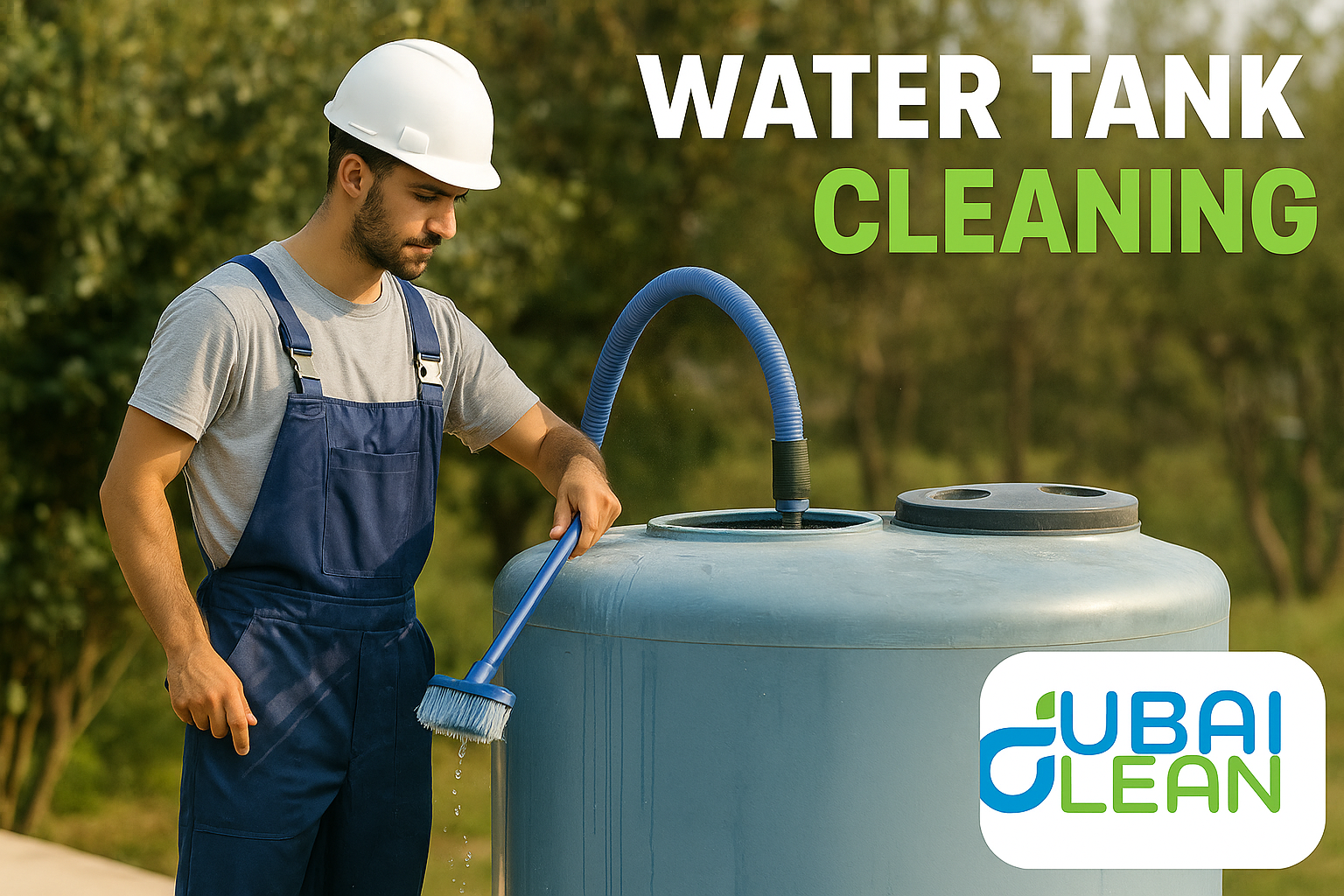
Cleaning Brushes or Pads: To prepare the tank for disinfection, cleaning tools like scrubbing brushes help remove dirt and algae. This ensures the chemicals can work effectively.
Rinsing Instructions: After disinfection, it’s important to rinse the tank thoroughly. Most kits come with instructions on how to clean the tank after using the disinfectants.
Safety Equipment: Some kits include gloves, goggles, or masks to protect you from handling the chemicals, especially stronger ones like chlorine.
Why Use Water Tank Treatment Kits?
Water tank treatment kits make the disinfection process safer, simpler, and more effective. Here’s why they’re so helpful:
Convenience: The kit has everything you need, saving you time looking for separate chemicals and tools.
Time-Saving: With pre-measured chemicals and clear instructions, you can disinfect your tank faster without any guesswork.
Safety and Reliability: The kits are designed to make sure you use the right chemicals in the right amounts, keeping the water safe to drink after treatment.
Cost-Effective: Kits are often cheaper than buying individual chemicals and tools. Plus, they help your tank last longer by preventing harmful microorganisms from growing.
Choosing the Right Water Tank Treatment Kit
When picking a water tank treatment kit, think about these things:
Tank Size: Choose a kit that matches your tank’s size for the best results.
Water Quality: If your water is heavily contaminated or you have hard water, you may need a stronger disinfectant.
Ease of Use: Look for kits that come with clear instructions and all the necessary tools. Some even offer videos to guide you through the process.
Chemical-Free Options: For an eco-friendly choice, consider kits with ozone or hydrogen peroxide, which don’t leave harmful residues.
How to Use a Water Tank Treatment Kit
Using the kit is simple. Here’s how it works:
Clean the Tank: Use the brushes or pads to scrub the tank’s walls and floor to remove dirt, debris, and algae.
Measure the Disinfectant: Use the included measuring tools to get the right amount of disinfectant for your tank.
Add the Disinfectant: Pour the disinfectant into the tank and make sure it spreads evenly.
Wait for the Disinfection Time: Leave the disinfectant in the tank for the recommended time, usually 30 minutes to an hour, to kill harmful microorganisms.
Rinse the Tank: Once the time’s up, flush the tank well to remove any leftover disinfectant.
With a water tank treatment kit, you can easily keep your drinking water clean and safe without any hassle.
Conclusion
Keeping your water tank clean and disinfected is essential for ensuring safe, high-quality water, especially in Dubai’s hot and dusty environment. Regular cleaning, proper disinfectant selection, and effective maintenance practices will help prevent harmful bacteria, algae, and sediment buildup. By following best practices such as using the right tools, choosing the correct disinfectants, and sticking to a cleaning schedule you can safeguard your health and ensure your water remains safe to drink. Read more about how much it costs to clean water tanks in Dubai.
{"@context":"https://schema.org","@type":"FAQPage","@id":"https://dubaiclean.com/water-tank-cleaning-and-disinfection-best-methods-chemicals-used/","mainEntity":[{"@type":"Question","name":"<strong>How often should I clean and disinfect my water tank in Dubai?</strong>","acceptedAnswer":{"@type":"Answer","text":"It is recommended to clean and disinfect your water tank every 6 to 12 months, depending on its size and whether the water is for drinking. For drinking water tanks, cleaning every 6 months is ideal to ensure water safety."}},{"@type":"Question","name":"<strong>What chemicals are used for water tank disinfection?</strong>","acceptedAnswer":{"@type":"Answer","text":"Common chemicals used for water tank disinfection include sodium hypochlorite (liquid chlorine), calcium hypochlorite (granular chlorine), chlorine dioxide, and hydrogen peroxide. Each disinfectant serves to kill bacteria, algae, and other microorganisms."}},{"@type":"Question","name":"<strong>What is the best disinfectant for drinking water tanks?</strong>","acceptedAnswer":{"@type":"Answer","text":"For drinking water tanks, it’s essential to use disinfectants that are safe for consumption. Sodium hypochlorite (liquid chlorine) and chlorine dioxide are popular choices. Always follow safety guidelines and ensure that no chemical residues remain in the tank after cleaning."}},{"@type":"Question","name":"<strong>Can I use household bleach for water tank disinfection?</strong>","acceptedAnswer":{"@type":"Answer","text":"Household bleach (sodium hypochlorite) can be used for water tank disinfection, but it’s important to use the correct dilution rate. Ensure that the bleach is safe for potable water and that it is properly rinsed from the tank after cleaning."}},{"@type":"Question","name":"<strong>Is it safe to drink water immediately after disinfection?</strong>","acceptedAnswer":{"@type":"Answer","text":"After disinfection, you should allow the disinfectant to sit for the recommended contact time (typically 30-60 minutes) and then rinse the tank thoroughly. After the tank is flushed multiple times and chemical residues are removed, the water should be safe for drinking."}},{"@type":"Question","name":"<strong>How can I remove sediment and dirt from my water tank?</strong>","acceptedAnswer":{"@type":"Answer","text":"Use a scrub brush and suitable cleaning tools to remove sediments, dirt, and algae from the tank’s interior. Pay attention to the tank’s corners and floor, where debris tends to accumulate. A thorough rinse after scrubbing is essential."}},{"@type":"Question","name":"<strong>Are there eco-friendly options for water tank disinfection?</strong>","acceptedAnswer":{"@type":"Answer","text":"Yes, eco-friendly disinfectants like hydrogen peroxide are available for water tank cleaning. These products are non-toxic and environmentally friendly while still being effective at eliminating bacteria and algae."}},{"@type":"Question","name":"<strong>Can I clean my water tank myself, or should I hire professionals?</strong>","acceptedAnswer":{"@type":"Answer","text":"You can clean your water tank yourself if it's a manageable size and you follow proper cleaning techniques. However, for larger tanks or those that are difficult to reach, it’s best to hire a professional service for thorough cleaning and disinfection."}},{"@type":"Question","name":"<strong>What should I do if I notice an unpleasant odour in my water tank?</strong>","acceptedAnswer":{"@type":"Answer","text":"An unpleasant odour in your water tank may indicate bacterial growth or stagnant water. In such cases, immediately clean and disinfect the tank, ensuring proper drainage and ventilation. If the odour persists, consult a professional for further inspection."}},{"@type":"Question","name":"<strong>How do I know if my water tank is contaminated?</strong>","acceptedAnswer":{"@type":"Answer","text":"Signs of the contamination may include unusual odours, discolouration of the water, sediment buildup, or visible algae growth. If you notice any of these issues, it’s important to clean and disinfect the tank as soon as possible."}}]}
How often should I clean and disinfect my water tank in Dubai?
It is recommended to clean and disinfect your water tank every 6 to 12 months, depending on its size and whether the water is for drinking. For drinking water tanks, cleaning every 6 months is ideal to ensure water safety.
What chemicals are used for water tank disinfection?
Common chemicals used for water tank disinfection include sodium hypochlorite (liquid chlorine), calcium hypochlorite (granular chlorine), chlorine dioxide, and hydrogen peroxide. Each disinfectant serves to kill bacteria, algae, and other microorganisms.
What is the best disinfectant for drinking water tanks?
For drinking water tanks, it’s essential to use disinfectants that are safe for consumption. Sodium hypochlorite (liquid chlorine) and chlorine dioxide are popular choices. Always follow safety guidelines and ensure that no chemical residues remain in the tank after cleaning.
Can I use household bleach for water tank disinfection?
Household bleach (sodium hypochlorite) can be used for water tank disinfection, but it’s important to use the correct dilution rate. Ensure that the bleach is safe for potable water and that it is properly rinsed from the tank after cleaning.
Is it safe to drink water immediately after disinfection?
After disinfection, you should allow the disinfectant to sit for the recommended contact time (typically 30-60 minutes) and then rinse the tank thoroughly. After the tank is flushed multiple times and chemical residues are removed, the water should be safe for drinking.
How can I remove sediment and dirt from my water tank?
Use a scrub brush and suitable cleaning tools to remove sediments, dirt, and algae from the tank’s interior. Pay attention to the tank’s corners and floor, where debris tends to accumulate. A thorough rinse after scrubbing is essential.
Are there eco-friendly options for water tank disinfection?
Yes, eco-friendly disinfectants like hydrogen peroxide are available for water tank cleaning. These products are non-toxic and environmentally friendly while still being effective at eliminating bacteria and algae.
Can I clean my water tank myself, or should I hire professionals?
You can clean your water tank yourself if it's a manageable size and you follow proper cleaning techniques. However, for larger tanks or those that are difficult to reach, it’s best to hire a professional service for thorough cleaning and disinfection.
What should I do if I notice an unpleasant odour in my water tank?
An unpleasant odour in your water tank may indicate bacterial growth or stagnant water. In such cases, immediately clean and disinfect the tank, ensuring proper drainage and ventilation. If the odour persists, consult a professional for further inspection.
How do I know if my water tank is contaminated?
Signs of the contamination may include unusual odours, discolouration of the water, sediment buildup, or visible algae growth. If you notice any of these issues, it’s important to clean and disinfect the tank as soon as possible.