Dealing with pests is a common problem for many Dubai residents. Certain neighborhoods face higher pest activity due to specific environmental factors, building age, and population density. This guide highlights the areas most affected by pests and offers practical solutions to tackle these issues effectively.
What Makes an Area Prone to Pests?
Before diving into specific locations, it helps to understand why some areas attract more pests than others:
Water sources: Areas near water bodies or with poor drainage
Food availability: Neighborhoods with many restaurants or improper waste management
Building age: Older structures with more entry points and hiding spots
Vegetation: Dense landscaping providing shelter for pests
Climate conditions: Humidity and heat variations across different parts of Dubai
The Top 10 Pest Hotspots in Dubai
1. Deira
Deira ranks high on the list due to its combination of older buildings and high population density. Many structures in this area date back several decades, creating ideal conditions for pest infestations.
Common pests found:
Cockroaches
Rats
Bed bugs
Ants
The narrow streets and closely packed buildings make pest control challenging in this historic district. The area's many restaurants and food establishments contribute to the pest population by providing constant food sources.
2. Bur Dubai
Similar to Deira, Bur Dubai features many older buildings with structural gaps that serve as entry points for pests. The humidity levels near the creek also create favorable conditions for insects.
The combination of commercial and residential properties means food waste is abundant, attracting various pests. Buildings near the creek experience higher rates of mosquito problems during warmer months.
3. International City
International City faces unique pest challenges due to several factors:
Contributing Factor
Impact on Pest Activity
Drainage issues
Creates standing water for mosquitoes
Waste management challenges
Attracts rodents and cockroaches
Dense population
More food waste and harborage areas
Building construction quality
Multiple entry points for pests
Residents frequently report cockroach problems in shared spaces and rodent sightings in outdoor areas. The clustering of restaurants in certain clusters amplifies these issues.
4. Al Quoz Industrial Area
The industrial nature of Al Quoz creates perfect conditions for pests. Warehouses with stored goods, food processing facilities, and worker accommodations all contribute to the problem.
Primary concerns:
Rodents attracted to stored products
Flies around waste disposal areas
Cockroaches in worker housing
Birds nesting in warehouse rafters
The mix of industrial waste, food processing, and human habitation creates a complex pest management challenge in this area.
5. Karama
Karama's high-density housing and numerous restaurants create ideal conditions for pests. The older apartment buildings often have plumbing issues that provide water sources for cockroaches and other insects.
The area's popularity means high foot traffic and constant food availability from restaurants, cafes, and street vendors. These factors combine to make Karama a significant hotspot for pests in Dubai.
6. Al Nahda
Al Nahda faces pest challenges related to its rapid development and high population density. Newer buildings often have landscaping that, while attractive, can harbor pests like ants and mosquitoes.
Construction sites in the area also displace pests, forcing them into residential buildings. The area's location near the Dubai-Sharjah border means pest control efforts must be coordinated across municipal boundaries.
7. Jumeirah Village Circle (JVC)
JVC residents report increasing pest issues related to:
Ongoing construction disrupting pest habitats
Water features in the community that attract mosquitoes
Abundance of green spaces providing shelter for pests
Waste collection points that can attract rodents
As a newer community, JVC faces problems with displaced pests from construction and landscaping that provides harborage.
8. Discovery Gardens
This area faces unique challenges due to its extensive landscaping and water features. The garden-like setting, while appealing to residents, creates ideal habitats for:
Mosquitoes in water features
Ants in garden areas
Birds nesting in trees
Rodents hiding in dense vegetation
The community's layout makes comprehensive pest control difficult, requiring coordination between building management companies.
9. Al Barsha
Al Barsha's mix of residential buildings, hotels, and mall areas creates diverse pest problems. The constant flow of people and goods through Mall of the Emirates and surrounding areas brings pests into the neighborhood.
Common issue areas:
Food courts attracting flies and cockroaches
Garbage collection points drawing rodents
Hotel supply deliveries potentially bringing bed bugs
Green spaces harboring mosquitoes
The transient population in hotel areas means bed bugs can become a recurring issue if not properly managed.
10. Jebel Ali and Dubai Industrial City
Industrial areas like Jebel Ali face large-scale pest challenges:
Pest Type
Problem Areas
Rodents
Warehouses and food storage
Birds
Open structures and loading docks
Stored product pests
Grain and product storage
Flies
Waste processing areas
The scale of operations in these industrial zones means that even small pest problems can quickly grow if not addressed promptly.
How to Protect Your Property Regardless of Location
While some areas face higher pest pressure, you can take steps to protect your property:
Seal entry points around doors, windows, and utility penetrations
Maintain proper waste management with sealed containers
Fix any plumbing leaks promptly
Keep food stored in sealed containers
Remove standing water from balconies, plant pots, and air conditioning units
Schedule regular professional pest inspections
Professional Pest Control Solutions
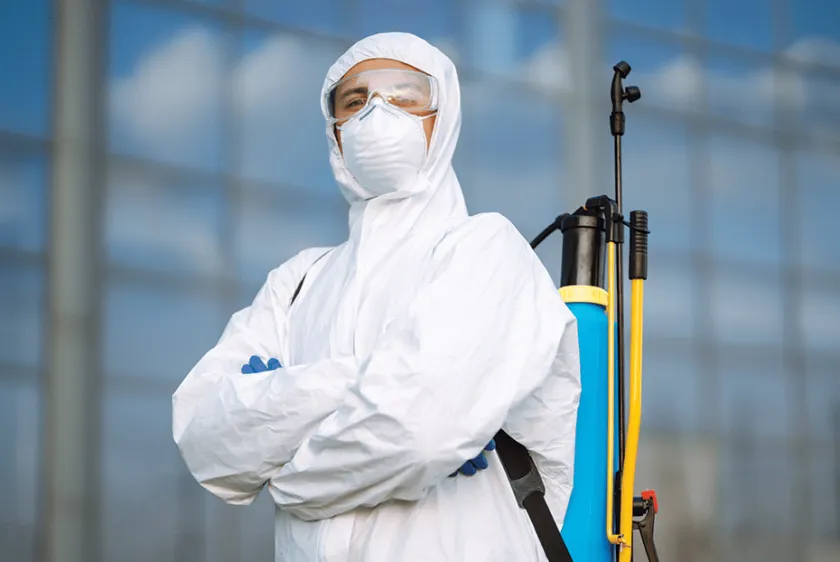
For effective pest management, professional services offer several advantages:
Proper identification of specific pest species
Targeted treatments that address the root cause
Preventive measures to stop future infestations
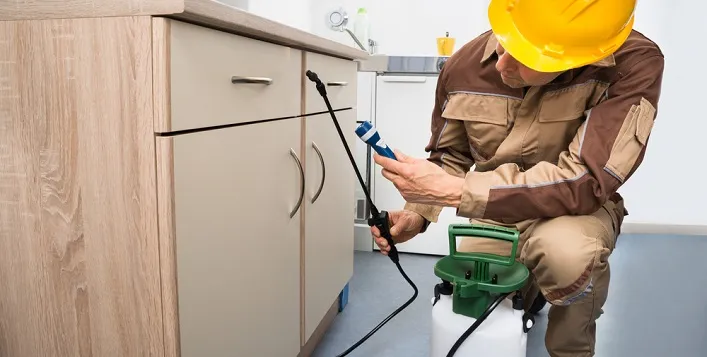
Safe application of appropriate products
Follow-up services to ensure complete resolution
FAQ: Pest Control in Dubai
{"@context":"https://schema.org","@type":"FAQPage","@id":"https://dubaiclean.com/top-10-areas-with-the-most-pests-in-dubai/","mainEntity":[{"@type":"Question","name":"How often should I schedule pest control in high-risk areas?","acceptedAnswer":{"@type":"Answer","text":"Quarterly service is recommended for preventive measures, with additional treatments as needed for active infestations."}},{"@type":"Question","name":"Are DIY pest control methods effective in Dubai?","acceptedAnswer":{"@type":"Answer","text":"DIY methods may provide temporary relief but rarely address the root causes of infestations. Professional treatment is more effective for long-term results."}},{"@type":"Question","name":"How can I identify if my building has a pest problem?","acceptedAnswer":{"@type":"Answer","text":"Look for droppings, strange odors, damage to packaging or structures, and actual pest sightings. Early morning or late night inspections often reveal pest activity."}},{"@type":"Question","name":"What should I do before a pest control treatment?","acceptedAnswer":{"@type":"Answer","text":"Clear areas to be treated, store food items, remove pets, and inform the technician of any specific concerns or household sensitivities."}},{"@type":"Question","name":"How long do pest treatments last in Dubai's climate?","acceptedAnswer":{"@type":"Answer","text":"Most professional treatments remain effective for 2-3 months, though this varies based on the pest type, treatment method, and environmental conditions."}}]}
How often should I schedule pest control in high-risk areas?
Quarterly service is recommended for preventive measures, with additional treatments as needed for active infestations.
Are DIY pest control methods effective in Dubai?
DIY methods may provide temporary relief but rarely address the root causes of infestations. Professional treatment is more effective for long-term results.
How can I identify if my building has a pest problem?
Look for droppings, strange odors, damage to packaging or structures, and actual pest sightings. Early morning or late night inspections often reveal pest activity.
What should I do before a pest control treatment?
Clear areas to be treated, store food items, remove pets, and inform the technician of any specific concerns or household sensitivities.
How long do pest treatments last in Dubai's climate?
Most professional treatments remain effective for 2-3 months, though this varies based on the pest type, treatment method, and environmental conditions.
Contact DubaiClean for Professional Pest Control
If you live in any of these high-risk areas or suspect a pest problem, our team at DubaiClean can help. We offer comprehensive pest management solutions tailored to Dubai's unique climate and pest challenges.