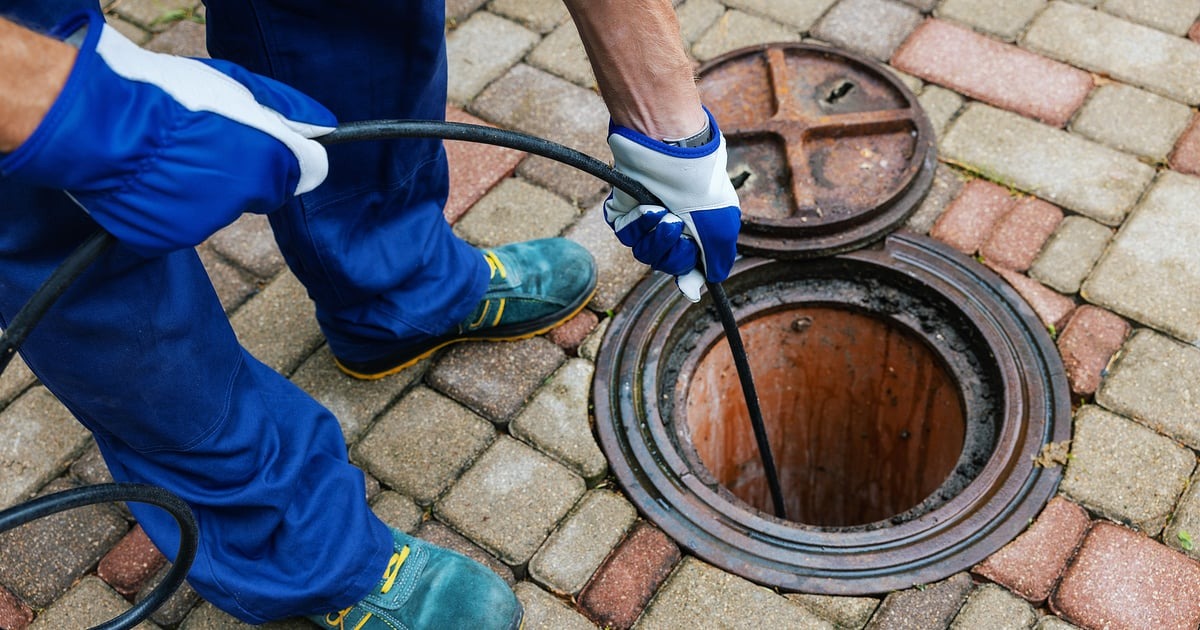
Sewage tank cleaning is one of the most crucial yet often overlooked aspects of maintaining a clean and hygienic property, whether it's a residential building, commercial establishment, or industrial facility. When not properly maintained, sewage tanks can overflow, emit foul odors, and even become a breeding ground for harmful bacteria and pests. Regular cleaning ensures the system runs efficiently, protects the environment, and keeps people safe.
What Is a Sewage Tank?
A sewage tank, often referred to as a septic tank, is an underground chamber made of concrete, fiberglass, or plastic. It is designed to collect and treat wastewater from toilets, sinks, and drains. Solids settle at the bottom, while scum floats on top, and partially treated wastewater flows out to a drain field. Without regular cleaning, the solids build up and block the system.
Why Sewage Tank Cleaning Is Important
Prevents Blockages: Regular cleaning prevents solids from building up and clogging the tank or pipes.
Protects Health: Unclean sewage tanks can harbor dangerous bacteria and viruses.
Extends System Lifespan: Proper maintenance reduces wear and tear, prolonging the life of the tank.
Environmental Protection: Prevents untreated sewage from contaminating soil and groundwater.
How Often Should a Sewage Tank Be Cleaned?
The frequency depends on several factors:
Size of the tank
Number of people using the facility
Amount of wastewater generated
Generally, it is advisable to clean a sewage tank every 1 to 3 years. However, large commercial or industrial properties may require more frequent service.
Steps Involved in Sewage Tank Cleaning
Inspection: The cleaning crew inspects the tank for leaks, cracks, and sludge levels.
Pumping Out: A vacuum truck removes all liquid and solid waste.
Jet Cleaning: High-pressure water jets are used to remove stubborn sludge.
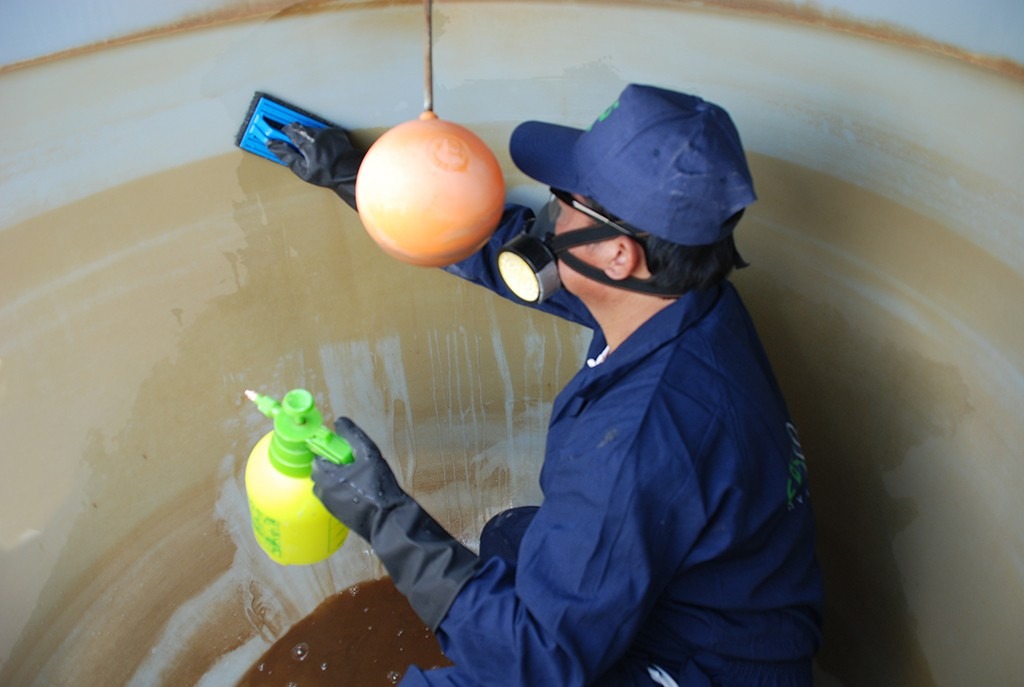
Scrubbing: The interior walls of the tank are scrubbed if necessary.
Final Rinse: A final wash to remove any remaining debris or bacteria.
Disposal: The waste is safely transported to a treatment facility.
Signs Your Sewage Tank Needs Cleaning
Slow draining sinks and toilets
Unpleasant odors near the tank area
Pooling water or lush vegetation around the tank
Gurgling noises in plumbing
Backups or overflows
Can You Clean a Sewage Tank Yourself?
Cleaning a sewage tank is not a DIY job. It involves hazardous waste, requires professional equipment, and must follow local environmental regulations. Hiring trained professionals ensures the job is done safely and thoroughly.
Choosing the Right Cleaning Service
Look for licensed and insured companies
Check their experience and reviews
Ensure they follow environmental disposal regulations
Ask about pricing and service inclusions
Benefits of Professional Sewage Tank Cleaning
Safe and hygienic process
Proper sludge disposal
Prevents system damage
Time-efficient
Compliance with local laws
Consequences of Neglecting Sewage Tank Cleaning
Failing to clean your sewage tank regularly can lead to far more serious issues than just bad smells. Long-term neglect may result in:
Soil Contamination: Overflowing sewage can seep into the ground, polluting soil and underground water sources.
Legal Penalties: In many regions, including Dubai, failure to maintain your sewage system can lead to fines or legal action.
Pest Infestation: Accumulated waste attracts rodents, flies, and cockroaches, creating a secondary hygiene issue.
Structural Damage: Leaking or overflowing tanks can weaken nearby foundations and damage structural elements.
Emergency Costs: Neglected tanks often require expensive emergency pumping, repairs, or complete replacements.
FAQs
{"@context":"https://schema.org","@type":"FAQPage","@id":"https://dubaiclean.com/sewage-tank-cleaning-everything-you-need-to-know/","mainEntity":[{"@type":"Question","name":"<strong>1. How long does it take to clean a sewage tank?</strong>","acceptedAnswer":{"@type":"Answer","text":" Usually between 1 to 3 hours depending on the tank size and condition."}},{"@type":"Question","name":"<strong>2. Is sewage tank cleaning expensive?</strong>","acceptedAnswer":{"@type":"Answer","text":" Prices vary, but it's generally affordable when done regularly. Costs increase if the tank is overdue for cleaning or damaged."}},{"@type":"Question","name":"<strong>3. Can neglected sewage tanks cause property damage?</strong>","acceptedAnswer":{"@type":"Answer","text":" Yes. Overflowing tanks can damage plumbing systems, foundations, and landscaping."}},{"@type":"Question","name":"<strong>4. What happens to the waste removed from the tank?</strong>","acceptedAnswer":{"@type":"Answer","text":" It is safely transported to and treated at certified wastewater treatment facilities."}},{"@type":"Question","name":"<strong>5. Do commercial properties need more frequent cleaning?</strong>","acceptedAnswer":{"@type":"Answer","text":" Yes. Due to higher wastewater generation, commercial and industrial tanks should be serviced more often than residential ones."}}]}
1. How long does it take to clean a sewage tank?
Usually between 1 to 3 hours depending on the tank size and condition.
2. Is sewage tank cleaning expensive?
Prices vary, but it's generally affordable when done regularly. Costs increase if the tank is overdue for cleaning or damaged.
3. Can neglected sewage tanks cause property damage?
Yes. Overflowing tanks can damage plumbing systems, foundations, and landscaping.
4. What happens to the waste removed from the tank?
It is safely transported to and treated at certified wastewater treatment facilities.
5. Do commercial properties need more frequent cleaning?
Yes. Due to higher wastewater generation, commercial and industrial tanks should be serviced more often than residential ones.
Final Thoughts
Regular sewage tank cleaning is not just a maintenance task—it's a health and safety priority. Keeping your tank clean ensures your property stays hygienic, your plumbing runs smoothly, and the environment is protected from contamination. Partnering with a reliable service provider such as DubaiClean guarantees peace of mind and long-term cost savings.