







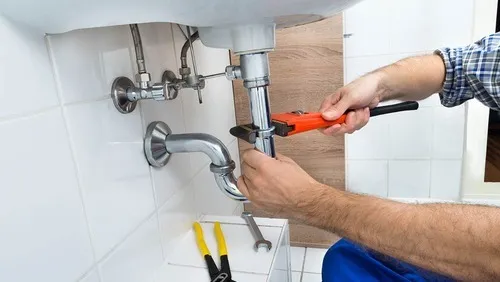

Plumbing services are essential for maintaining functional water systems in homes and buildings. Understanding different types of plumbing work helps property owners make informed decisions about repairs and installations. This comprehensive guide explores everything you need to know about professional water system maintenance and repair solutions.
Plumbing services encompass a wide range of professional solutions designed to install, repair, and maintain water supply systems, drainage networks, and sanitation facilities. These specialized services include pipe installation, leak detection, fixture replacement, drain cleaning, and emergency repairs. Professional plumbers handle both residential and commercial projects, ensuring water systems operate efficiently and safely.
Modern plumbing work involves advanced techniques and tools to diagnose problems accurately. From simple faucet repairs to complex pipe installations, these services cover every aspect of water system management. The scope includes preventive maintenance, emergency response, and system upgrades to meet current building codes and standards.
Plumbing costs in Dubai vary significantly based on service complexity, materials required, and urgency of the work. Basic repairs typically range from AED 150 to AED 500, while major installations can cost between AED 1,000 to AED 5,000 or more. Emergency services during weekends or holidays usually carry premium rates, often 50-100% higher than standard pricing.
Several factors influence pricing, including:
Professional plumbers often provide detailed estimates before beginning work, helping customers understand expected costs and avoid surprises. Many offer warranty coverage on parts and labor, providing additional value for the investment.
Residential plumbing services focus on homes, apartments, and small buildings. This category includes bathroom and kitchen fixtures, water heaters, and basic drainage systems. Residential work typically involves standard materials and straightforward installations, making it the most common type of plumbing service.
Commercial plumbing handles larger buildings, offices, restaurants, and retail spaces. These systems require more complex designs, higher capacity fixtures, and specialized equipment. Commercial projects often involve multiple floors, extensive pipe networks, and compliance with strict building codes.
Industrial plumbing serves manufacturing facilities, hospitals, and large institutions. These systems manage high-volume water usage, specialized chemicals, and complex waste management requirements. Industrial work requires advanced training and specialized equipment to handle unique challenges.
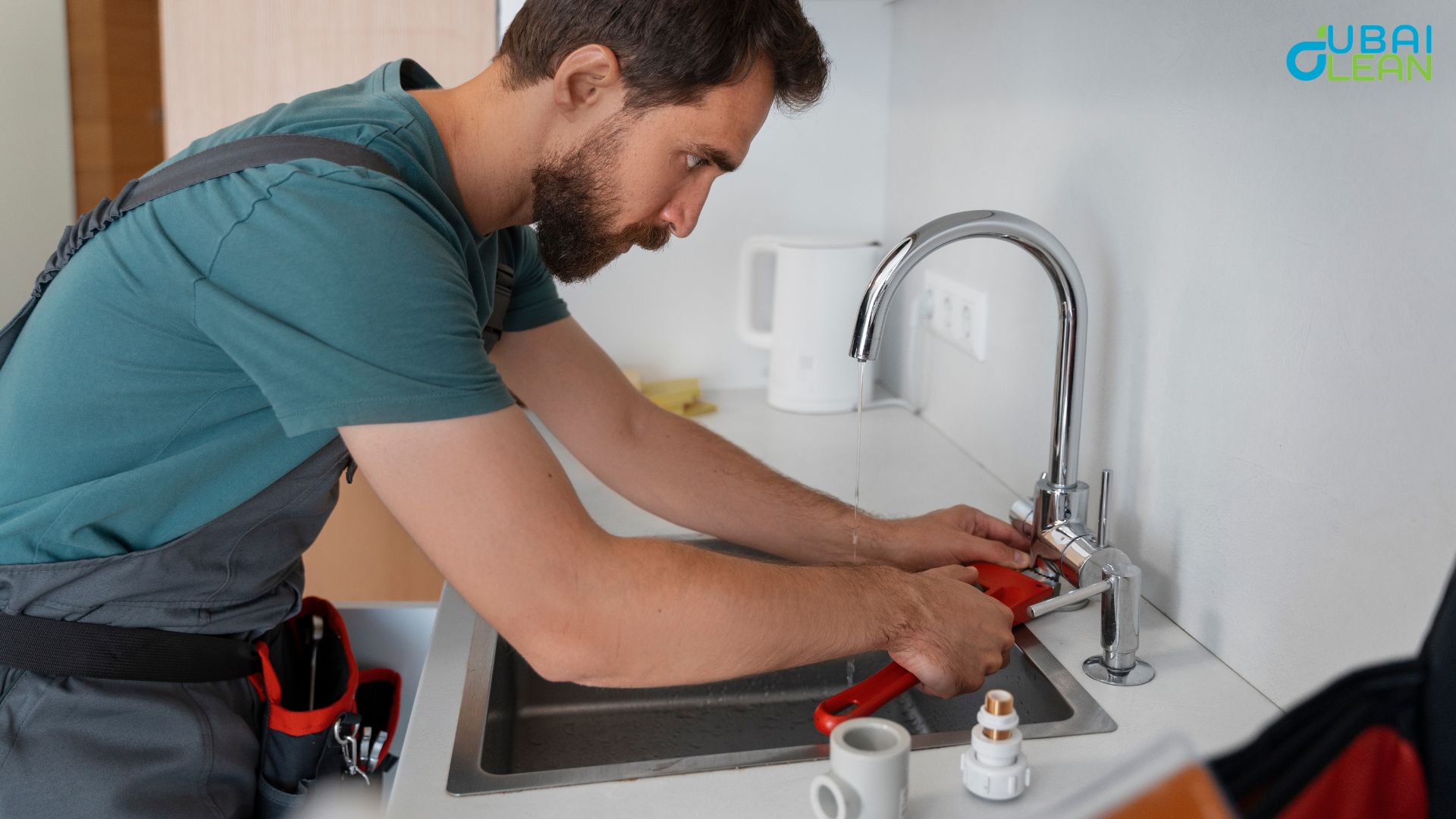
Drain cleaning services represent the most frequent plumbing requests, accounting for approximately 30% of all service calls. Clogged drains in kitchens, bathrooms, and main sewer lines cause significant inconvenience and require immediate attention. These blockages result from accumulated debris, grease buildup, or foreign objects lodged in pipes.
Other common service calls include:
Quick response to these common issues prevents minor problems from becoming major disasters. Regular maintenance helps identify potential issues before they require emergency intervention.
Residential plumbing services using copper and PVC pipes represent the most standard plumbing type in modern construction. This system includes hot and cold water supply lines, drainage pipes, and vent systems that ensure proper water pressure and waste removal. Standard residential plumbing follows established building codes and uses readily available materials.
Normal plumbing systems feature:
These systems undergo regular inspections and maintenance to ensure optimal performance. Modern plumbing incorporates energy-efficient features and water conservation technologies.
Plumbers are commonly called "pipe fitters" or "water technicians" in professional settings. Informal nicknames include "pipe doctor" or "drain specialist," reflecting their problem-solving expertise. These terms highlight the technical skills required for modern plumbing work.
Professional alternatives include "plumbing technician," "water system specialist," or "pipe installation expert." These terms emphasize the technical knowledge and specialized training required for quality plumbing work. "Sanitation engineer" is sometimes used for commercial and industrial applications.
Historically, plumbers were called "plumbarii" in ancient Rome, derived from the Latin word "plumbum" meaning lead. Lead pipes were commonly used in early plumbing systems. Other historical terms include "pipe layer" and "water bearer," reflecting the evolution of plumbing technology over centuries.
A professional plumber is a skilled tradesperson specializing in water system installation, maintenance, and repair. They possess technical knowledge of pipes, fixtures, and drainage systems, combined with problem-solving abilities to diagnose and resolve complex issues. Modern plumbers use advanced tools and techniques while maintaining high safety standards.
Professional plumbers demonstrate:
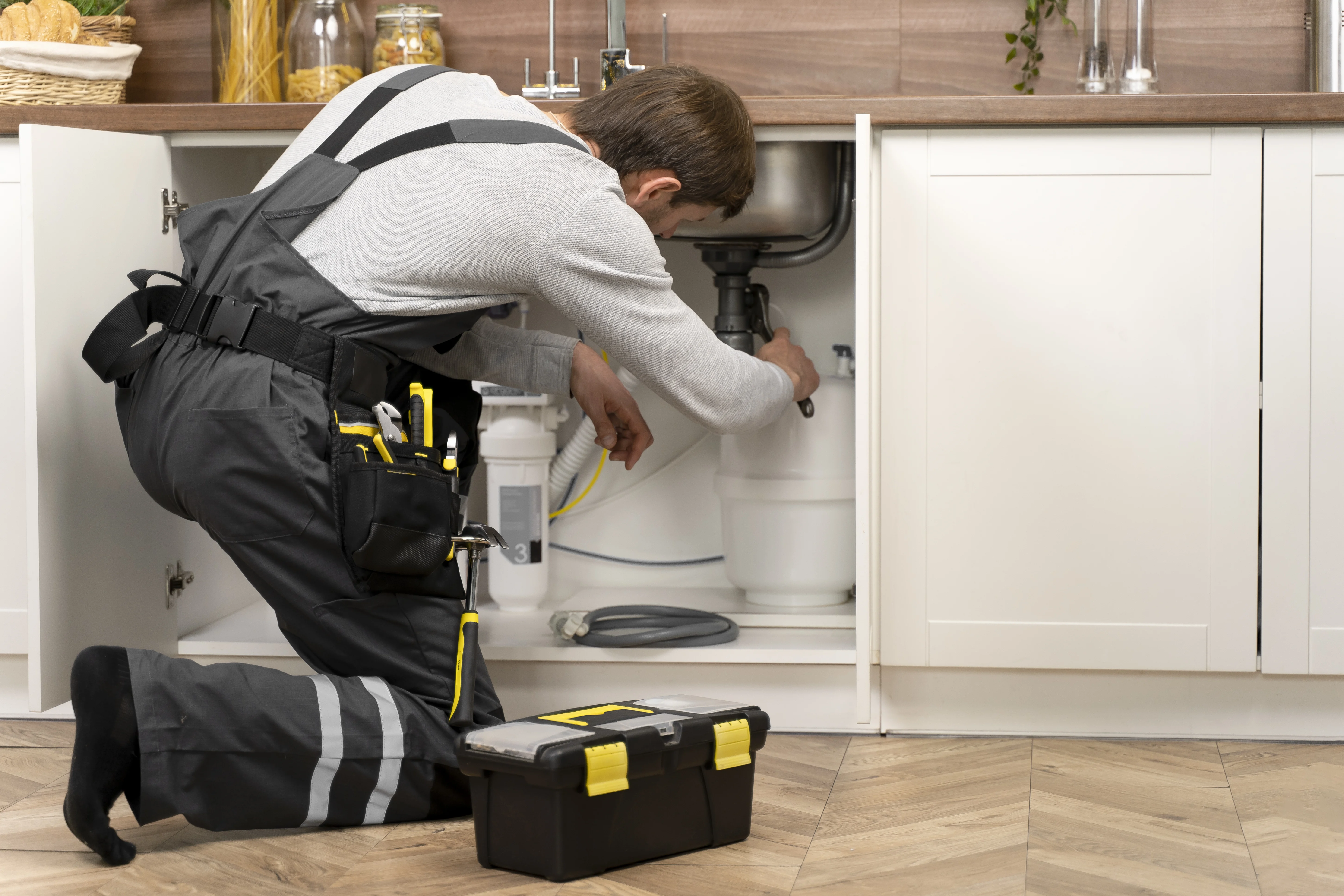
Contemporary plumbing services utilize advanced diagnostic equipment including video inspection cameras, electronic leak detectors, and pressure testing devices. These tools enable precise problem identification without destructive investigation methods. Thermal imaging cameras detect hidden leaks behind walls, while electronic locators pinpoint exact pipe locations.
Digital diagnostic tools provide detailed reports showing pipe conditions, blockage locations, and potential failure points. This information helps property owners make informed decisions about repairs versus replacements, often saving significant costs through targeted interventions.
Professional plumbing services emphasize preventive maintenance to avoid costly emergency repairs. Regular inspections identify potential problems before they cause system failures. Maintenance programs include drain cleaning, pipe inspection, water heater servicing, and fixture adjustments.
Preventive care extends system lifespan, improves efficiency, and maintains warranty coverage. Property owners benefit from scheduled maintenance through reduced emergency calls, lower utility bills, and improved system reliability.
24-hour plumbing services provide immediate response for critical situations including burst pipes, sewer backups, and gas leaks. Emergency technicians carry specialized equipment and replacement parts for common repairs. Quick response prevents property damage and restores essential services rapidly.
Emergency protocols include rapid assessment, temporary repairs, and permanent solutions scheduling. Professional emergency services coordinate with insurance companies and restoration specialists when extensive damage occurs.
Modern plumbing services incorporate water conservation technologies including low-flow fixtures, efficient appliances, and smart control systems. These solutions reduce water consumption while maintaining performance standards. Green plumbing practices support environmental sustainability while lowering utility costs.
Water-efficient technologies include:
Advanced plumbing services now include smart home integration with automated monitoring systems, remote shut-off capabilities, and usage tracking applications. These technologies provide real-time information about water consumption and system performance.
Smart plumbing features enable proactive maintenance scheduling and immediate problem notification. Property owners can monitor water usage patterns and identify potential issues before they become serious problems.
Plumbing services play a crucial role in maintaining functional water systems for residential and commercial properties. Understanding different service types, common issues, and professional terminology helps property owners make informed decisions about their plumbing needs. Regular maintenance and professional expertise ensure reliable water systems that serve properties efficiently for years to come.