



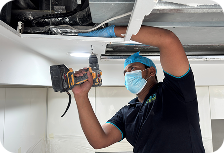




Post construction mold remediation may be necessary when moisture becomes trapped inside building materials during construction or renovation. Even newly completed properties can develop mold if drywall, concrete, insulation, or wood remain damp long enough to support growth.
Many property owners assume mold only affects older buildings. In reality, construction projects introduce large amounts of moisture into a property. If that moisture is not properly managed before occupancy, mold can begin developing behind walls, above ceilings, inside HVAC systems, or in other hidden areas.
Post construction mold remediation is the process of identifying, removing, and preventing mold growth that develops during or shortly after construction work. Unlike routine mold removal, it specifically addresses contamination linked to moisture introduced during building or renovation activities.
Construction materials such as concrete, plaster, grout, paint, and adhesives contain significant amounts of moisture during installation and curing. If these materials are enclosed before drying completely, moisture can become trapped within the building envelope and create conditions suitable for mold growth.
The goal of remediation is not only to remove contamination but also to identify and correct the moisture source to reduce the risk of future problems.
Learn more about professional mold treatment services here.
Construction projects naturally introduce moisture into a building. Under normal conditions, this moisture evaporates through ventilation and drying. Problems occur when materials are covered, enclosed, or occupied before adequate drying has taken place.
Common causes include:
During inspections we often find moisture trapped behind finished surfaces that appear completely normal from the outside. In some cases, mold develops inside ceiling cavities or wall assemblies long before visible signs appear inside occupied spaces.
According to guidance from the U.S. Environmental Protection Agency, controlling moisture during construction and building maintenance is one of the most effective ways to prevent mold growth.
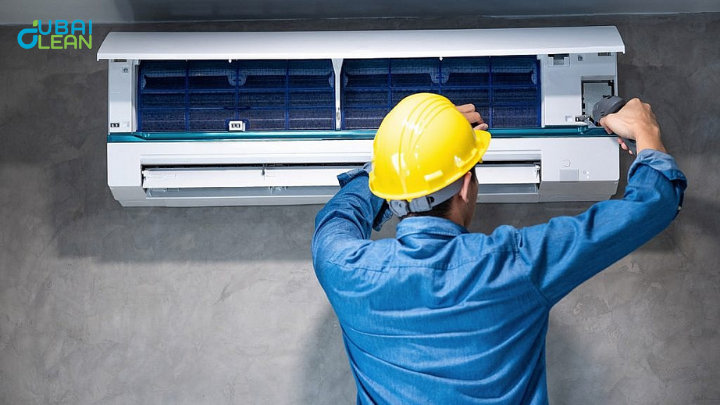
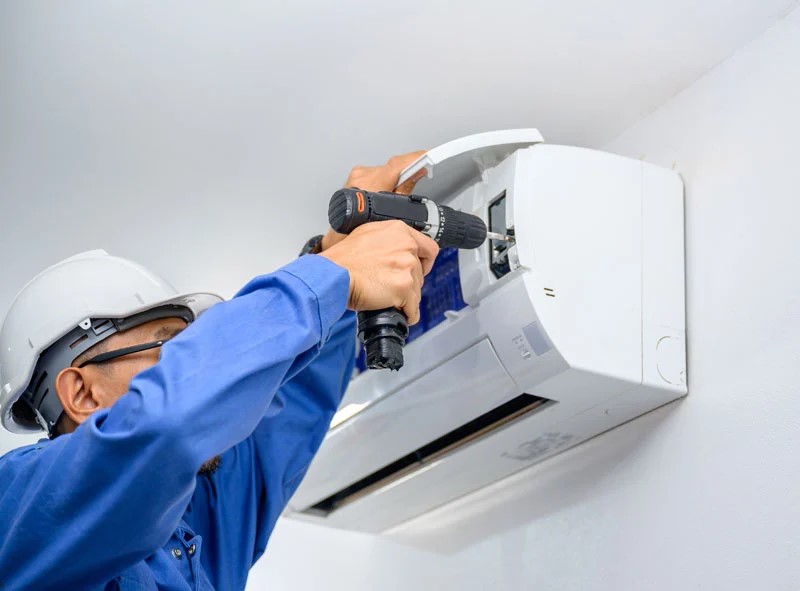
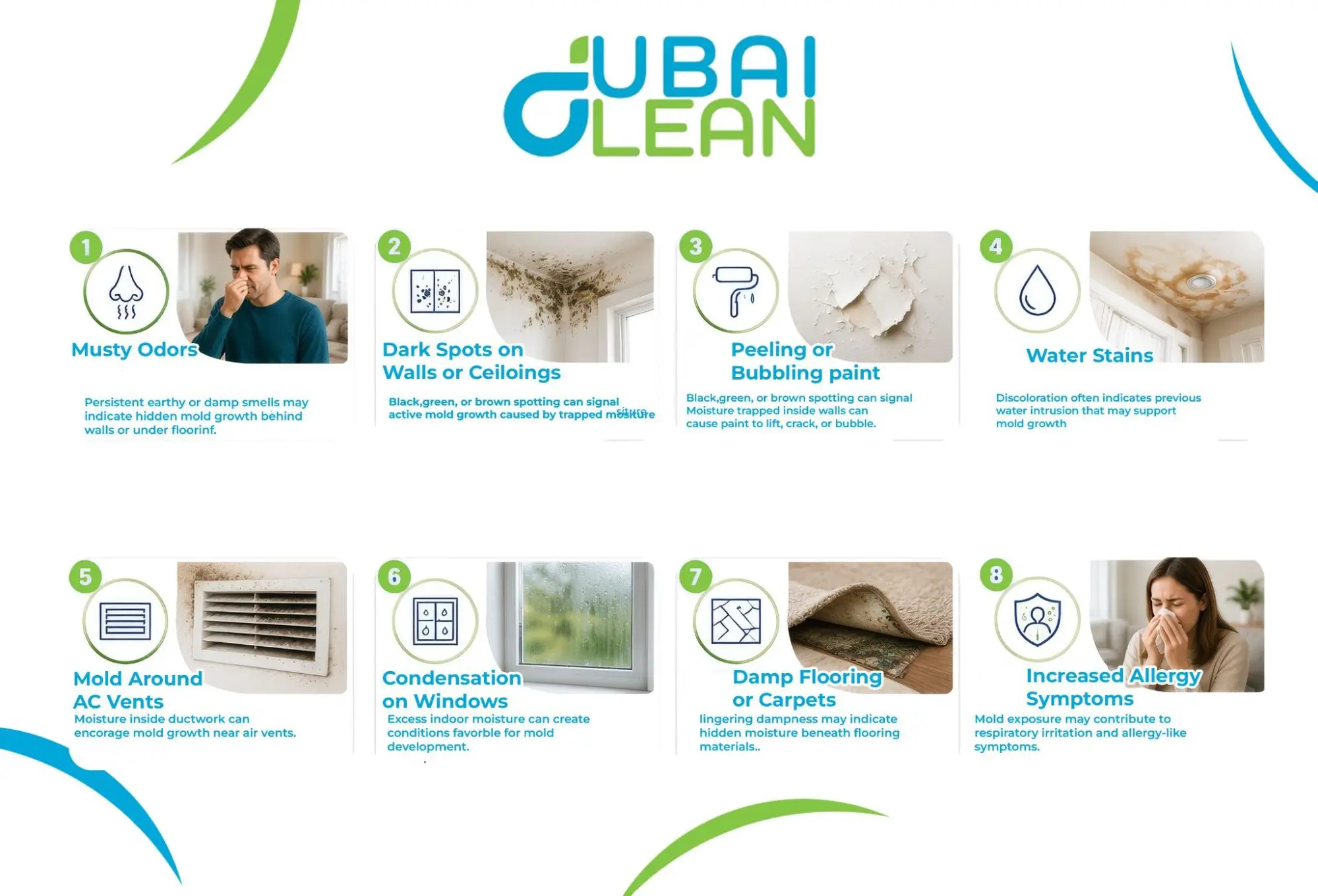
Common warning signs include musty odors, visible staining on walls or ceilings, excessive indoor humidity, and recurring allergy-like symptoms. Mold may also develop around AC vents when moisture accumulates within HVAC systems.
According to the DubaiClean team, they have noticed that newly completed apartments sometimes show mold growth around supply vents where humidity control was overlooked during final construction stages. During inspections we often find that visible mold is only part of the issue, with additional moisture hidden behind walls or ceilings.
These signs do not always confirm mold contamination, but they indicate that a professional moisture assessment may be necessary.
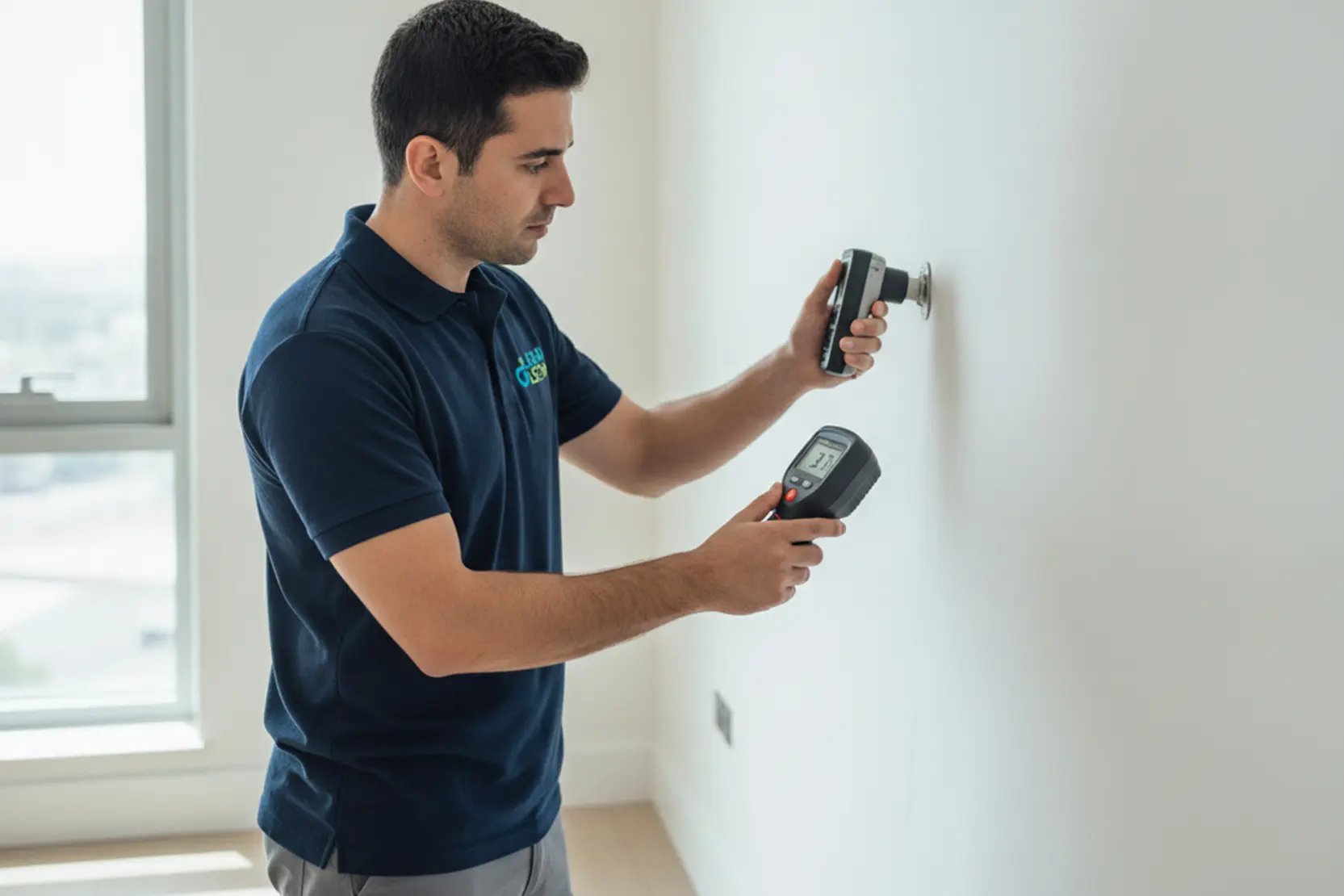
Professional remediation follows a structured process designed to identify contamination, address moisture issues, and reduce the risk of recurrence.
The first step is identifying both mold growth and the moisture source supporting it. Professionals inspect visible areas while also evaluating hidden spaces where moisture may accumulate. Moisture meters and thermal imaging tools can help locate damp building materials that are not obvious during a standard visual inspection.
Accurate assessment helps determine the extent of contamination and the most appropriate remediation strategy.
Once affected areas are identified, remediation focuses on safely removing contamination while limiting spore spread. The approach depends on the severity of growth and the materials involved.
Non-porous surfaces can often be cleaned and treated, while heavily contaminated porous materials such as insulation or drywall may require replacement. Proper containment helps prevent contamination from spreading to unaffected areas of the property.
After mold removal, attention shifts to moisture control. Drying equipment, ventilation improvements, HVAC adjustments, or repairs may be necessary to reduce humidity levels and eliminate lingering moisture.
Long-term success depends on correcting the underlying cause rather than simply removing visible mold.
Many property owners assume mold after construction cleaning will solve the problem. While cleaning removes dust, debris, and surface contamination, it does not necessarily address hidden mold growth or trapped moisture.
If contamination exists behind walls, above ceilings, or within HVAC systems, cleaning alone may not prevent the issue from returning. Effective post construction mold remediation focuses on identifying moisture problems and addressing the source of contamination.
Property owners frequently ask how to prevent mold after construction. The most effective strategy is moisture control throughout the building and finishing process.
Building materials should be allowed to dry completely before being enclosed, and indoor humidity should be monitored during final construction stages.
Helpful prevention measures include:
Research from the EPA identifies moisture control as the most important factor in preventing mold growth within buildings.
For learning about eco friendly methods for mold remediation you can check out this guide.
Post construction mold remediation typically addresses mold linked to moisture introduced during new construction. Post renovation mold removal focuses on contamination that develops after remodeling work in existing properties.
Although the source of moisture may differ, both processes involve identifying moisture problems, removing contamination, drying affected materials, and preventing recurrence.
Post construction mold remediation helps address mold problems that can develop even in newly completed properties. Construction moisture, inadequate drying, and poor humidity control are among the most common causes. Early inspection and proper moisture management help protect indoor air quality and reduce the risk of future contamination. You can contact DubaiClean and get an expert opinion.
The most common causes include trapped construction moisture, inadequate drying, high indoor humidity, water intrusion, and HVAC-related condensation.
Mold can begin developing within a few days when moisture is present and environmental conditions support growth.
No. Many projects dry successfully without mold problems. Remediation becomes necessary when mold growth or excessive moisture is identified.
Professionals may use visual inspections, moisture meters, thermal imaging equipment, and HVAC evaluations to identify hidden moisture and contamination.
Yes. If the original moisture source is not corrected, mold can return even after successful remediation.