That persistent cough your child developed after moving to Dubai. The unexplained wheezing gets worse during the humid months. The allergies that never seem to go away, despite being in a "dry" climate.
What if I told you the culprit might be hiding in plain sight - growing on your villa's walls, behind your expensive marble finishes, or thriving in your state-of-the-art HVAC system?
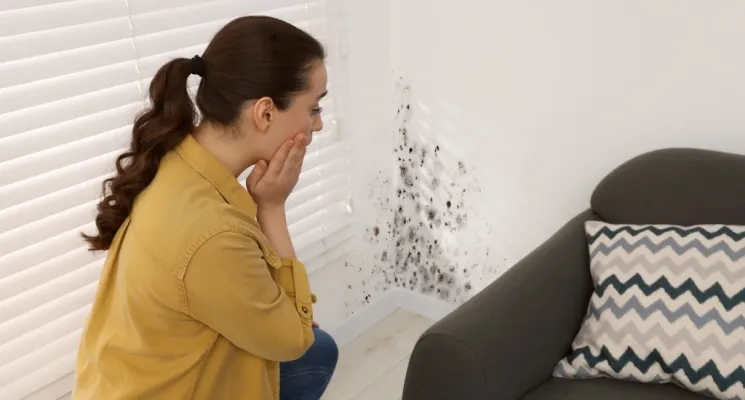
Mold isn't just unsightly black spots on bathroom walls. In Dubai's unique climate conditions, it's a silent health threat that many villa owners completely overlook until respiratory problems become impossible to ignore.
Why Dubai Villas Are Perfect Breeding Grounds for Hidden Mold
Most people assume Dubai's desert climate means no mold problems. That's the first dangerous misconception.
Dubai's coastal humidity, combined with year-round air conditioning, creates what I call "mold pockets" - areas where moisture gets trapped and never properly dries. Your villa's design, no matter how luxurious, often works against you.
The moisture trap zones in Dubai villas:
- Behind kitchen backsplashes, where condensation builds up
- Around pool areas where the humidity is constantly high
- Inside wall cavities where AC condensation lines run
- Under marble flooring in bathrooms with poor ventilation
- In master bedroom en-suites that rarely get natural airflow
The problem intensifies during Dubai's humid months (June through September) when outdoor humidity can hit 90%, but your AC keeps indoor temperatures at 22°C. This temperature differential creates condensation in wall cavities that homeowners never see.
The Hidden Health Connection Most Dubai Families Miss
Here's what most villa owners don't realize: mold and respiratory issues in your villa aren't always obvious cause-and-effect relationships.
Mold exposure symptoms often mimic common seasonal allergies or what people dismiss as "adjustment period" health issues when moving to Dubai. The connection between mold and respiratory issues becomes clear only when you know what to look for.
Early warning signs in your family:
- Morning congestion that clears up after leaving the house
- Coughing fits that worsen at night or in specific rooms
- Recurring sinus infections, especially in children
- Asthma symptoms that developed after moving to Dubai
- Persistent throat irritation with no clear cause
Children and elderly family members are particularly vulnerable because their immune systems either haven't fully developed or have weakened over time.
Where Mold Hides in Dubai Villas (And Why You Can't See It)
The biggest mistake I see villa owners make is only looking for visible mold. In Dubai's construction methods and climate, mold thrives in places you'd never think to check.
Behind Expensive Finishes
Your beautiful imported marble and designer tiles? They're often installed with gaps that allow moisture to seep behind them. Once there, mold grows undisturbed for months or even years.
Inside Your HVAC System
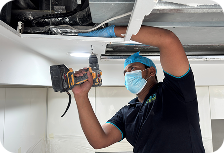
Dubai's sand and humidity create perfect conditions for mold growth inside air conditioning systems. Every time your AC runs, it can circulate mold spores throughout your entire villa.
Around Pool and Spa Areas
The consistent moisture from pools, combined with warm Dubai temperatures, creates what's essentially a mold greenhouse. This is especially problematic in indoor pool areas or spa rooms.
In Master Suite Bathrooms
Large master bathrooms with poor ventilation - common in Dubai villa designs - trap moisture for hours after showers. The mold grows in grout lines, behind vanities, and inside wall cavities.
What Dubai's Climate Does to Your Family's Respiratory Health
The relationship between mold and respiratory issues in your villa becomes more complex in Dubai's environment because of the constant indoor-outdoor temperature changes.
Your respiratory system is already working overtime to adjust to:
- Extreme temperature differences (45°C outside, 22°C inside)
- Dry desert air mixed with coastal humidity
- Constant air conditioning exposure
- Sand particles in the air during certain seasons
Add mold exposure to this mix, and your family's respiratory systems become overwhelmed. What starts as occasional sniffling can escalate to chronic respiratory conditions if the mold problem isn't addressed.
The Dubai Construction Factor Most Villa Owners Ignore
Dubai's rapid construction boom means many villas were built with moisture management as an afterthought. The focus was on luxury finishes and impressive designs, not preventing long-term moisture problems.
Common construction issues I encounter:
- Inadequate vapor barriers behind bathroom tiles
- Poor ventilation design in high-moisture areas
- HVAC systems sized incorrectly for Dubai's humidity levels
- Gaps in the building envelope that allow moisture infiltration
- Swimming pool waterproofing that fails over time
These aren't problems you can spot during a final walkthrough, but they create perfect conditions for hidden mold growth that affects your family's health months or years later.
Protecting Your Family's Health: What Works in Dubai
The good news is that mold and respiratory issues in your villa are preventable and treatable once you understand Dubai's unique challenges.
Immediate steps that make a difference:
- Run exhaust fans for at least 30 minutes after every shower
- Keep indoor humidity below 50% (invest in a good hygrometer)
- Clean AC filters monthly, not just when they look dirty
- Check for water stains or discoloration around tiles and fixtures
- Ensure pool areas have proper ventilation systems running
Seasonal adjustments for Dubai climate: During humid months (June-September), increase ventilation in bathrooms and kitchens. Many villa owners make the mistake of sealing everything tight to keep cool air in, but this traps moisture and creates mold problems.
Professional assessment indicators: If family members experience respiratory symptoms that improve when away from the villa, or if you notice musty odors that come and go, it's time for professional mold testing. Visual inspections miss 80% of mold problems in Dubai villas.
When to Take Mold and Respiratory Issues Seriously
Don't wait for visible mold or severe health symptoms. In Dubai's climate, by the time you see mold, the problem has likely been affecting your family's health for months.
Red flag combinations:
- New or worsening respiratory symptoms in multiple family members
- Symptoms that improve during vacations away from home
- Unexplained fatigue or headaches, especially in children
- Increased asthma medication use since moving to your villa
- Sleep disruption due to nighttime coughing or congestion
The key is connecting timing and location. If health issues correlate with time spent in specific rooms or during certain seasons, mold exposure is a likely factor.
Conclusion
Mold and respiratory issues in your villa aren't inevitable, even in Dubai's challenging climate. But they require understanding how Dubai's unique conditions - extreme temperature differences, coastal humidity, and construction practices - create hidden mold problems that traditional approaches miss.
The families who protect their health best are those who think proactively about moisture control and air quality, rather than reactively after health problems develop. Your villa should be your family's sanctuary, not a source of respiratory problems.
Start with humidity monitoring and ventilation improvements. Pay attention to your family's health patterns. And remember: in Dubai's climate, what you can't see is often more dangerous than what you can.
Frequently Asked Questions (FAQs)
{"@context":"https://schema.org","@type":"FAQPage","@id":"https://dubaiclean.com/is-your-familys-health-at-risk-the-link-between-mold-and-respiratory-issues-in-your-villa/","mainEntity":[{"@type":"Question","name":"<strong>Can mold grow in Dubai's dry climate?</strong>","acceptedAnswer":{"@type":"Answer","text":"Yes, mold can grow in Dubai despite the desert climate. The combination of coastal humidity, air conditioning condensation, and areas like bathrooms and pools creates perfect conditions for mold growth, especially in hidden areas behind tiles and inside walls."}},{"@type":"Question","name":"<strong>What are the first signs of mold-related respiratory problems?</strong>","acceptedAnswer":{"@type":"Answer","text":"Early signs include morning congestion that clears up after leaving home, persistent coughing that worsens at night, recurring sinus infections, new-onset asthma symptoms, and throat irritation without an obvious cause."}},{"@type":"Question","name":"<strong>How long does it take for mold exposure to cause respiratory issues?</strong>","acceptedAnswer":{"@type":"Answer","text":"Respiratory symptoms can appear within hours for sensitive individuals, but typically develop over weeks to months of exposure. Children and elderly family members may show symptoms sooner than healthy adults."}},{"@type":"Question","name":"<strong>Where is mold most likely to grow in Dubai villas?</strong>","acceptedAnswer":{"@type":"Answer","text":"Common areas include behind bathroom tiles, inside HVAC systems, around pool areas, in poorly ventilated master bathrooms, behind kitchen backsplashes, and in wall cavities where AC condensation occurs."}},{"@type":"Question","name":"<strong>Can cleaning visible mold solve respiratory health problems?</strong>","acceptedAnswer":{"@type":"Answer","text":"Cleaning visible mold is important, but often insufficient. In Dubai villas, most health-affecting mold grows in hidden areas like wall cavities, inside AC systems, and behind expensive finishes where surface cleaning can't reach."}},{"@type":"Question","name":"<strong>How can I test if the mold in my villa is affecting my family's health?</strong>","acceptedAnswer":{"@type":"Answer","text":"Professional air quality testing and mold inspection are most reliable. However, if family members' respiratory symptoms improve when away from the villa or worsen in specific rooms, this strongly suggests mold-related health issues."}},{"@type":"Question","name":"<strong>What humidity level prevents mold growth in Dubai homes?</strong>","acceptedAnswer":{"@type":"Answer","text":"Keep indoor humidity below 50% to prevent most mold growth. Use dehumidifiers during Dubai's humid months (June-September) and ensure proper ventilation, especially in bathrooms and kitchens."}}]}