How to Clean Artificial Grass: Keep Your Lawn Lush and...
Dubai Articficial Grass Services
How to Clean Artificial Grass: Keep Your Lawn Lush and Fresh All Year Round
Usman Tayyab
June 25, 2025
5 min read
Share:
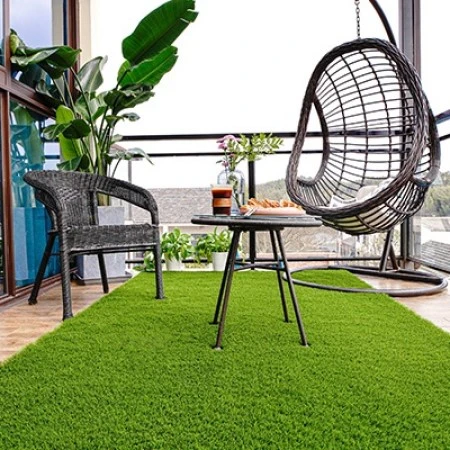
Artificial grass is a great alternative to natural lawns—low maintenance, evergreen, and ideal for hot climates like Dubai. But while it doesn’t require mowing or watering, it does need regular cleaning to keep it looking vibrant and hygienic. From removing debris to dealing with pet waste and odor, this guide covers everything you need to know about maintaining your synthetic lawn.
Why Cleaning Artificial Grass Is Important
Aesthetic Appeal – Keeps the turf looking lush, green, and natural. Dirty grass quickly loses its charm.
Hygiene – Regular cleaning removes bacteria, dust, and potential allergens. This is especially important if you have children or pets.
Durability – Dirt buildup and neglect can wear down the blades and infill material, reducing the turf’s life.
Safety – Eliminates the risk of slippery patches, especially when organic waste starts to break down.
Odor Control – Without regular cleaning, artificial grass can develop unpleasant smells, especially in high-traffic or pet-heavy areas.
Types of Artificial Grass and Their Cleaning Needs
Not all synthetic lawns are made the same. Here’s a quick breakdown:
Nylon Grass – Very durable and resistant to heat, but can be abrasive. Needs careful brushing to avoid damage.
Polyethylene Grass – Soft and vibrant. Suitable for homes, playgrounds, and sports fields. Regular brushing is essential.
Polypropylene Grass – Budget-friendly but less durable. Requires gentle cleaning to maintain shape and color.
Understanding the material helps in selecting the right cleaning tools and methods.
Tools and Supplies You’ll Need
Stiff broom or artificial turf brush
Garden hose
Leaf blower or plastic rake
Mild detergent or turf-specific cleaner
Enzyme cleaner (for pet waste)
Soft cloths or sponges
Bucket of warm water
Deodorizing spray (optional)
Power brush or vacuum (for deep cleaning)
Step-by-Step: How to Clean Artificial Grass
Step 1: Remove Debris
Use a leaf blower, plastic rake, or broom to clear leaves, twigs, and debris. This prevents buildup and promotes airflow in the turf.
Step 2: Rinse with Water
Use a garden hose to rinse the grass thoroughly. It removes dust and helps prevent bacteria growth—especially important in dusty regions like Dubai.
Step 3: Brush the Fibers
Regular brushing keeps turf blades upright. Use a stiff broom and brush in different directions to avoid matting and promote a uniform look.
Step 4: Spot Clean Stains
For food spills or dirt marks, apply mild detergent mixed with water. Gently scrub using a cloth or sponge and rinse with clean water.
Step 5: Pet Waste Cleanup
Solids: Remove with a poop scoop and dispose of properly.
Liquids (urine): Rinse immediately, then apply an enzyme-based cleaner to neutralize bacteria and eliminate odors.
Step 6: Deodorize Turf (Optional)
Use turf deodorizer or a mixture of vinegar and water to eliminate lingering smells. This is especially helpful in areas used by pets.
Step 7: Dry and Inspect
Allow the turf to air dry. Inspect for missed spots, lingering smells, or flattened areas. Repeat spot cleaning if necessary.
Deep Cleaning and Maintenance Tips
Frequency: Deep clean every 2–3 months or more frequently if you have pets.
Use a Power Brush: These machines fluff up the grass and loosen embedded dirt.
Disinfect Safely: Use turf-safe disinfectants, especially after hosting events or during allergy seasons.
Avoid Harsh Chemicals: Bleach or alcohol-based products can degrade turf fibers.
Vacuuming: Some synthetic lawns allow for vacuuming with a turf-friendly machine—perfect for removing fine particles.
Seasonal Artificial Grass Maintenance in Dubai
Summer Care
Rinse more often to prevent heat buildup.
Remove sand and dust frequently to maintain color and texture.
Autumn/Winter Care
Clear fallen leaves to prevent decomposition.
Use gentle brushing to maintain blade structure in cooler weather.
Spring Cleaning
Ideal time for deep cleaning.
Use disinfectants to remove winter buildup and allergens.
Baking Soda Paste: Tackles small stains and absorbs smells.
Castile Soap: Natural and effective for everyday cleaning.
Always do a spot test before using any DIY mix to avoid discoloration.
Artificial Grass Maintenance Table
Task
Frequency
Purpose
Debris removal
Weekly
Prevent buildup, maintain appearance
Rinsing
Weekly
Remove dust, cool surface
Brushing
Biweekly
Prevent matting, maintain structure
Spot Cleaning
As needed
Remove stains and odors
Deep Cleaning
Every 2 - 3 months
Full refresh, kill bacteria
Deodorizing (Pet Areas)
Monthly or as needed
Eliminate odors and bacteria
When to Call in the Professionals
If your artificial grass has discoloration, persistent odors, matted areas, or hasn’t been cleaned for over 6 months, it may be time for a professional deep clean. Services like DubaiClean offer comprehensive turf cleaning using eco-friendly products and commercial-grade tools.
Professional turf cleaning can include:
Power brushing and vacuuming
Anti-bacterial treatments
Pet odor removal
Edge and seam inspection
Common Mistakes to Avoid
Using Metal Tools: Can tear turf or disrupt infill.
Neglecting Regular Cleaning: Leads to stains, matting, and odors.
Using Bleach or Harsh Soaps: Breaks down fiber integrity.
Skipping Brushing: Causes flat spots and uneven appearance.
Frequently Asked Questions (FAQs)
{"@context":"https://schema.org","@type":"FAQPage","@id":"https://dubaiclean.com/how-to-clean-artificial-grass-keep-your-lawn-lush-and-fresh-all-year-round/","mainEntity":[{"@type":"Question","name":"<strong>1. How often should I clean my artificial grass?</strong>","acceptedAnswer":{"@type":"Answer","text":"For general maintenance, rinse and brush weekly. Deep cleaning should be done every 2–3 months."}},{"@type":"Question","name":"<strong><strong>2. Can I use a vacuum cleaner on artificial turf?</strong></strong>","acceptedAnswer":{"@type":"Answer","text":"Yes, but only turf-friendly vacuums designed to handle synthetic grass without damaging the blades."}},{"@type":"Question","name":"<strong> <strong>3. What’s the best cleaner for pet urine on artificial grass?</strong></strong>","acceptedAnswer":{"@type":"Answer","text":"Enzyme-based turf cleaners are the most effective for breaking down urine and removing odors."}},{"@type":"Question","name":"<strong>4. Is bleach safe for artificial grass?</strong>","acceptedAnswer":{"@type":"Answer","text":"No. Bleach and harsh chemicals can damage the fibers and lead to discoloration."}},{"@type":"Question","name":"<strong>5. Can artificial grass grow mold or mildew?</strong>","acceptedAnswer":{"@type":"Answer","text":"While rare, it can happen in areas with poor drainage or excessive moisture. Regular cleaning helps prevent this."}}]}
1. How often should I clean my artificial grass?
For general maintenance, rinse and brush weekly. Deep cleaning should be done every 2–3 months.
2. Can I use a vacuum cleaner on artificial turf?
Yes, but only turf-friendly vacuums designed to handle synthetic grass without damaging the blades.
3. What’s the best cleaner for pet urine on artificial grass?
Enzyme-based turf cleaners are the most effective for breaking down urine and removing odors.
4. Is bleach safe for artificial grass?
No. Bleach and harsh chemicals can damage the fibers and lead to discoloration.
5. Can artificial grass grow mold or mildew?
While rare, it can happen in areas with poor drainage or excessive moisture. Regular cleaning helps prevent this.
Final Thoughts
Artificial grass may be low maintenance, but it’s not maintenance-free. A clean, fresh-looking turf not only adds beauty to your space but also improves hygiene, especially in climates like Dubai where dust and heat are constant. Consistent cleaning prevents long-term issues and keeps your lawn looking brand new.
Whether you manage your lawn on your own or schedule a professional service, remember: regular care = lasting value. For hassle-free upkeep, trust the experts at DubaiClean to keep your synthetic turf spotless year-round.