Concrete Water Tank Cleaning: Special Considerations and Best Practices
DCS Cleaning Services
Concrete Water Tank Cleaning: Special Considerations and Best Practices
Usman Tayyab
February 14, 2025
5 min read
Share:
Introduction
Concrete water tanks are widely used, especially in homes, businesses, and factories. They are strong and can store a lot of water, making them essential for everyday use. But over time, these tanks can collect dirt, dust, and even harmful bacteria, which can affect the quality of the water.
That’s why cleaning concrete water tanks is so important. In a city like Dubai, where clean water is essential for good health, keeping your water tank clean is a must. This article will show you the best ways to clean your concrete water tank, particularly RCC (Reinforced Cement Concrete) tanks. We'll also give you helpful tips on how to keep your water tank in top condition. Read more about tank cleaning and disinfection methods.
Common Contaminants in Concrete Water Tanks
Concrete water tanks are strong and reliable, but over time, they can collect different types of contaminants. Knowing what these are is key to keeping your water safe and clean. In Dubai, where the heat is intense and dust is common, cleaning your water tank is even more important. Here are some of the most common things that can contaminate your concrete water tank:
Algae and Bacteria: The warm, still conditions inside water tanks are perfect for algae and bacteria to grow. Algae love damp areas, especially in tanks with little sunlight or poor airflow. Harmful bacteria, like Legionella, can also develop and pose serious health risks if not cleaned regularly.
Sediment and Debris: Over time, dirt and dust can settle in the tank, leading to sediment build-up. This can cause the water to change colour and develop unpleasant smells. If left unchecked, it can also block the water distribution system, creating clogs.
Mineral Deposits: In Dubai, the water is often hard, meaning it contains high amounts of minerals like calcium and magnesium. When water sits in the tank or evaporates, these minerals can leave deposits that not only affect the water’s taste but can also damage the tank over time.
Organic Matter: Leaves, twigs, and plant matter can enter your tank through open vents or cracks. As they break down, they can create a breeding ground for harmful microorganisms and make the water taste or smell bad.
Insects and Rodents: If your tank isn’t sealed properly, insects like mosquitoes and even rodents can get in. They bring bacteria and pathogens that can contaminate the water. Their waste can also make the water unsafe.
Chemical Contaminants: Sometimes, chemicals from nearby industrial activities or construction sites can seep into water tanks. These chemicals are dangerous and can seriously affect the water’s safety.
To avoid these contaminants, regular cleaning and maintenance of your concrete water tank is essential. By understanding what risks are involved, you can keep your water safe and clean for your home or business.
Step-by-Step Guide: How to Clean an RCC Water Tank
Cleaning your RCC (Reinforced Cement Concrete) water tank is important for keeping your water safe and ensuring the tank lasts longer. The process removes contaminants like sediment, algae, bacteria, and mineral deposits. Here’s a simple, step-by-step guide to help you clean your RCC water tank:
Preparation and Safety Measures
Safety First: Before you start, put on gloves, safety goggles, and a mask. These will protect you from dust, debris, and any chemicals used during the cleaning.
Turn Off Water Supply: Switch off the water supply to the tank to stop fresh water from coming in while you clean.
Empty the Tank: Drain all the water from the tank. You can use a pump or let gravity do the work. If the tank is big, you might want to hire a professional to handle this.
Inspect the Tank
Visual Check: Once the tank is empty, look inside carefully for cracks, leaks, or any damage. Fix any issues before continuing.
Look for Stains and Deposits: Check for stains, algae, mineral deposits, and sediment on the tank’s walls and floor.
Scrub the Tank Interior
Remove Loose Debris: Use a broom or brush to sweep out dirt and debris from the bottom of the tank.
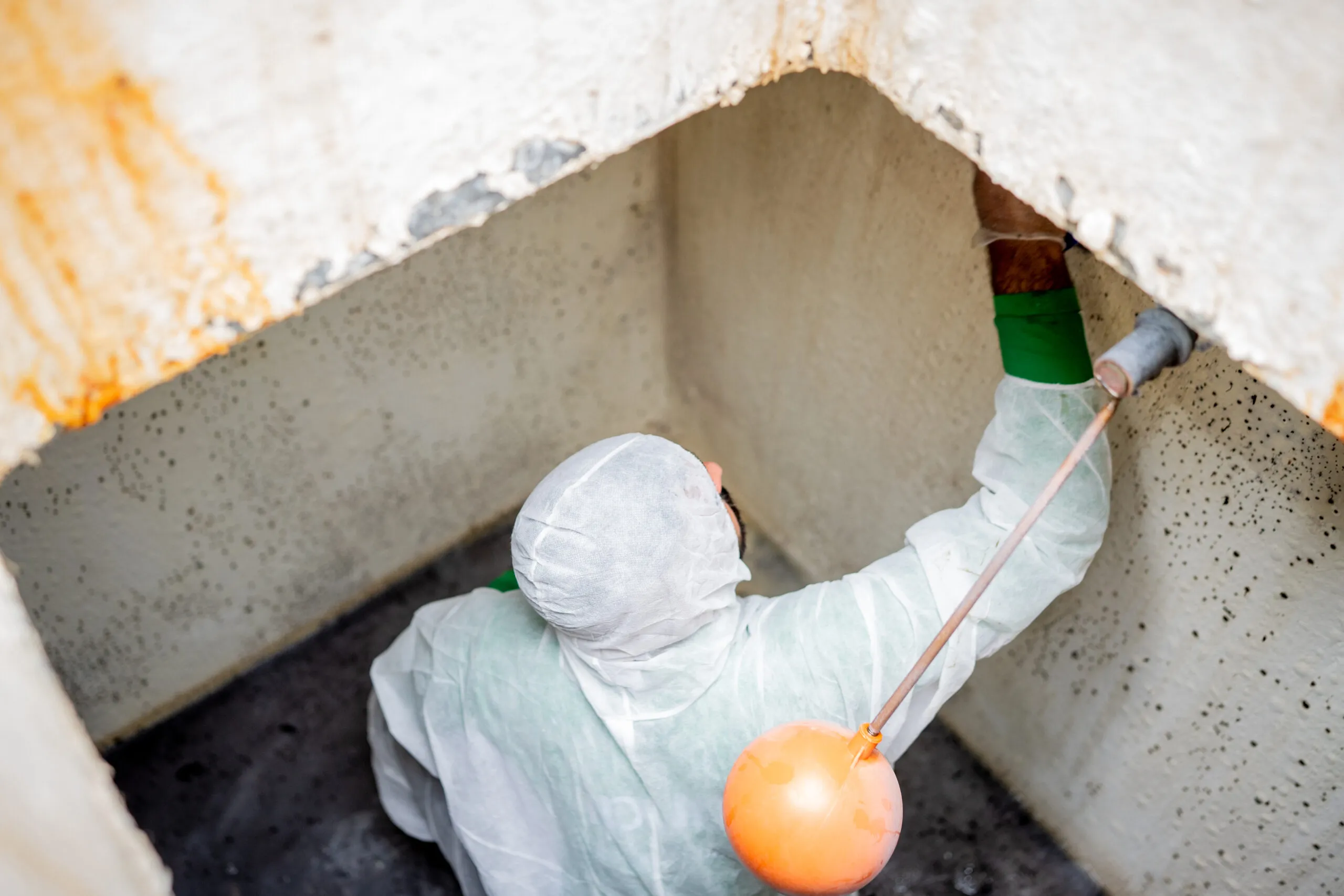
Scrub the Walls: With a long brush, scrub the tank walls to remove mineral deposits, algae, and dirt. You can use a mild detergent or water-based cleaner, but avoid harsh chemicals that could damage the tank.
Focus on Problem Areas: Spend extra time on areas with visible algae or bacteria, as these can affect the water quality.
Disinfection and Sanitisation
Prepare a Disinfectant Solution: Mix a 5% chlorine bleach solution with water. This will help kill harmful bacteria and pathogens.
Apply the Solution: Using a clean cloth or mop spread the disinfectant across all the tank surfaces, including the walls, corners, and floor. Let it sit for at least 30 minutes.
Rinse Thoroughly: After waiting, rinse the tank with clean water to remove any leftover chemicals. Make sure no disinfectant remains, as it could harm the water quality.
Clean the Tank Outlet and Inlet
Clean the Inlet and Outlet Pipes: Use a brush or pipe cleaner to remove any build-up or blockages from the inlet and outlet pipes. These parts are often overlooked but are important for ensuring clean water flow.
Inspect Valves: Check the valves for damage or leaks. Replace any faulty ones to keep the system clean and secure.
Refill the Tank
Allow the Tank to Dry: Let the tank dry out completely before refilling, especially if there’s any remaining moisture.
Refill the Tank: Once it’s dry, refill the tank with fresh water. Open the valves carefully and keep an eye on the water level to make sure everything is working properly.
Final Inspection and Maintenance Tips
Final Check: After refilling, look for any leaks or irregular water flow. Make sure the cleaning didn’t cause any new problems.
Schedule Regular Cleaning: Plan to clean your RCC water tank every 6 to 12 months, depending on water use and the environment. This helps keep your water fresh and your tank in good condition.
By following this simple guide, your RCC water tank will be clean, disinfected, and ready for use. Regular cleaning helps maintain water quality and prevent harmful build-up. If you’re unsure about any part of the process, you can always hire tank cleaners to do the job safely and efficiently.
Best Practices for Concrete Water Tank Maintenance
Maintaining an RCC (Reinforced Cement Concrete) water tank is crucial for ensuring its longevity, preserving water quality, and preventing damage. Proper maintenance reduces the risk of contamination, protects the tank structure, and ensures a safe water supply. Below are some essential best practices for maintaining your concrete water tank:
Regular Cleaning
Clean the Tank Annually: Schedule a comprehensive cleaning of your concrete water tank at least once a year. This helps to remove sediment, algae, mineral deposits, and other contaminants that can compromise water quality.
Use Safe Cleaning Agents: Opt for non-toxic cleaning agents such as chlorine or vinegar. Avoid harsh chemicals that could damage the tank or pollute the water.
Drain Completely Before Cleaning: Always drain the tank fully before cleaning to access all surfaces, corners, and the tank floor properly.
Inspect for Cracks and Leaks
Check for Structural Damage: Regularly inspect the tank for cracks, leaks, or any signs of wear. Extreme weather conditions can accelerate the deterioration of concrete tanks. Cracks can let in contaminants or cause water loss.
Repair Immediately: Fix any cracks or leaks promptly. Use waterproof sealants or hire professionals to address significant damage. Unrepaired cracks can worsen, leading to more expensive repairs or water contamination.
Maintain Proper Tank Sealing
Seal Openings Properly: Ensure that the tank's inlet, outlet, and ventilation openings are sealed tightly when not in use. This prevents debris, dust, and pests from entering the tank.
Use Protective Covers: Install protective covers or screens on the inlet and outlet pipes to block debris and insects, reducing the risk of contamination from pests like rodents.
Monitor Water Quality
Check for Sediment Buildup: Regularly monitor the water quality for signs of sediment accumulation or discolouration. Sediment buildup can indicate filtration issues or blockages.
Conduct Water Testing: Periodically test the water for harmful contaminants like bacteria or chemicals. In hot climates, water quality can degrade, so regular testing ensures it remains safe for consumption.
Protect Against Algae and Bacterial Growth
Limit Sunlight Exposure: Reduce the amount of direct sunlight hitting the tank, as sunlight promotes algae growth, leading to discolouration and unpleasant odours. If possible, use a cover or place the tank in a shaded area.
Use Algaecides (If Necessary): In some cases, algaecides can prevent algae growth. Ensure the chemicals used are safe for water storage and won’t affect water quality.
Keep the Surrounding Area Clean
Maintain the Surrounding Environment: Keep the area around your water tank free from debris, which can easily be blown into the tank and cause contamination. Cleanliness around the tank is key to reducing contamination risks.
Ensure Proper Ventilation: Proper airflow around the tank is crucial to prevent moisture buildup, which can lead to mould or bacterial growth inside the tank.
Check for Proper Drainage
Ensure Adequate Drainage: Make sure the tank’s drainage system functions properly to avoid stagnant water accumulation around the tank. This helps prevent mould growth and potential structural damage.
Clear Blockages Regularly: Routinely inspect and clear any blockages in the drainage pipes or outlets. Blocked drains can cause water to pool, leading to further issues.
Proper Water Intake Management
Filter Incoming Water: Use filtration systems to reduce debris and contaminants entering the tank. A pre-filter on the water inlet can help minimize the dirt that accumulates in the tank.
Avoid Contaminated Sources: Ensure that the water entering the tank is from a clean, safe source. For potable water, make sure to filter and treat it before storing it.
Install Overflow Protection
Prevent Spillage: Install an overflow pipe or drainage system to avoid spillage during heavy rainfall or when the tank reaches capacity. Overflow systems help prevent contamination from external sources and maintain the tank’s functionality.
Professional Maintenance and Inspection
Hire Experts for Regular Inspections: Schedule professional inspections to ensure the tank remains in top condition. A professional can detect issues that may be overlooked and provide timely solutions before they become major problems.
Consider Professional Cleaning Services: For large or complex tanks, consider hiring professional cleaning services. They have the tools and expertise to clean and disinfect the tank thoroughly and safely.
By following these best practices, you can ensure your concrete water tank stays in optimal condition, providing clean, safe water and extending the tank's lifespan. Regular maintenance not only helps improve water quality but also safeguards your investment in the tank’s long-term functionality.
How to Choose Professional Water Tank Cleaning Services in Dubai
Choosing a professional tank cleaning service is crucial for maintaining the hygiene, safety, and efficiency of your water storage system. With many service providers in the market, selecting one that meets your needs is essential. Here’s a guide to help you choose the right service provider for your concrete tank cleaning needs:
Check for Certifications and Licensing
Ensure Compliance: Confirm that the cleaning service is licensed and adheres to regulations set by local authorities, such as the Dubai Municipality. Certified providers follow industry standards, ensuring safe and effective cleaning.
Experienced Technicians: Opt for services with qualified technicians trained in proper cleaning techniques and safety protocols.
Consider Reputation and Reviews
Read Customer Reviews: Explore reviews and testimonials online via websites, social media, and review platforms. A reputable company will have positive feedback from previous clients.
Ask for References: Don’t hesitate to ask the company for references. Speaking to past clients can provide valuable insights into the quality of service.
Evaluate the Cleaning Process
Thorough Cleaning Methods: Ensure the company uses a comprehensive cleaning process, including draining, scrubbing, disinfecting, and sanitizing your water tank.
Use of Safe Chemicals: Confirm that non-toxic, eco-friendly cleaning agents are used, especially if the tank stores potable water. These chemicals should not leave harmful residues that could compromise water quality.
Experience with Concrete and RCC Tanks
Specialization in Concrete Tanks: RCC water tanks require specific cleaning techniques. Ensure the service provider has experience cleaning concrete or RCC tanks and understands the unique challenges involved.
Tailored Solutions: The company should offer customized cleaning based on your tank’s size, type, and condition.
Check Equipment and Tools
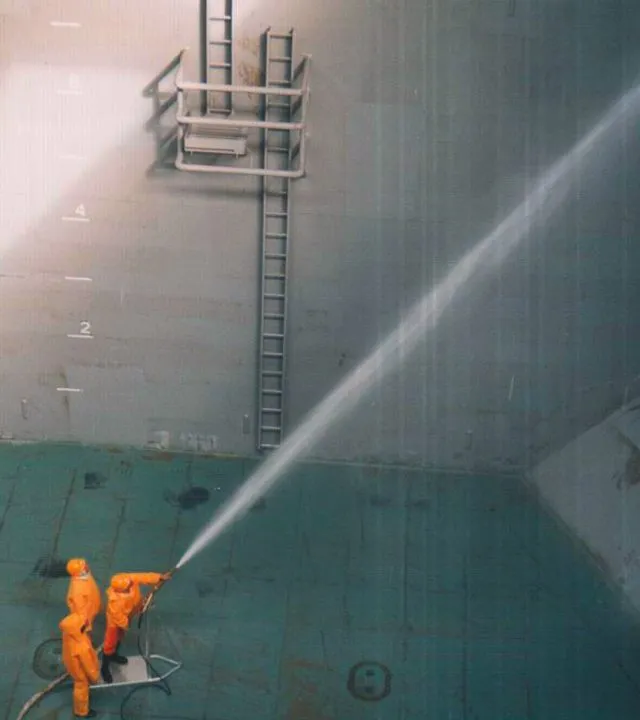
Modern Cleaning Equipment: Ensure the company uses advanced tools and equipment, such as high-pressure water jets, scrubbers, and specialized vacuums, for effective tank cleaning.
Technology for Safety: Some companies use video inspection technology to assess the tank’s condition before and after cleaning. This allows for detailed evaluations and ensures the cleaning process is documented.
Compare Pricing and Services Offered
Transparent Pricing: Obtain detailed quotes from different service providers and compare them. Pricing should reflect the complexity and size of the cleaning job. Be cautious of unusually low prices, as these may indicate subpar service.
All-Inclusive Packages: Check if the company offers all-inclusive packages covering inspection, cleaning, disinfection, and post-cleaning maintenance. Some companies also provide discounts for regular maintenance contracts.
Check Availability and Flexibility
Timely Service: Choose a provider that offers reliable and timely services, especially given the impact of climate on water storage systems.
Flexible Scheduling: Opt for a company that can accommodate your schedule, especially if you have a large tank or at specific times when you need minimal water usage.
Assess Customer Support
Excellent Communication: Select a company that communicates well and is responsive to your inquiries. They should be able to explain their process clearly and provide advice on water tank maintenance.
Post-Cleaning Support: A trustworthy company will offer post-cleaning support, including follow-up inspections or guidance on maintaining your tank until the next scheduled cleaning.
Ask About Insurance Coverage
Liability Coverage: Ensure the service provider carries liability insurance to cover potential damage to your tank during cleaning. This protects you from unforeseen incidents.
Accident Prevention: Check if the company follows safety guidelines and has insurance to protect both employees and your property.
Check for Additional Services
Additional Maintenance Services: Some cleaning companies also offer related services, such as tank repairs, routine inspections, and disinfection. Opting for a company that provides these services ensures comprehensive care for your water tank.
Emergency Services: In case of unexpected issues like bacterial contamination or leaks, consider choosing a company that offers emergency cleaning and maintenance services.
Conclusion
Maintaining a clean and functional concrete water tank is crucial for ensuring a reliable supply of safe water in a demanding climate. Regular cleaning and proper maintenance help prevent contamination, extend the tank's lifespan, and keep the water safe for use. By following best practices and selecting a reputable water tank cleaning service, you can protect your water quality and avoid potential issues in the future.
Whether you choose to clean your tank yourself or hire professionals, staying proactive with inspections, prompt repairs, and regular cleanings is key. By doing so, you can ensure that your water tank remains healthy and efficient for years to come.
{"@context":"https://schema.org","@type":"FAQPage","@id":"https://dubaiclean.com/auto-draft/","mainEntity":[{"@type":"Question","name":"<strong>Why is it important to clean a concrete water tank?</strong>","acceptedAnswer":{"@type":"Answer","text":"Cleaning a concrete water tank is essential for maintaining water quality. It prevents the buildup of harmful contaminants such as bacteria, algae, and sediment, ensuring that the water remains safe for consumption. Regular cleaning also extends the lifespan of the tank."}},{"@type":"Question","name":"<strong>How often should I clean my concrete water tank?</strong>","acceptedAnswer":{"@type":"Answer","text":"It is recommended to clean your concrete water tank at least once a year. However, depending on factors like water usage, local environmental conditions, and the tank's maintenance, more frequent cleanings may be necessary. Tanks with heavy sediment buildup or exposure to harsh weather may require cleaning every six months."}},{"@type":"Question","name":"<strong>What are the common contaminants found in concrete water tanks?</strong>","acceptedAnswer":{"@type":"Answer","text":"Common contaminants in concrete water tanks include dust, dirt, algae, sediment, mineral deposits, and bacteria. These contaminants can negatively impact water quality, leading to unpleasant odours or discolouration if not cleaned regularly."}},{"@type":"Question","name":"<strong>Can I clean my RCC water tank myself?</strong>","acceptedAnswer":{"@type":"Answer","text":"While it’s possible to clean an RCC water tank yourself, professional cleaning services are recommended for thorough and safe cleaning. Experts use specialized tools, non-toxic disinfectants, and proper techniques to ensure the tank is fully sanitized without damaging its structure."}},{"@type":"Question","name":"<strong>What should I look for when choosing a water tank cleaning service?</strong>","acceptedAnswer":{"@type":"Answer","text":"When selecting a cleaning service, consider the company’s experience, certifications, reputation, and customer reviews. Ensure they use eco-friendly, safe chemicals and have liability insurance to cover potential damages during the cleaning process."}},{"@type":"Question","name":"<strong>How do professionals clean a concrete water tank?</strong>","acceptedAnswer":{"@type":"Answer","text":"Professional cleaners typically follow a multi-step process: draining the tank, removing debris, scrubbing surfaces, disinfecting with safe agents, and sanitizing the interior to ensure the water is clean and safe."}},{"@type":"Question","name":"<strong>How can I maintain my concrete water tank between cleanings?</strong>","acceptedAnswer":{"@type":"Answer","text":"Regularly inspect your tank for leaks or cracks, ensure proper sealing of openings, and monitor water quality. Keeping the surrounding area clean and preventing debris from entering the tank will also help maintain its cleanliness."}},{"@type":"Question","name":"<strong>Will cleaning a concrete water tank damage it</strong>","acceptedAnswer":{"@type":"Answer","text":"When performed by trained professionals, cleaning a concrete water tank will not cause damage. Regular cleaning helps prevent long-term wear by removing debris that could affect the tank's structure."}}]}
Why is it important to clean a concrete water tank?
Cleaning a concrete water tank is essential for maintaining water quality. It prevents the buildup of harmful contaminants such as bacteria, algae, and sediment, ensuring that the water remains safe for consumption. Regular cleaning also extends the lifespan of the tank.
How often should I clean my concrete water tank?
It is recommended to clean your concrete water tank at least once a year. However, depending on factors like water usage, local environmental conditions, and the tank's maintenance, more frequent cleanings may be necessary. Tanks with heavy sediment buildup or exposure to harsh weather may require cleaning every six months.
What are the common contaminants found in concrete water tanks?
Common contaminants in concrete water tanks include dust, dirt, algae, sediment, mineral deposits, and bacteria. These contaminants can negatively impact water quality, leading to unpleasant odours or discolouration if not cleaned regularly.
Can I clean my RCC water tank myself?
While it’s possible to clean an RCC water tank yourself, professional cleaning services are recommended for thorough and safe cleaning. Experts use specialized tools, non-toxic disinfectants, and proper techniques to ensure the tank is fully sanitized without damaging its structure.
What should I look for when choosing a water tank cleaning service?
When selecting a cleaning service, consider the company’s experience, certifications, reputation, and customer reviews. Ensure they use eco-friendly, safe chemicals and have liability insurance to cover potential damages during the cleaning process.
How do professionals clean a concrete water tank?
Professional cleaners typically follow a multi-step process: draining the tank, removing debris, scrubbing surfaces, disinfecting with safe agents, and sanitizing the interior to ensure the water is clean and safe.
How can I maintain my concrete water tank between cleanings?
Regularly inspect your tank for leaks or cracks, ensure proper sealing of openings, and monitor water quality. Keeping the surrounding area clean and preventing debris from entering the tank will also help maintain its cleanliness.
Will cleaning a concrete water tank damage it
When performed by trained professionals, cleaning a concrete water tank will not cause damage. Regular cleaning helps prevent long-term wear by removing debris that could affect the tank's structure.