







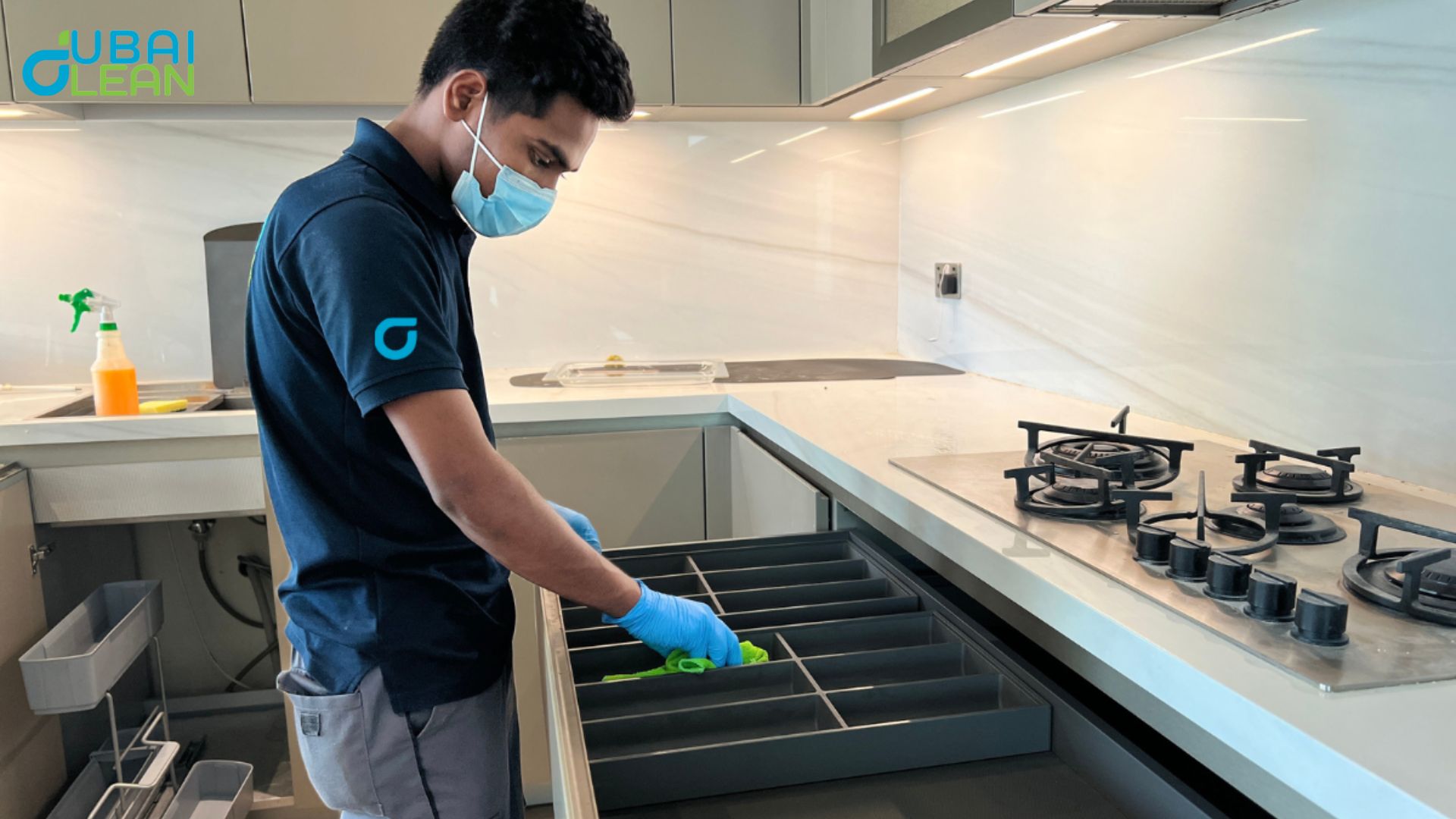

Kitchen cleaning is an essential daily routine that ensures food safety and maintains a hygienic cooking environment. In Dubai's warm climate, proper kitchen maintenance becomes even more crucial due to increased bacterial growth and humidity challenges. This comprehensive guide will help you master the art of kitchen cleaning with proven techniques and practical tips.
Begin by removing all items from countertops, including appliances, dishes, and utensils. This creates a clean workspace and allows you to access all surfaces effectively. Store items in their designated places to avoid clutter during the cleaning process.
Handle all dirty dishes first, either by loading them into the dishwasher or washing them by hand. This prevents food particles from hardening and makes the overall cleaning process more efficient.
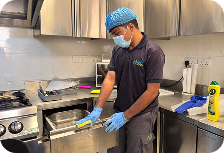
Wipe down all appliances including the microwave, toaster, coffee maker, and blender. Don't forget to clean inside the microwave and empty the crumb tray from your toaster. These small appliances often harbor bacteria and food residue.
Use appropriate cleaning agents to disinfect all countertops, cutting boards, and food preparation surfaces. Pay special attention to areas around the sink and stove where bacteria tend to accumulate.
Remove burner grates and drip pans if possible, then clean them separately. Wipe down the stovetop surface and clean the oven interior if needed. This step is crucial for preventing grease buildup and maintaining appliance efficiency.
Scrub the sink thoroughly with disinfectant, including the faucet and handles. The kitchen sink harbors more bacteria than most toilet seats, making this step essential for food safety.
Finish by sweeping up crumbs and debris, then mop the floor with appropriate cleaning solution. Pay attention to corners and areas under appliances where dirt tends to accumulate.
The proper kitchen cleaning method follows a systematic top-to-bottom approach. Start with the highest surfaces and work your way down to prevent recontamination of already-cleaned areas.
Always clean from top to bottom and from inside to outside. This prevents dust and debris from falling onto already-cleaned surfaces. Use separate cleaning tools for different areas to avoid cross-contamination.
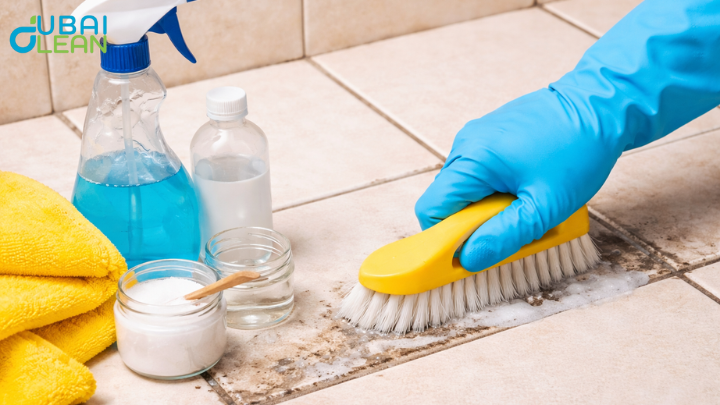
Gather all necessary supplies before starting: microfiber cloths, disinfectant sprays, dish soap, baking soda, white vinegar, and appropriate scrubbing tools. Having everything ready ensures efficient cleaning without interruptions.
In Dubai's hot climate, bacteria multiply rapidly. Use warm water for cleaning as it helps dissolve grease and kills germs more effectively than cold water. Ensure proper ventilation during cleaning to prevent moisture buildup.
Put on gloves and ensure adequate ventilation. Remove all food items from surfaces and turn off electrical appliances. This preparation phase is crucial for both safety and efficiency.
Remove all items from countertops and organize them properly. This includes storing appliances, clearing dish racks, and removing any unnecessary items that impede the cleaning process.
Apply appropriate cleaning agents to all surfaces and allow them to work for the recommended time. This includes countertops, backsplashes, cabinet fronts, and appliance exteriors.
Scrub all surfaces thoroughly, paying special attention to areas with visible stains or grease buildup. Use different cleaning tools for different surfaces to maintain hygiene standards.
Inspect all cleaned areas for missed spots and ensure everything is properly dried. Proper drying prevents water spots and reduces the risk of bacterial growth in Dubai's humid climate.
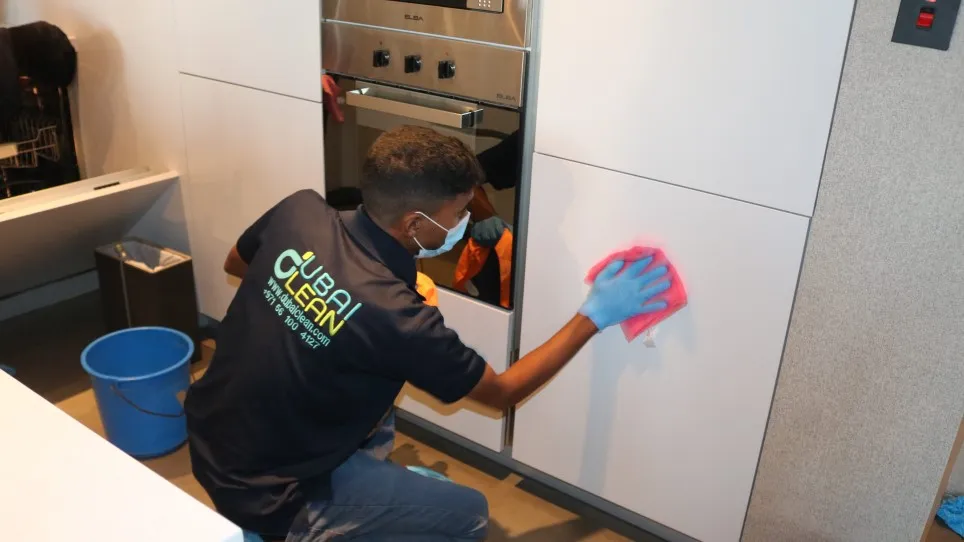
Evaluate the kitchen's condition and identify areas requiring special attention. This helps prioritize tasks and ensures no area is overlooked during the cleaning process.
Separate items into categories: keep, store, and discard. This organization step makes the actual cleaning more efficient and helps maintain long-term kitchen organization.
Remove dust from all surfaces, including light fixtures, cabinet tops, and decorative items. Use microfiber cloths to trap dust effectively without spreading it to other areas.
Apply cleaning solutions and scrub surfaces thoroughly. Use appropriate pressure and tools for different materials to avoid damage while ensuring effective cleaning.
Apply disinfectant to all surfaces that come into contact with food. This step is particularly important in Dubai's climate where bacteria thrive in warm, humid conditions.
Complete the process by polishing stainless steel surfaces and ensuring everything is completely dry. This final step gives your kitchen a professional, spotless appearance.
Select cleaners appropriate for specific surfaces and materials. Different surfaces require different cleaning agents - what works for countertops may damage cabinet finishes or appliance surfaces.
Apply cleaners evenly and allow appropriate contact time for maximum effectiveness. Read manufacturer instructions carefully, as different products require different application methods and dwell times.
Always ensure proper ventilation and wear protective gear when using chemical cleaners. In Dubai's enclosed spaces with air conditioning, proper ventilation is essential to prevent chemical buildup.
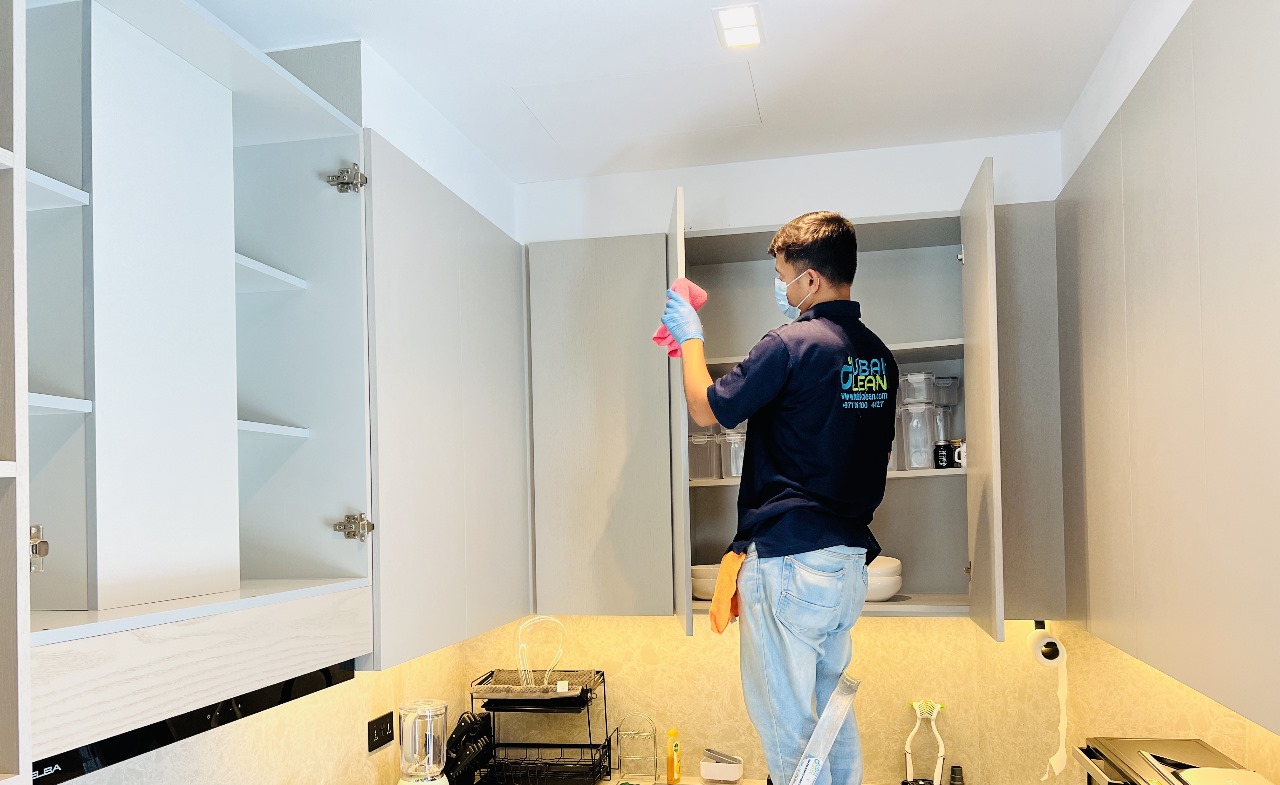
Collect all necessary cleaning supplies and protective equipment. Prepare the workspace by removing obstacles and ensuring good lighting for thorough cleaning.
Clear all surfaces of items, debris, and visible dirt. This preliminary step makes the actual cleaning process more effective and prevents recontamination.
Use appropriate cleaning products for each surface type. Allow solutions to work for the recommended time to break down grease, stains, and bacteria effectively.
Use appropriate tools to scrub surfaces thoroughly. Different materials require different levels of agitation - gentle for delicate surfaces, more aggressive for heavily soiled areas.
Remove cleaning residue with clean water and dry all surfaces completely. Proper drying prevents water spots and reduces the risk of bacterial growth.
Commercial kitchens require higher hygiene standards than residential kitchens. Follow food safety regulations and maintain detailed cleaning logs to ensure compliance with health department requirements.
Each piece of commercial equipment requires specific cleaning procedures. Consult manufacturer guidelines for proper cleaning methods to maintain warranties and ensure food safety.
Establish regular cleaning schedules for different areas and equipment. High-traffic areas may require multiple cleanings per day, while some equipment needs weekly deep cleaning.
Schedule deep cleaning during off-peak hours when the kitchen won't be in use. Plan for 4-6 hours to complete a thorough deep clean, depending on kitchen size and condition.
Work methodically through each area, completing one section before moving to the next. This prevents fatigue and ensures no areas are overlooked during the intensive cleaning process.
Use professional cleaning techniques such as steam cleaning for grout, degreasing agents for range hoods, and specialized cleaners for different appliance types.
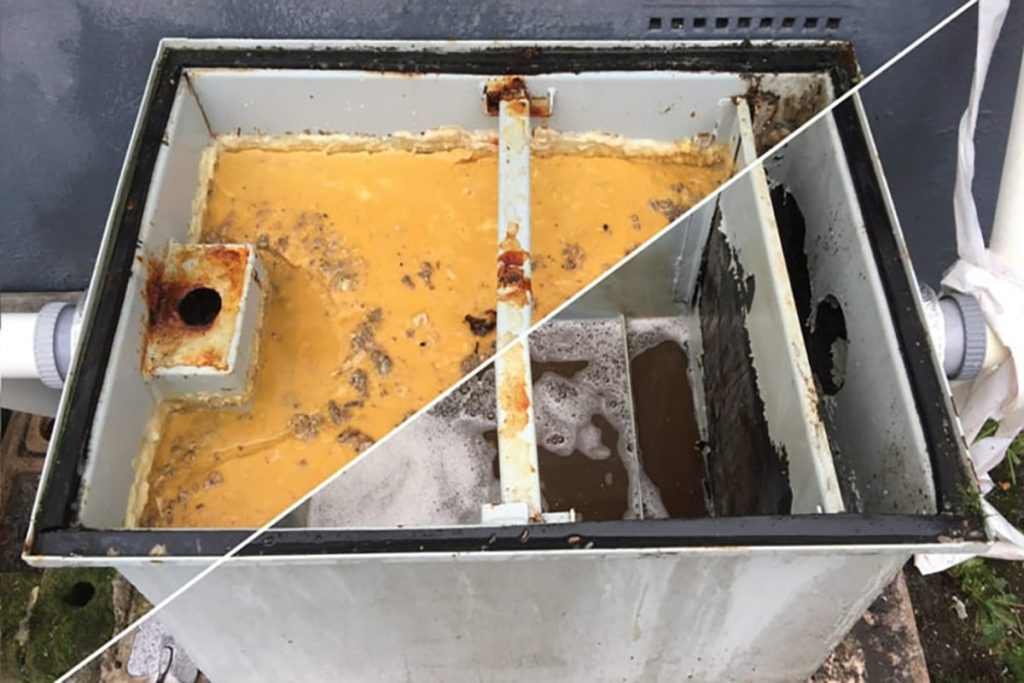
Heavy-duty degreasers break down cooking oils and grease buildup on surfaces and equipment. These are essential for maintaining range hoods, fryers, and other cooking equipment.
Sanitizers kill bacteria and other pathogens on food-contact surfaces. They're crucial for maintaining food safety standards and preventing foodborne illness.
General-purpose detergents clean dirt, food residue, and light grease from surfaces. They're versatile cleaners suitable for most kitchen cleaning tasks.
Specialized cleaners target specific problems like mineral deposits, rust stains, or particular types of equipment. These include oven cleaners, stainless steel polishers, and descaling agents.
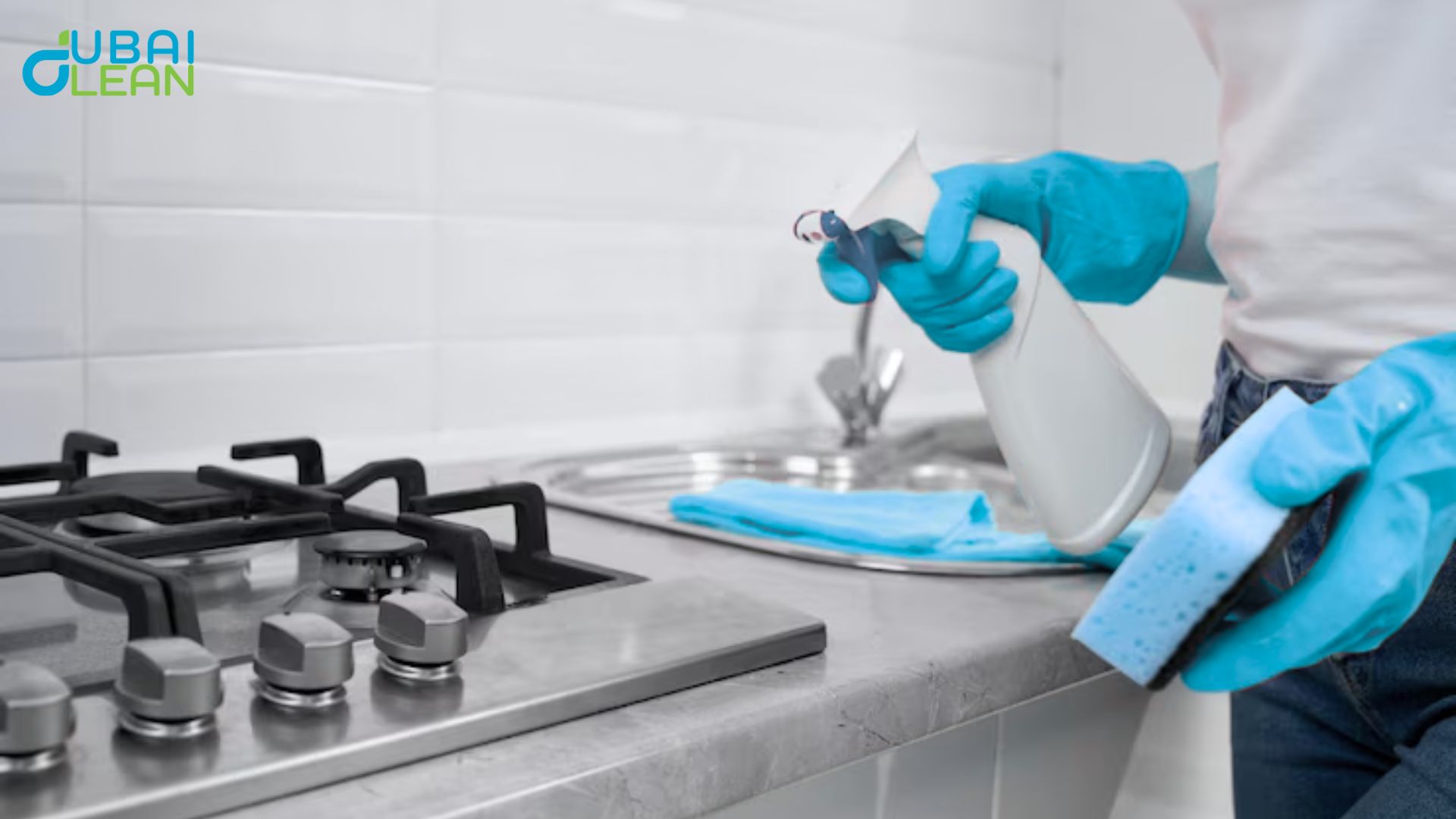
Different materials require different cleaning approaches. Stainless steel needs special polish, while granite countertops require pH-neutral cleaners to prevent damage.
Use separate cleaning tools and cloths for different areas. Color-coded cleaning supplies help prevent cross-contamination between raw food areas and ready-to-eat food zones.
Clean surfaces immediately after use when possible. Regular maintenance cleaning prevents buildup and makes deep cleaning easier and more effective.
Dubai's high humidity can promote bacterial growth and cause cleaning products to work differently. Use dehumidifiers if necessary and ensure proper ventilation during and after cleaning.
The warm climate may require more frequent cleaning, especially of areas prone to bacterial growth. Adjust your cleaning schedule based on usage and environmental conditions.
Choose cleaning products that work effectively in high-temperature, high-humidity environments. Some products may need longer contact times or different application methods in Dubai's climate.
Clarifying oil removes impurities and extends its usable life. This process is especially important in Dubai's climate where oils can become rancid more quickly due to heat and humidity.
Heat the oil gently and let sediment settle to the bottom. Carefully pour the clear oil through a fine strainer lined with cheesecloth to remove particles and impurities.
For large quantities, use settling tanks and filtration systems. Commercial operations may require specialized equipment to maintain oil quality and food safety standards.
Effective kitchen cleaning requires consistency, proper techniques, and the right tools for Dubai's unique climate challenges. By following these comprehensive guidelines and maintaining regular cleaning schedules, you can ensure a hygienic, efficient kitchen environment. Remember that proper kitchen maintenance not only ensures food safety but also extends the life of your appliances and creates a pleasant cooking space for you and your family.