







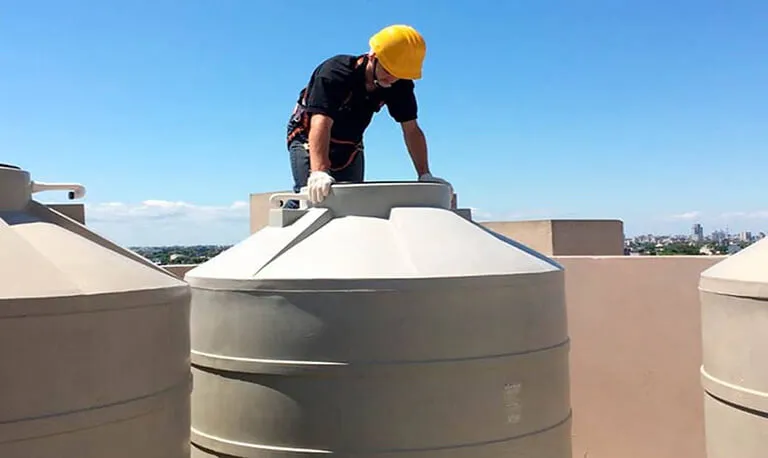

Water tank cleaning at home is essential for maintaining safe drinking water and preventing health risks in Dubai's hot climate. Regular cleaning ensures your family's health and extends your tank's lifespan. This comprehensive guide provides step-by-step instructions for effective home water tank maintenance.
Dubai's extreme temperatures and dust storms make regular water tank cleaning at home more important than ever. Contaminated tanks can harbor bacteria, algae, and sediments that pose serious health risks. Understanding proper cleaning methods helps maintain water quality and prevents costly repairs.
Neglected water tanks become breeding grounds for harmful microorganisms. These contaminants cause waterborne diseases, skin infections, and digestive problems. Regular cleaning eliminates these risks and ensures safe water consumption.
Proper maintenance extends tank life and prevents expensive replacements. Clean tanks also improve water pressure and reduce filter replacement frequency, saving money long-term.
Safety should be your top priority during cleaning. Wear protective clothing, ensure proper ventilation, and never enter confined spaces alone. Keep emergency contacts readily available.
Turn off water supply and electricity to pumps. Drain the tank completely and allow it to dry. Remove any visible debris or sediment manually before starting the cleaning process.
Refill the tank slowly and test water quality. Check for any unusual taste, odor, or color. Document the cleaning date for future reference.
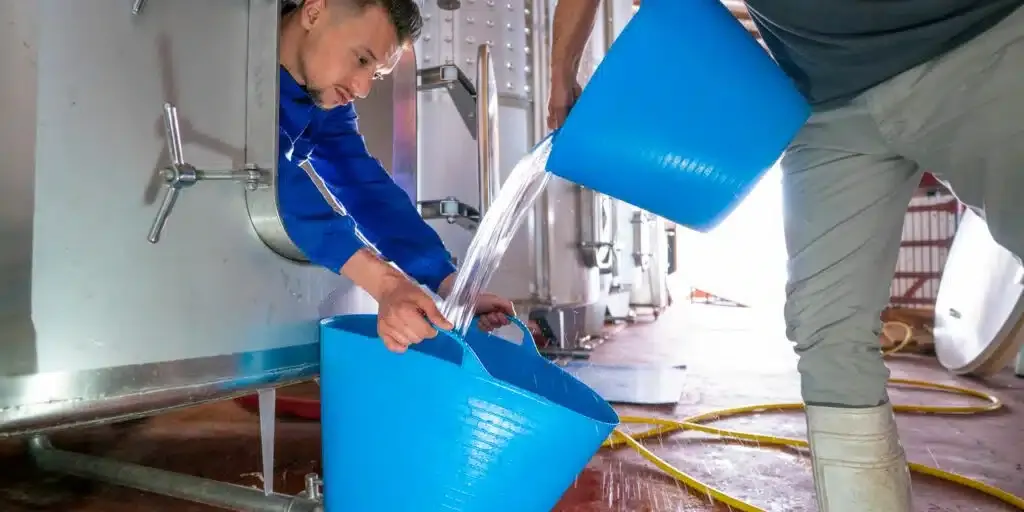
The simplest method involves draining, scrubbing with mild detergent, disinfecting with diluted bleach, and thorough rinsing. This basic approach works effectively for most residential tanks.
Water heater tanks require special attention due to heating elements. Turn off power, drain completely, remove sediment buildup, and flush with vinegar solution for mineral deposits.
Chlorine bleach remains the most effective and affordable disinfectant. Use one part bleach to ten parts water for safe sanitization. Alternatively, hydrogen peroxide provides eco-friendly cleaning power.
White vinegar effectively removes mineral deposits and kills bacteria. Baking soda paste works well for stubborn stains and algae removal without harsh chemicals.
Clean tanks every 3-6 months in Dubai's climate. Increase frequency during summer months when temperatures exceed 40°C. Monitor water quality regularly between cleanings.
Summer requires more frequent cleaning due to increased algae growth. Sandstorms also necessitate additional cleaning to remove dust and debris accumulation.
Approved cleaning agents include chlorine bleach, hydrogen peroxide, and specialized water tank disinfectants. Avoid harsh chemicals that might contaminate drinking water.
Yes, homeowners can safely clean their own tanks with proper equipment and precautions. However, large commercial tanks or complex systems may require professional assistance.
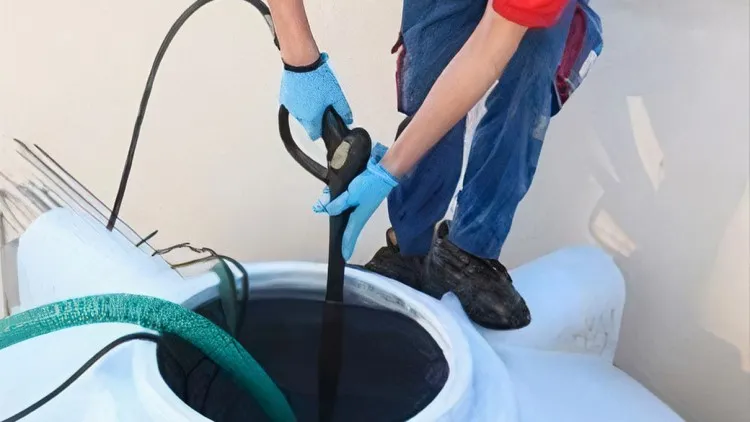
Always wear protective equipment including rubber gloves, safety goggles, and respiratory masks. Ensure adequate ventilation and never work alone in confined spaces.
Dispose of cleaning water responsibly and avoid contaminating soil or drainage systems. Use eco-friendly products when possible to minimize environmental impact.
Sodium hypochlorite (household bleach) is the most commonly used chemical for water tank disinfection. It effectively kills bacteria, viruses, and algae while remaining safe when properly diluted.
Strong odors indicate bacterial growth or chemical contamination. Increase disinfectant concentration and extend contact time. Multiple cleaning cycles may be necessary.
Brown or green water suggests corrosion or algae growth. Inspect tank materials and improve cleaning frequency. Consider upgrading to corrosion-resistant materials.
Neglected tanks develop serious contamination issues including bacterial growth, algae blooms, and sediment accumulation. This leads to health risks, unpleasant taste, system damage, and costly repairs.
Most residential tanks require cleaning every 3-6 months. Factors affecting frequency include water usage, climate conditions, tank material, and local water quality.
Purification involves filtration, chemical treatment, and UV sterilization. Start with physical removal of debris, then apply appropriate disinfectants, and consider installing filtration systems for ongoing purification.
Small residential tanks, accessible locations, and basic maintenance can be handled by homeowners. This saves money and provides better understanding of your water system.
Large tanks, difficult access, complex contamination, or safety concerns warrant professional intervention. Certified technicians have specialized equipment and expertise.
High-pressure cleaning removes stubborn buildup and improves efficiency. Use appropriate pressure settings to avoid damaging tank surfaces or seals.
Ultraviolet light provides chemical-free disinfection and prevents recontamination. Consider UV systems for ongoing water treatment and maintenance.
Simple test strips check chlorine levels, pH, and bacterial contamination. Regular testing ensures cleaning effectiveness and water safety between major cleanings.
Annual professional testing provides comprehensive water quality assessment. This identifies potential issues before they become serious problems.
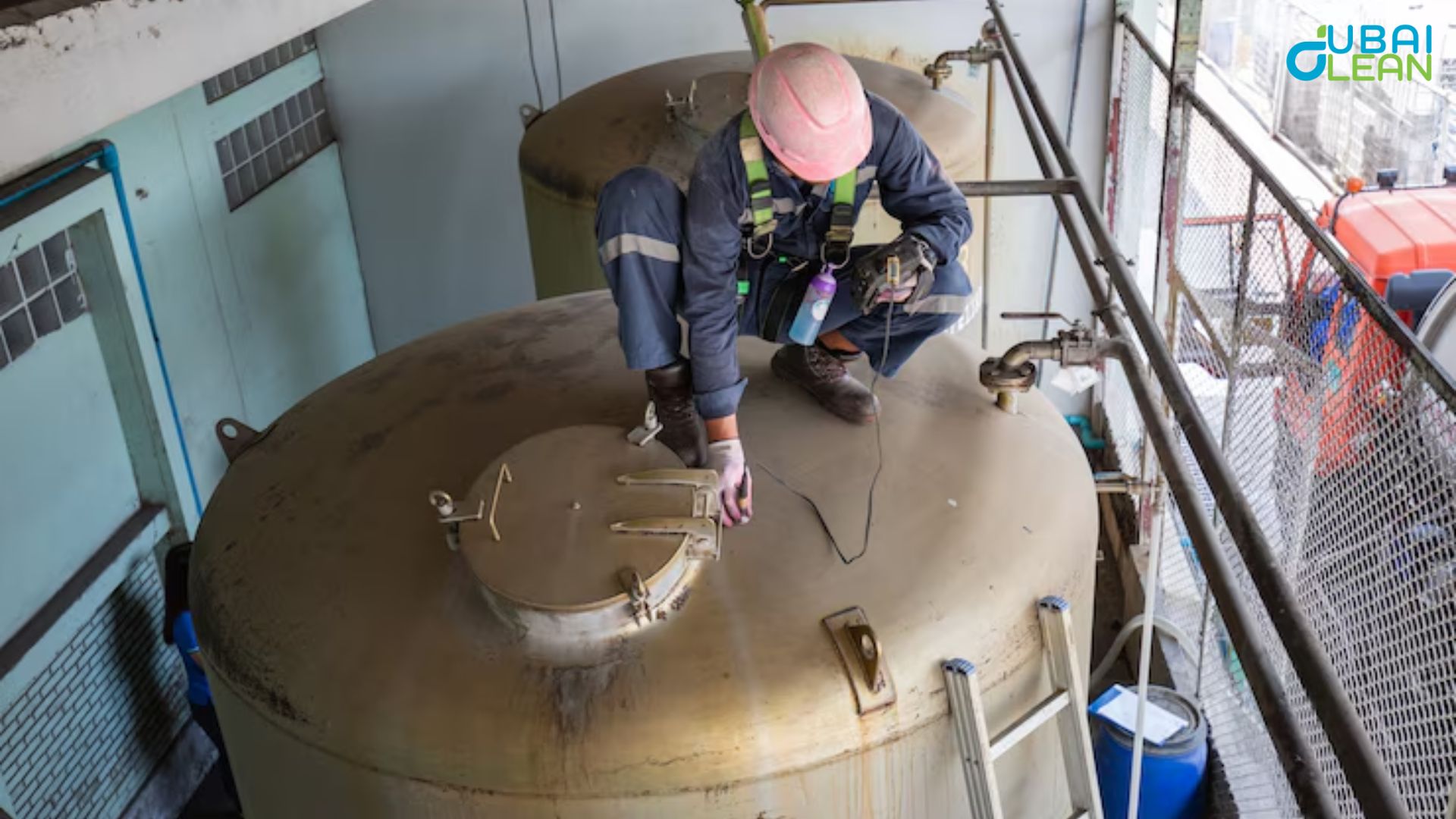
Monthly visual inspections catch problems early. Look for leaks, cracks, algae growth, or unusual deposits. Address issues promptly to prevent major problems.
Replace filters according to manufacturer recommendations. Clean pre-filters regularly and monitor system performance indicators.
Basic household items like bleach, vinegar, and baking soda provide effective cleaning at minimal cost. Invest in quality tools that last longer and work better.
Regular maintenance prevents expensive repairs and replacements. Quality cleaning products and equipment provide better results and save money over time.
Regular water tank cleaning at home protects your family's health and ensures safe drinking water in Dubai's challenging climate. Following proper procedures and safety measures makes this essential maintenance task manageable for most homeowners. Consistent cleaning schedules prevent serious contamination issues and extend your water system's lifespan.