What Are the Best Water Tank Treatment Solutions? Expert Recommendations
DCS Cleaning Services
What Are the Best Water Tank Treatment Solutions? Expert Recommendations
Usman Tayyab
February 13, 2025
5 min read
Share:
Introduction
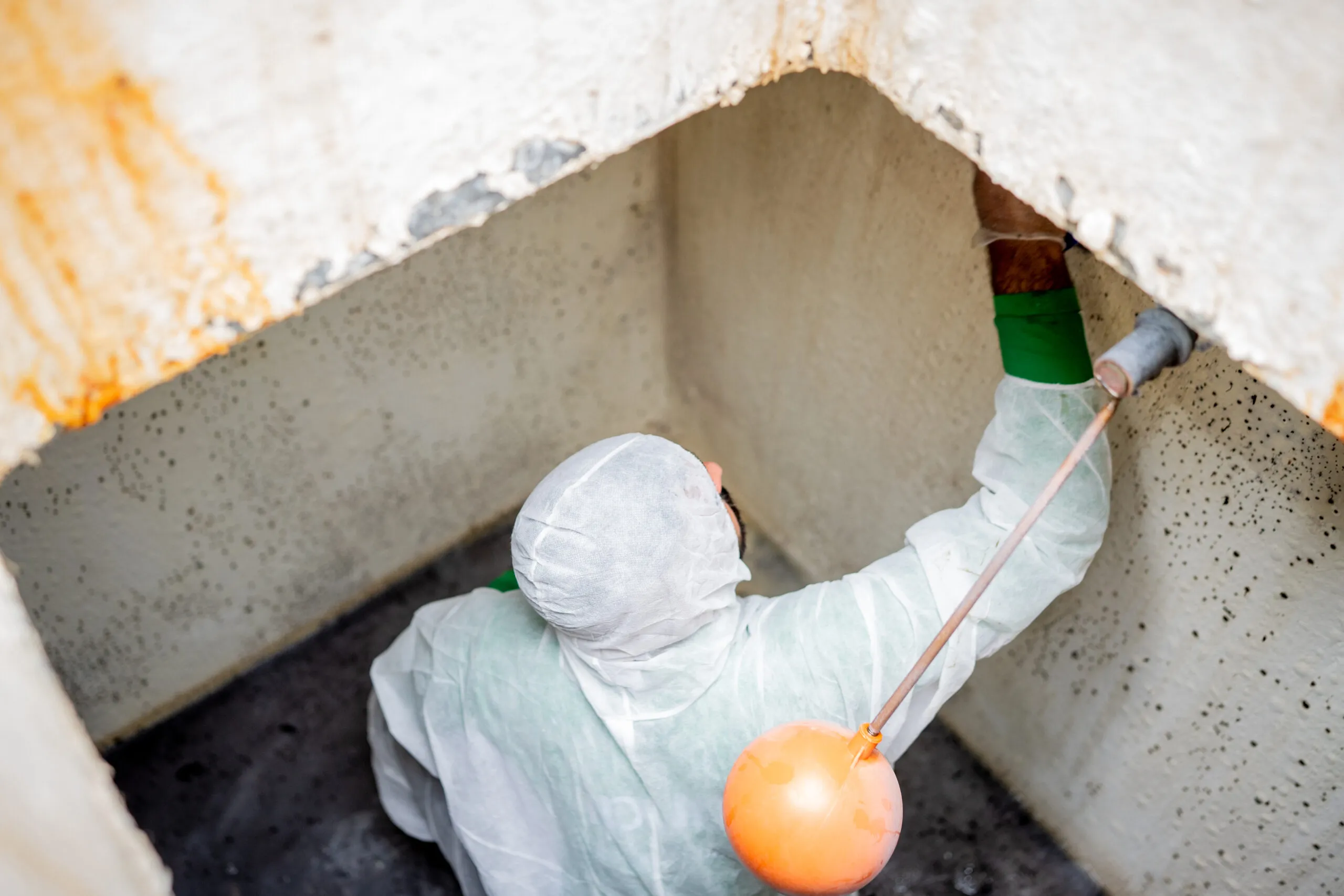
Dubai’s hot and dry weather makes it crucial to keep water tanks clean and safe. Water tank treatment helps prevent contamination, improves water quality, and extends the tank’s life. The city’s water has high mineral content, and the extreme heat can lead to bacterial growth, making regular treatment and disinfection a must.
Whether you have a water tank at home, in a business, or in an industrial space, choosing the right treatment kit is essential. It keeps your drinking water safe and ensures top water quality. In this guide, I’ll walk you through the best water tank treatment options. You’ll find expert tips and the best products to make water tank disinfection easy and effective. Read more about step-by-step tank cleaning and disinfections.
Top Water Tank Treatment Kits and Disinfection Methods
Keeping your water tank clean is all about using the right tools and chemicals to make sure the water stays safe to drink and free from harmful germs. Water quality can be affected by minerals, bacteria, and heat, so it's important to use the best treatment kits and disinfection methods. Let’s take a look at some of the best ways to keep your water tank clean and your water safe.
Chemical Dosing Systems: Ensuring Safe Drinking Water
Chemical dosing systems are one of the best ways to disinfect water tanks, especially in areas like Dubai with high mineral content. These systems slowly release disinfectants like chlorine into the water, keeping it sanitised over time. They’re especially helpful for large water tanks, where cleaning by hand isn’t practical.
Some popular options are:
Chlorine Dosing Pumps: These pumps add the right amount of chlorine to kill bacteria and pathogens. They're commonly used in homes and businesses.
Hydrogen Peroxide Dosing: For a more eco-friendly option, hydrogen peroxide works well to disinfect water without leaving harmful chemicals behind.
Ozone Treatment: A Chemical-Free Disinfection Option
Ozone treatment is a chemical-free way to disinfect water tanks. Ozone (O₃) is a powerful cleaner that kills bacteria, viruses, and other harmful organisms in the water. It works by introducing ozone gas into the tank, which reacts with and destroys contaminants, leaving clean, safe water.
UV sterilisation uses ultraviolet light to kill harmful microorganisms like bacteria and viruses. UV lamps expose the water to UV light, which damages the DNA of pathogens, making them harmless.
UV sterilisers are ideal for smaller water tanks, offering:
Rapid Disinfection: UV sterilisers work fast and can clean large amounts of water quickly.
Minimal Chemical Use: Since UV doesn’t use chemicals, it’s safe and eco-friendly.
Though UV sterilisers don’t remove particles like sediment or minerals, they are an excellent option for ensuring your water is free from harmful germs.
Manual Disinfection Kits: For Smaller Water Tanks
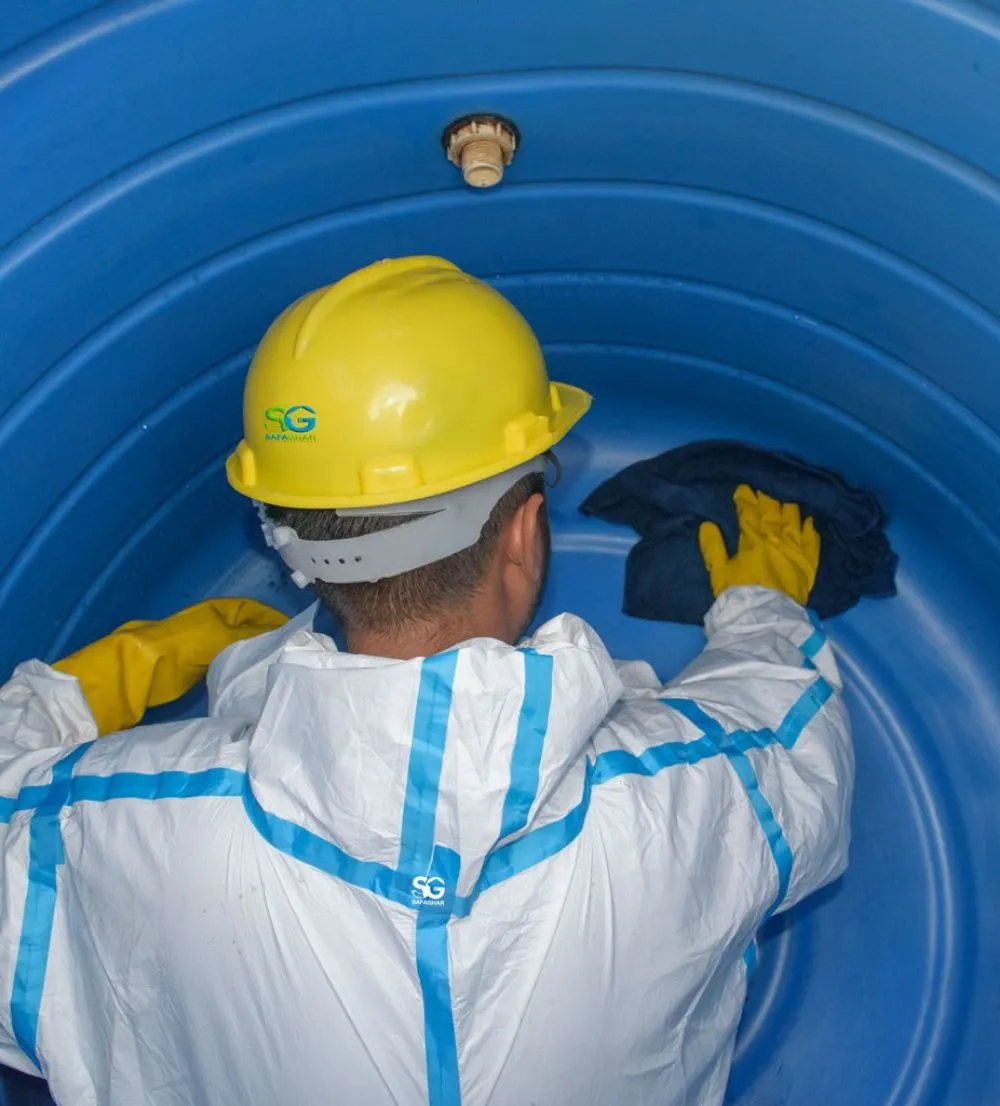
For small residential or personal water tanks, manual disinfection kits are an easy and affordable option. These kits usually come with disinfecting tablets or powders to sanitise the water. Some also include brushes, cleaning agents, and protective gear for cleaning the tank.
Benefits include:
Cost-Effective: Great for small water tanks, manual kits are easy on the wallet and simple to use.
Quick and Simple: These kits are made for DIY cleaning, so you can easily clean your tank without professional help.
Water Tank Cleaning Tablets and Powders
For regular maintenance, water tank cleaning tablets and powders are a quick and easy solution. They are usually made from chlorine, chlorine dioxide, or iodine compounds, which effectively disinfect water when mixed in.
Some popular choices are:
Chlorine Tablets: These are common and effective for eliminating bacteria and algae.
Iodine Tablets: Iodine is a strong disinfectant, often used for emergency water purification.
These products are perfect for smaller residential water tanks and are simple to use for regular cleaning and disinfection.
Choosing the Right Tank Treatment Kit for Your Needs
The best kit depends on factors like the size of your tank, the quality of your water, and whether you prefer chemical or chemical-free solutions. Here’s what to consider:
Tank Size: Large tanks may need chemical dosing or ozone treatment, while smaller ones might benefit from UV sterilisation or manual disinfection kits.
Water Quality: If your water has high mineral levels or regular microbial contamination, advanced treatments like ozone or chemical dosing may be necessary.
Environmental Impact: If you prefer eco-friendly options, ozone and UV treatments are great choices as they reduce chemical use.
By choosing the right treatment kit for your tank, you’ll ensure that your water is always safe and clean, whether at home or in your business.
Recommended Drinking Water Tank Cleaning Chemicals
Maintaining a clean and safe drinking water tank is vital, where water quality can be affected by various factors such as high temperatures, mineral deposits, and bacteria. Here are some of the most recommended drinking water tank cleaning chemicals to ensure your water remains clean, safe, and free from harmful contaminants:
Chlorine-Based Disinfectants
Chlorine is one of the most widely used disinfectants due to its powerful bactericidal properties. It effectively kills bacteria, viruses, and algae, making it ideal for water tank maintenance.
Popular Chlorine-Based Chemicals:
Sodium Hypochlorite (Bleach): A liquid form of chlorine that is highly effective, affordable, and easy to use for routine tank disinfection. It breaks down microorganisms and ensures safe water.
Calcium Hypochlorite: Available in granular or tablet form, calcium hypochlorite is a stronger disinfectant suitable for both residential and commercial tanks.
Advantages:
Effective against a broad range of pathogens.
Relatively low cost.
Easy to use.
Precautions:
Proper dilution is essential to avoid over-chlorination, which can lead to a strong taste or harm.
Hydrogen Peroxide
Hydrogen peroxide is a non-toxic, eco-friendly disinfectant that is an excellent alternative to chlorine. It decomposes into water and oxygen, leaving no harmful byproducts.
Benefits of Hydrogen Peroxide:
Non-toxic and safe for drinking water.
Effective against bacteria, viruses, and fungi.
Environmentally friendly.
Usage: It is typically used in concentrations of 3-6%. After adding it to the tank, allow it to sit for a few hours before flushing it out.
Iodine-Based Disinfectants
Iodine-based disinfectants are an alternative to chlorine and are effective in eliminating bacteria, viruses, and parasites.
Types of Iodine-Based Chemicals:
Povidone-Iodine: Often used in medical applications, it is safe for use in drinking water and effective at eliminating harmful pathogens.
Iodine Tablets: These are perfect for smaller tanks or emergencies.
Advantages:
Effective against a broad range of pathogens.
Does not produce harmful byproducts.
Precautions:
Iodine may leave a slight taste in the water, but it is typically harmless.
Quaternary Ammonium Compounds (Quats)
Quats are widely used disinfectants in food and beverage industries, as well as in water treatment. They are effective against bacteria, algae, and fungi.
Benefits of Quats:
Broad-spectrum activity, effective against various pathogens.
Non-corrosive and safe for plumbing and tanks.
Low toxicity.
Usage: Quats are usually available in concentrated liquid form and should be diluted appropriately before use.
Citric Acid
Citric acid is a natural cleaning agent that is excellent for removing scale and mineral deposits, which are common in Dubai's hard water.
Benefits of Citric Acid:
Highly effective for dissolving calcium and magnesium buildup.
Non-toxic and environmentally friendly.
Ideal for routine maintenance and cleaning.
Usage: Dilute citric acid in water to scrub the tank's interior or add it to the water to dissolve mineral deposits.
Algaecides and Fungicides
In humid or poorly ventilated conditions, algae and fungi can thrive in water tanks. Specialised algaecides and fungicides can help prevent their growth.
Types of Algaecides and Fungicides:
Copper Sulfate: Commonly used to control algae growth. However, it should be used with caution as excessive amounts can harm aquatic life.
Silver-Based Fungicides: Effective against fungal growth and preventing contamination.
Advantages:
Prevents algae and fungi growth.
Useful in high-humidity environments.
Precautions:
Some algaecides may cause a metallic taste in the water if not flushed properly.
Choosing the right water tank cleaning chemical is crucial for maintaining safe drinking water. Chlorine-based disinfectants, hydrogen peroxide, iodine, and quaternary ammonium compounds are great for routine disinfection, while citric acid and specialised algaecides help maintain the cleanliness of your tank’s interior. Always follow the manufacturer's instructions and proper dilution methods to ensure a healthy water supply for your home or business.
Best Leach Field Treatment Solutions
Leach fields play an essential role in the treatment of wastewater by filtering effluent from septic tanks and dispersing it into the soil. However, leach fields can become clogged or contaminated over time, where environmental factors can impact septic system performance. To keep your septic system functioning efficiently, the following leach field treatment solutions are highly effective in preventing clogs, improving drainage, and ensuring proper filtration:
Enzyme-Based Treatments
Enzyme-based treatments are a highly effective and eco-friendly solution for maintaining a healthy leach field. These treatments contain natural enzymes that break down organic waste, grease, and solids in both the septic tank and leach field, helping prevent clogging.
Benefits:
Non-Toxic and Safe: These treatments are safe for the environment as they do not contain harsh chemicals.
Improves Waste Breakdown: They accelerate the natural decomposition process, enhancing the treatment of organic waste.
Prevents Clogs: Enzymes break down waste, improving soil permeability and preventing clogging in the leach field.
Popular Products:
Bio-Remediation Enzyme Treatments
Septic Tank and Leach Field Cleaners
Bacterial Additives
Bacterial additives introduce specialised bacteria into the septic system that target and break down organic waste. The bacteria multiply over time, helping maintain the balance in the septic system and reducing the risk of clogging in the leach field.
Benefits:
Reduces Sludge Build-Up: They help prevent sludge buildup in the septic tank, which can otherwise clog the leach field.
Improves Soil Permeability: These bacteria break down organic materials that can block soil pores, enhancing filtration.
Safe and Sustainable: These products are natural and environmentally friendly.
Popular Products:
Septic Tank Bacteria Boosters
Septic System Restorers
Hydrogen Peroxide
Hydrogen peroxide is an oxidising agent that reduces organic buildup in the septic system, improving filtration and soil absorption.
Benefits:
Non-Toxic: Hydrogen peroxide decomposes into water and oxygen, making it safe for the environment.
Improves Effluent Quality: It reduces the organic load in the effluent, making it easier for the soil to treat wastewater.
Prevents Clogging: Regular use helps reduce the risk of clogging, extending the life of the leach field.
Usage: Hydrogen peroxide is typically diluted and can be added directly to the septic tank or leach field. Regular use helps maintain system performance.
Leach Field Additives with Oxygen-Releasing Compounds
These additives restore the natural oxygen levels in the leach field, promoting the growth of beneficial aerobic bacteria that break down waste more efficiently than anaerobic bacteria.
Benefits:
Restores Aerobic Conditions: They help reintroduce oxygen, improving waste breakdown and soil filtration.
Improves Filtration: Oxygenation enhances the leach field’s filtration capacity, preventing system failure.
Prevents Odors and Backups: Oxygenation reduces unpleasant odours and backups.
Popular Products:
Oxygen-Activated Leach Field Cleaners
Oxygen-Based Septic Treatments
Root and Grease Control Treatments
In certain cases, tree roots and grease buildup can interfere with the proper functioning of the leach field. These specialised treatments help control root intrusion and grease accumulation, ensuring optimal system performance.
Benefits:
Prevents Root Intrusion: Root control treatments stop roots from entering the leach field and septic system, preventing blockages.
Reduces Grease Build-Up: Grease control treatments dissolve grease and fat deposits, preventing them from clogging the system.
Popular Products:
Root Control Gel or Crystals
Grease Dissolvers
Regular maintenance and the use of effective leach field treatment solutions are key to ensuring your septic system operates efficiently. Whether you opt for enzyme-based treatments, bacterial additives, hydrogen peroxide, oxygen-releasing compounds, or root and grease control solutions, each method offers unique benefits for keeping your system in top condition. By using high-quality products, you can maintain proper drainage, improve filtration, and extend the life of your leach field, avoiding costly repairs in the future.
Expert Recommendations for Tank Treatment in Dubai
Water tank treatment is crucial for ensuring clean and safe water in residential and commercial properties, where the high temperatures and occasional water quality challenges demand regular and effective maintenance. Experts suggest several practices and products to enhance treatment, prevent contamination, and ensure the highest water quality.
Here are the top expert recommendations:
Regular Inspection and Cleaning
The first step to effective treatment is routine inspection and cleaning. Over time, sediment, algae, bacteria, and other contaminants can build up inside your water tank, compromising water quality. Scheduling professional inspections every 6 to 12 months ensures that any damage, corrosion, or contamination is identified early.
Why It’s Important:
Prevents Contamination: Regular cleaning removes accumulated debris, preventing the growth of harmful microorganisms.
Maintains Tank Integrity: Inspections detect structural issues like leaks or rust early, preventing costly repairs.
Improves Water Quality: A clean tank means better water quality and a safer drinking water supply.
Use of Water Tank Disinfection Solutions
Water disinfection is vital for eliminating bacteria, viruses, and harmful pathogens in your tank. Experts recommend using high-quality disinfectants that are designed specifically for potable water tanks.
Top Disinfection Methods:
Chlorine-Based Disinfectants: Chlorine effectively kills harmful bacteria and viruses in water, making it a popular option for periodic disinfection.
Hydrogen Peroxide: This oxygen-rich compound is environmentally friendly and helps break down contaminants in the water.
UV Treatment: UV light systems disinfect water without chemicals by disrupting the DNA of harmful microorganisms.
Why It’s Important:
Ensures Safe Drinking Water: Regular disinfection eliminates dangerous pathogens, ensuring your water is safe for consumption.
Prevents Algae Growth: Disinfection prevents algae buildup, which can cause unpleasant odours and water discolouration.
Eco-Friendly: UV treatments are chemical-free and environmentally friendly.
Treatment Kits for Ongoing Maintenance
The kits are a convenient way to maintain water quality. These kits contain a combination of disinfectants, cleaning agents, and maintenance tools for long-term water tank care.
Recommended Kits Include:
Algae and Bacteria Removers: Designed to treat water tanks prone to algae growth, keeping water clear and safe.
Odour Neutralizers: Special chemicals eliminate odours caused by stagnant or contaminated water.
Descaling Agents: These agents help remove lime scale and mineral deposits, improving water flow.
Why It’s Important:
Convenience: Treatment kits allow easy application for regular maintenance without professional assistance.
Comprehensive Care: These kits address multiple issues, such as cleaning, disinfecting, and ensuring optimal water quality.
Ensure Proper Ventilation and Sealing of Tanks
Proper ventilation and sealing are key to preventing contamination. Without ventilation, tanks can become breeding grounds for bacteria, while poor sealing may allow external contaminants to enter.
Expert Tips:
Ventilation Grills: Install proper ventilation to prevent moisture and heat buildup, which promotes bacterial growth.
Sealing the Tank: Ensure the tank is tightly sealed to keep out dust, insects, and debris. Use durable seals that won’t degrade over time.
Why It’s Important:
Prevents Contaminants: Proper sealing and ventilation reduce the risk of contamination.
Controls Temperature: Ventilation helps regulate water temperature, preventing bacterial growth.
Install Pre-Treatment Filters
Pre-treatment filters remove large particles, sediment, and some contaminants before the water enters your storage tank. This reduces the need for frequent deep cleaning and enhances the efficiency of your water tank disinfection system.
Types of Filters:
Sediment Filters: Remove dirt, sand, and rust from water before it enters the tank.
Activated Carbon Filters: These remove chlorine, organic compounds, and odours.
UV Filters: Some filtration systems combine UV treatment with physical filtration for added purification.
Why It’s Important:
Improved Water Quality: Pre-treatment filters help ensure cleaner water enters the tank, reducing the need for heavy disinfection.
Reduces Tank Wear: By filtering out contaminants, filters extend the life of your water tank and reduce maintenance costs.
Regular Monitoring of Water Quality
Regular water quality monitoring is vital to detect any changes or contaminants before they affect health. Testing water regularly helps ensure it meets safety standards.
Why It’s Important:
Ensures Consistent Water Quality: Regular testing ensures your water is always safe and meets health standards.
Early Detection of Issues: Testing for bacteria or harmful chemicals allows you to address problems before they affect water safety.
By following expert recommendations, you can ensure that your water supply remains clean and safe. Regular inspections, effective disinfection, proper sealing, and filtration are essential practices to maintain water quality. Investing in high-quality treatment solutions will not only improve the safety of your water but also extend the lifespan of your water storage system. Regular maintenance will safeguard your water quality and protect your health in the long run.
Conclusion
Water tank treatment is essential for maintaining clean and safe drinking water, particularly in Dubai’s unique environmental conditions. By following expert recommendations such as regular cleaning, using effective disinfectants, utilising water treatment kits, and ensuring proper tank ventilation, you can protect your water supply and ensure its safety for the long term.
Whether you choose professional services or DIY treatment kits, prioritising regular maintenance will help you avoid costly repairs, health risks, and contamination. Investing in the right treatment solutions not only enhances water quality but also extends the lifespan of your water tank, providing peace of mind knowing your water is safe and free from harmful pathogens. Read more about some unique ways to clean your water tanks.
Stay proactive with water tank treatment to ensure your water supply remains pure, clean, and healthy for you and your family.
{"@context":"https://schema.org","@type":"FAQPage","@id":"https://dubaiclean.com/what-are-the-best-water-tank-treatment-solutions-expert-recommendations/","mainEntity":[{"@type":"Question","name":"<strong>How often should I clean my water tank in Dubai?</strong>","acceptedAnswer":{"@type":"Answer","text":"It is recommended to clean your water tank at least once every 6 to 12 months. However, if you notice:<br>Foul odours or discolouration in the water,<br>Algae or sediment accumulation,<br>Waterborne illnesses in household members"}},{"@type":"Question","name":"<strong>How do you deep clean a tank?</strong>","acceptedAnswer":{"@type":"Answer","text":"Deep cleaning a water tank involves several key steps:<br><strong>Drain the Tank</strong>: Empty the tank.<br><strong>Scrub the Interior</strong>: Use a brush or high-pressure water jet to remove dirt and biofilm from the walls and floor.<br><strong>Apply a Cleaning Solution</strong>: Use a non-toxic detergent or baking soda solution to break down grime.<br><strong>Disinfect the Tank</strong>: Apply a chlorine solution or hydrogen peroxide to eliminate bacteria and algae.<br><strong>Rinse Thoroughly</strong>: Flush the tank multiple times with clean water.<br><strong>Refill and Test Water Quality</strong>: Once cleaned, refill the tank and test the water before use."}},{"@type":"Question","name":"<strong>How do I prevent bacteria in my water tank?</strong>","acceptedAnswer":{"@type":"Answer","text":"To prevent bacterial growth in your water tank:<br><strong>Regular Cleaning</strong>: Clean and disinfect the tank every 6 to 12 months.<br><strong>Use Disinfectants</strong>: Add chlorine or UV treatment to eliminate bacteria.<br><strong>Proper Sealing</strong>: Ensure the tank is covered and sealed to prevent contamination.<br><strong>Filtration System</strong>: Install pre-filters to remove impurities before water enters the tank.<br><strong>Maintain Proper Ventilation</strong>: Prevent stagnant conditions that encourage bacterial growth."}},{"@type":"Question","name":"<strong>Which chemical is used to disinfect a water tank?</strong>","acceptedAnswer":{"@type":"Answer","text":"The most commonly used chemicals for water tank disinfection include:<br><strong>Chlorine (Bleach Solution)</strong>: A widely used disinfectant that effectively kills bacteria, viruses, and algae.<br><strong>Hydrogen Peroxide</strong>: An eco-friendly alternative that eliminates organic contaminants.<br><strong>Potassium Permanganate</strong>: Helps oxidise iron and organic matter in the water.<br><strong>Ozone Treatment</strong>: A chemical-free disinfection method that effectively removes bacteria."}},{"@type":"Question","name":"<strong>How do you clean an underground water tank?</strong>","acceptedAnswer":{"@type":"Answer","text":"Cleaning an underground water tank involves:<br><strong>Pumping Out Water</strong>: Remove all water from the tank.<br><strong>Scrubbing and Jet Cleaning</strong>: Use a brush or high-pressure water jet to remove sediment and biofilm.<br><strong>Disinfection</strong>: Apply a chlorine or hydrogen peroxide solution and let it sit for at least an hour.<br><strong>Rinsing and Flushing</strong>: Rinse the tank multiple times to remove residual chemicals.<br><strong>Water Testing</strong>: Before refilling, test the water quality to ensure safety."}},{"@type":"Question","name":"<strong>How to clean a domestic water system?</strong>","acceptedAnswer":{"@type":"Answer","text":"<strong>Drain the System</strong>: Turn off the main supply and empty the water pipes.<br><strong>Apply Disinfectant</strong>: Use chlorine or hydrogen peroxide to flush the system.<br><strong>Flush with Clean Water</strong>: Rinse thoroughly to remove any remaining chemicals.<br><strong>Inspect and Replace Filters</strong>: Ensure all water filters are cleaned or replaced for continued efficiency.<br><strong>Regular Maintenance</strong>: Clean pipes, faucets, and storage tanks periodically to prevent contamination."}},{"@type":"Question","name":"<strong>How do you clean an overhead water tank?</strong>","acceptedAnswer":{"@type":"Answer","text":"<strong>Turn Off the Water Supply</strong>: Ensure no new water enters the tank.<br><strong>Drain the Tank</strong>: Empty the water.<br><strong>Scrub the Interior</strong>: Use a brush or high-pressure water to remove dirt and sludge.<br><strong>Disinfect with Chlorine or Bleach</strong>: Let the disinfectant sit for 1-2 hours.<br><strong>Rinse Thoroughly</strong>: Wash out all disinfectant traces before refilling.<br><strong>Regular Monitoring</strong>: Check for leaks, contamination, and sediment buildup every few months."}}]}
How often should I clean my water tank in Dubai?
It is recommended to clean your water tank at least once every 6 to 12 months. However, if you notice: Foul odours or discolouration in the water, Algae or sediment accumulation, Waterborne illnesses in household members
How do you deep clean a tank?
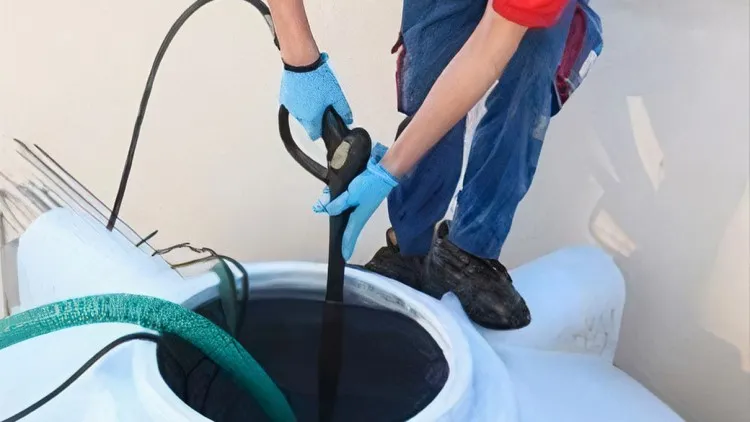
Deep cleaning a water tank involves several key steps: Drain the Tank: Empty the tank. Scrub the Interior: Use a brush or high-pressure water jet to remove dirt and biofilm from the walls and floor. Apply a Cleaning Solution: Use a non-toxic detergent or baking soda solution to break down grime. Disinfect the Tank: Apply a chlorine solution or hydrogen peroxide to eliminate bacteria and algae. Rinse Thoroughly: Flush the tank multiple times with clean water. Refill and Test Water Quality: Once cleaned, refill the tank and test the water before use.
How do I prevent bacteria in my water tank?
To prevent bacterial growth in your water tank: Regular Cleaning: Clean and disinfect the tank every 6 to 12 months. Use Disinfectants: Add chlorine or UV treatment to eliminate bacteria. Proper Sealing: Ensure the tank is covered and sealed to prevent contamination. Filtration System: Install pre-filters to remove impurities before water enters the tank. Maintain Proper Ventilation: Prevent stagnant conditions that encourage bacterial growth.
Which chemical is used to disinfect a water tank?
The most commonly used chemicals for water tank disinfection include: Chlorine (Bleach Solution): A widely used disinfectant that effectively kills bacteria, viruses, and algae. Hydrogen Peroxide: An eco-friendly alternative that eliminates organic contaminants. Potassium Permanganate: Helps oxidise iron and organic matter in the water. Ozone Treatment: A chemical-free disinfection method that effectively removes bacteria.
How do you clean an underground water tank?
Cleaning an underground water tank involves: Pumping Out Water: Remove all water from the tank. Scrubbing and Jet Cleaning: Use a brush or high-pressure water jet to remove sediment and biofilm. Disinfection: Apply a chlorine or hydrogen peroxide solution and let it sit for at least an hour. Rinsing and Flushing: Rinse the tank multiple times to remove residual chemicals. Water Testing: Before refilling, test the water quality to ensure safety.
How to clean a domestic water system?
Drain the System: Turn off the main supply and empty the water pipes. Apply Disinfectant: Use chlorine or hydrogen peroxide to flush the system. Flush with Clean Water: Rinse thoroughly to remove any remaining chemicals. Inspect and Replace Filters: Ensure all water filters are cleaned or replaced for continued efficiency. Regular Maintenance: Clean pipes, faucets, and storage tanks periodically to prevent contamination.
How do you clean an overhead water tank?
Turn Off the Water Supply: Ensure no new water enters the tank. Drain the Tank: Empty the water. Scrub the Interior: Use a brush or high-pressure water to remove dirt and sludge. Disinfect with Chlorine or Bleach: Let the disinfectant sit for 1-2 hours. Rinse Thoroughly: Wash out all disinfectant traces before refilling. Regular Monitoring: Check for leaks, contamination, and sediment buildup every few months.