


Builder dust is an unavoidable aftermath of any construction or renovation project. From small kitchen upgrades to full-home extensions, fine dust particles settle everywhere — on floors, furniture, electronics, and in the air. If you’re living in Dubai, where the climate already brings in external dust, builder dust becomes an even bigger challenge. So, how can you ensure your home is completely clean and safe after a build?
This blog takes a fresh look at how to eliminate builder dust effectively, especially in Dubai homes where indoor air quality and cleanliness matter most.
What Makes Builder Dust So Stubborn?
Unlike regular household dust, builder dust is composed of construction debris like:
- Drywall residue
- Sand and cement particles
- Plaster
- Sawdust
- Tile grout and grout haze
These materials break down into ultra-fine particles that settle in vents, crevices, fabrics, and electronics. Their stubbornness comes from how lightweight and spreadable they are. Even after visible dust is removed, microscopic debris often lingers in the air and on hidden surfaces, triggering allergies, damaging appliances, and lowering indoor air quality.
Additionally, builder dust can scratch delicate surfaces like polished tiles, stainless steel, or wood if not cleaned carefully. Improper cleaning methods can also push the dust deeper into cracks or fabric, making it harder to eliminate later.
6 Key Steps to Eliminate Builder Dust Thoroughly
1. Start Top to Bottom Cleaning
Dust settles downward, so always begin cleaning from the top of the room. Start with:
- Ceilings and crown molding
- Light fixtures and ceiling fans
- Walls and upper shelves
Move progressively downward to windows, furniture, and finally the floor. This technique ensures dust doesn’t re-settle on areas you’ve already cleaned.
2. Use Electrostatic and Microfiber Cloths
Microfiber and electrostatic cloths are designed to attract and hold onto dust particles, unlike traditional rags that often scatter dust around. Use them on:
- Picture frames
- Wood trims and edges
- Lamps and décor
- Wall art and mirrors
Change cloths regularly or clean them thoroughly between rooms to avoid re-contamination.
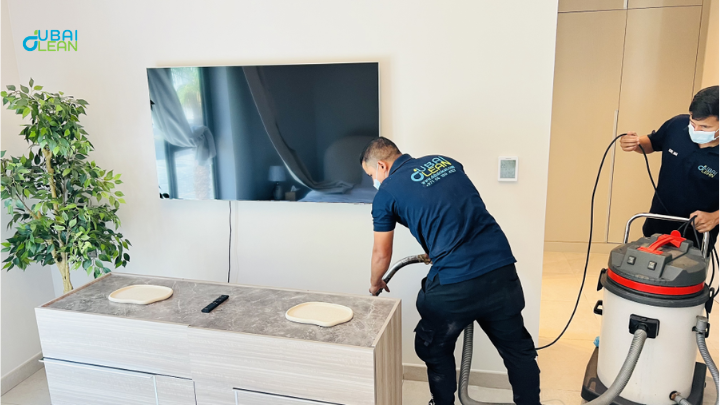
3. Vacuum in Layers with HEPA Filters
A powerful vacuum with a HEPA filter is crucial to trap ultra-fine dust. Here’s how to maximize your vacuuming routine:
- Go over high-traffic areas more than once
- Use specialized attachments for corners, baseboards, and crevices
- Vacuum upholstered furniture and curtains
- Vacuum mattresses and under beds
HEPA filters prevent fine particles from being released back into the air, making your cleaning more effective and healthier.
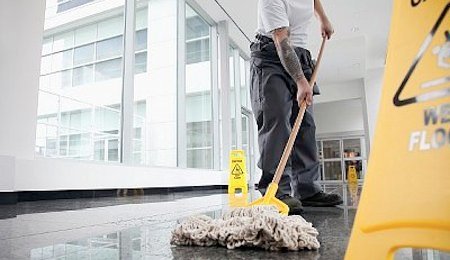
4. Wet Mop with a Neutral Cleaner
After dry dusting and vacuuming, damp mopping is essential to catch lingering residue:
- Use a pH-neutral cleaner safe for your floor type (wood, marble, tile)
- Mop in sections and change the water frequently
- Rinse with clean water to avoid streaks and residue
You may need to mop twice in some areas to restore shine and cleanliness.
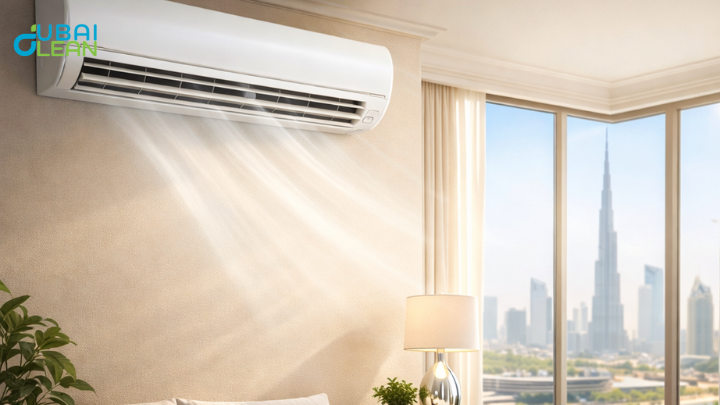
5. Clean or Replace HVAC Filters
HVAC systems circulate air — and dust. After construction, these systems are often clogged with debris. To maintain clean air:
- Replace central air filters
- Vacuum out vent covers and grilles
- Clean bathroom exhaust fans
- Consider professional duct cleaning for larger homes or if your renovation involved drywall or tile cutting
6. Don’t Forget the Soft Surfaces
Soft materials like curtains, rugs, and cushions act like dust magnets. They must be properly cleaned to eliminate all traces of builder dust:
- Wash curtains or take them for dry cleaning
- Steam clean sofas and upholstered chairs
- Use carpet shampoo or hire professionals to deep clean rugs
- Flip and vacuum mattresses
Additional Tips for Builder Dust Removal
Open Windows — With Caution
While ventilation is key, Dubai’s outdoor dust can worsen indoor conditions. Open windows only during cooler, low-dust hours (early morning or evening) and use exhaust fans to redirect airflow.
Use an Air Purifier
HEPA air purifiers can significantly improve indoor air quality by removing suspended dust particles post-cleaning. Place purifiers in bedrooms, living areas, and home offices.
Tackle Electronics with Care
Builder dust can destroy sensitive electronics. Use compressed air or specialized anti-static cloths to clean computers, TVs, and audio equipment. Avoid wet cleaning around wires and ports.
Best Time to Clean After Construction
Timing is critical. If you clean too early, new dust will resettle, and your efforts will be wasted. Wait until all construction activity, painting, sanding, or grouting is completely finished. Then:
- Let the dust settle for 24–48 hours
- Begin with ventilation and dry cleaning
- Follow with detailed cleaning steps over 2–3 days
In the case of large projects, schedule two rounds of cleaning — one immediately after and another a week later.
The Professional Advantage in Dubai
Builder dust removal is physically demanding, time-consuming, and requires the right equipment. In Dubai, where environmental dust combines with construction residue, hiring professionals like DubaiClean can make a noticeable difference:
- Commercial-grade HEPA vacuums and steam cleaners
- Eco-friendly cleaning products
- Experienced staff trained in post-construction protocols
- Flexible scheduling, including emergency services
Hiring experts saves time and ensures thorough cleaning of even the most hard-to-reach places.
Why Is It Important to Remove Builder Dust?
- Health Risks: Inhalation of fine dust can lead to allergies, asthma, and skin irritation.
- Home Maintenance: Dust buildup can stain walls, discolor surfaces, and damage finishes.
- Electronics Damage: Dust affects internal circuitry of electronics, reducing their lifespan.
- Aesthetic Appeal: Your brand-new space won’t shine until it’s dust-free.
A clean, dust-free home is also essential if you’re planning to move in, rent out, or sell the property.
Conclusion
Dust removal after construction isn’t a one-day job. It requires layers of cleaning, proper tools, and a bit of patience. If you want to be sure that your home is 100% clean, plan follow-up cleaning rounds and consider professional maintenance like DubaiClean.