








Pipeline cleaning and disinfection is the process of removing buildup, contaminants, and harmful bacteria from water or fluid transport systems. Whether it's a residential water line or an industrial pipeline, keeping these systems clean is essential for safe flow, healthy water quality, and long-term efficiency. This blog explores the most effective cleaning methods, tools used, when and where pipeline cleaning is necessary, and how it protects both homes and industries. If you’ve ever wondered how to keep your pipelines safe and hygienic, this guide is for you.
Cleaning pipelines requires a tailored approach depending on the system’s size, use, and buildup. Below are the three most common methods used in both industrial and domestic settings:
This method physically removes dirt, rust, and sediment from inside the pipeline.
A foam or metal "pig" is pushed through the pipeline to clear blockages and buildup. It's highly effective in long or wide pipelines used in oil, gas, and large-scale systems.
For smaller or residential pipes, cleaning is done manually using flexible rods and brushes to scrub away internal deposits and scaling.
Chemical agents are introduced to dissolve residues and sanitize the pipeline.
These solutions help remove grease, mineral deposits, and other contaminants that physical cleaning can’t fully eliminate.
Used especially for water pipelines, these disinfectants kill bacteria and ensure the system is safe for drinking and daily use.
This step uses water or disinfectant solutions to rinse and sanitize the pipeline after cleaning.
A strong water flow is used to flush out all loosened debris and leftover chemicals from the pipeline.
After flushing, the system is filled with disinfectant and left to sit before a final rinse — ensuring a germ-free water supply.
A structured process ensures pipelines are thoroughly cleaned, sanitized, and safe for continued use. Below are the key stages followed by professionals and facility managers.
The pipeline system is first assessed to locate debris, scaling, or contamination. This step also involves isolating sections and selecting suitable methods based on pipe type and condition.
Using mechanical tools or chemical agents, internal surfaces are cleared of dirt, scale, and blockages to restore proper flow and prepare for disinfection.
A disinfectant is introduced to eliminate bacteria and pathogens. After adequate contact time, the pipeline is flushed with clean water to remove all residues.
Final inspections include water quality testing and system evaluation to confirm the cleaning process met required hygiene and safety standards.
Pipeline cleaning and disinfection play a vital role across various environments. Depending on the use, buildup, and potential health risks, some areas require more frequent and specialized attention.
In residential settings, clean pipelines ensure safe drinking water and reduce the risk of bacteria or biofilm buildup. Older buildings, low water pressure, or inactive lines often make regular cleaning essential.
Industrial pipelines carry oil, chemicals, or heavy fluids, which can lead to scaling, corrosion, or hazardous residue. Mechanical methods like pigging are common to prevent flow restrictions and maintain safety.
In food establishments, clean water lines and drainage are vital for hygiene and safety compliance. Grease buildup, sediment, and microbial contamination must be routinely addressed through flushing and disinfection.
Effective pipeline cleaning relies on the right combination of mechanical tools and chemical agents. Each tool or product is selected based on the pipeline type, level of buildup, and desired outcome.
Mechanical cleaning involves tools designed to physically dislodge and push out internal buildup. Pigging devices are commonly used in industrial pipelines, while rods and scrapers are more suitable for residential and small commercial systems.
Chemical cleaning products are used to break down deposits and sanitize the pipeline. Degreasers remove oil residue, descalers dissolve mineral buildup, and disinfectants kill harmful bacteria and pathogens, especially in water pipelines.
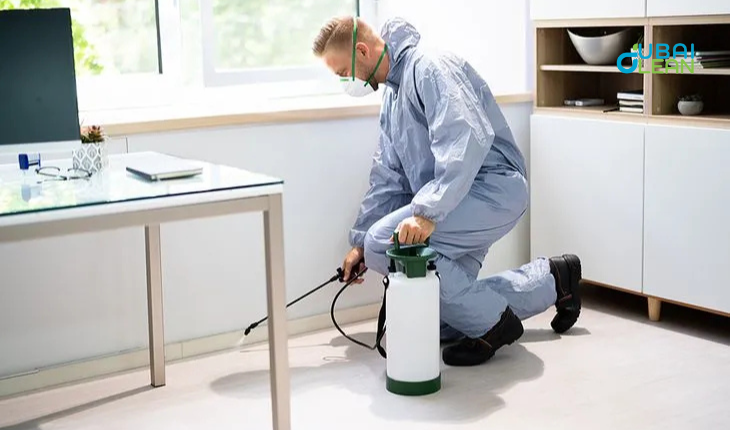
Proper safety measures include protective gloves, masks, and full-body gear, especially when handling chemical agents. In addition, pressure hoses, flushing pumps, and flow meters are often used to carry out the cleaning process effectively.
Regular cleaning and disinfection of pipelines offer more than just peace of mind — they directly impact the performance, safety, and lifespan of your water or fluid systems.
Over time, sediment, rust, and mineral buildup narrow the internal diameter of pipes, restricting flow. Cleaning removes these obstructions, restoring optimal pressure and reducing strain on pumps or fixtures.
Unclean pipelines can harbor bacteria, mold, or decaying matter, leading to foul odors and unsafe water. Disinfection kills harmful microorganisms and removes biofilm, ensuring cleaner, odor-free output.
In both residential and commercial environments, clean pipelines support hygiene standards and reduce liability. Many industries require routine pipeline sanitation to meet local or international safety codes.
The cost of pipeline cleaning and disinfection in Dubai varies widely depending on property type, pipeline condition, and the methods used. Understanding the price range helps in planning and selecting the right service.
Domestic cleaning, such as in apartments or villas, is generally more affordable and straightforward. Industrial pipelines, like those used in factories or oil facilities, require advanced tools and procedures—making them more expensive due to size, complexity, and safety measures.
Several elements influence the final cost:
For homes, cleaning once or twice a year is usually enough unless you face water quality issues. Industrial pipelines may require quarterly or even monthly cleaning depending on usage, fluid type, and industry regulations.
While small-scale pipeline maintenance can be done at home, professional pipeline cleaning and disinfection often require expertise, proper tools, and safety precautions. Here's a comparison to help you decide.
Professional teams come equipped with the right tools and training to handle blockages, corrosion, or bacteria without damaging your pipeline. They also ensure all residues and disinfectants are safely removed—something that’s difficult to achieve with DIY efforts.
A reputable cleaning company follows a clear process: inspection, method selection, mechanical or chemical cleaning, final flushing, and post-cleaning checks. Professional Pipeline Cleaning and Disinfection also includes compliance documentation, which is crucial in commercial or regulated environments.
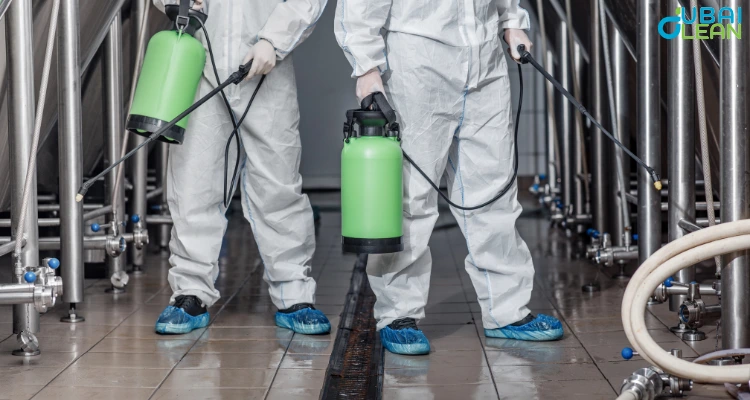
Top cleaning providers in Dubai use certified, non-toxic chemicals and water-saving methods that meet environmental regulations. Whether residential or industrial, hiring a certified company ensures both efficiency and sustainability.
Keeping your pipelines clean isn’t just about improving flow—it’s about health, safety, and long-term performance. From mechanical scrubbing to chemical disinfection, each step plays a role in preventing contamination and system damage. Whether in a home or industrial setup, regular pipeline maintenance helps avoid costly repairs and ensures water remains safe for use. It’s best to schedule a professional inspection at least once a year, especially in areas with high usage or older infrastructure. Clean pipelines mean peace of mind for everyone.