










Grout is the material that fills the gaps between your tiles, helping hold them in place and keep moisture out. Over time, it collects dirt, stains, and even mold—making your floors or walls look dull and unhygienic. Cleaning grout isn’t just about appearance; it’s essential for maintaining a healthy and long-lasting tiled surface. This blog explains when and why grout needs cleaning, along with the most effective ways to get it done right.
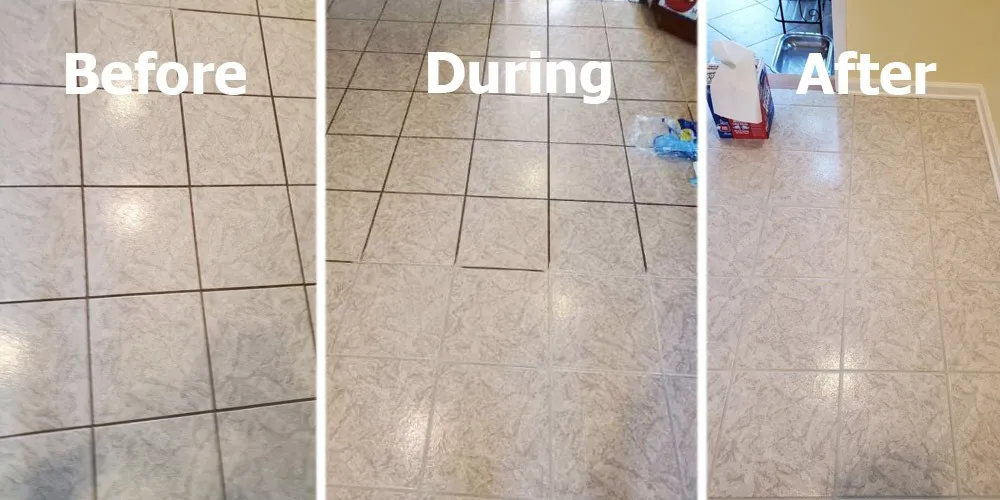
Grout cleaning involves deep-cleaning the narrow lines between tiles that often trap dirt, stains, mold, and moisture. Unlike the smooth surface of tiles, grout is porous—meaning it absorbs grime more easily and is much harder to clean with regular mopping. Over time, this buildup not only makes your floors or walls look dirty but can also lead to unpleasant odors and even bacteria growth. Regular grout cleaning helps maintain hygiene, restores appearance, and extends the life of your tile surfaces.
Is all about maintaining the visible surface of your tiles—removing stains, smudges, and buildup to keep them looking glossy and presentable. This usually involves regular mopping, wiping, or using mild cleaning agents to maintain the tile’s shine.
Is a completely different task. Grout is the porous material between tiles that easily traps dirt, moisture, and bacteria over time. Unlike tiles, grout can absorb grime deep into its surface, making it harder to clean with everyday methods. That’s why while tile cleaning keeps things looking clean on the surface, grout cleaning is essential for truly deep hygiene, especially in bathrooms, kitchens, and high-traffic areas.
To clean grout effectively at home, start by mixing a paste of baking soda and water. Apply it to the grout lines and scrub gently with a grout brush. For tougher stains, spray with vinegar or lemon juice and let it fizz before scrubbing. Rinse with warm water.
Use hydrogen peroxide for moldy or darkened grout—apply it directly and scrub after a few minutes.
Helpful tools include grout brushes for precision, steamers for deep cleaning without chemicals, and electric scrubbers for larger areas.
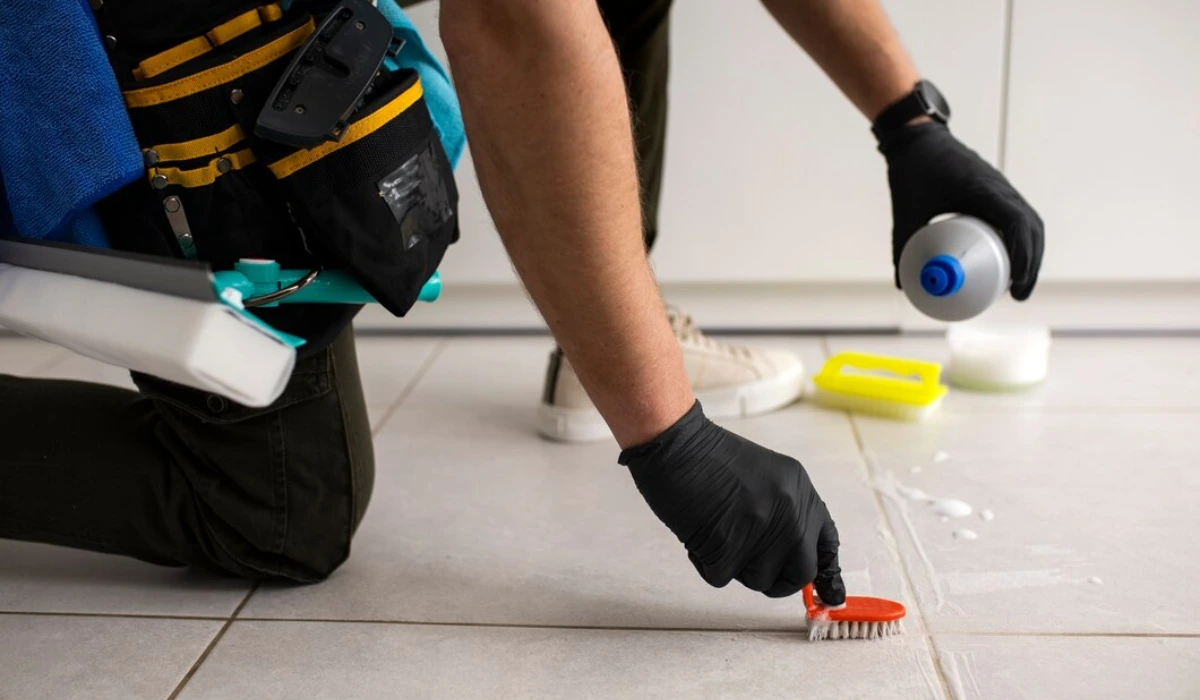
For effective DIY cleaning, use a mixture of baking soda and hydrogen peroxide for deep stains. Apply it to the grout, let it sit for 5–10 minutes, then scrub gently with a soft brush. Rinse well with warm water.
Avoid using harsh metal brushes or strong bleach, as these can damage tiles or erode the grout.
Stick to soft-bristled tools and test any cleaner on a small hidden area first to prevent tile discoloration or surface wear.
Grout in showers and bathrooms is more prone to mold and mildew due to constant moisture. Use a mix of vinegar and baking soda or a hydrogen peroxide solution to clean and disinfect.
To remove mold, spray the affected grout with the solution, let it sit for 10 minutes, then scrub with a grout brush. Rinse thoroughly afterward.
For yellow or deeply stained grout, use a paste of lemon juice and baking soda or a specialized oxygen bleach cleaner to lift the discoloration safely.
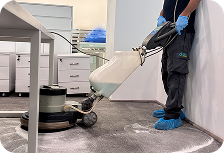
Grout cleaning machines make deep cleaning faster and more efficient, especially for large or heavily stained areas. These tools offer better results than manual scrubbing when used correctly.

Sealing grout means applying a protective layer over cleaned grout lines to block moisture, stains, and dirt buildup. You should seal grout after a deep clean—especially in bathrooms, kitchens, or high-traffic areas—to prolong cleanliness and prevent future discoloration. For best results, wait 24–48 hours after cleaning before sealing, and always use a sealer suitable for your tile type. Grout sealing helps maintain the results of grout cleaning for longer and reduces the frequency of re-cleaning. If you're tackling grout cleaning in Dubai or any humid environment, sealing becomes even more important due to higher moisture exposure.
Grout might seem like a small detail, but it plays a big role in keeping your tiles looking clean and fresh. In this guide, we’ve covered what grout is, why it gets dirty, and how to clean it effectively at home. Now it’s your turn—check your grout lines, and if you see stains, mold, or discoloration, try a DIY cleaning method or use the right tools. A little care goes a long way in keeping your space looking sharp.