


In Dubai, where sand, humidity, and constant foot traffic affect almost every home and business, keeping floors clean and durable can be a challenge. Tiles remain a popular choice for villas, apartments, and commercial spaces, but grout, the small lines that hold tiles together, is often overlooked.
Unsealed grout quickly absorbs moisture, stains, and dirt, making even new floors look old. Over time, it can weaken tiles, harbor bacteria, and shorten the lifespan of your flooring. That’s why sealing tile grout is a crucial step for maintaining long-lasting, hygienic, and beautiful floors in Dubai’s unique climate.
What is Tile Grout and Why Does It Need Sealing?
Tile grout is a mixture (usually cement-based or epoxy) that fills the spaces between tiles, keeping them in place and preventing moisture from seeping underneath.
Key Roles of Grout:
- Holds tiles together
- Provides a finished look
- Prevents water infiltration
- Adds structural integrity
However, grout is naturally porous. This means:
- It absorbs liquids easily
- Stains quickly from dirt, oils, and spills
- Becomes a breeding ground for mold and mildew in humid environments
Without proper sealing, grout discolors and deteriorates – making even the most expensive tiles look dull and dirty.
Why Grout Sealing is Critical in Dubai
Dubai’s unique environment makes grout sealing more important than in many other cities.
Environmental Challenges in Dubai:
- Sandy climate – Dust and fine sand particles enter homes and scratch or settle into grout lines.
- High humidity – Moisture can seep into grout, leading to mold and bacterial growth.
- Intense foot traffic – Tiles in villas, apartments, and malls wear faster due to constant use.
- Frequent cleaning – Harsh chemicals often used for cleaning in Dubai weaken unsealed grout.
Benefits of Grout Sealing in Dubai Homes & Businesses:
- Extends floor life by protecting grout from erosion
- Prevents unsightly stains from food, oils, and dirt
- Resists mold, mildew, and bacterial buildup
- Reduces cleaning time and effort
- Keeps tiles looking new for longer
Simply put, sealing grout is an investment in both hygiene and durability.
Types of Grout Sealers
Not all sealers are created equal. The right sealer depends on the type of tiles, grout material, and location (kitchen, bathroom, outdoor, etc.).
Table: Types of Grout Sealers
| Type of Sealer | Best For | Key Benefits | Lifespan |
| Penetrating Sealers | Bathrooms, kitchens, outdoors | Absorbs into grout, repels water & oil | 3-5 years |
| Membrane-Forming Sealers | Indoor areas, low moisture | Creates a protective layer on surface | 1-2 years |
| Silicone-Based Sealers | High-traffic areas | Strong water resistance, easy to apply | 2-3 years |
| Epoxy Sealers | Commercial or heavy-duty floors | Extremely durable, chemical resistant | 5+ years |
Lifespan depends on traffic, cleaning habits, and Dubai’s climate conditions.
Step-by-Step Guide: How to Seal Tile Grout
If you enjoy DIY projects, sealing grout can be done at home with patience and the right materials.
Tools You’ll Need:
- Grout sealer
- Applicator brush or roller
- Clean cloth or sponge
- Mild cleaner
- Gloves and mask
Process:
- Clean the floor thoroughly
- Remove dirt, dust, and old stains using a mild tile cleaner.
- Allow grout lines to dry completely (at least 24 hours).
- Remove dirt, dust, and old stains using a mild tile cleaner.
- Choose the right sealer
- For Dubai bathrooms/kitchens – penetrating sealer.
- For hallways/living rooms – membrane or silicone-based sealer.
- For Dubai bathrooms/kitchens – penetrating sealer.
- Apply the sealer
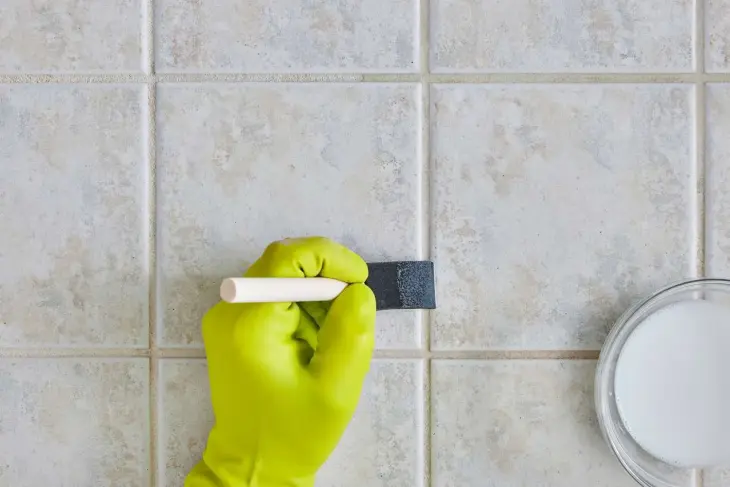
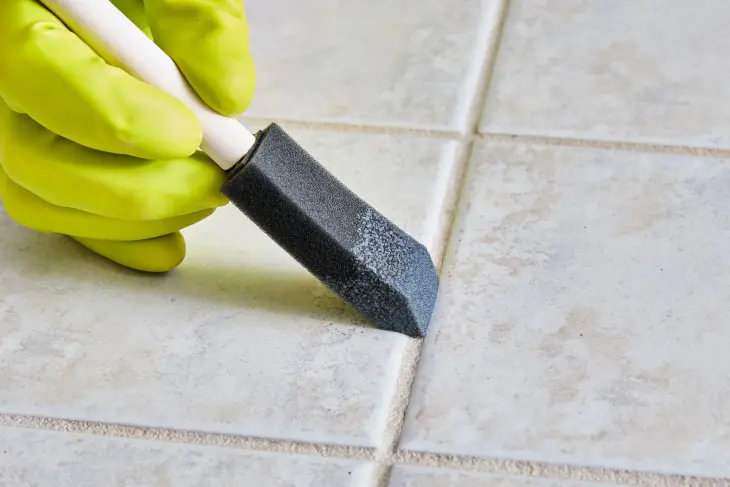
- Use a brush or applicator bottle to apply directly onto grout lines.
- Avoid excess spillage onto tiles.
- Use a brush or applicator bottle to apply directly onto grout lines.
- Wipe off excess
- After 5-10 minutes, wipe tiles with a clean cloth to prevent streaks.
- After 5-10 minutes, wipe tiles with a clean cloth to prevent streaks.
- Let it cure
- Leave for at least 24-48 hours before mopping or heavy use.
- Leave for at least 24-48 hours before mopping or heavy use.
- Repeat if necessary
- For high-traffic areas in Dubai, apply 2-3 coats for best protection.
- For high-traffic areas in Dubai, apply 2-3 coats for best protection.
How Often Should You Seal Tile Grout in Dubai?
The frequency depends on traffic, cleaning habits, and type of sealer.
Table: Grout Sealing Frequency
| Location | Recommended Frequency |
| Kitchens | Every 1-2 years |
| Bathrooms | Every 1-2 years |
| Living Rooms & Bedrooms | Every 2-3 years |
| Outdoor Tiles (balcony, patio) | Every 1 year |
| Commercial Properties | Every 6-12 months |
Common Mistakes to Avoid
- Not cleaning before sealing – Locks in dirt permanently.
- Using the wrong sealer – Shortens protection.
- Skipping reapplication – Grout becomes vulnerable over time.
- Over-applying sealer – Causes cloudy residue on tiles.
Professional Grout Sealing in Dubai
While DIY sealing works for small spaces, larger homes, villas, and commercial properties often require expert care.
Hiring professional grout sealing services in Dubai ensures:
- Use of high-quality, long-lasting sealers
- Even and thorough application
- Safe cleaning before sealing
- Faster results without mistakes
For those who want hassle-free, guaranteed results, reaching out to a trusted service can be the smarter option. Their team specializes in grout cleaning and sealing, tailored for Dubai’s unique climate challenges.
Maintenance Tips After Sealing
- Use pH-neutral cleaners instead of harsh chemicals
- Mop regularly to avoid sand buildup
- Wipe spills immediately to prevent stains
- Inspect grout lines every 6 months
FAQs
Conclusion
Sealing tile grout is not just about appearance – it’s about protecting your floors from Dubai’s harsh environment and ensuring they last for years. With the right sealer, proper application, and regular maintenance, you can enjoy beautiful, hygienic, and durable floors.
And if you’d rather save time and avoid mistakes, professional services are always available to help keep your floors looking brand new.