


Air conditioners are essential for maintaining indoor comfort, especially in warm climates. However, frequent AC breakdowns and high repair costs can become a burden. Regular DIY AC maintenance can keep your system running efficiently, prevent costly repairs, and extend its lifespan. In this guide, we will discuss essential maintenance steps to keep your air conditioning unit in top condition.
Safety Precautions Before Starting
Before performing any maintenance on your AC unit, it is crucial to follow safety precautions to prevent accidents and equipment damage.
Turning Off The Power Supply
Always turn off the power supply before working on your air conditioner. This prevents electrical shocks and ensures your safety. Locate the electrical panel and switch off the breaker connected to your AC unit.
Using Protective Gear
When cleaning or inspecting your air conditioner, wear protective gear such as gloves and safety goggles. This helps protect your hands and eyes from dust, debris, and sharp components.
Understanding Basic AC Components
To perform DIY AC maintenance effectively, you should understand the basic components of your HVAC system:
- Air Filter: Traps dust and debris before they enter the system.
- Evaporator Coils: Absorb heat from indoor air.
- Condenser Coils: Release heat outside.
- Refrigerant: Cools the air.
- Compressor: Circulates refrigerant through the system.
- Thermostat: Controls temperature settings.
- Drain Line: Removes excess moisture.
- Electrical Connections: Power various AC components.
Essential DIY AC Maintenance Tips
1. Cleaning Or Replacing The Air Filter
Cleaning or replacing the air filter is a crucial AC maintenance task. A dirty or clogged filter blocks airflow, reducing efficiency and potentially causing the AC coils to freeze. This leads to higher energy consumption and poor cooling performance. Regular maintenance ensures smooth airflow and extends the unit’s lifespan. It is recommended to check the filter every 1–3 months, depending on usage and environmental conditions. Homes with pets or high dust levels may require more frequent changes. Cleaning a reusable filter involves washing and drying it, while disposable filters should be replaced. Keeping the filter clean improves indoor air quality, enhances cooling efficiency, and prevents unnecessary strain on the system, ultimately lowering energy bills and maintenance costs.
2. Cleaning The Condenser Coils
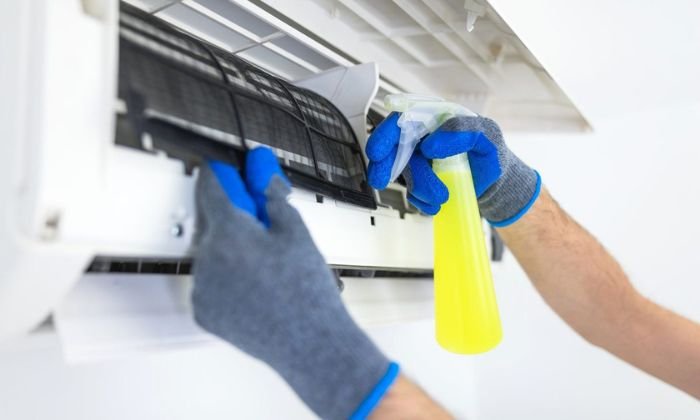
Cleaning the condenser coils is essential for maintaining AC efficiency. Over time, dirt and debris accumulate on the condenser unit, obstructing airflow and reducing performance. To clean it, first, turn off the power to ensure safety. Clear any debris from around the unit to prevent further buildup. Using a soft brush or a vacuum, gently remove dirt and dust from the coils without damaging them. After brushing, apply a specialized coil cleaner to break down stubborn grime. Let the cleaner sit for a few minutes, then rinse the coils thoroughly with a hose, ensuring all residue is removed. Regular maintenance of condenser coils helps improve cooling efficiency, extends the unit’s lifespan, and reduces energy consumption, ensuring optimal performance.
3. Checking And Cleaning The Evaporator Coils
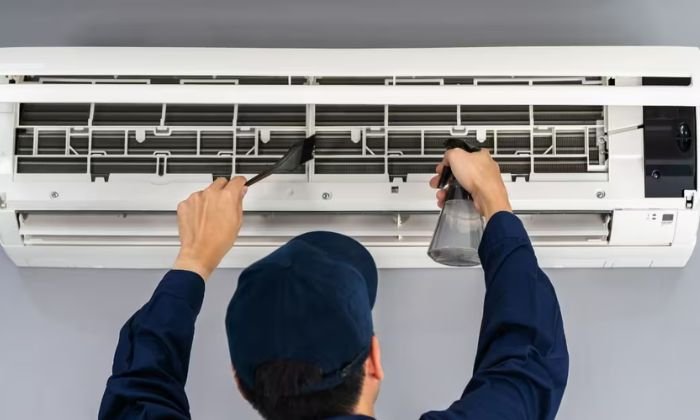
Cleaning the evaporator coils is essential to maintaining the efficiency of an AC unit. Dust and debris can accumulate on the coils, reducing their ability to cool the air effectively. To clean them, first, turn off the power to ensure safety. Then, locate the evaporator coils inside the indoor unit. Using a soft brush, gently remove any dust or dirt. For a more thorough cleaning, a no-rinse coil cleaner can be sprayed directly onto the coils, dissolving grime and improving performance. Regular maintenance of the evaporator coils helps prevent airflow blockages, enhances cooling efficiency, and extends the lifespan of the air conditioning system. Keeping them clean ensures the AC functions properly, providing consistent cooling and reducing energy consumption.
4. Inspecting And Cleaning Air Ducts & Vents
Blocked or dirty air ducts and vents can significantly reduce airflow and negatively impact the efficiency of an HVAC system. When dust and debris accumulate in the ducts, they restrict the smooth circulation of air, making the system work harder to maintain the desired temperature. This not only increases energy consumption but also affects indoor air quality, leading to potential health issues. Regular inspection is essential to identify any blockages, dirt buildup, or signs of damage. Cleaning the vents by vacuuming and removing dust helps maintain optimal airflow and prevents strain on the HVAC system. Proper maintenance ensures a more efficient system, lowers energy costs, and enhances overall comfort by keeping indoor air fresh and free from pollutants.
5. Checking The Thermostat
A well-calibrated thermostat is essential for maintaining efficient cooling in an air conditioning system. If the AC is not cooling as expected, the thermostat could be the issue. Checking its settings and ensuring it functions correctly can help restore proper cooling performance. Sometimes, an outdated thermostat may not regulate temperature accurately, leading to inefficiency. Upgrading to a programmable or smart thermostat can enhance energy efficiency by allowing precise temperature control and automated adjustments based on usage patterns. Smart thermostats can even be controlled remotely, ensuring comfort while reducing energy consumption. By optimizing thermostat performance, the AC system can operate more effectively, preventing unnecessary strain and improving overall cooling efficiency, making it a worthwhile investment for better indoor comfort.
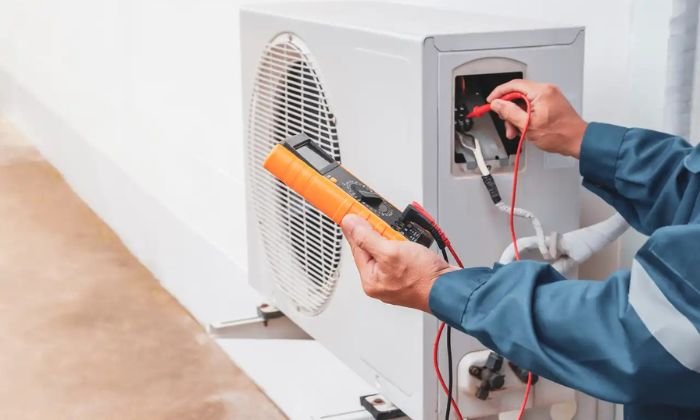
6. Inspecting Refrigerant Levels
When refrigerant levels drop, your AC struggles to cool effectively, leading to reduced performance. Signs of low refrigerant include warm air blowing from vents and frozen coils, which can cause further damage if left unchecked. Refrigerant is crucial for heat exchange, and without the right amount, your system cannot absorb and release heat efficiently. This issue often stems from leaks in the refrigerant lines, which require professional attention to locate and seal. Simply recharging the refrigerant without addressing leaks will result in repeated problems. If you experience cooling issues or notice ice buildup on the coils, it’s essential to call an expert. A technician will inspect the system, fix leaks, and ensure the refrigerant is at the correct level.
7. Cleaning The Drain Line And Pan
A clogged AC drain line can lead to water leaks and mold growth, making regular cleaning essential. The drain line is typically located near the indoor unit and should be cleared to ensure proper drainage. Using a vacuum to remove debris or flushing it with a mixture of water and vinegar can help break down clogs and prevent buildup. Additionally, the drain pan should be thoroughly cleaned to eliminate any accumulated dirt or residue that could cause further blockages. Keeping the drain line and pan clear helps maintain the efficiency of the air conditioning system, preventing potential damage and ensuring smooth operation. Regular maintenance of these components reduces the risk of leaks, unpleasant odors, and moisture-related issues within the unit.
8. Checking And Tightening Electrical Connections
Electrical connections in an AC system play a crucial role in its performance and safety. Loose or faulty wiring can lead to malfunctions, inefficiencies, or even hazards such as short circuits. Regularly inspecting these connections helps prevent issues, ensuring that all wiring is secure and free from corrosion. Over time, electrical terminals may loosen due to vibrations and temperature fluctuations, making periodic checks essential. If any signs of wear, burning, or looseness are detected, they should be addressed immediately to avoid further complications. Proper tightening of connections enhances efficiency and extends the system’s lifespan. However, working with electrical components requires caution, and if there is any uncertainty about the process, it is best to consult a professional for safe handling.
When To Call A Professional
DIY AC maintenance can help prevent minor issues, but some problems need professional attention. If your AC starts making unusual noises like banging or buzzing, it could indicate a mechanical issue. A refrigerant leak can reduce cooling efficiency and pose health risks, requiring expert repair. Frequent cycling, where the unit turns on and off repeatedly, may signal an underlying problem that needs professional diagnosis. Persistent airflow issues, such as weak or uneven cooling, could result from clogged ducts or a failing compressor. For these concerns, it’s best to call DubaiClean, a trusted and professional AC repair company in Dubai.
Conclusion
By following these DIY AC maintenance tips to reduce repair costs, you can improve HVAC system efficiency, extend its lifespan, and prevent costly breakdowns. Regular maintenance, including air filter replacement, condenser unit maintenance, AC drain line cleaning, and thermostat calibration, ensures your air conditioner runs smoothly throughout the year.
Frequently Asked Questions
How Often Should I Clean Or Replace My AC Filter?
It is recommended to clean or replace your air filter every 1-3 months, depending on usage and environmental factors.
Can I Clean The AC Coils Myself?
Yes, you can clean the evaporator and condenser coils using a soft brush and coil cleaner. However, professional servicing is recommended for deep cleaning.
How Do I Know If My AC Needs Refrigerant?
Signs of low refrigerant include weak airflow, warm air blowing from vents, and frozen evaporator coils. If you suspect a refrigerant issue, contact a professional.
What Causes My AC Drain Line To Clog, And How Can I Prevent It?
Dirt, algae, and mold can clog the AC drain line. Regular cleaning with a vinegar solution helps prevent blockages.
How Can I Improve My AC’s Efficiency?
To enhance efficiency:
- Clean or replace air filters regularly.
- Keep condenser coils and evaporator coils clean.
- Seal air leaks around windows and doors.
- Upgrade to a programmable thermostat.