


Leather sofas are a beautiful and durable choice for any home. But living in Dubai brings its own set of challenges when it comes to caring for leather furniture. The intense heat, humidity, and occasional sandstorms can wear down the quality and appearance of your leather over time. That’s why regular care and cleaning are so important to keep your leather sofa looking its best and lasting longer.
In this guide, I’ll share the best leather cleaners for sofas, how to use them properly, and simple tips for caring for leather furniture in the harsh climate, whether you want a trusted commercial leather furniture cleaner or prefer to go the DIY route, this guide will help you make the right choices to keep your leather sofa in top condition. Read more about how to clean leather sofas like a pro.
Top Leather Cleaners for Sofas Available in Dubai
Caring for your leather sofa requires the right cleaner to keep it looking great. Choosing the right product helps maintain your sofa’s texture, colour, and durability. Here are some of the best leather cleaners for sofas, all praised for their effectiveness and ease of use.
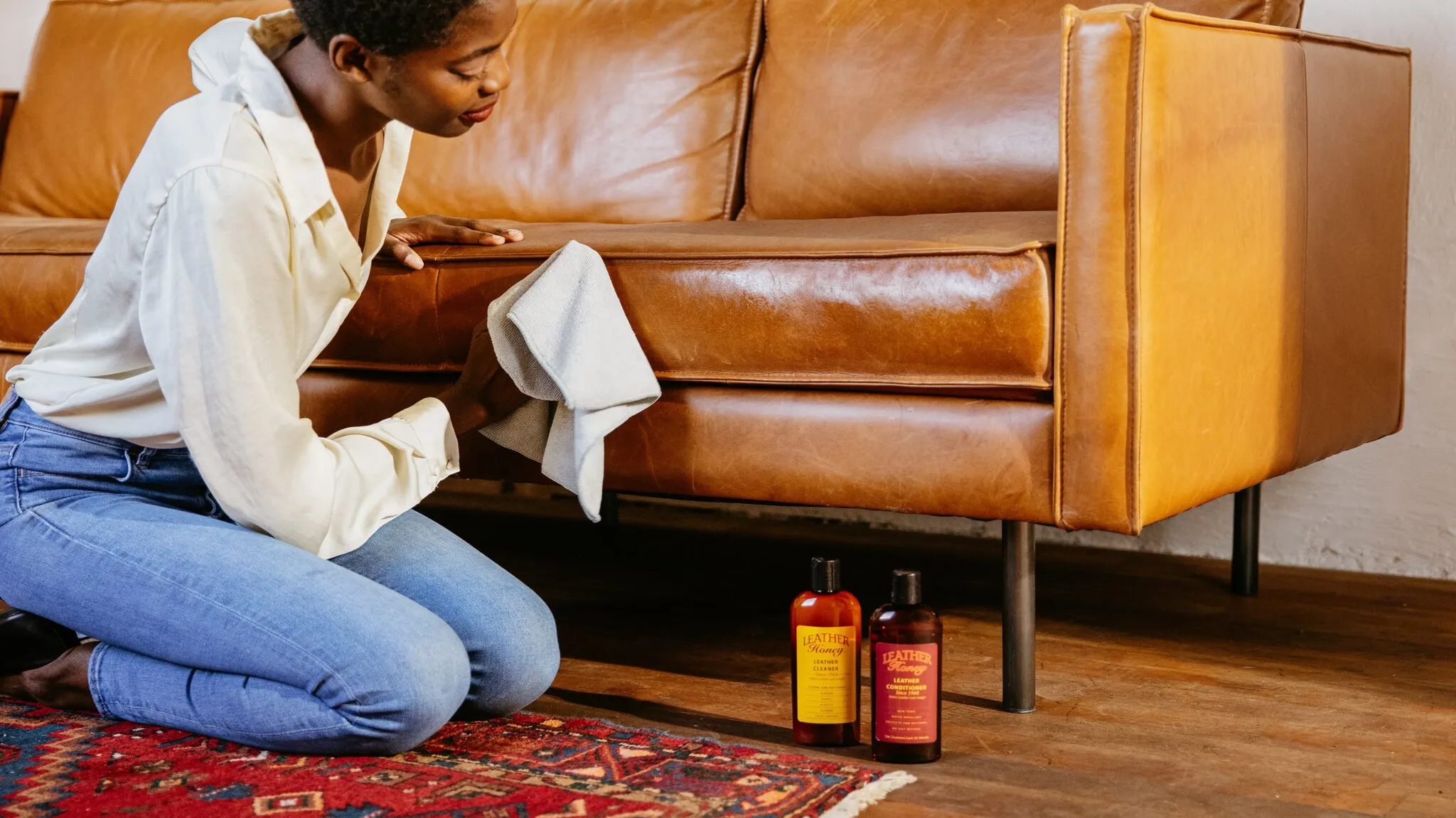
Leather Honey: A Trusted Solution
Leather Honey is a favourite for many. This leather cleaner and conditioner deeply penetrates the material, restoring its natural shine. It’s especially great for older or worn leather, preventing cracks and fading. Leather Honey also creates a long-lasting protective layer against dirt and moisture, keeping your sofa looking beautiful for years.
Bickmore Bick 4: Versatility and Effectiveness
Bickmore Bick 4 is a must-have for leather sofa owners. This non-toxic cleaner cleans, conditions, and restores leather, all without leaving any greasy residue. It’s perfect for maintaining your sofa’s suppleness and is great for various leather goods, making it a staple in any leather care kit.
Weiman Leather Cleaner: Convenience and Quality
Weiman Leather Cleaner is quick and easy to apply. It removes dirt, oils, and stains from leather sofas gently without damaging the material. It also restores your sofa’s natural shine, giving it a fresh, new look. Weiman is a fantastic option for those who want a simple yet effective cleaning process.
Chemical Guys Leather Cleaner: Professional Grade
Chemical Guys Leather Cleaner is a professional-grade cleaner that tackles tough dirt and grime. Its deep-cleaning formula removes contaminants without harsh chemicals, making it perfect for regular use. It ensures your sofa stays clean, fresh, and protected from wear and tear.
TriNova Leather Cleaner: Eco-Friendly Option
If you’re environmentally conscious, TriNova Leather Cleaner is a great eco-friendly choice. This plant-based cleaner lifts dirt and oils from the surface without harmful chemicals. It’s an excellent, non-toxic, biodegradable solution that’s gentle on both the leather and the planet.
Each of these leather cleaners has its unique benefits. Whether you’re dealing with stubborn stains or simply want to maintain your sofa’s freshness, these products offer great solutions to keep your leather furniture in top shape.
How to Use Leather Cleaners Effectively
Caring for your leather sofa means cleaning it carefully to keep its elegance and durability intact. By following a few simple steps and using the right products, you can keep your leather furniture looking fresh for years. Here’s how to use them effectively:
Preparing Your Leather Sofa
Before you start cleaning, make sure your sofa is ready:
- Dust the surface: Use a soft microfiber cloth to wipe away any dust, dirt, or debris. This prevents scratching when you clean.
- Test the cleaner: Always test your leather cleaner on a small, hidden area of the sofa before applying it everywhere. This ensures the cleaner won’t damage or discolour the leather.
Step-by-Step Cleaning Process
Here’s how to clean your leather sofa effectively:
- Apply the cleaner: Take a microfiber cloth or soft sponge, apply a small amount of leather cleaner (not directly onto the sofa), and gently rub it in circular motions. Focus on one section at a time.
- Clean in sections: Work on small areas so the cleaner doesn’t sit too long on the leather. Don’t forget to clean creases and seams where dirt hides.
- Wipe away excess: After cleaning, use a clean, dry cloth to wipe off any leftover product. This prevents the leather from becoming too wet, which could cause damage.
Post-Cleaning Care and Conditioning
After cleaning, it’s important to keep your leather soft and prevent cracking:
- Condition the leather: Use a leather conditioner or a combined leather cleaner and conditioner to nourish the leather. Gently rub the conditioner in with a soft cloth.
- Allow the leather to absorb: Let the conditioner soak in for about 10-15 minutes, then buff the surface with a dry cloth to enhance its shine.
Regular Maintenance
To keep your leather sofa in great shape, make these habits part of your routine:
- Dust regularly: Wipe down your sofa weekly to prevent dirt buildup.
- Clean spills immediately: If something spills, blot it gently with a clean cloth—don’t rub, as it can spread the stain.
- Avoid direct sunlight: Leather can fade and crack in the sun, so keep your sofa in a shaded spot.
By following these steps and using the best cleaners, you can keep your leather sofa looking amazing and protect it for years to come. Whether you choose a commercial product or a DIY leather furniture cleaner, regular care is key to preserving your furniture’s beauty and durability.
DIY Leather Cleaner Recipes for Sofas
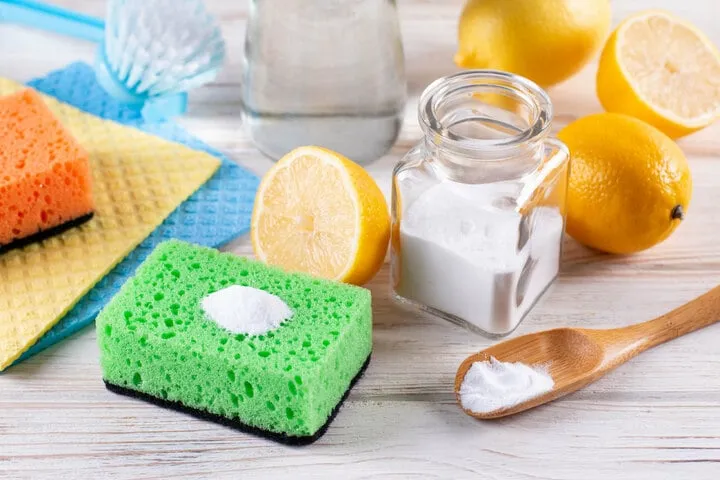
If you’re looking for a natural and budget-friendly way to clean your leather sofa, you’re in luck! Several simple DIY cleaner recipes use ingredients you probably already have at home. These cleaners are effective and gentle on your leather, ensuring it stays in top condition. Here are some easy-to-make options:
Vinegar and Olive Oil Cleaner
This is a popular and simple DIY leather cleaner. Vinegar breaks down dirt and oils, while olive oil helps condition the leather, keeping it soft and supple.
Ingredients:
- 1/4 cup white vinegar
- 3/4 cup olive oil
- 10-15 drops of essential oil (optional for fragrance)
Instructions:
- Mix the vinegar and olive oil in a small bowl.
- Add essential oil for a pleasant scent, if desired.
- Use a clean microfiber cloth to apply the mixture to your leather sofa, rubbing gently in circular motions.
- Wipe away any excess product with a dry cloth to avoid greasy residue.
Castile Soap and Water Solution
For a mild yet effective clean, Castile soap is a great choice. This plant-based soap is gentle on leather but still removes dirt and grime.
Ingredients:
- 1 tablespoon Castile soap
- 1 cup warm water
Instructions:
- Mix the Castile soap with warm water in a spray bottle or bowl.
- Dampen a microfiber cloth with the solution (but don’t soak it).
- Gently wipe down your leather sofa, focusing on any soiled areas.
- Dry the leather with a soft cloth to remove any excess moisture.
Baking Soda and Water Cleaner
Baking soda is an excellent natural cleaner that lifts dirt and neutralises odours without harming your leather. It’s especially good for cleaning stains.
Ingredients:
- 1/4 cup baking soda
- 1/4 cup water
Instructions:
- Mix the baking soda and water to form a paste.
- Apply the paste to a damp microfiber cloth and gently rub it into the leather.
- Focus on any stains or areas with visible dirt.
- Wipe down the sofa with a clean, damp cloth to remove any leftover paste.
- Dry the leather with a soft cloth to avoid moisture damage.
Lemon Juice and Cream of Tartar Cleaner
Lemon juice’s natural cleaning properties, combined with cream of tartar, make for a powerful paste that removes stains and cleans leather.
Ingredients:
- 1 tablespoon lemon juice
- 1 tablespoon cream of tartar
Instructions:
- Mix the lemon juice and cream of tartar to create a smooth paste.
- Apply the paste to stains or dirt marks using a soft cloth.
- Gently rub it into the leather with circular motions.
- Wipe away any excess with a clean, damp cloth and dry with a microfiber towel.
Coconut Oil and Lemon Cleaner
Coconut oil not only cleans but also nourishes the leather, keeping it soft and moisturised. When mixed with lemon juice, it helps brighten and remove stains.
Ingredients:
- 1 tablespoon coconut oil
- 1 tablespoon lemon juice
- 1/4 cup water
Instructions:
- Mix the coconut oil, lemon juice, and water in a bowl.
- Stir until the oil is evenly distributed.
- Apply the solution to a clean cloth and gently rub it into the leather.
- Buff the surface with a dry cloth to reveal the leather’s natural shine.
Tips for Using DIY Cleaners:
- Always test any DIY cleaner on a hidden area of your sofa first to make sure it doesn’t cause damage or discolouration.
- Use a soft microfiber cloth to apply the solution, as this helps prevent scratching the leather.
- Don’t soak the leather—always make sure the cloth is damp, not wet.
- After cleaning, use a leather conditioner to keep the leather soft and flexible.
These DIY recipes are natural, cost-effective, and gentle on your leather sofa. They’ll help maintain the leather’s beauty and durability, giving your furniture a fresh, clean look while extending its lifespan.
Maintaining Leather Furniture in Dubai’s Climate
Extreme heat, humidity, and occasional dust storms can be tough on leather furniture, but with proper care, your leather items can remain in excellent condition. Leather is a natural material that needs extra attention in such harsh environments. Here are essential tips for maintaining your leather sofa and other leather furniture:
Protect from Direct Sunlight
Direct exposure to the sun can cause the leather to fade, dry out, and crack. To protect your furniture from harmful UV rays:
- Use curtains or blinds: Keep your leather furniture shielded from direct sunlight by closing curtains or blinds during the hottest parts of the day.
- Position furniture strategically: Try to place leather furniture away from windows or areas where direct sunlight hits.
- Apply UV-protective window film: Consider applying UV-protective film to your windows to reduce the sun’s impact on your furniture and interior decor.
Keep Leather Cool and Moisturized
High temperatures can cause the leather to lose moisture, resulting in dryness and cracks. To prevent this:
- Condition regularly: Use a leather conditioner every few months to replenish natural oils and maintain its softness.
- Avoid heat sources: Keep leather furniture away from direct heat sources like radiators, air vents, or hot surfaces, as these can accelerate the leather’s deterioration.
Clean Regularly to Remove Dust and Dirt
Dusty environment can quickly accumulate on your leather surfaces. Regular cleaning helps prevent stains and scratches:
- Use a microfiber cloth: Wipe down your leather furniture weekly with a soft microfiber cloth to remove dust and dirt.
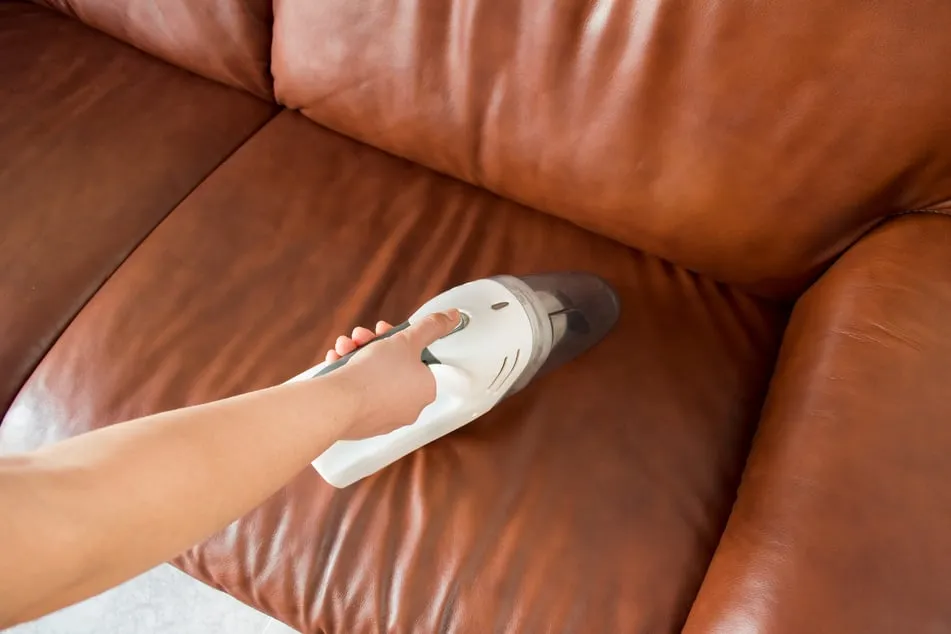
- Vacuum with a brush attachment: Gently vacuum your leather sofa with a brush attachment to clean seams and crevices without causing damage.
Combat Humidity and Mold
While heat is dry, humidity levels can rise during certain months, which may lead to mould growth on leather furniture. To protect against this:
- Maintain a controlled indoor climate: Use air conditioning to regulate humidity levels in your home. The ideal humidity range is between 40-60%.
- Use silica gel packs or dehumidifiers: Place these in rooms with leather furniture to absorb excess moisture and prevent mould.
Address Stains and Spills Immediately
Spills can quickly dry in a hot climate, leaving stains that are hard to remove. Act promptly to minimise damage:
- Blot spills immediately: Use a clean cloth to blot—not rub—spills, preventing liquid from sinking into the leather.
- Use a gentle cleaner: Clean stains with a mild leather cleaner or a DIY solution like vinegar and olive oil.
- Avoid harsh chemicals: Never use bleach, ammonia, or strong solvents, as these can damage the leather’s surface.
Rotate Cushions and Pillows
Regularly rotate cushions and pillows on your leather furniture to prevent uneven wear and fading. This practice helps your leather items look consistent and maintain their shape.
Store Leather Furniture Properly
If you plan to leave your leather furniture unused for a while, such as during a vacation, cover it with a breathable cloth to protect it from dust and sunlight.
Professional Leather Care
Schedule professional leather cleaning and conditioning services once or twice a year. Experts can deeply clean, condition, and restore your leather furniture, ensuring it lasts despite the harsh climate.
By following these maintenance tips, your leather furniture can withstand challenging climates, keeping it beautiful, durable, and comfortable for years. Regular care and attention will help preserve its value, making it a lasting investment in your home.
Common Mistakes to Avoid When Cleaning Leather Sofas
Leather sofas are a stylish and durable investment, but they do require proper care to maintain their beauty and longevity. Many people make simple mistakes when cleaning leather furniture that can lead to long-term damage. Here’s a breakdown of common mistakes and the right ways to clean your leather sofa.
Using Harsh Chemicals
Harsh chemicals like bleach, ammonia, or abrasive cleaners can strip away the protective layer of leather, causing discolouration, cracking, and damage.
What to do instead:
- Stick to leather-specific cleaners or natural alternatives, such as a vinegar and olive oil solution.
- Always test any cleaner on a small, hidden area of the sofa before applying it to the entire surface.
Over-Wetting the Leather
Leather is porous and absorbs moisture. Too much water can cause it to swell, stretch, or crack, and excessive moisture can lead to mould growth.
What to do instead:
- Use a damp (not wet) cloth when cleaning. Wring out excess water before applying.
- After cleaning, use a dry, soft cloth to remove any remaining moisture.
Scrubbing Too Hard
Aggressive scrubbing can damage the surface of leather, causing scratches, scuffs, or permanent marks.
What to do instead:
- Use a soft microfiber cloth or sponge and work in gentle circular motions to lift dirt and grime.
- Avoid using hard brushes or rough scrubbing pads.
Ignoring Spills
Spills on leather can quickly become stains if not cleaned promptly. Waiting too long or trying to clean them after the liquid has seeped in can make removal difficult.
What to do instead:
- Act immediately when a spill happens—blot, don’t rub, to absorb the liquid and prevent it from soaking into the leather.
- For stubborn stains, use a mild cleaner or leather-specific product.
Using the Wrong Cleaning Tools
Using rough towels, rags, or paper towels can scratch the leather and cause micro-tears.
What to do instead:
- Always use a soft microfiber cloth to clean the leather. These are gentle and effective at lifting dirt without causing damage.
- Never use paper towels, as their texture can harm the leather.
Forgetting to Condition
Leather needs regular conditioning to stay soft and flexible. Skipping this step can cause it to dry out and crack.
What to do instead:
- Apply a leather conditioner after cleaning to nourish and protect the material.
- Condition your leather furniture every few months or more often if you’re in a dry climate.
Using Too Much Cleaner
Excess cleaner can leave behind a sticky or greasy residue and may clog the leather’s pores.
What to do instead:
- Use a small amount of cleaner—less is more.
- Apply the cleaner to a cloth first, not directly onto the leather, and gently buff it in.
Not Testing Products First
Not all leather cleaners are suitable for every type of leather. Using the wrong product can cause discolouration or damage.
What to do instead:
- Always test any new product on a small, inconspicuous area before applying it to the entire piece.
- Check that the product is suitable for the type of leather you are cleaning.
Neglecting Regular Maintenance
Leather furniture requires ongoing care to prevent damage from dust, dirt, and moisture. Skipping regular cleaning and conditioning can lead to long-term deterioration.
What to do instead:
- Clean your leather sofa at least once a month to remove dust and dirt.
- Condition the leather every few months to maintain its natural oils.
Using Leather Cleaners Too Frequently
Excessive cleaning can strip the leather of its natural oils, leading to a dull appearance and increased wear.
What to do instead:
- Clean your leather sofa as needed, but avoid excessive cleaning.
- Stick to regular dusting and spot cleaning, and save deep cleaning for occasional maintenance.
By avoiding these common mistakes and following proper leather care guidelines, your leather sofa can remain beautiful and durable for years to come. Regular gentle cleaning and conditioning are essential to maintaining the luxurious look and feel of leather furniture.
Conclusion
Proper care for your leather sofa is crucial for maintaining its durability and elegance, particularly in Dubai’s harsh climate. By steering clear of common mistakes such as using harsh chemicals, over-wetting the material, or skipping regular maintenance you can preserve your leather furniture’s beauty and longevity. Whether you opt for professional cleaning services or choose to clean it yourself, consistent care will protect your investment and elevate the aesthetic of your living space. With regular cleaning, conditioning, and attention to the sofa’s environment, you’ll be able to enjoy the timeless comfort and luxury of leather furniture for many years to come.