


A clean and well-maintained air conditioner does more than cool your home it plays a vital role in maintaining indoor air quality. Regular cleaning helps the system run efficiently, lowers energy consumption, and extends the unit’s lifespan while preventing costly repairs.
Neglecting AC maintenance, however, can lead to mold, bacteria, dust buildup, and unpleasant odors. The right cleaning solutions such as mold removers, odor eliminators, antibacterial sprays, and dust cleaners target these issues directly, ensuring fresh airflow, better health, and a more comfortable living environment.
1. Understanding the Need for AC Cleaning
Air conditioners work by drawing in air, filtering it, and then cooling it before releasing it back into the room. Over time, dust, pollen, and dirt begin to collect inside the filters, ducts, and coils. Moisture from condensation often gets trapped in these areas, creating a damp environment where mold and bacteria can thrive. When the AC runs, these harmful particles and microbes are blown back into your indoor air, which can lead to allergies, asthma flare-ups, respiratory discomfort, headaches, fatigue, and even persistent bad odors. Beyond health concerns, the buildup of dust and debris restricts airflow and reduces cooling efficiency, forcing the AC to work harder.
This extra strain increases electricity bills, causes uneven cooling, and shortens the life of the system through frequent breakdowns or costly repairs. Consistent cleaning and maintenance prevent these issues, helping your AC deliver cleaner air, maintain energy efficiency, and operate smoothly for years.
2. AC Mold Cleaner
Mold inside your AC can quickly compromise indoor air quality and pose health risks such as allergies and respiratory issues. Using an AC mold cleaner helps eliminate harmful spores from coils, filters, and ducts, keeping the unit safe and hygienic. Regular use of mold cleaners not only protects your health but also ensures smooth airflow and long-term system efficiency.
What causes mold growth in AC units
Mold thrives in damp, dark environments, making air conditioners a prime location for growth. The combination of condensation, humidity, and trapped dust inside coils and ducts creates a breeding ground for spores. Poor ventilation, clogged filters, and infrequent cleaning accelerate mold buildup, which can quickly spread through your home or office when the AC is running.
Benefits of using a mold cleaner (health protection, better airflow)
Using a dedicated AC mold cleaner helps eliminate spores at the source, preventing them from circulating indoors. This not only safeguards your health by reducing risks of allergies, asthma, and respiratory issues, but it also restores fresh airflow. A mold-free AC unit runs more smoothly, provides cleaner air, and reduces strain on the system, improving overall efficiency.
Safe usage tips and precautions
When applying a mold cleaner, always wear gloves and a mask to protect against exposure. Turn off and unplug the AC before cleaning, and ensure proper ventilation in the room. Avoid harsh chemicals that may damage components or leave harmful residues opt for cleaners designed specifically for air conditioners. Always follow manufacturer instructions carefully for safe and effective results.
Recommended professional vs. DIY mold cleaning methods
Choosing between DIY and professional mold cleaning depends on the severity of the buildup. While simple cleaners can handle minor issues, deep mold requires expert care for safe and lasting results.
| Method | When to Use | Approach | Effectiveness |
| DIY Mold Cleaning | Mild mold buildup | Use AC-safe mold cleaners or a mixture of mild detergent and water | Effective for surface-level mold but may not reach deep areas |
| Professional Mold Cleaning | Severe mold growth in coils, ducts, or hard-to-reach parts | Experts use advanced tools, specialized treatments, and thorough cleaning methods | Highly effective, prevents recurrence, and ensures long-term air quality |
3. AC Odor Remover
Why ACs develop unpleasant smells: Air conditioners can emit foul odors when contaminants accumulate inside the system. Mold and mildew growing on damp coils or in clogged filters release a musty smell. Bacteria thriving in moist areas of the unit can produce sour or rotten odors. Dust and debris trapped in ducts may also burn slightly when airflow increases, causing a dusty or smoky scent. In some cases, refrigerant leaks or stagnant water in the drainage system contribute to bad smells as well.
Features to look for in an effective odor remover: A good AC odor remover should do more than just mask smells it should neutralize them at the source. Look for cleaners that contain antibacterial or antifungal properties to kill odor-causing microbes. A fast-drying formula, non-toxic ingredients, and compatibility with AC components are essential. Odor removers that also leave behind a light, fresh scent can enhance indoor comfort without overwhelming the air with strong fragrances.
Natural remedies vs. chemical odor removers: Natural remedies, such as vinegar or baking soda solutions, are safe, eco-friendly, and effective for mild odor issues. They work well for regular maintenance but may not completely eliminate deep-seated mold or bacterial smells. Chemical odor removers, on the other hand, are stronger and specifically designed to tackle stubborn odors inside AC systems. However, it’s important to choose non-corrosive and AC-safe formulas to avoid damaging sensitive parts of the unit.
How regular use prevents recurring odors: Consistent use of odor removers keeps your air conditioner fresh and prevents unpleasant smells from returning. By treating the system periodically, you stop mold, bacteria, and dust from building up again. Pairing odor removers with regular filter cleaning and professional servicing ensures long-term freshness and healthier indoor air quality. Preventive care is always easie and cheaper than dealing with persistent bad odors later on.
4. Air Conditioner Antibacterial Cleaner
Importance of killing germs and bacteria inside AC units: Air conditioners continuously circulate air throughout your living or working space. If bacteria are present inside the unit, they can easily spread indoors, contaminating the air you breathe. This increases the risk of respiratory infections, allergies, and poor indoor air quality. Using an antibacterial cleaner ensures harmful microbes are eliminated, keeping your AC hygienic and your environment safe.
Key ingredients and how they work: Most antibacterial AC cleaners contain disinfecting agents such as quaternary ammonium compounds, hydrogen peroxide, or alcohol-based solutions. These ingredients penetrate surfaces, killing bacteria and preventing regrowth. Some advanced cleaners also include antifungal properties to stop mold spores from developing. A good antibacterial cleaner should be effective yet gentle enough not to damage coils, filters, or ductwork.
Benefits for allergy and asthma sufferers: For individuals with allergies or asthma, bacterial buildup in AC units can worsen symptoms and trigger attacks. Antibacterial cleaners help reduce airborne irritants, creating a cleaner, healthier breathing environment. By removing hidden germs, these cleaners minimize the risk of sinus infections, sneezing, coughing, and skin irritation, making the indoor atmosphere safer for sensitive individuals.
Step-by-step guide to applying antibacterial cleaners safely:
- Turn off and unplug the AC unit before starting the cleaning process.
- Remove or clean the filters to allow better access to coils and vents.
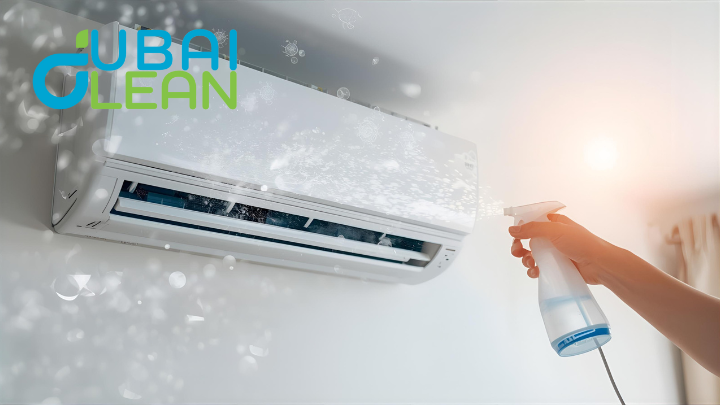
- Spray the antibacterial cleaner evenly on coils, vents, and other interior surfaces.
- Allow the solution to sit for the recommended time so it can kill bacteria effectively.
- Wipe or rinse (if instructed by the product label) to remove residue.
- Dry the components completely before turning the AC back on.
Using antibacterial cleaners as part of your regular maintenance routine ensures long-term protection and a healthier indoor environment.
5. AC Dust and Dirt Removal
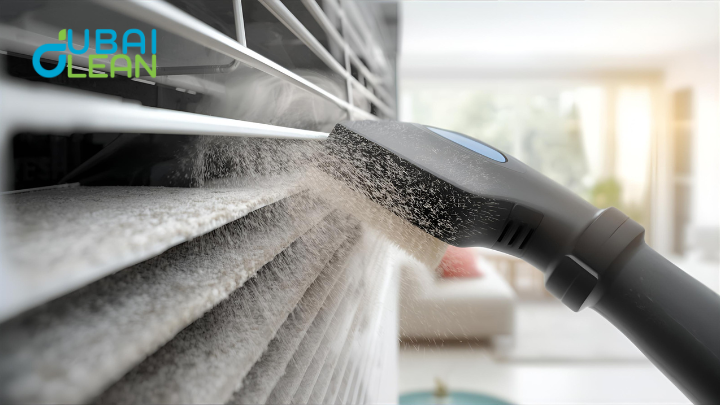
Dust buildup is one of the biggest threats to an air conditioner’s performance and indoor air quality. When particles clog filters and settle on coils, airflow becomes restricted, forcing the unit to work harder and consume more energy. This not only reduces cooling efficiency but also spreads allergens and fine particles throughout your home, which can trigger sneezing, eye irritation, and respiratory discomfort.
To tackle this, both DIY and professional cleaning methods are available. Simple tools like HEPA vacuums, coil brushes, fin combs, and dust removal sprays are effective for routine cleaning, especially on filters and vents. However, when dust penetrates deeper into coils, ducts, and hidden areas, professional deep cleaning is the better choice. Experts use specialized equipment and treatments to fully restore efficiency, improve air quality, and extend the lifespan of your AC.
6. Maintenance Tips to Keep Your AC Fresh and Efficient
How often to clean your AC unit: Regular cleaning is essential for keeping your AC in top condition. Filters should be cleaned or replaced every 1–2 months during peak usage. A general surface clean can be done monthly, while a more thorough cleaning of coils, ducts, and vents should be scheduled at least once or twice a year. If you live in a dusty environment or use the AC heavily, more frequent maintenance may be necessary.
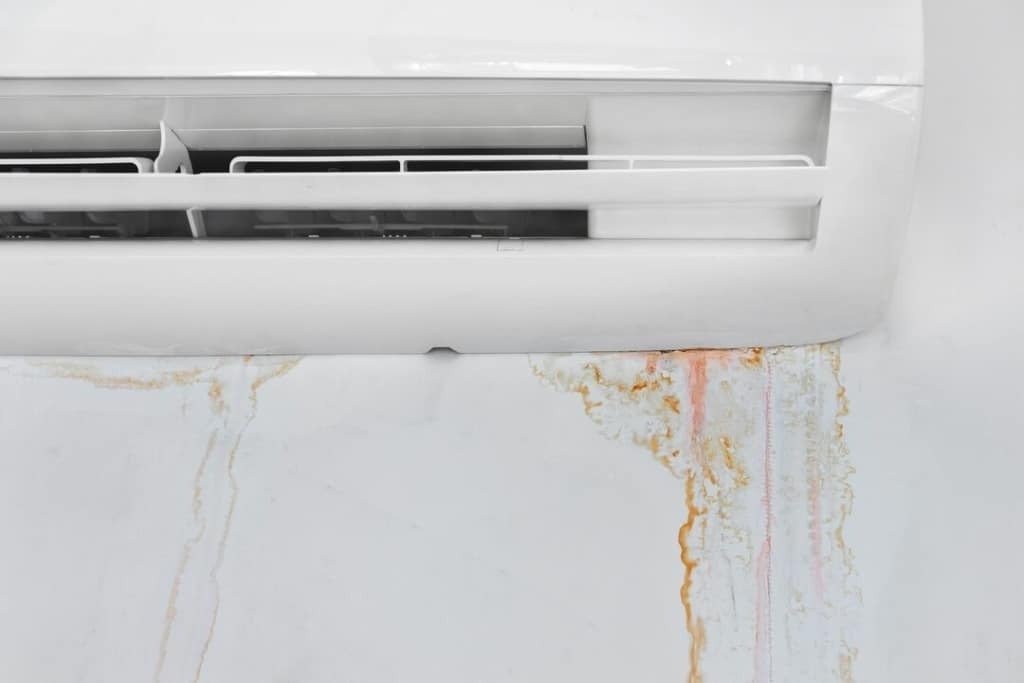
Signs your AC needs immediate cleaning: Several warning signs indicate that your AC requires urgent attention. These include reduced cooling performance, higher-than-usual electricity bills, or unusual noises during operation. A musty or foul smell when the AC is running often signals mold or bacterial growth. Visible dust around vents, water leakage, or frequent allergy flare-ups indoors are also clear signs that it’s time for a deep clean.
Preventive care tips for long-term efficiency and freshness: Prevention is the best way to keep your AC running smoothly. Always keep windows and doors closed when the AC is on to reduce dust intake. Use high-quality filters to trap finer particles and replace them on time. Schedule annual professional servicing to clean areas you can’t reach and check for hidden issues. Keeping the surrounding area dust-free, along with regular filter maintenance, ensures fresher air, lower energy consumption, and a longer lifespan for your unit.
7. Conclusion
A well-maintained air conditioner does far more than just cool your home it plays a crucial role in protecting your health, improving indoor air quality, and keeping energy bills under control. Without regular cleaning, dust, mold, and bacteria accumulate inside the unit, leading to foul odors, reduced efficiency, and higher running costs. Over time, neglecting maintenance can also cause frequent breakdowns and shorten the lifespan of your system.
To avoid these problems, it’s important to choose the right DubaiClean for your specific needs. Mold removers target harmful spores, odor eliminators keep your space smelling fresh, antibacterial sprays kill germs, and dust removal tools ensure smooth airflow. By using the right solutions consistently, you can keep your AC fresh, healthy, and efficient your lungs and your electricity bill will thank you.