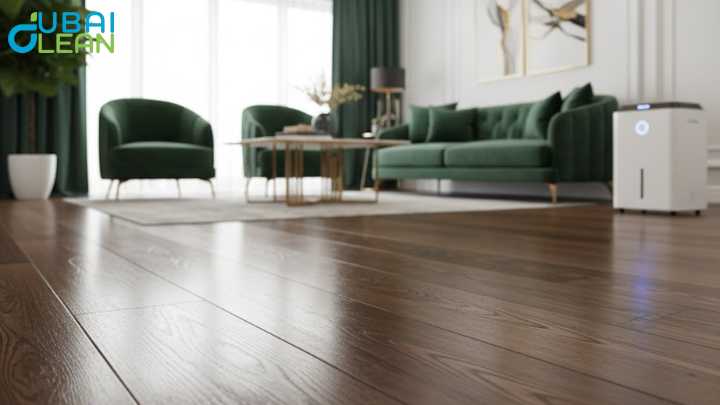



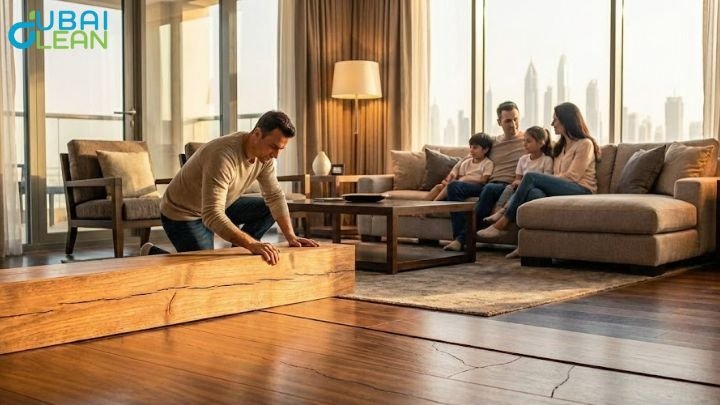
Wood shrinkage and cracking is a common issue in Dubai’s villas and luxury apartments, affecting doors, flooring, and cabinetry. The city’s extreme heat, sudden humidity changes, and constant air-conditioning cause wood to expand and contract, leading to cracks over time. Ignoring these early signs can result in costly repairs and reduce the value of premium interiors, posing a financial risk for homeowners. Small hairline cracks can quickly worsen if not addressed by professionals. With expert carpentry solutions, homeowners can prevent long-term damage and preserve both safety and aesthetic appeal.
1. What Is Wood Shrinkage? Understanding the Science
Wood shrinkage occurs when natural wood loses or gains moisture in response to changes in temperature and humidity. As the wood dries, it contracts, and when it absorbs moisture, it expands. This natural movement can cause minor cracks or gaps, especially in regions like Dubai where indoor and outdoor climates fluctuate drastically. Understanding how wood reacts to these environmental factors is essential to maintaining its integrity.
Not all cracks indicate serious damage. Normal seasonal movement results in small, uniform expansions and contractions that are generally harmless. Structural cracking, on the other hand, appears as deep, uneven splits or warped surfaces, often caused by poor installation, low-quality wood, or prolonged exposure to extreme conditions. Recognizing the difference helps homeowners take timely action before minor issues escalate into costly repairs.
In Dubai homes, a variety of wood types are commonly used for luxury interiors, including solid hardwood for doors, engineered wood for flooring, and premium plywood for wardrobes and cabinetry. Each type reacts differently to moisture and temperature changes, making it important to choose materials suitable for the local climate. Proper selection and professional installation can significantly reduce the risk of shrinkage and cracks, preserving both the beauty and durability of premium interiors.
2. Why Wood Cracks Are More Common in Dubai
In Dubai, wood cracks are a frequent problem due to the city’s harsh climate and indoor conditions. Extreme heat combined with rapid cooling from air conditioning causes wood to expand and contract repeatedly. Low indoor humidity from constant AC use further dries out wooden surfaces, making them prone to splitting. Additionally, poor-quality or non-seasoned wood and improper installation without expansion gaps increase the likelihood of visible cracks.
Climate Impact
The extreme outdoor heat and sudden indoor cooling create stress on wooden materials, causing them to shrink and expand more than they naturally would. Over time, this repeated movement weakens the wood, resulting in cracks and warping in doors, flooring, and cabinetry.
Installation & Material Factors
Using non-seasoned or low-quality wood exacerbates the problem, as it is less stable under Dubai’s temperature fluctuations. Improper installation without adequate expansion gaps restricts natural wood movement, causing pressure points that lead to splits and long-term structural damage.
3. Common Areas Affected by Wood Shrinkage in Luxury Homes
Wood shrinkage can affect multiple areas in luxury homes, often compromising both aesthetics and functionality. Solid wood doors and frames may develop gaps or misalign, while built-in wardrobes and cabinetry can warp or crack. Wooden flooring and skirting boards are also prone to splitting or uneven surfaces. Even staircases, handrails, and decorative panels can show signs of shrinkage if not properly.
| Area Affected | Common Issue |
| Solid Wood Doors & Frames | Gaps, warping, misalignment |
| Built-in Wardrobes & Cabinetry | Cracks, panel separation, sticking doors |
| Wooden Flooring & Skirting Boards | Splitting, uneven surfaces, buckling |
| Staircases & Handrails | Cracks, loose joints, structural weakness |
| Decorative Panels & Moldings | Warping, surface cracks, detachment |
4. Early Warning Signs Homeowners Should Never Ignore
Homeowners should pay: close attention to early warning signs of wood shrinkage, as catching issues early can prevent costly repairs. Hairline cracks on wooden surfaces and gaps between panels or frames often indicate that the wood is contracting or expanding beyond its normal range. These small signs, if ignored, can worsen over time and affect the overall structural integrity and appearance of luxury interiors.
Other indicators include: squeaking doors, misaligned cabinets, and visible warping or uneven flooring. These symptoms suggest that wood movement is affecting both functionality and aesthetics. Prompt professional assessment can address these issues before they escalate, preserving the quality and value of premium interiors.
5. Is Wood Shrinkage Dangerous?
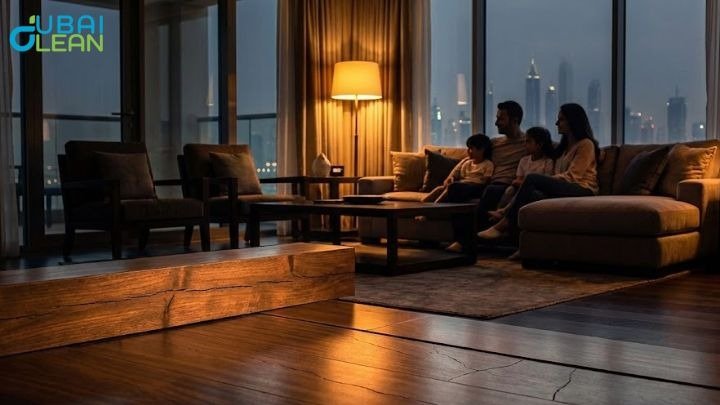
Wood shrinkage can pose serious risks in luxury homes, especially when left unaddressed. Cracks not only affect the appearance of premium interiors but can also compromise structural integrity. Weakening of load-bearing elements, combined with moisture-related issues, can create safety hazards and lead to costly repairs. Understanding the potential dangers helps homeowners take proactive measures to protect both their property and investment.
- Cracks can weaken load-bearing wooden beams and supports.
- Doors or cabinets may fall, stick, or malfunction due to misalignment.
- Moisture can seep into cracks, promoting mold growth.
- Termites and other pests may infest weakened wood areas.
- Uneven flooring or warped surfaces can create tripping hazards.
- Long-term exposure can damage luxury finishes and reduce property value.
- Ignoring early signs often leads to expensive, extensive repairs.
- Reduced insulation efficiency as gaps allow air and dust to enter.
- Compromised aesthetic appeal, affecting the overall elegance of interiors.
Conclusion:
In conclusion, wood shrinkage and cracks in Dubai homes pose both aesthetic and structural risks, often caused by extreme temperatures, low indoor humidity, poor-quality materials, or improper installation. Proactive care, including regular inspections and preventive maintenance, is far more effective than reactive repairs once damage occurs. Homeowners are strongly encouraged to seek professional evaluation and expert carpentry solutions to preserve the beauty, safety, and value of their luxury interiors for the long term.