


You’re enjoying Dubai’s premium indoor comfort when suddenly your AC starts blowing warm air. You check the unit and discover ice forming on the coils – a sight that seems impossible in a city where outdoor temperatures regularly hit 45°C. Yet frozen evaporator coils are surprisingly common in Dubai homes, and ignoring this issue can lead to expensive repairs and uncomfortable living conditions.
Most homeowners assume a frozen coil means their AC is working too hard to cool the space. The reality is quite different, and understanding why your frozen evaporator coil needs professional attention can save you thousands of dirhams in damage.
The Science Behind Frozen Coils in Dubai’s Climate
When an evaporator coil freezes, it’s a sign that something is preventing proper heat absorption. The coil’s job is to absorb heat from your indoor air, but when airflow is restricted or refrigerant levels drop, the coil temperature plummets below freezing.
In Dubai’s extreme heat, this creates a particularly dangerous situation. Your AC system works overtime trying to compensate, leading to:
- Compressor strain and potential failure
- Complete system shutdown
- Water damage from melting ice
- Skyrocketing electricity bills
The irony is that while Dubai’s blazing heat makes indoor cooling essential, it also masks the early warning signs that lead to frozen coils.
Common Causes Specific to Dubai Homes
Sand and Dust Accumulation
Dubai’s desert environment creates unique challenges for HVAC systems. Fine sand particles infiltrate even the most sealed units, gradually coating evaporator coils and blocking airflow. Unlike typical dust, desert sand has abrasive properties that can damage delicate coil fins over time.
Many residents underestimate how quickly sand accumulates, especially during shamal winds or construction activity in rapidly developing neighborhoods like Dubai South or Mohammed Bin Rashid City.
Oversized Units and Short Cycling
Dubai’s villa market often features oversized AC systems installed to handle extreme summer loads. While this seems logical, oversized units frequently short-cycle, turning on and off rapidly without completing full cooling cycles. This prevents proper moisture removal and can cause coils to freeze during brief operating periods.
High-Rise Apartment Ventilation Issues
Dubai’s towering residential buildings present unique airflow challenges. Poor ventilation design, combined with sealed windows and doors, creates negative pressure that restricts airflow to evaporator coils. This is particularly common in older buildings in areas like Jumeirah Lake Towers or Dubai Marina.
What Most Homeowners Get Wrong
The biggest mistake homeowners make is attempting to “fix” a frozen evaporator coil by simply turning off the AC and letting it thaw. While this temporarily resolves the ice problem, it doesn’t address the underlying cause.
Here’s what typically happens: The ice melts, the AC seems to work normally for a few days, then the freezing returns – often worse than before. Each freeze-thaw cycle stresses the system components and pushes you closer to a complete breakdown during Dubai’s peak summer months when replacement parts are scarce and technician availability is limited.
Another common error is assuming that frozen coils mean the refrigerant is “too cold.” In reality, low refrigerant levels are often the culprit, causing the remaining refrigerant to expand excessively and drop temperatures below freezing.
Why Professional Diagnosis Matters
Hidden Refrigerant Leaks
Refrigerant leaks in Dubai homes often occur at connection points that have expanded and contracted repeatedly due to extreme temperature variations. These micro-leaks are nearly impossible to detect without specialized equipment and can take months to manifest as noticeable performance issues.
Professional technicians use electronic leak detectors and pressure testing to identify leaks that homeowners miss. They also understand which refrigerant types are compatible with Dubai’s climate conditions and local regulations.
Electrical Component Failures
Dubai’s power grid experiences voltage fluctuations that can damage AC electrical components over time. A frozen evaporator coil might indicate a failing blower motor, defective capacitor, or control board issue rather than a mechanical problem.
Proper diagnosis requires testing electrical systems under load conditions that only qualified technicians should perform. Attempting DIY electrical work on AC systems in Dubai also violates local building codes and can void property insurance.
Ductwork Assessment
Many Dubai homes, particularly older villas and townhouses, have ductwork issues that contribute to frozen coils. Collapsed ducts, disconnected joints, or inadequate return air pathways create airflow restrictions that homeowners cannot easily detect.
Professional assessment includes pressure testing and airflow measurement to identify hidden ductwork problems that cause recurring freezing issues.
The Real Cost of Delayed Repairs
When a frozen evaporator coil isn’t properly addressed, the cascading effects can be devastating:
Compressor Replacement: In Dubai’s climate, a damaged compressor typically costs 3,000-8,000 AED to replace – often more than half the cost of a new system.
Secondary Water Damage: Melting ice can damage flooring, walls, and personal belongings. Dubai’s humidity makes water damage particularly problematic, leading to mold growth in hidden areas.
Emergency Service Premiums: Delaying repairs often leads to complete system failure during peak summer months when emergency service calls command premium rates and scheduling becomes difficult.
What Professional Service Involves
A thorough frozen evaporator coil diagnosis includes several steps that require specialized tools and knowledge:
Refrigerant System Analysis: Testing includes pressure checks, superheat and subcooling measurements, and leak detection using methods that work reliably in Dubai’s dusty environment.
Airflow Verification: Measuring actual airflow rates against manufacturer specifications, accounting for Dubai’s altitude and typical indoor/outdoor temperature differentials.
Electrical System Testing: Comprehensive testing of all electrical components under operating conditions, including voltage regulation assessment to account for Dubai’s power grid variations.
Preventive Recommendations: Professional technicians familiar with Dubai conditions can recommend maintenance schedules and modifications that prevent recurring issues.
Prevention Strategies for Dubai Homeowners
While professional repair is essential once freezing occurs, understanding prevention helps avoid future problems:
Change filters more frequently during sandstorm seasons. Standard monthly replacement recommendations don’t account for Dubai’s dust levels during certain times of the year.
Maintain consistent thermostat settings rather than dramatic temperature adjustments. Dubai residents often over-correct when returning from travel, creating conditions that promote freezing.
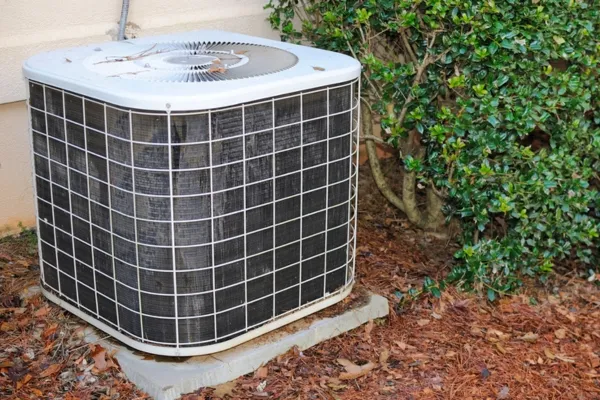
Ensure outdoor units have adequate clearance and aren’t blocked by landscaping or construction debris – common issues in Dubai’s rapidly developing communities.
Moving Forward
A frozen evaporator coil represents a system crying out for professional attention before minor issues become major expenses. In Dubai’s demanding climate, your AC system is one of your most critical home investments, and proper care ensures reliable operation when you need it most.
Rather than hoping the problem resolves itself or attempting temporary fixes, consider professional diagnosis as insurance against costlier problems down the road. The investment in proper repair and maintenance pays dividends in system longevity, energy efficiency, and peace of mind during Dubai’s intense summer months.