


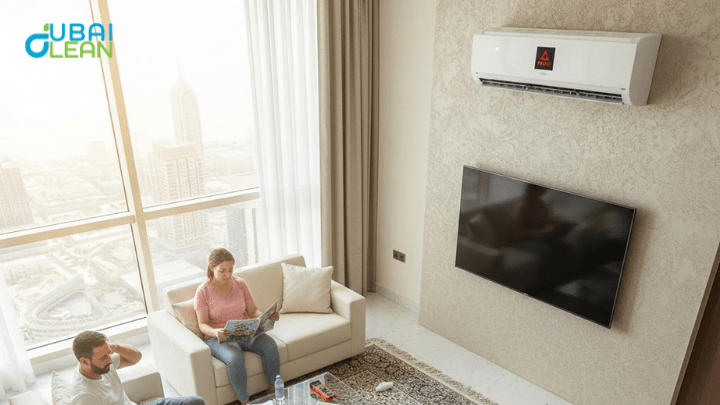
If you live in a Dubai apartment, you’ve likely faced your AC tripping during the hottest hours, leaving your home uncomfortably warm. While it may seem minor, frequent trips often signal underlying issues like clogged ducts, dirty filters, overloaded circuits, or aging components. Ignoring them can lead to higher energy bills, reduced efficiency, and potential electrical hazards. This guide explains why ACs trip during peak hours, the risks involved, and practical solutions to keep your home cool, safe, and energy-efficient.
1. Understanding AC Tripping: What Happens and Why
AC tripping occurs when your air conditioner suddenly shuts off or the circuit breaker flips, cutting power to the unit. In simple terms, it’s the system’s built-in safety mechanism to protect both the AC and your home’s electrical network from potential damage. While it may feel like an annoying disruption, it’s actually a signal that the system is under stress and needs attention.
Technically, tripping can happen for several reasons, including overheating of components, short circuits, electrical overloads, or faulty wiring and parts. For instance, when the compressor or motor draws more power than the circuit can handle, the breaker trips to prevent overheating or even fire hazards. Think of AC tripping like a car engine shutting down automatically when it overheats: just as the engine pauses to prevent permanent damage, your AC stops to avoid serious electrical or mechanical failure.
2. Common Reasons Dubai Apartment AC Trips During Peak Hours in Dubai
ACs often trip in Dubai due to overloaded circuits, dirty components, aging units, faulty wiring, or extreme heat.
a. High Load on Electrical Circuits
In many Dubai apartments, electrical circuits are shared between multiple units and a variety of household appliances. During the peak summer months, when temperatures soar and nearly every household is running their AC units to stay cool, the combined demand on these circuits can easily exceed their designed capacity. This overload often forces the breaker to trip as a protective measure, preventing potential damage to the wiring or the AC system. On top of this, fluctuations in the Dubai Electricity and Water Authority (DEWA) power supply during periods of high demand can further strain apartment circuits, making AC shutdowns more frequent. Homeowners should be aware that repeated trips during these peak hours may indicate that the electrical setup is struggling to keep up with the load.
b. Dirty or Clogged AC Components
Dubai’s environment is naturally dusty, and sand particles can quickly accumulate in homes. Over time, AC filters, ducts, and coils can become clogged with dust, sand, and other debris, significantly reducing airflow. When airflow is restricted, the AC has to work harder to maintain the desired temperature, causing components to overheat and the system to trip as a safety precaution. Even high-quality AC brands commonly used in Dubai, such as Carrier, Trane, and LG, are not immune to this issue if regular maintenance is neglected. Ensuring that coils, filters, and ducts are professionally cleaned on a regular schedule is critical to maintaining optimal airflow and preventing frequent trips during peak heat periods.
c. Old or Faulty AC Units
Aging AC units are more prone to tripping due to wear on critical components like compressors, capacitors, and wiring. In tower-style apartments or villas where systems may have been installed years ago, older units can struggle to cope with Dubai’s extreme summer heat. Common signs of an aging or faulty AC include unusual noises during operation, inconsistent cooling, frequent breaker trips, or visible corrosion and wear on internal parts. Addressing these issues early, through professional repairs or timely replacement, can prevent sudden shutdowns, reduce repair costs, and maintain consistent cooling during the hottest months.
d. Improper Electrical Installation
Incorrect or substandard electrical installation is another common reason for AC tripping. Undersized circuits, shared lines between high-power appliances, or loose connections can all lead to repeated breaker trips. A simple analogy is to imagine water pipes that are too narrow to handle a high-flow tap: just as the water cannot flow freely, electrical lines that aren’t properly sized cannot handle the power demand of your AC. Loose or poorly connected wiring during installation can further exacerbate the problem, making the system more likely to shut down during peak usage. Ensuring a properly installed, dedicated electrical line for your AC is crucial for stable performance and preventing frequent trips.
3. Risks of Ignoring AC Tripping
Ignoring repeated AC tripping may seem harmless at first, but it can quickly lead to serious consequences for both comfort and safety. One immediate effect is higher energy bills, as each shutdown and restart consumes extra electricity especially during Dubai’s peak summer hours when power demand is at its highest. Frequent tripping also accelerates wear and tear on key components like compressors, capacitors, and fans, shortening the lifespan of your AC and potentially leading to costly repairs or premature replacement.
Beyond efficiency issues, neglected AC tripping can pose significant electrical hazards. Faulty wiring or overloaded circuits increase the risk of short circuits and, in extreme cases, fires, putting your home and family at risk. Additionally, repeated shutdowns create discomfort and health concerns during Dubai’s scorching summers, particularly for children, the elderly, and individuals with respiratory conditions, who may face heat stress, dehydration, or disrupted sleep.
4. How to Diagnose the Root Cause
1. Check the Breaker Panel and Circuit Capacity: Start by inspecting your breaker panel to see if the tripping is due to an overloaded circuit. Ensure your AC is running on a dedicated line suitable for its power rating. In many Dubai apartments, shared circuits can cause frequent shutdowns during high-demand hours.
2. Inspect AC Filters, Ducts, and Condenser Coils: Clogged filters, dusty ducts, or dirty condenser coils can restrict airflow, forcing the AC to work harder and overheat. Carefully examine these components or schedule a professional cleaning to ensure optimal airflow. This is especially important in Dubai, where dust and sand accumulation is common.
3. Look for Signs of Old Wiring, Burnt Smells, or Unusual Noises: Check for any visible wear on wiring, scorch marks, or the smell of burning. Listen for unusual noises from the compressor or fan motors. These are clear indicators of electrical or mechanical issues that require immediate attention.
4. Hire a Certified AC Technician Familiar with Dubai Standards: Even if you identify potential problems, it’s safest to hire a certified AC technician who understands Dubai-specific standards, brands like Carrier, Trane, or LG, and local environmental factors. A professional can accurately diagnose the root cause, perform safe repairs, and prevent future tripping.
5. Practical Solutions to Prevent AC Tripping
a. Regular AC Maintenance: Consistent maintenance is the most effective way to prevent tripping. Schedule professional cleaning of ducts, coils, and filters every 3–6 months to ensure your AC runs efficiently. In Dubai, where dust, sand, and humidity can accumulate quickly, this is especially critical. Trusted local service providers such as DubaiClean, Mr. Duct, or certified technicians familiar with brands like Carrier, Trane, and LG can handle these tasks safely and effectively.
b. Electrical Upgrades: Sometimes, frequent tripping is caused by circuits that aren’t designed to handle high-power AC units. Upgrading your apartment’s wiring, installing dedicated AC lines, or using surge protectors and stabilizers can protect your system during peak hours and prevent breaker trips. This is particularly important in tower-style apartments where multiple units may share the same electrical load.
c. Upgrade or Replace Old Units: Older AC units may struggle to cope with Dubai’s extreme summer heat. Consider evaluating your system’s efficiency ratings (EER/SEER) and upgrading to energy-efficient models. Inverter ACs are ideal as they provide consistent power draw, reduce tripping risks, and maintain stable cooling even during peak load periods.
d. Optimize Usage Habits: How you use your AC can significantly reduce the risk of tripping. Avoid setting the thermostat to extremely low temperatures during peak hours, as this increases the load on your system. Pre-cooling rooms early in the day before the hottest hours can help maintain comfort without overworking the unit. Simple usage adjustments like these can make a noticeable difference in preventing shutdowns.
6. When to Call a Professional
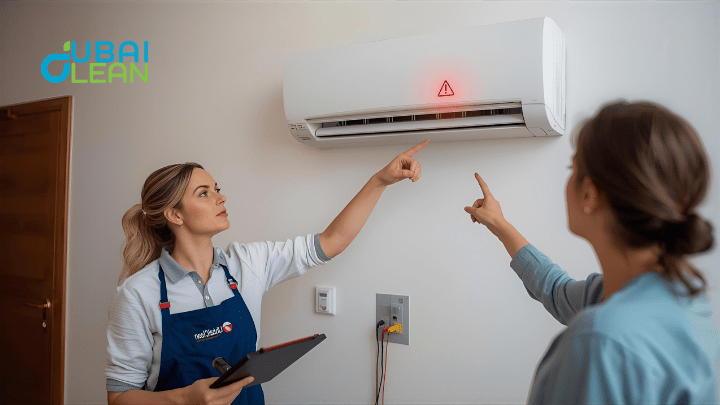
While some AC tripping issues can be managed with basic maintenance, certain situations require the expertise of a certified technician.
Persistent Tripping Despite Maintenance – If your AC continues to trip even after cleaning filters, ducts, and coils, it’s a clear sign of an underlying electrical or mechanical problem that needs professional attention.
Signs of Electrical Faults – Be alert for warning signs such as sparks, the smell of burning, or unusual noises coming from the AC unit. These are indicators of potentially serious electrical issues that should never be ignored, as they can pose safety risks.
Choosing the Right Technician in Dubai – When hiring a professional, ensure they are certified, experienced with local standards, and familiar with popular AC brands like Carrier, Trane, or LG. Look for technicians or service providers with positive reviews, clear pricing, and proper safety protocols. Trusted options in Dubai include DubaiClean, Mr. Duct, or licensed local service companies specializing in residential AC maintenance.
Calling a professional at the right time not only ensures your AC operates safely and efficiently but also helps prevent costly repairs and prolongs the life of your system.
7. Conclusion
AC tripping during Dubai’s peak summer hours is more than a minor inconvenience it often signals electrical overload, clogged components, aging units, or installation issues. Ignoring these problems can lead to higher energy bills, faster wear and tear, electrical hazards, and discomfort for your family, particularly children and the elderly.
The good news is that most issues can be prevented with proactive measures. Regular AC maintenance, timely electrical upgrades, replacing old units, and smart usage habits can reduce the risk of tripping. For persistent or serious problems, hiring a certified AC technician familiar with Dubai standards ensures your system runs efficiently, safely, and reliably.