


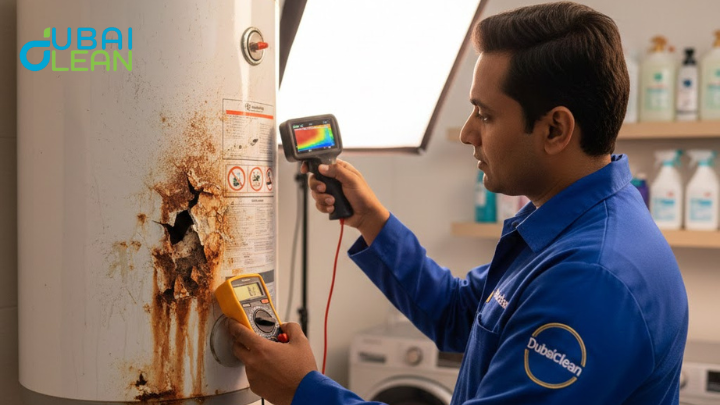
A water heater that fails to heat water can disrupt daily routines and affect home comfort. From cold showers to inefficient energy use, the problem can range from minor issues to serious safety hazards. Understanding why your water heater is not heating water is key to finding the right solution. In this guide, we explore the most common causes, practical troubleshooting tips, and professional solutions. Whether it’s an electric or gas heater, these expert insights will help you restore reliable hot water safely and efficiently.
1. Why Your Water Heater Fails to Heat Water
Water heaters, whether electric or gas-powered, are essential for daily comfort, but they can occasionally fail to heat water due to technical faults. Electrical issues, gas supply problems, or malfunctioning internal components can prevent the heater from working efficiently. Identifying these issues early is crucial, as delays can lead to costly repairs, energy wastage, and potential safety hazards in your home.
Several common problems can cause a water heater to stop heating properly. These include thermostat malfunctions, sediment build-up at the bottom of the tank, faulty heating elements in electric models, or tripped circuit breakers disrupting power supply. Each of these issues affects the heater’s ability to provide consistent hot water, often leaving homeowners frustrated with lukewarm or completely cold water.
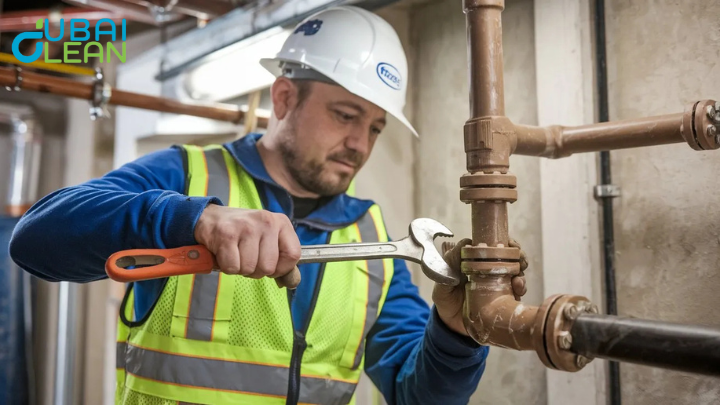
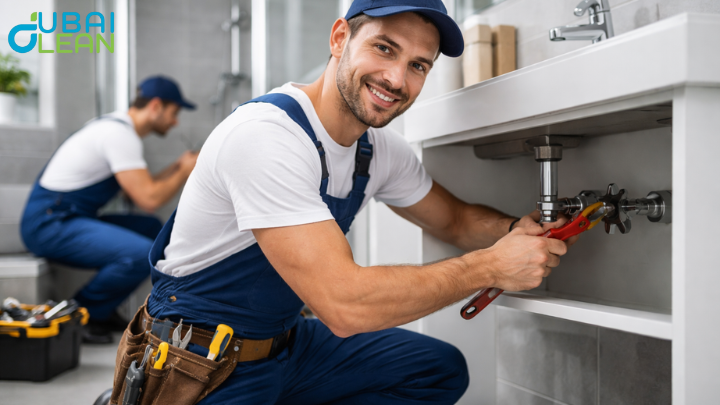
While minor issues like resetting a tripped breaker may seem manageable, most water heater problems require professional attention. Attempting DIY repairs on electrical or gas units can be dangerous and may void warranties. Consulting certified technicians ensures a safe inspection and effective solution, giving your water heater a longer lifespan and restoring reliable hot water for your home.
2. Signs That Heater Needs Immediate Attention
Recognizing the warning signs of a failing water heater is crucial to prevent inconvenience, costly repairs, or safety hazards. Early detection ensures that your home stays comfortable, and your water heater operates efficiently without risking electrical or gas-related issues.
Cold or Inconsistent Water
One of the most obvious signs that your water heater needs attention is water that is unusually cold or fluctuates in temperature. This can indicate a malfunctioning thermostat, a faulty heating element, or a sediment build-up in the tank. Ignoring these symptoms can lead to longer repair times and higher energy bills as the heater struggles to maintain warmth.
Strange Noises and Leaks
Unusual noises, such as popping, banging, or hissing, often signal sediment accumulation or internal pressure issues in the tank. Similarly, leaks from valves or pipes indicate worn-out components that require immediate repair. These issues not only reduce heating efficiency but can also pose serious safety hazards, including water damage and risk of electrical shocks.
3. Step-by-Step Water Heater Problems
Before calling a professional, homeowners can perform a few safe checks to identify simple water heater issues. These steps help determine whether the problem is minor or requires expert attention. Following proper precautions ensures safety while saving time and potential repair costs.
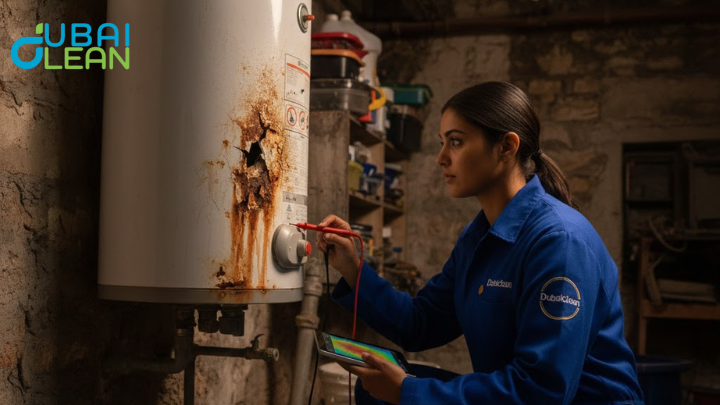
| Problem | Possible Cause | Recommended Action |
| No hot water | Tripped circuit breaker or power outage | Check the breaker and restore power |
| Water too cold | Thermostat set too low or faulty | Adjust thermostat to recommended temperature or replace if needed |
| Strange noises | Sediment build-up in the tank | Flush the tank or call a certified technician |
4. why water heater is not working
A water heater may stop working for several reasons, ranging from electrical or gas issues to mechanical failures. Common causes include a tripped circuit breaker, a faulty heating element, a broken thermostat, sediment buildup in the tank, or a malfunctioning pilot light or gas valve in gas heaters. Ignoring these issues can lead to inconsistent water temperature, no hot water, or even damage to the appliance. Regular maintenance, timely inspections, and professional repairs are essential to ensure your water heater functions efficiently and safely.
5. Safety Tips When Handling Water Heater Issues
Safety should always be the top priority when dealing with water heater problems. Before attempting any inspection or troubleshooting, ensure that the power supply is turned off for electric heaters or the gas valve is shut off for gas units. This simple step prevents the risk of electric shocks or gas leaks, which can cause serious injury or property damage. Additionally, keep children and pets away from the work area to avoid accidents during maintenance.
While some minor checks may seem manageable, DIY repairs for gas leaks, electrical faults, or internal component failures can be extremely dangerous. It’s always recommended to rely on certified technicians who follow safety standards and local regulations. Regular professional maintenance not only ensures safe operation but also prevents emergencies, improves efficiency, and extends the lifespan of your water heater, saving both time and money in the long run.
6. Tips to Avoid Water Heater Problems
Preventive care is the key to keeping your water heater running efficiently and safely. Regular maintenance helps avoid unexpected breakdowns, reduces repair costs, and ensures a consistent supply of hot water. Following simple yet effective tips can significantly extend the lifespan of your heater.
- Flush the tank at least once a year to remove sediment and prevent corrosion.
- Inspect and test the thermostat annually to ensure accurate temperature control.
- Check pressure relief valves regularly to prevent overpressure and leaks.
- Examine all water and gas connections for signs of wear or leaks.
- Maintain the thermostat at a safe operating temperature (120–140°F) to prevent scalding.
- Address minor issues immediately to prevent them from becoming major problems.
7. water heater does not heating water but has power
If your water heater shows power but isn’t producing hot water, it’s usually due to a faulty heating element, a malfunctioning thermostat, or sediment buildup. Even though the control panel lights up, the elements may not be receiving electricity, or mineral deposits could be insulating the water, preventing it from heating properly. In gas water heaters, issues with the pilot light or burner can cause similar problems while still showing power.
Simple troubleshooting can sometimes fix the issue, such as checking thermostat settings, flushing the tank to remove sediment, or inspecting heating elements. However, for safety reasons, always turn off the power or gas supply before inspecting the unit, and call a licensed technician if the problem persists. Regular maintenance helps ensure a consistent supply of hot water and prolongs the life of your water heater.
Conclusion
Water heater failures are often caused by common issues such as faulty thermostats, sediment build-up, malfunctioning heating elements, or electrical and gas-related problems. Prioritizing safety, seeking professional assistance, and following preventive maintenance can prevent emergencies and extend the life of your heater. Taking timely action not only avoids costly repairs but also ensures a reliable supply of hot water for your home. Trust DubaiClean for expert guidance, professional inspections, and safe, long-lasting water heater solutions.