


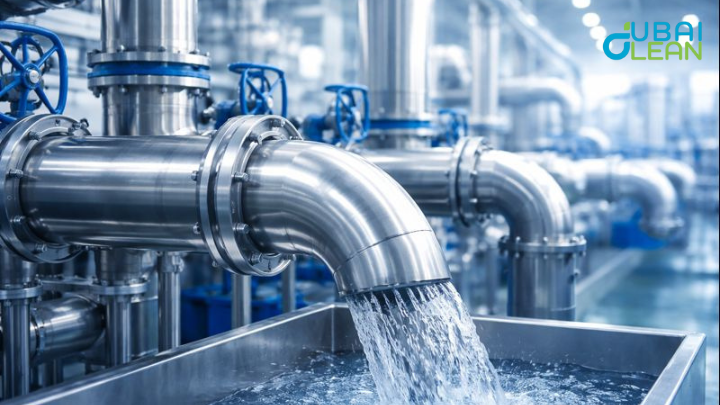
Pipelines are vital for transporting water, gas, and other fluids safely and efficiently in modern infrastructure. Over time, they can become clogged with debris, bacteria, and other contaminants, posing health and environmental risks. Regular pipeline cleaning is essential to maintain system longevity and prevent potential hazards. It ensures safe, clean transport of fluids for homes and industries alike. In this article, we highlight the importance, benefits, and environmental impact of proper pipeline maintenance.
1. Why Does Pipeline Cleaning Matter?
Pipeline cleaning is a critical maintenance practice that ensures the safe and efficient flow of fluids through the system. Over time, pipelines can accumulate scale, sludge, sediments, and other debris that restrict flow, reduce efficiency, and increase the risk of blockages. Regular cleaning prevents these buildups, helping pipelines operate at their optimal capacity and reducing the need for costly repairs or replacements.
Neglecting pipeline cleaning can have serious health implications, especially for water pipelines. Contaminants such as bacteria, algae, and biofilm can accumulate inside the pipes, leading to the potential spread of waterborne diseases. Ensuring pipelines are cleaned regularly guarantees that the fluids reaching homes, businesses, and industries remain safe for consumption and use
Pipeline cleaning also plays a crucial role in protecting the environment. Dirty or blocked pipelines can cause leaks, spills, or overflows, contaminating soil, water sources, and surrounding ecosystems. Regular maintenance minimizes such risks, promoting sustainability and helping infrastructure meet safety and environmental standards. Clean pipelines, therefore, not only protect human health but also preserve the natural environment
2. Health Benefits of Pipeline Cleaning
Regular pipeline cleaning is essential to protect public health, industrial safety, and environmental hygiene. It ensures safe drinking water by removing harmful bacteria, reduces the risk of waterborne diseases, and prevents respiratory issues caused by airborne contaminants. Cleaning also helps avoid lead and heavy metal contamination in old pipelines, safeguarding both homes and industries. In food and beverage sectors, proper pipeline maintenance guarantees hygienic production standards, ensuring consumer safety and trust.
| Health & Safety Benefit | Impact | EEAT & YMYL Relevance |
|---|---|---|
| Ensures Safe Drinking Water | Removes bacteria like E. coli and Legionella | Shows expertise in water safety and reinforces trust in health-related content |
| Reduces Risk of Waterborne Diseases | Prevents illnesses such as cholera, dysentery, and giardiasis | Demonstrates authority and responsibility over life-impacting information |
| Prevents Respiratory Issues | Minimizes exposure to chemical residues, mold, and allergens | Builds credibility for industrial health and occupational safety guidance |
3. What Are the effect of Dirty Pipelines?
Dirty pipelines can have severe consequences for both health and infrastructure. Sediment buildup, bacterial growth, and chemical residues inside pipelines can contaminate water and other fluids, leading to the spread of diseases and posing serious health risks. In industrial and residential systems, clogged or corroded pipelines reduce efficiency, increase maintenance costs, and can even cause leaks or bursts that damage property.
In addition to health hazards, unclean pipelines can harm the environment. Leaks and overflows from blocked or corroded pipelines can contaminate soil, rivers, and groundwater, affecting ecosystems and wildlife. For industries like food, beverage, and pharmaceuticals, dirty pipelines compromise hygiene standards and product safety, potentially leading to legal issues and loss of consumer trust. Regular cleaning is therefore critical to prevent these negative effects and ensure safe, sustainable operations.
4. Environmental Benefits of Clean Pipelines
Keeping pipelines clean goes beyond health and safety it plays a crucial role in protecting the environment. Regular maintenance prevents leaks, spills, and contamination that can harm soil, water sources, and surrounding ecosystems. Clean pipelines ensure that fluids flow efficiently, reducing energy consumption and minimizing carbon emissions. By prioritizing pipeline hygiene, industries and municipalities contribute to a more sustainable and eco-friendly infrastructure.
- Prevents contamination of rivers, lakes, and groundwater
- Reduces soil pollution from leaks and overflows
- Minimizes chemical discharge into natural ecosystems
- Decreases risk of harmful algae and bacterial blooms
- Supports sustainable water management practices
- Reduces energy consumption due to efficient fluid flow
- Lowers carbon footprint associated with pipeline maintenance
- Helps industries comply with environmental regulations
- Promotes long-term ecological balance and biodiversity
5. DubaiClean Pipeline Cleaning Services
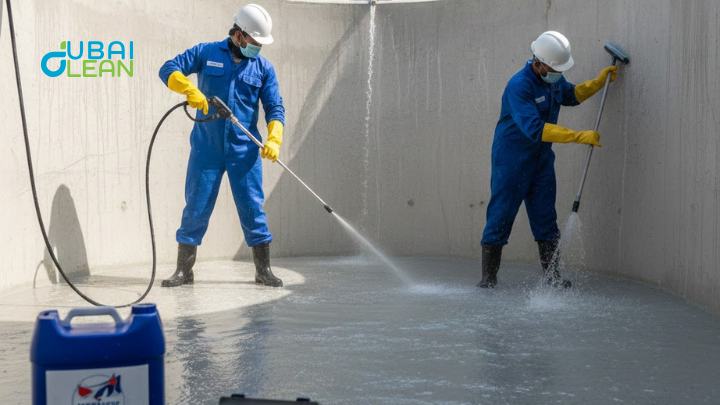
DubaiClean offers expert pipeline cleaning services across Dubai, ensuring safe, efficient, and contaminant-free pipelines for both residential and industrial clients. Using advanced cleaning technologies and eco-friendly methods, DubaiClean removes debris, bacteria, and scale buildup to maintain optimal pipeline performance. Their team of trained professionals not only prevents health hazards and environmental risks but also extends the lifespan of pipelines, providing reliable and sustainable solutions for water, gas, and industrial fluid systems.
Conclusion
Regular pipeline cleaning is vital for maintaining safe, healthy, and efficient water and fluid transport systems, preventing contamination, blockages, and corrosion while protecting both public health and the environment. DubaiClean offers professional pipeline cleaning services for residential and industrial systems, ensuring optimal performance and longevity. Don’t wait for problems to arise schedule a pipeline cleaning service today with DubaiClean and secure a cleaner, safer future for your home or business.