


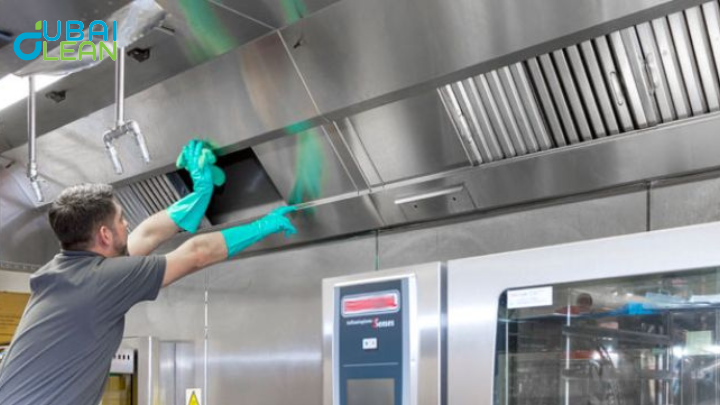
Kitchen duct cleaning is an often-overlooked responsibility, but it plays a vital role in maintaining a healthy and safe cooking environment. By removing grease, smoke, and food residue, clean ducts help reduce fire risks, improve indoor air quality, and keep the kitchen more comfortable. Without proper care, buildup inside ducts restricts airflow, creates lingering odors, and encourages the growth of harmful bacteria or mold.
For households, routine duct maintenance ensures better ventilation and extends the lifespan of kitchen equipment, while in commercial settings, it becomes even more crucial. Restaurants, hotels, and high-volume kitchens deal with heavier grease accumulation and must follow strict safety regulations. Regular professional cleaning not only ensures compliance with fire codes but also improves efficiency, lowers energy costs, and protects both staff and customers.
Understanding Kitchen Ducts
Kitchen duct cleaning services in dubai form an essential part of a kitchen’s ventilation system, working in tandem with range hoods. Their primary purpose is to pull smoke, steam, and odors away from the cooking area and push them outside. This process keeps the kitchen more comfortable while also preventing the buildup of grease and fumes indoors.
When ducts are ignored, however, they can quickly turn into a problem. Grease layers thicken along the walls of the ducts, airflow becomes restricted, and unpleasant odors linger long after meals are cooked. In some cases, pests such as insects and rodents may even find their way into neglected duct systems.
Why Kitchen Duct Cleaning Matters
A clean duct system does more than keep the air smelling fresh. It directly impacts health, safety, efficiency, and compliance. For homeowners, it means improved indoor air quality, fewer allergens, and a reduced risk of mold or bacteria growth. For restaurants and commercial kitchens, the stakes are higher, as greasy ducts are among the leading causes of kitchen fires.
There is also an efficiency factor to consider. When ducts are clear, exhaust fans work more effectively and consume less energy, which lowers overall operating costs. For businesses, regular duct cleaning is also a matter of compliance, as local fire safety codes and health regulations often mandate scheduled maintenance.
Residential vs. Commercial Kitchen Duct Cleaning
Homes and restaurants both rely on clean ducts, but their needs aren’t the same.
Residential kitchens usually face moderate buildup tied to cooking habits, while commercial spaces accumulate grease rapidly. Understanding this difference helps set realistic cleaning schedules and decide when professional service is essential.
| Aspect | Residential Kitchens | Commercial Kitchens |
| Frequency | Every 1–2 years | Every 3–6 months |
| Grease Buildup | Moderate, varies by use | Heavy due to constant cooking |
| Risks | Odors, poor ventilation, allergens | High fire risk, legal compliance |
| Maintenance | Some DIY possible | Professional service recommended |
How Kitchen Ducts Get Dirty
Ducts accumulate dirt in several ways. Everyday cooking produces grease vapors that cling to duct surfaces, slowly hardening over time. Food particles and dust may also settle inside, contributing to odors and poor airflow. Smoke and steam leave behind moisture and sticky residue, which only adds to the buildup.
The rate at which ducts get dirty varies between homes and businesses. A household that cooks lightly may only need occasional cleaning, while a commercial kitchen with daily frying and grilling can see dangerous levels of grease accumulation in just a few months.
Step-by-Step Process of Kitchen Duct Cleaning
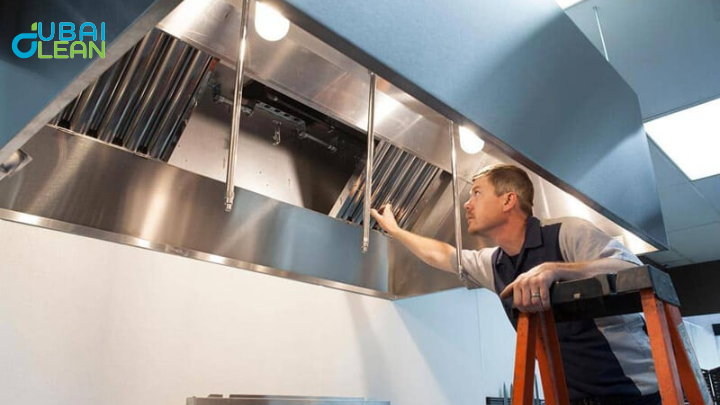
Professional duct cleaning usually starts with a detailed inspection. This helps determine how much buildup is present and whether there are any structural issues. Once assessed, the accessible parts of the system, such as hoods, filters, and fan covers, are removed.
Specialized equipment is then used to clean the ducts thoroughlyProfessional cleaners use specialized equipment such as industrial vacuums, steam systems, and eco-friendly degreasers to effectively remove hardened grease and accumulated residue from kitchen ducts. The exhaust fans, filters, and hoods are also treated to ensure they function efficiently. After cleaning, the parts are carefully reassembled and tested to make sure airflow and ventilation are back to optimal levels.
How Often Should Kitchen Ducts Be Cleaned?
The frequency of cleaning depends on how often the kitchen is used and the type of cooking being done. Residential kitchens usually benefit from a professional cleaning once every one to two years. Smaller commercial kitchens, such as cafés, may need service every six to twelve months, while high-volume restaurants and hotels often require cleaning every three to six months.
Signs that your ducts may need attention include lingering cooking odors, visible grease around vents, reduced airflow, or smoke not clearing effectively. Ignoring these signs often leads to bigger and more expensive problems later.
DIY vs. Professional Duct Cleaning
Homeowners can take on small maintenance tasks, such as wiping down vent covers, washing filters, and keeping the hood surface free of grease. However, DIY methods only scratch the surface. The real issue lies deep inside the ductwork, where grease and residue are difficult to reach without professional equipment.
Hiring a professional brings peace of mind, as experts have the right tools, cleaning agents, and experience to perform a thorough job. For businesses, professional cleaning is not just a matter of preference but a legal requirement to meet fire safety and health standards.
Preventing Excessive Buildup
Prevention is always better than cure. Regularly cleaning filters and hoods, using ventilation properly while cooking, and reducing greasy cooking habits without adequate cleanup can make a significant difference. Scheduling inspections before problems arise helps maintain a safer, cleaner, and more efficient kitchen environment.
Common Mistakes to Avoid
- Focusing only on visible surfaces while ignoring the ducts inside
- Using harsh chemicals that can corrode or damage the duct lining
- Waiting until odors, smoke, or poor airflow appear before cleaning
- Trying to dismantle ducts without proper tools or training, risking damage or accidents
Conclusion
Kitchen duct cleaning is more than just a matter of hygiene it is essential for health, safety, and efficiency. Clean ducts reduce fire risks, improve indoor air quality, and allow ventilation systems to run smoothly. For homeowners, occasional professional kitchen duct cleaning combined with good daily habits is usually enough.
For businesses, regular maintenance is both a necessity and a compliance issue.By treating duct cleaning as a routine task rather than a last-minute fix, both households and commercial kitchens can enjoy safer, healthier, and more efficient cooking spaces.