


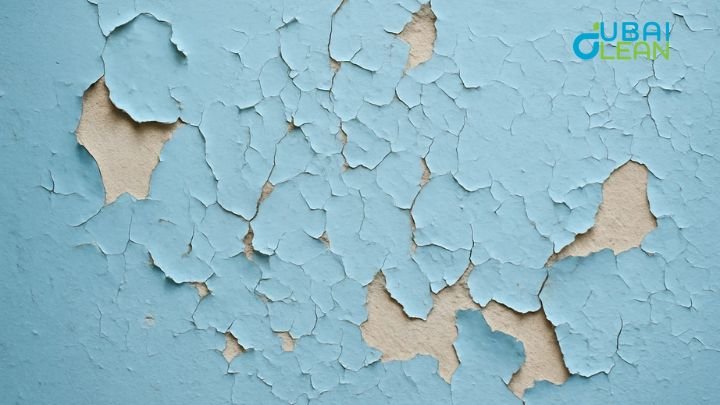
Flaking paint is one of the most frustrating problems homeowners face in Dubai, especially with the city’s hot, humid climate and occasional heavy rains. If you’ve ever walked into your living room or bedroom only to notice pieces of paint peeling off your walls, you’ve probably asked yourself: “Why is my wall paint flaking?”In this guide, we’ll explore the main causes of flaking paint, how to fix it, and expert tips to prevent it in the future. Whether you live in a villa in Jumeirah or an apartment in Downtown Dubai, understanding the root cause of paint failure can save you time, money, and stress.
1. Common Causes of Wall Paint Flaking
Flaking paint is usually a sign that something is off with your wall surface or the painting process. Understanding the main causes helps Dubai homeowners prevent damage and maintain beautiful, long-lasting walls.
Poor Surface Preparation: One of the most frequent reasons paint starts flaking is improper surface preparation. If the walls are dusty, greasy, or have remnants of old paint, the new paint will not adhere correctly. Even small particles left on the wall can prevent the paint from bonding to the surface, causing peeling over time. In Dubai’s dusty environment, this becomes even more critical, as external dust can settle on walls during the painting process.
Moisture and Humidity: Moisture is another major culprit behind flaking paint. In areas like bathrooms, kitchens, or walls exposed to leaks, water can seep behind the paint, weakening its adhesion. Dubai’s occasional heavy rains, combined with high humidity, can also cause condensation on walls, particularly in poorly ventilated rooms. Over time, this moisture leads to bubbling and flaking, which can affect both aesthetics and the underlying plaster if left untreated.
Low-Quality or Incompatible Paint: Even if the wall is perfectly prepared, using low-quality or incompatible paint can lead to peeling and flaking. Cheap paints often lack the bonding strength and durability needed for long-term use. Additionally, mixing oil-based and water-based paints without proper priming can cause the layers to separate.
2. Why Is My New Paint Flaking?
Even freshly painted walls can sometimes start flaking, leaving homeowners frustrated. Understanding the reasons behind this problem can help Dubai residents take the right steps to fix it and prevent future peeling.
Inadequate Priming or Surface Preparation
One of the most common reasons new paint flakes is poor surface preparation or skipping the primer. Primer is designed to create a strong bond between the wall and the paint. Without it, even high-quality paint struggles to adhere, especially on newly plastered walls, repaired surfaces, or walls previously painted with a different type of paint.
In Dubai, where dust and humidity are constant, walls need to be thoroughly cleaned, dried, and primed before painting. Failing to do so can cause the paint layer to lift, crack, or peel, making even new paint look old and damaged within weeks.
Extreme Humidity and Temperature During Painting
Dubai’s climate, with its high heat and occasional humidity, can significantly affect the drying and curing of paint. Applying paint during peak summer or when the indoor humidity is high can cause the top layer to dry faster than the underlying layer. This uneven drying creates weak spots, which eventually lead to bubbling, cracking, and flaking.
Even in air-conditioned homes, condensation or poorly ventilated rooms can trap moisture behind the paint, reducing adhesion and causing early peeling. Timing your painting project and controlling indoor conditions are crucial steps to ensure a smooth and durable finish.
Using the Wrong Type or Low-Quality Paint
Not all paints are suitable for every surface or environment, and using the wrong type can lead to flaking. For example, interior paints applied in high-moisture areas like bathrooms or kitchens without a waterproof formulation often peel quickly. Similarly, mixing oil-based and water-based paints without proper priming can create incompatibility between layers.
Low-quality paints may also lack binding agents or pigments strong enough to withstand environmental stress. Choosing premium, climate-appropriate paints designed for Dubai conditions ensures better adhesion, durability, and long-lasting color, preventing your freshly painted walls from flaking prematurely.
3. How to Fix Flaking Paint on Walls
Fixing flaking paint is easier when you understand the correct steps and use the right materials. Whether the damage is small or widespread, following a proper repair process ensures your walls look smooth, fresh, and long-lasting.
- Scrape Off All Loose Paint: Use a scraper or putty knife to remove every piece of peeling or unstable paint until the surface is smooth and solid.
- Repair and Smooth the Surface: Fill cracks or holes with wall filler, then sand the area lightly to create an even, paint-ready finish.
- Apply a High-Quality Primer: A primer improves adhesion and prevents future peeling, especially on newly plastered or moisture-affected walls.
- Repaint with Suitable Paint: Choose high-quality paint designed for the room type such as moisture-resistant paint for bathrooms and kitchens—and apply thin, even coats.
- Address Any Moisture Issues: Fix leaks, improve ventilation, or use waterproof coatings if moisture was the cause of the flaking.
4. How to Fix Flaking Paint
Fixing flaking paint becomes much easier when you follow a proper step-by-step process. Before repainting, it’s important to prepare the surface correctly so the new paint sticks well and lasts longer, especially in Dubai’s humid climate.
| Step | What to Do | Why It Matters |
| 1. Remove Loose Paint | Scrape off all peeling or unstable paint using a scraper or putty knife. | Ensures the new paint adheres to a clean and solid surface. |
| 2. Smooth and Repair Surface | Fill cracks with putty, then sand the area until completely smooth. | Creates an even base and prevents future cracking or peeling. |
| 3. Apply Primer | Use a high-quality primer suited for your wall and room type. | Strengthens adhesion and stops moisture from penetrating the paint layer. |
| 4. Repaint Properly | Apply thin, even coats of high-quality, climate-appropriate paint. | Helps the paint bond smoothly and last longer without flaking. |
| 5. Fix Moisture Issues | Repair leaks, improve ventilation, or use waterproof coatings. | Prevents humidity from weakening the paint and causing peeling again. |
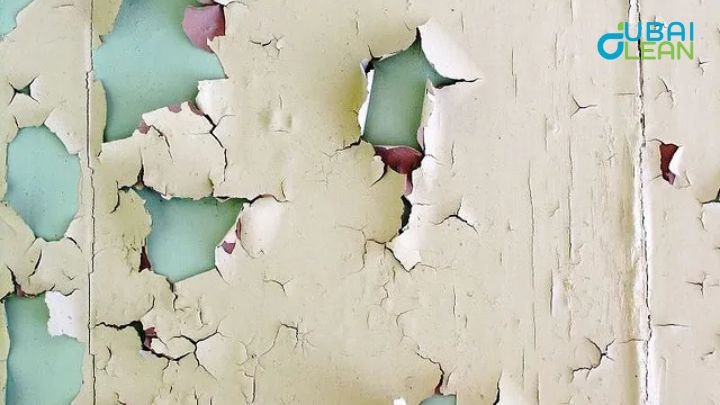
5. Tips to Prevent Wall Paint from Flaking
Preventing wall paint from flaking starts with choosing the right materials and following the proper application process. With Dubai’s humidity, dust, and temperature changes, taking a few smart precautions can help your walls stay smooth, clean, and long-lasting.
Prepare the Wall Surface Properly: A well-prepared surface is the foundation of long-lasting paint. Cleaning the wall to remove dust, grease, or old loose paint ensures stronger adhesion. Sanding rough areas and repairing cracks with filler creates a smooth base that prevents future peeling. When the wall is completely clean and even, the paint bonds more effectively, reducing the chances of flaking over time.
Use High-Quality Paint and Primer: Choosing the right type of paint is essential in a climate like Dubai’s. High-quality, moisture-resistant paints perform better in areas like kitchens, bathrooms, and exterior walls. Pairing them with a suitable primer strengthens adhesion and protects the wall from humidity and internal moisture. The combination of a good primer and premium paint provides a durable finish that can withstand temperature changes and humidity.
Control Moisture and Improve Ventilation: Moisture is one of the biggest reasons paint starts peeling, so controlling it is crucial. Ensuring proper ventilation in bathrooms, kitchens, and laundry rooms helps reduce humidity that can weaken the paint layer. Repairing leaks, sealing windows, and installing exhaust fans also prevent moisture from getting trapped behind the paint. When moisture levels are controlled, your paint stays strong, smooth, and resistant to flaking.
Conclusion
Flaking paint may seem like a small issue, but it often points to deeper problems like moisture, poor preparation, or low-quality materials. Whether your wall paint is old or your new paint is already flaking, the key is understanding the cause before applying a fix. By scraping off loose paint, preparing the surface properly, using a good primer, and choosing high-quality paint, you can restore your walls and prevent future peeling. With the right steps and a little care, your paint will stay smooth, clean, and long-lasting keeping your home looking fresh and well-maintained.