


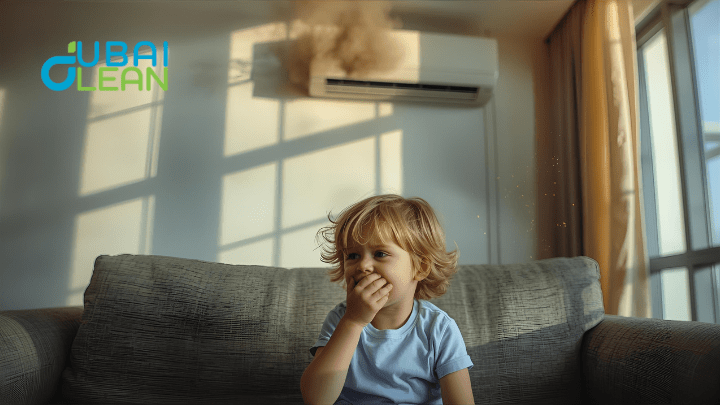
Dubai’s extreme heat and high humidity make air conditioning a daily necessity, but dirty AC ducts can silently expose children to dust, mold, allergens, and bacteria. With developing lungs and immune systems, faster breathing, and more time spent indoors, children are far more vulnerable than adults, making even minor duct contamination a risk for coughs, allergies, and breathing issues. Keeping AC ducts clean in Dubai not only improves cooling but is essential for children’s long-term health.
1. Understanding What’s Inside Dirty AC Ducts
Dust Accumulation from Desert Sand: Dubai’s desert environment means that fine sand and dust constantly enter homes through windows, doors, and ventilation systems. AC ducts trap this dust, which can then be blown back into living spaces.
Mold Growth Due to Humidity: Despite the dry climate, indoor AC systems often create pockets of moisture. This damp environment encourages mold growth inside ducts. Mold spores are lightweight and easily travel through vents, exposing children to respiratory irritants.
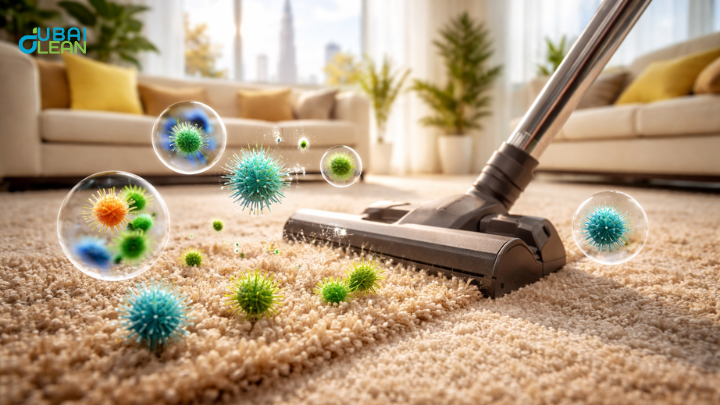
Pet Dander, Hair, and Fabric Fibers: Homes with pets or heavy use of carpets and furniture generate hair, dander, and fibers that settle in AC ducts. These particles mix with dust and are spread throughout the home whenever the AC operates.
Chemical Residues from Cleaning Products: Household cleaning sprays and air fresheners leave behind tiny chemical residues. Over time, these residues accumulate in ducts and are dispersed into the air, which children inhale daily.
Bacteria and Allergens Circulating Through Vents: AC ducts can become breeding grounds for bacteria and allergens. Once disturbed, these microorganisms travel through the vents, increasing the risk of infections and allergic reactions, especially in children with developing immune systems.
2. Children’s Vulnerable Respiratory Systems
Faster Breathing, Higher Exposure: Children breathe at a faster rate than adults approximately 20–30 breaths per minute compared to an adult’s 12–20. This means they inhale more air relative to their body size, and consequently, more pollutants and allergens from contaminated AC ducts enter their lungs.
Developing Lungs and Immune Systems: A child’s lungs are still growing, with smaller airways that are more easily irritated. Their immune systems are also not fully mature, which reduces their ability to fight off infections or respond effectively to environmental toxins.
Reduced Toxin Processing: Unlike adults, children cannot metabolize or eliminate airborne toxins as efficiently. Pollutants such as dust, mold spores, and chemical residues can linger in their respiratory tract, causing prolonged irritation.
Health Impacts: Continuous exposure to these contaminants often manifests as coughing, sneezing, nasal congestion, and eye irritation. Over time, repeated exposure can lead to increased sensitivity, heightened allergic reactions, and even chronic respiratory conditions such as asthma.
3. Higher Indoor Exposure Levels Among Children
In Dubai’s extreme summer heat, children naturally spend a significant portion of their day indoors to stay safe and comfortable. Temperatures often soar between 40–45°C, making outdoor play limited and indoor spaces a necessity. This lifestyle pattern dramatically increases their exposure to pollutants from dirty AC ducts.
Constant AC Use in Key Spaces: Playrooms, bedrooms, and study areas typically rely on air conditioning 24/7 during the hottest months. Every time the AC circulates air, it can distribute dust, mold spores, allergens, and chemical residues throughout these rooms, directly into the spaces where children spend most of their time.
Proximity to Pollutants: Toddlers and babies often play, crawl, or nap close to the floor, which is where dust and heavier particles tend to settle. This behavior increases the likelihood of inhaling or coming into contact with contaminated dust blown from AC vents.
Cumulative Exposure: Unlike adults who may spend significant time outdoors or away from the home, children are consistently in these indoor environments. This prolonged exposure increases their risk of respiratory irritation, allergies, and other health issues caused by airborne pollutants.
Understanding children’s higher indoor exposure highlights why regular AC duct cleaning is essential in Dubai homes, not just for comfort but for long-term health protection.
4. How Dirty AC Ducts Trigger Childhood Allergies in Dubai
Dubai’s desert environment naturally contributes to high levels of airborne dust and allergens. Fine sand particles, pollen, and other environmental pollutants constantly enter homes, and when AC ducts are dirty, these particles mix with accumulated dust, mold, and pet dander, creating a concentrated source of indoor allergens.
Intensifying Asthma Triggers
For children who have asthma or particularly sensitive airways, dirty AC ducts can greatly exacerbate their symptoms. Over time, mold spores, bacteria, dust, and chemical residues accumulate inside the ducts and are constantly circulated throughout the home whenever the AC is running. When children breathe this contaminated air, it can trigger inflammation in their delicate respiratory tract, leading to more frequent asthma attacks, persistent coughing, and wheezing. These effects are often more pronounced at night, as children spend long hours indoors while sleeping or resting in rooms cooled by the AC, making prolonged exposure a serious health concern that parents cannot afford to ignore.
Common Childhood Allergy Symptoms:
Exposure to contaminants from AC ducts often results in noticeable allergic reactions, such as:
- Runny or blocked nose
- Skin rashes or irritation
- Persistent coughing
- Sneezing fits
- Night-time breathing difficulties, including wheezing
Pediatric Respiratory Sensitivity
Medical studies show that children’s immune and respiratory systems are more reactive to environmental irritants. Their smaller lung capacity and developing immune defenses mean that even low levels of indoor allergens can cause strong reactions. Research in environmental health confirms that indoor air quality plays a crucial role in pediatric asthma and allergy prevalence, particularly in regions with high dust exposure like Dubai.
By addressing dirty AC ducts, parents can significantly reduce the concentration of allergens indoors, minimizing the risk of allergy flare-ups and supporting healthier respiratory development in children.
5. Warning Signs Parents Should Never Ignore

Dirty AC ducts can silently affect children’s health, and early detection of symptoms is crucial for timely intervention. Parents should be vigilant for the following warning signs:
- Chronic Coughing: Persistent coughing that doesn’t improve over time may indicate irritation from dust, mold, or allergens circulating through AC ducts.
- Nasal Congestion: Frequent stuffy or runny noses, especially indoors, can signal ongoing exposure to airborne particles.
- Eye Redness: Irritated, watery, or red eyes may result from allergens and chemical residues dispersed from dirty ducts.
- Occasional Fever Spikes: Minor unexplained fevers can sometimes be linked to bacterial exposure from unclean ventilation systems.
- Allergy Flare-Ups: Recurrent rashes, sneezing, or skin irritation often point to airborne allergens accumulating in AC ducts.
- Breathing Difficulty at Night: Wheezing, shortness of breath, or restless sleep can indicate that pollutants from the AC are affecting lung function, particularly in children with sensitive respiratory systems.
Recognizing these signs early allows parents to take preventive action, such as scheduling professional AC duct cleaning, improving indoor air quality, and protecting children’s long-term health.
6. Professional vs. DIY: What Parents Must Know
Parents might consider cleaning AC ducts themselves, but DIY methods are often ineffective and can even worsen indoor air quality. Professional cleaning ensures safe, thorough removal of dust, mold, and allergens, protecting children’s health.
| Key Point | Explanation |
| Specialized Tools Are Required | AC duct interiors need HEPA-grade vacuum systems and brushes to remove fine dust and debris. Ordinary household vacuums cannot reach deep or capture microscopic particles. |
| Mold Spores Spread Easily | Cleaning mold-contaminated ducts without proper equipment can release spores into the air, increasing exposure and risks for children with asthma or allergies. |
| Professional Equipment Ensures Safety | Trained technicians use negative air machines, advanced sanitization systems, and antimicrobial treatments to safely remove pollutants and prevent spreading. |
| Safe for Children | Professional cleaning reduces airborne allergens and bacteria, ensuring cleaner indoor air and lowering the risk of respiratory irritation, allergic reactions, and long-term health issues. |
| Overall Takeaway | Professional AC duct cleaning is more effective than DIY and essential for safeguarding children’s health in homes with AC systems. |
7. Conclusion
Children’s developing bodies are especially vulnerable to pollutants that accumulate in AC ducts. In Dubai, desert dust, high temperatures, and year-round air conditioning worsen indoor air quality, increasing the risk of respiratory issues, allergies, and other health problems for children.
Regular AC duct cleaning reduces exposure to dust, mold, bacteria, and allergens, ensuring safer indoor air. Cleaner air supports healthy lungs and immune systems, better sleep, improved concentration, and overall growth, making duct maintenance a crucial step in protecting children’s long-term health.