



There’s nothing quite like the timeless elegance of marble flooring in a luxury home but when that once-glossy surface starts to look dull, scratched, or lifeless, it can make even the most opulent interiors feel worn down. Over time, marble naturally loses its shine due to everyday wear, heavy foot traffic, spills, or even improper cleaning methods. In this guide, we’ll help you understand the difference between marble polishing and restoration, so you can choose the right approach to bring back your floors’ original brilliance and maintain the sophisticated look your home deserves.
1. Why Marble Loses Its Shine
Marble is a durable and luxurious natural stone, but even the most resilient surfaces can lose their luster over time. Everyday foot traffic, moving furniture, and heavy usage gradually wear down the polished finish, leaving floors looking dull. Additionally, hard water stains and acidic spills like coffee, citrus juices, or harsh cleaning products can etch the surface, creating a cloudy or uneven appearance that simple cleaning won’t fix. Over time, these factors accumulate, making your once-brilliant marble look tired and worn.
Another common cause of dull marble is improper care and lack of regular maintenance. Skipping routine cleaning, using abrasive tools, or neglecting to seal the stone allows dirt, moisture, and grime to penetrate the surface, which further diminishes its shine. Small scratches, chips, or etching from careless cleaning can also add up, creating a noticeable loss of elegance in your home. Quick tip: Avoid using vinegar, bleach, or rough scrubbers on marble, and ensure you schedule regular polishing or sealing to keep it looking pristine.
2. Understanding Marble Polishing
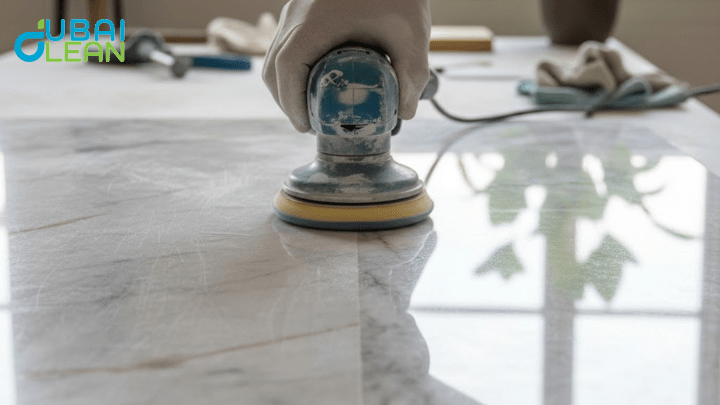
Marble floor polishing in dubai restores a stone’s natural shine by buffing and smoothing the surface. It focuses only on the top layer, making it perfect for refreshing floors without major work. Polishing removes minor scratches and surface dullness, bringing back the marble’s elegance. This quick and cost-effective solution is ideal for homeowners who want to maintain a luxurious look effortlessly.
How it works: During polishing, minor scratches, surface dullness, and light etching are corrected using specialized machines and polishing compounds. This process rejuvenates the marble’s reflective finish, bringing back that signature gloss that enhances the elegance of your home.
When it’s appropriate: Polishing is best suited for light wear, minor scratches, and routine maintenance. If your marble still has most of its structure intact and only needs a surface refresh, polishing can quickly restore its beauty.
Benefits: Polishing is quick, cost-effective, and minimally invasive, allowing homeowners to maintain stunning marble floors without the time and expense of full restoration.
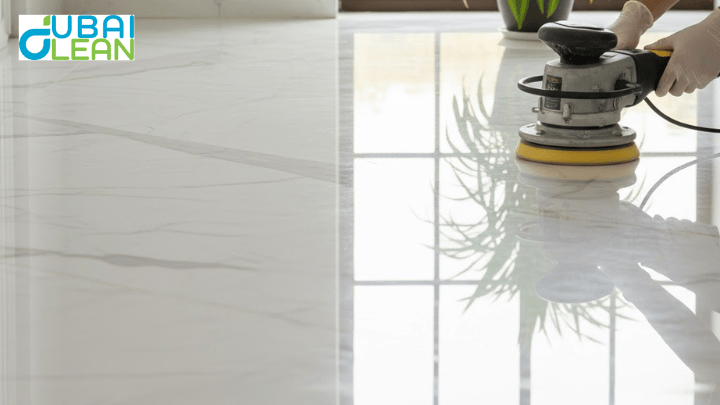
A before-and-after photo is a powerful way to showcase the impact of marble polishing. By displaying a dull, worn surface alongside a freshly polished floor, homeowners can clearly see the dramatic transformation and renewed elegance. This visual not only highlights the effectiveness of the service but also helps build trust and confidence in choosing professional care for their luxury marble floors.
3. Understanding Marble Restoration
Marble restoration is a deeper process that often involves honing, grinding, and repairing damaged areas. Unlike polishing, it tackles deeper scratches, stains, etching, and sometimes structural issues that cannot be corrected with surface treatments alone. This makes it the ideal solution for marble that has suffered significant wear or damage over time.
Restoration not only brings marble back to a near-new condition but can also increase the value and elegance of your home. However, it is important to note that this process is more time-consuming and costly than standard polishing, so it is best suited for serious wear rather than routine maintenance.
4. Polishing vs Restoration: How to Decide
Choosing between polishing and restoration depends on the condition of your marble. Polishing is ideal for light scratches and routine maintenance, while restoration is best for deep scratches, stains, or severe wear. If you’re unsure, it’s always wise to consult a professional to determine the most effective and cost-efficient solution for your home.
Polishing vs. Restoration: How to Decide
| Factor | Polishing | Restoration |
| Surface condition | Light scratches, dullness | Deep scratches, stains, etching |
| Cost | Lower | Higher |
| Time | Quick (few hours to a day) | Longer (1–3 days depending on damage) |
| Maintenance | Requires regular upkeep | Long-lasting results |
| Ideal for | Routine maintenance | Major renovations or resale preparation |
Tip: If you’re unsure about the condition of your marble, call a professional for assessment before investing in polishing or restoration. This ensures you choose the right solution and avoid unnecessary expenses.
5. DIY Tips vs Professional Service
While minor dullness can sometimes be addressed with mild soap and a microfiber cloth, DIY polishing carries significant risks. Using the wrong tools or chemicals can cause scratches, etching, or permanent damage. For deeper polishing, full restoration, or sealing, it’s best to hire a professional. Experts ensure a lasting shine and protect your luxury marble investment, saving time, money, and stress in the long run.
Safe Home Remedies for Minor Dullness
For minor dullness, you can use mild soap and warm water along with a soft microfiber cloth to gently clean the surface. This helps remove dust and light grime without harming the marble’s finish. Regular gentle cleaning can keep your floors looking elegant between professional treatments.
Risks of DIY Polishing
Attempting to polish marble yourself can be risky. Using the wrong tools, abrasive materials, or harsh chemicals may cause scratches, etching, or permanent damage. Many homeowners end up spending more to repair mistakes than they would have on professional service.
When to Hire a Professional
Call a professional for deeper polishing, full restoration, or sealing. Experts have the right equipment and materials to safely restore marble, ensuring a lasting shine and protecting your investment in your luxury home.
6. Maintenance After Polishing or Restoration
To keep your marble looking its best, establish regular cleaning habits using gentle, non-abrasive cleaners and a soft microfiber cloth. Avoid exposing your floors to acidic substances like citrus, vinegar, or harsh chemicals, as these can etch and dull the surface over time.
It’s also important to maintain a polishing and sealing schedule typically polishing every 6–12 months and sealing every 1–2 years depending on usage. Quick tip: Place area rugs in high-traffic zones to minimize wear and keep your marble floors looking luxurious for years.
Conclusion
Best techniques for cleaning marble floor? Keeping your marble floors looking luxurious requires understanding the difference between polishing and restoration. Polishing is perfect for light dullness, minor scratches, or routine maintenance, while restoration is needed for deeper scratches, stains, or heavily worn surfaces. Assessing the condition of your marble carefully ensures you choose the right solution and avoid unnecessary costs. Regular maintenance and proper care can dramatically extend the life of your floors. By making informed decisions, you preserve both the beauty and value of your home.
If you’re unsure which approach is best, it’s wise to schedule a professional assessment. Experts can determine whether your marble needs simple polishing or a full restoration. This ensures the work is done safely, effectively, and without risk of damage. Professional guidance helps maintain a lasting shine and protects your investment in your luxury home. Taking the right steps now can save time, money, and stress in the future.