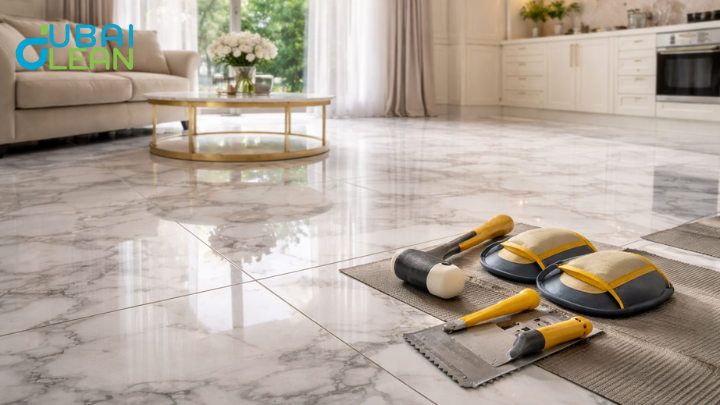



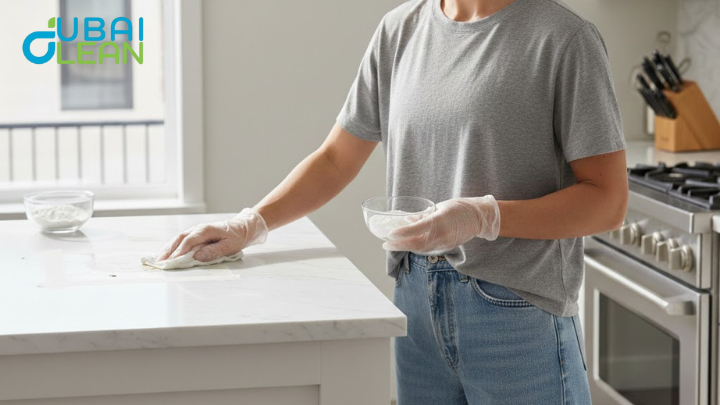
Marble is a symbol of elegance and luxury, gracing homes and commercial spaces with its timeless beauty. However, its delicate nature makes it highly susceptible to stains, scratches, and etching from acidic or harsh cleaners. Using the wrong cleaning products can cause irreversible damage, resulting in costly repairs and a loss of its natural shine. This guide will help you identify the safest and most effective stain removers to protect your marble surfaces while keeping them spotless and well-maintained.
1. Understanding Marble and Its Sensitivity
Marble is a natural stone composed primarily of calcium carbonate, which gives it its signature elegance and smooth texture. While this composition creates a luxurious aesthetic, it also makes marble highly sensitive to acidic substances such as lemon juice, vinegar, or certain cleaners. Even minor exposure to these acids can cause etching, leaving dull marks that are difficult to restore.
Due to its porous nature, marble is also prone to staining from liquids like coffee, wine, oils, and other organic substances. This means that spills left untreated can penetrate the surface, resulting in permanent discoloration. Not all household cleaners are safe for marble; harsh chemicals can strip the stone of its natural shine or worsen existing stains, emphasizing the need for specialized care.
Professional stone care specialists recommend using pH-neutral or marble-specific cleaners for routine maintenance. Experts advise testing any new product on a small, inconspicuous area first and applying stain removers carefully with soft cloths or poultices. Following these guidelines ensures that marble remains both beautiful and durable over time.
2. Types of Stains on Marble
Marble surfaces can develop a variety of stains, each requiring a different cleaning approach. Identifying the type of stain is crucial, as using the wrong remover can worsen the damage or etch the stone. Understanding the nature of the stain helps in selecting the safest and most effective treatment method.
Oil-Based Stains
These stains come from substances like butter, cooking oils, or grease. They penetrate the pores of marble, leaving dark spots that require absorbent poultices or gentle degreasers specifically formulated for stone surfaces.
Organic and Mineral Stains
Organic stains, such as coffee, wine, or certain foods, and water/mineral stains like rust or hard water deposits, react differently with marble. Organic stains often need hydrogen peroxide-based treatments, while mineral stains may require specialized poultices, always avoiding acidic cleaners to prevent etching.
3. key Considerations Before Choosing a Stain Remover
Choosing the right Certified stone care associations for marble goes beyond effectiveness; it must be safe for the stone, your health, and the environment. Using the wrong product can cause etching, discoloration, or even long-term damage. Understanding pH levels, harmful ingredients, and professional versus DIY options ensures safe and successful marble care.
| Consideration | What to Look For | Why It Matters |
| pH Level | Use neutral or marble-safe cleaners | Prevents etching and preserves marble’s natural shine |
| Ingredients to Avoid | Acids, bleach, ammonia | Harsh chemicals can damage marble and cause discoloration |
| Safety | Non-toxic, pet- and child-friendly | Protects health while maintaining a safe home environment |
4. Top Recommended Stain Removers for Marble
For deep or stubborn stains, poultice-based removers are highly effective. These paste-like substances draw out embedded stains from the marble’s pores over several hours. Experts recommend applying a thin layer over the stained area, covering it with plastic wrap, and leaving it to work for 24–48 hours before gently removing and rinsing. This method is especially useful for oil, rust, or organic stains, but should be done carefully to avoid damaging the surrounding marble.
For regular maintenance, pH-neutral liquid cleaners are the safest option, providing gentle cleaning without etching. Additionally, there are specialized marble stain removers from trusted brands that combine safety with strong stain-lifting properties. Professionals advise testing any product on a small, hidden section first and always using soft cloths or sponges. Avoid scrubbing too harshly, and always follow the manufacturer’s instructions to protect your marble investment.
5. DIY Marble Stain Removal Solutions
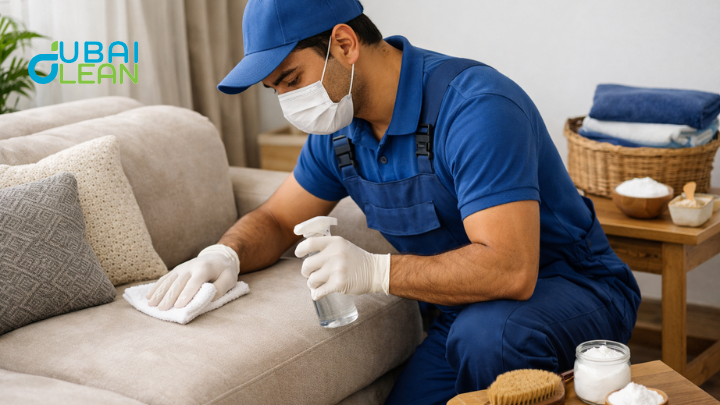
For those who prefer a hands-on approach, several safe DIY solutions can effectively remove stains from marble surfaces. Using household ingredients like baking soda or hydrogen peroxide can tackle specific stain types without damaging the stone. Following proper application guidelines and precautions is essential to avoid etching or discoloration.
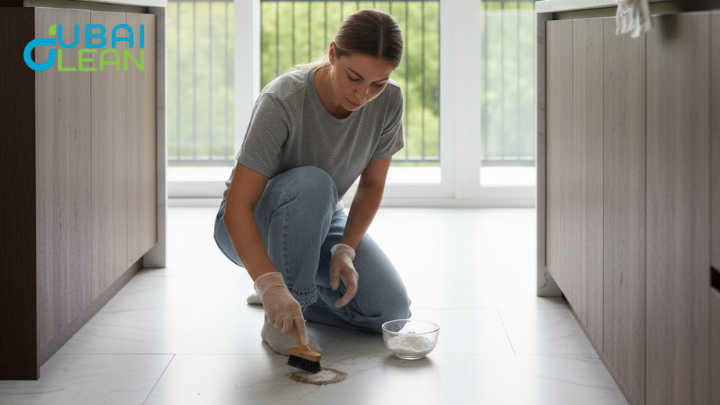
- Baking Soda Paste: Mix baking soda with water to form a thick paste for oil-based stains.
- Application: Apply the paste on the stain, cover with plastic wrap, and leave for 24 hours.
- Removal: Gently wipe off the paste with a soft cloth and rinse with water.
- Hydrogen Peroxide: Use for organic stains like coffee, wine, or food.
- Application: Apply hydrogen peroxide on a soft cloth and dab on the stained area.
- Rinse: Wipe with a damp cloth after a few hours and dry thoroughly.
- Avoid Scrubbing: Do not use abrasive pads or brushes to prevent scratches.
- Test First: Always test any DIY solution on a small, hidden area before full application.
- Protect Surroundings: Ensure surrounding surfaces are covered to avoid accidental chemical contact.
6. why choose dubaiclean?
DubaiClean stands out as a trusted cleaning and maintenance partner in Dubai, combining years of professional experience with a deep understanding of the city’s unique environment. From homes to offices, we deliver tailored solutions that tackle tough problems like gapping, cracking, stains, and dull surfaces while ensuring safety and long-lasting results. Our certified experts use advanced techniques and eco-friendly products, guaranteeing not only sparkling floors and surfaces but also peace of mind for our clients. With DubaiClean, you get reliability, quality, and excellence in every service.
Conclusion
In conclusion, properly identifying the type of stain and using marble-safe products are essential steps in maintaining the elegance and longevity of your marble surfaces. By taking a proactive approach cleaning spills promptly, choosing the right stain removers, and following safe care practices you can preserve the natural beauty with the help of highly expert dubaiclean professionals, shine, and value of your marble for years to come.