


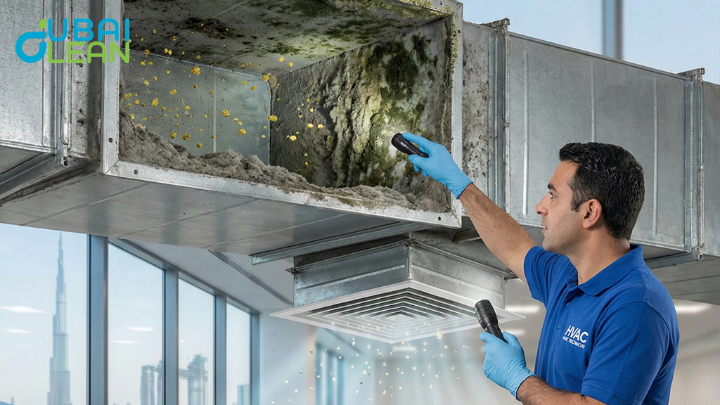
Air duct cleaning is often delayed until dust, odors, or airflow issues appear, but this can harm system performance and indoor air quality. In Dubai, dust cycles, humidity, and heavy AC usage cause hidden buildup long before problems are visible. Seasonal, usage-based cleaning helps prevent energy loss, allergens, and moisture issues, ensuring cleaner air and a healthier environment.
1. How Seasonal Changes Affect Indoor Air Quality
Dubai experiences distinct dust concentration cycles throughout the year, especially during seasonal wind shifts and sandstorm periods. Fine airborne particles easily enter buildings through ventilation systems and settle inside air ducts cleaning, where they continue circulating indoors if not properly cleaned.
Seasonal humidity fluctuations also influence microbial activity inside ductwork. During humid periods, moisture creates an environment where mold spores and bacteria can remain dormant or reactivate, posing hidden risks to indoor air quality. Even when growth is not visible, microbial residue can still impact respiratory health.
2. Peak AC Usage Seasons vs Air Duct Contamination
One commonly overlooked factor in air duct hygiene is the relationship between AC on/off cycles and contamination buildup. During peak cooling seasons in Dubai, HVAC systems often run continuously, increasing indoor air circulation and pulling fine dust, skin particles, and airborne pollutants deeper into duct networks. In contrast, intermittent AC usage during transitional months creates uneven airflow, allowing contaminants to settle in bends, joints, and return vents. This stop-start pattern accelerates AC duct contamination and reduces overall system efficiency.
What makes this issue more concerning is that duct contamination often remains invisible yet active, circulating pollutants, microbial residue, and fine particulates through homes and offices. Over time, this hidden buildup strains system components, quietly degrades indoor air quality, and impacts occupant health. Understanding how seasonal AC usage patterns influence contamination helps homeowners and businesses schedule preventive duct cleaning.
3. Comparing Seasons for Air Duct Cleaning (Pros & Cons)
Instead of labeling one season as the “best,” HVAC experts recommend a purpose-based approach. Pre-peak cleaning improves airflow, reduces strain on blower and coils, and ensures energy-efficient performance. Post-peak cleaning removes dust, bio-particles, and odors accumulated during heavy AC usage. High-humidity periods require professional inspection to prevent microbial growth and moisture-related issues. Choosing the right season based on property conditions and usage ensures healthier air and optimized HVAC efficiency.
Purpose-Based Seasonal Selection for Better Results: Instead of labeling one season as universally “best” or “worst,” HVAC experts recommend choosing air duct cleaning based on system purpose and environmental conditions. Each season presents different benefits and risks depending on how the AC system is being used.
Pre-Peak Cooling Season (Before Heavy AC Usage): Scheduling air duct cleaning before peak cooling demand helps prepare the system for extended operation. Clean ducts support smoother airflow, allowing the blower and evaporator coils to function with less resistance. This proactive timing improves energy efficiency, reduces mechanical strain, and ensures cleaner indoor air circulation before long AC runtime begins.
Post-Peak Usage Season (After Continuous Operation): After months of intense AC use, ducts often contain accumulated dust, bio-particles, and residue pulled in during continuous operation. Post-peak cleaning acts as a system reset, removing contaminants that contribute to lingering odors and declining air quality. This period is ideal for restoring baseline hygiene before reduced system usage.
High-Humidity Periods (Moisture-Sensitive Timing):During humid conditions, moisture inside ductwork increases the risk of microbial activity. In such periods, professional inspection becomes more critical than DIY cleaning, as improper handling can spread contaminants or worsen moisture retention. HVAC specialists perform risk-based assessments to determine whether cleaning, drying, or corrective measures are required.
4. Health-Focused Timing: Who Needs Earlier Cleaning?
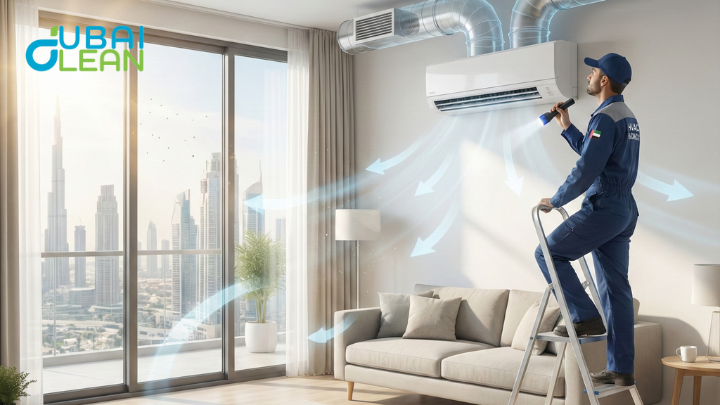
While all properties benefit from regular air duct maintenance, some environments need earlier or more frequent cleaning. Homes with children, elderly, or allergy sufferers are more sensitive to dust and microbial buildup. Offices with enclosed workspaces can accumulate pollutants faster, affecting air quality and productivity. Villas with pets or carpeted interiors experience higher dust and dander circulation. Preventive maintenance in these cases protects health, improves indoor air, and ensures efficient HVAC performance.
- Homes with children, elderly, or allergy sufferers: Sensitive occupants are more prone to respiratory issues caused by dust, pollen, and microbial residues circulating in ducts.
- Offices with enclosed workspaces: Limited ventilation can concentrate allergens and pollutants, affecting employee health and productivity.
- Villas with pets or carpeted interiors: Pet dander and dust trapped in carpets often enter duct systems, increasing the risk of contamination and odor.
5. Energy Efficiency & Cost Impact by Season
Dirty air ducts can reduce HVAC performance by increasing static pressure and restricting airflow due to dust, debris, or microbial buildup. This forces the system to work harder, consuming more energy. Seasonal timing of cleaning is crucial: pre-peak cleaning ensures clear ducts before heavy AC use, while neglecting post-peak cleaning can leave residues that strain the system. Properly scheduled cleaning improves energy efficiency, reduces electricity bills, and extends the lifespan of fans, coils, and motors. In Dubai, optimizing duct maintenance timing provides financial benefits and healthier indoor air.
6. Professional Assessment vs Calendar-Based Cleaning
Relying on fixed-month air duct cleaning may seem convenient, but it often ignores the unique conditions of each property. Duct contamination, AC usage patterns, and Dubai’s environmental factors vary across villas, offices, and commercial spaces, making one-size-fits-all schedules ineffective. Professional assessment goes beyond calendars, using visual inspections, airflow testing, and dust/microbial evaluation.
This approach allows technicians to recommend cleaning, sanitization, or preventive measures tailored to the property. Certified HVAC professionals apply evidence-based methods to ensure efficient system performance and safer indoor air. Overall, this maximizes cleaning benefits while preventing unnecessary or poorly timed interventions.
7. Dubai-Specific Environmental Factors
Dubai’s unique environment directly affects air duct contamination. Frequent construction projects release large amounts of dust and fine particulate matter that enter homes, offices, and villas, settling inside ductwork. Standard household dust alone cannot explain the rapid buildup in Dubai properties. Additionally, the city’s desert climate contributes fine sand and airborne particles that circulate through HVAC systems, often unnoticed by residents, which can worsen microbial growth and reduce airflow efficiency.
Because of these factors, Dubai ducts require environment-aware cleaning schedules. Generic calendar-based approaches or seasonal advice from other regions may fail to address local dust influx, humidity changes, and peak AC usage patterns. Tailored, professional assessments ensure timely cleaning, healthier indoor air, and optimized HVAC performance specific to Dubai’s climate and urban conditions.
8. How to Decide the Right Season for Your Property
Choosing the right season for air duct cleaning depends on property type, usage patterns, and environmental conditions rather than a fixed calendar. Homes, offices, and commercial spaces have different airflow demands and contamination risks that influence cleaning schedules. Residential factors like family size, children, elderly, and pets affect inspection frequency, while office occupancy and AC runtime guide commercial planning. Professional evaluation is crucial, as inspections often matter more than cleaning alone. Certified HVAC technicians assess contamination, microbial activity, and airflow efficiency to recommend the most effective, property-specific timing.
Conclusion
Seasonal timing matters, but the right air duct cleaning depends on property condition, usage, and Dubai’s environment. Fixed-month schedules often miss specific contamination risks in homes, offices, or villas. Professional inspections and airflow testing ensure preventive maintenance, protecting indoor air quality, occupant health, and HVAC efficiency Dubai Clean.