


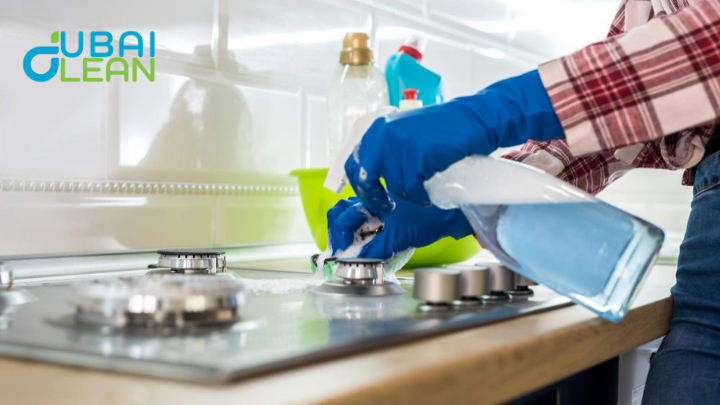
Deep cleaning in the kitchen goes far beyond your daily wipe-downs and quick dishwashing. It’s a thorough, detail-focused process that targets hidden grease, bacteria, food residue, and hard-to-reach areas where germs build up over time. From degreasing cabinets and sanitizing countertops to cleaning appliances, vents, and tile grout, deep kitchen cleaning ensures a healthier, safer cooking environment for your family.
1. What Is Deep Cleaning in the Kitchen?
Deep cleaning in the kitchen is a detailed and systematic cleaning process that goes beyond everyday surface cleaning. It focuses on removing built-up grease, bacteria, food residue, and hidden dirt from areas that are often ignored during regular cleaning routines. This includes appliances, cabinets, tiles, grout lines, vents, and hard-to-reach corners. Deep kitchen cleaning not only improves hygiene and food safety but also helps maintain the kitchen’s condition, prevent pest issues, and create a healthier cooking environment for the entire household.
Deep Cleaning vs Regular Kitchen Cleaning
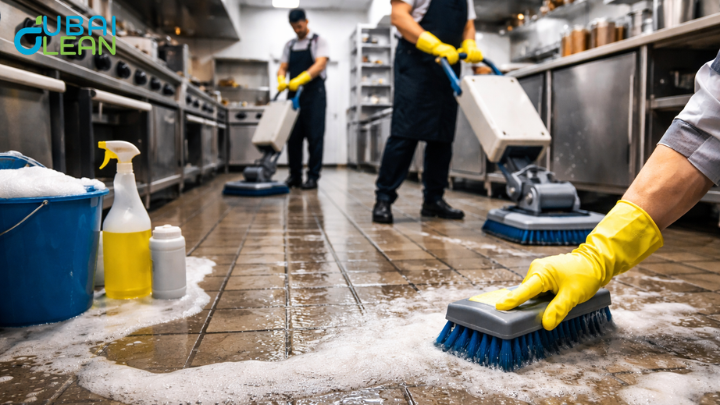
Regular kitchen cleaning usually involves wiping countertops, washing dishes, and sweeping floors to maintain day-to-day cleanliness. Deep cleaning, on the other hand, is far more intensive and time-consuming. It includes degreasing kitchen cabinets, cleaning behind and under appliances, sanitizing sinks and drains, scrubbing tiles and grout, and removing stubborn stains and odors. This type of cleaning is typically done monthly or seasonally and is essential for eliminating bacteria and grease buildup that cannot be removed through routine cleaning alone, especially in high-use kitchens.
Areas Covered in a Deep Kitchen Cleaning
A deep kitchen cleaning covers every surface and hidden area that contributes to hygiene and safety. This includes inside ovens, microwaves, refrigerators, exhaust fans, and range hoods where grease accumulates over time. Cabinets are cleaned from the inside and outside, countertops are disinfected, and backsplash tiles are scrubbed to remove stains and grime. Floors receive detailed cleaning, including grout lines and corners, ensuring no dirt or food particles remain. This comprehensive approach ensures the kitchen is not just visually clean but also hygienically safe.
Why Deep Cleaning the Kitchen Is Important
Deep cleaning the kitchen is crucial for maintaining a healthy home environment, as kitchens are one of the most bacteria-prone areas in any house. Grease buildup and food residue can attract pests and create unpleasant odors if left untreated. Regular deep cleaning helps prevent cross-contamination, improves indoor air quality, and ensures compliance with basic food safety standards. Additionally, it extends the lifespan of appliances and kitchen surfaces by preventing damage caused by grease, moisture, and grime buildup, making it an essential part of responsible home maintenance.
2. Why Kitchen Deep Cleaning Is Important for Health & Safety
The kitchen is one of the most frequently used spaces in any home, making it highly vulnerable to germs, grease buildup, and food contamination. While daily cleaning helps maintain basic hygiene, it doesn’t eliminate hidden bacteria and allergens. Deep kitchen cleaning plays a vital role in protecting your family’s health, ensuring food safety, and maintaining a clean, hazard-free cooking environment.
Prevents Bacteria, Germs, and Food Contamination
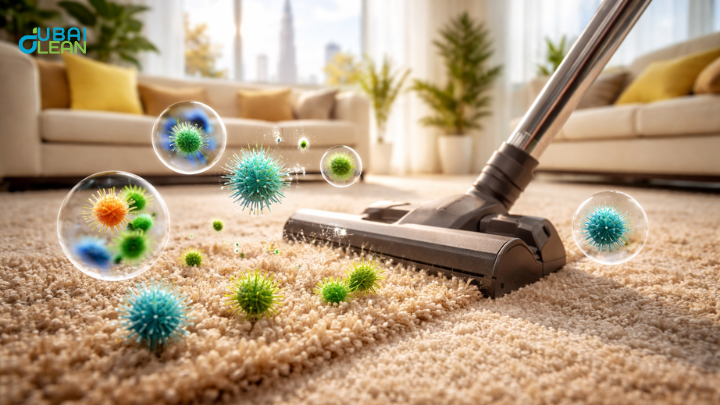
Kitchens are a breeding ground for bacteria such as salmonella and E. coli due to constant food handling and moisture. Grease, spills, and food particles often build up in hard-to-reach areas like cabinet corners, appliance interiors, and sink drains. Deep cleaning removes these hidden contaminants, reducing the risk of foodborne illnesses and cross-contamination. Proper sanitization of surfaces ensures safer meal preparation and a healthier home overall.
Reduces Pest Infestations and Allergens
Food residue, grease buildup, and moisture attract pests such as cockroaches, ants, and rodents, which pose serious health risks. Deep cleaning eliminates the hidden crumbs and grease that pests rely on to survive. Additionally, thorough cleaning removes dust, mold, and allergens that can trigger respiratory problems, especially in children and elderly family members. A deeply cleaned kitchen helps maintain better indoor air quality and a safer living space.
Improves Kitchen Safety and Long-Term Hygiene
A dirty kitchen increases the risk of accidents such as slippery floors, clogged drains, and fire hazards caused by grease buildup near stoves and exhaust fans. Deep cleaning ensures all surfaces, appliances, and ventilation systems are properly cleaned and maintained. This not only enhances hygiene but also extends the life of kitchen appliances and fixtures. Regular deep cleaning supports long-term safety, making the kitchen a healthier and more efficient space for daily use.
3. Areas Covered in a Kitchen Deep Cleaning
Deep cleaning in the kitchen involves more than just wiping surfaces. It targets every corner and appliance where grease, dirt, and bacteria accumulate over time. By focusing on these areas, you ensure a thoroughly clean, safe, and hygienic cooking environment.
- Countertops and Backsplashes: Scrubbing stains, grease, and food residue for a sanitized surface.
- Cabinets and Drawers: Cleaning inside and outside to remove crumbs, grease, and bacteria.
- Ovens, Stoves, and Microwaves: Degreasing and deep scrubbing to eliminate built-up grime.
- Refrigerators and Freezers: Removing old food, sanitizing shelves, and cleaning behind appliances.
- Sinks and Drains: Eliminating clogs, bacteria, and unpleasant odors.
- Exhaust Fans and Range Hoods: Removing grease and dust to improve air quality.
- Floors and Grout Lines: Scrubbing tiles and hard-to-reach corners to remove dirt and stains.
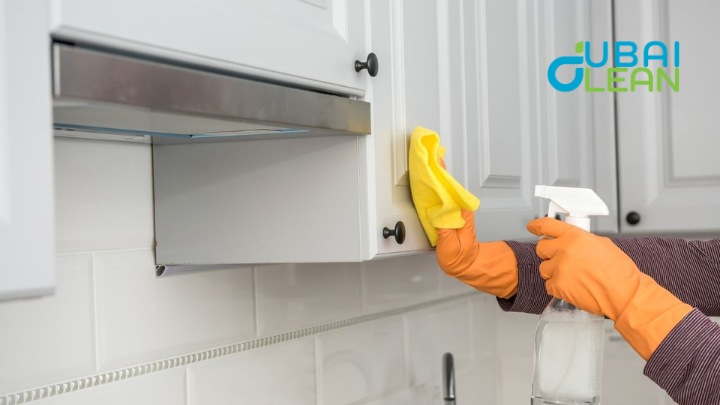
4. Step-by-Step Kitchen Deep Cleaning Process
A systematic approach ensures your kitchen is thoroughly cleaned, hygienic, and free from hidden grease and bacteria. Follow this step-by-step process to achieve professional-level cleanliness without missing any critical areas.
| Step | Area / Task | Action |
|---|---|---|
| 1 | Declutter & Organize | Remove items from counters and cabinets |
| 2 | Dust & Sweep | Dust shelves, vents, and sweep floors |
| 3 | Clean Appliances | Wipe oven, microwave, fridge, and stove |
| 4 | Cabinets & Drawers | Wipe inside and outside thoroughly |
| 5 | Countertops & Backsplash | Scrub and disinfect surfaces |
| 6 | Sinks & Drains | Clean and sanitize sinks and drains |
| 7 | Floors & Grout | Mop floors and scrub grout |
| 8 | Final Touches | Replace items and polish surfaces |
5. Complete Kitchen Deep Cleaning Checklist
A complete kitchen deep cleaning checklist helps ensure no area is overlooked, making your kitchen spotless, hygienic, and safe. Use this checklist as a simple guide for regular deep cleaning sessions.
- Remove all items from countertops, cabinets, and drawers
- Dust vents, shelves, and light fixtures
- Clean and degrease oven, stove, microwave, and refrigerator
- Wipe inside and outside of cabinets and drawers
- Scrub countertops, backsplashes, and sinks
- Sanitize faucets and drains
- Mop floors and scrub grout lines
- Organize items back neatly and polish surfaces
final thaught
Deep cleaning your kitchen is more than just a chore it’s an essential step to maintain a healthy, safe, and organized cooking space. By targeting hidden grease, bacteria, and hard-to-reach areas, you not only improve hygiene but also extend the life of your appliances and surfaces. Following a systematic process, using a checklist, and addressing all key areas ensures a sparkling kitchen that’s ready for daily use. Make deep cleaning a regular habit to enjoy a cleaner, safer, and more enjoyable kitchen every day.