


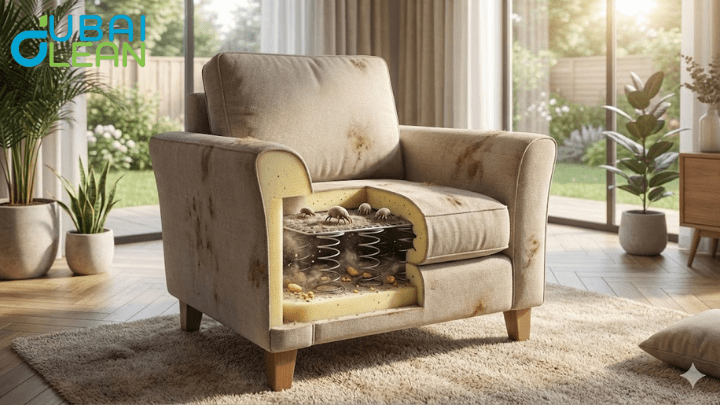
Sofas may look clean on the surface, but over time they silently trap dust, allergens, food crumbs, sweat, and bacteria, turning them into a hotspot for dirt and germs. In a bustling city like Dubai, where dusty conditions and busy lifestyles are common, neglected sofas can quickly accumulate harmful particles that affect your health and home hygiene. According to cleaning experts, regular maintenance is essential not only to preserve your sofa’s appearance but also to ensure a safer, healthier living environment.
1. The Hidden World Inside Your Sofa
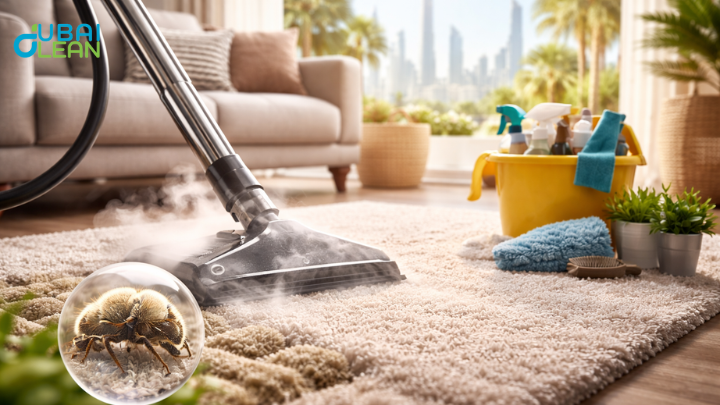
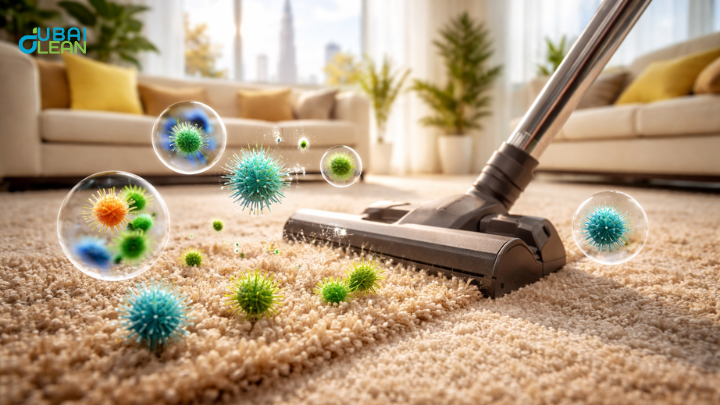
Beneath the surface of your sofa: lies a hidden world that most people never see. Dust mites and allergens can multiply rapidly in the soft fabric and cushions, creating an environment that may trigger sneezing, coughing, or other allergy symptoms. Even regular surface cleaning often misses these microscopic invaders that settle deep within.
Over time, sweat, body oils: and everyday odors seep into the fabric and padding, leaving behind a buildup that not only causes unpleasant smells but also weakens the sofa fibers. This invisible accumulation can make your furniture look dull and worn out faster than expected, especially in homes where the sofa is used daily by multiple family members.
Food crumbs, pet hair: and dander add another layer of concern. Crumbs can attract insects and bacteria, while pet hair and skin flakes settle into the fabric, forming a hidden layer of dirt that’s difficult to remove without proper cleaning. Together, these elements create a perfect storm of grime that can compromise both hygiene and comfort in your living space.
2. HOW OFTEN SHOULD YOU CLEAN YOUR SOFA?
To keep your sofa clean and hygienic, vacuum it regularly and air it out weekly to remove dust and odors. Address spills immediately to prevent stains from setting into the fabric. Perform spot cleaning and sanitize the fabric on a monthly basis for added protection. For a deep and thorough clean, hire professional sofa cleaning services every 6–12 months.
- Vacuum your sofa at least once a week to remove dust and crumbs.
- Use a soft brush or upholstery attachment to reach crevices and seams.
- Air out your sofa regularly by opening windows or using a fan to reduce odors.
- Wipe down leather or faux leather surfaces weekly to prevent grime buildup.
- Spot clean spills immediately to prevent stains from setting in.
- Sanitize fabric monthly using a safe, non-toxic cleaning solution.
- Rotate cushions regularly to ensure even wear and maintain shape.
- Deep clean fabric or upholstery professionally every 6–12 months.
- Steam clean or shampoo extraction can help remove embedded dirt and allergens.
- Apply fabric or leather protectors after cleaning to extend the sofa’s lifespan.
3. Health Risks of Neglected Sofas
Neglected sofas accumulate dust mites, bacteria, and allergens, increasing the risk of allergies and respiratory problems. They can also cause skin irritation with prolonged contact. Over time, trapped odors reduce indoor air quality, making your home less comfortable and healthy.
Skin Irritation and Bacterial Exposure
Over time, sweat, body oils, and accumulated bacteria seep deep into your sofa’s fabric and cushions. This creates a breeding ground for germs that can irritate sensitive skin. Regular contact with these contaminated surfaces may lead to rashes or minor infections. Children, elderly family members, and those with sensitive skin are especially at risk. Maintaining a clean sofa helps prevent these health issues and keeps your living space hygienic.
Unpleasant Odors and Poor Air Quality
Over time, odors from pets, food, and spills can become trapped deep within your sofa’s fabric and cushions. These lingering smells gradually spread into the surrounding air, making your living space feel less fresh and inviting. Poor indoor air quality caused by these odors can trigger discomfort and breathing issues. Prolonged exposure may affect the overall health and well-being of everyone in your household. Regular cleaning and airing out your sofa helps eliminate these odors and maintain a healthier home environment.
4. Signs Your Sofa Hasn’t Been Cleaned in Months
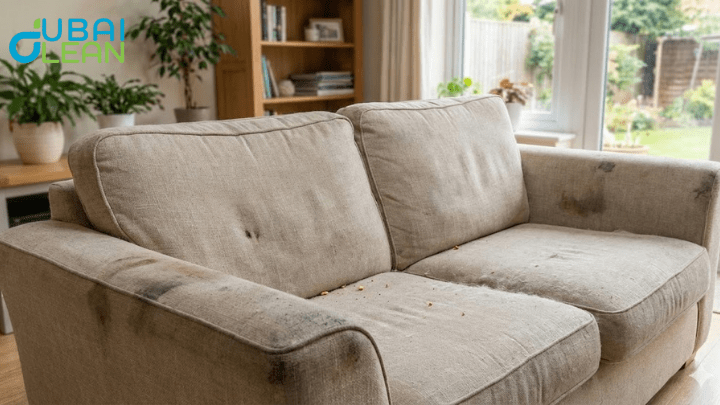
One of the easiest ways to tell that your sofa hasn’t been cleaned in months is through visible signs like strong odors, dark patches, and dust clouds that appear when you sit. These indicators show that dirt, oils, and allergens have built up over time, affecting both the appearance and hygiene of your furniture.Another warning sign is how your body reacts to the sofa. Frequent sneezing, itching, or irritation after sitting can indicate the presence of dust mites and allergens. Additionally, sagging or misshaped cushions suggest that dirt and moisture have accumulated inside, weakening the structure and comfort of your sofa.
5. Simple Daily Habits to Keep Your Sofa Cleaner
One of the most effective ways to keep your sofa cleaner is by adopting simple daily habits. Avoid eating or drinking on the sofa to prevent crumbs, spills, and stains from accumulating. Using sofa throws or covers provides an extra layer of protection, making it easier to clean up messes and reducing the buildup of dust, pet hair, and body oils. Even small routines, like giving your sofa a quick vacuum or wipe-down, can make a noticeable difference over time.
Maintaining your sofa also involves taking care of pets and cushions. Regularly grooming and training pets helps minimize hair, dirt, and dander on the furniture, while rotating cushions ensures even wear and prevents sagging. Combining these habits with occasional spot cleaning and airing out the sofa helps maintain hygiene, prolongs the life of the furniture, and keeps your living space fresh, comfortable, and inviting for your family and guests.
6. Months Without Cleaning – How Your Sofa Deteriorates
When sofas aren’t cleaned for months, fabric fibers begin to weaken, and cushions absorb dirt and moisture, causing them to lose shape and comfort. Humid conditions can lead to mold and mildew growth, creating unpleasant odors and health risks. Over time, stains set deep into the fabric, becoming permanent and difficult to remove, shortening the sofa’s lifespan.
| Issue | What Happens | Impact on Sofa & Home |
| Fabric fibers breaking down | Continuous dirt and oils weaken fabric threads | Sofa looks worn, loses softness and durability |
| Cushion foam absorbing dirt & moisture | Spills, sweat, and dust seep into cushions | Cushions become heavy, misshaped, and less comfortable |
| Mold & mildew growth | Humid conditions trap moisture inside padding | Causes unpleasant odors and potential health risks |
| Stains becoming permanent | Dirt and spills left untreated settle deep into fabric | Hard-to-remove marks damage appearance and reduce sofa lifespan |
Conclusion
Regular sofa cleaning is essential not just for maintaining its appearance, but also for ensuring a healthy and comfortable home environment. Neglected sofas harbor dust, allergens, bacteria, and odors that can affect your family’s health and shorten the furniture’s lifespan. By following simple cleaning habits and scheduling professional deep cleans, you can keep your sofa fresh, hygienic, and long-lasting, making your living space safer and more inviting.