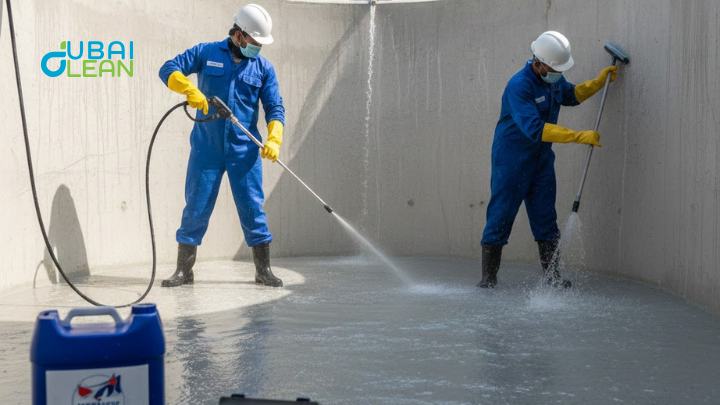



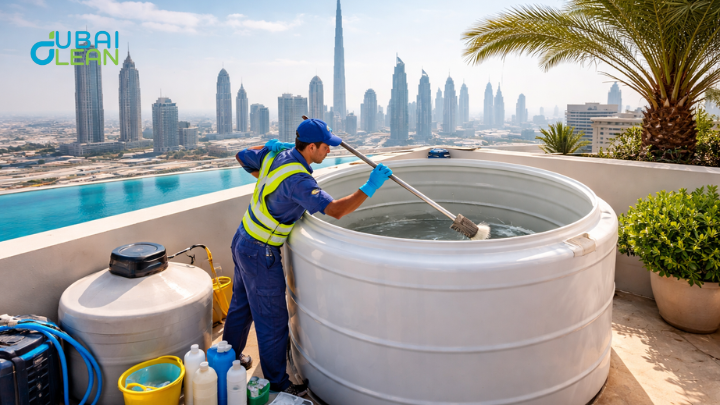
Clean water is essential for every home, especially in Dubai, where the hot climate and unique water storage systems make water safety a top priority. Many Dubai homes rely on rooftop or underground water tanks, which, if not properly maintained, can become a breeding ground for harmful contaminants. Common issues include dust and sand entering tanks during windy months, microbial growth fueled by high temperatures and humidity, and stagnant water that promotes bacteria and algae. These problems can affect your family’s health, causing digestive issues, skin irritations, or more serious illnesses if left unaddressed. In this guide, we provide expert-recommended solutions for keeping your water tank clean and safe.
1. Why Water Tank Cleanliness Matters in Dubai Homes
Keeping your water tank clean in Dubai is essential to safeguard your family’s health. Contaminated tanks can harbor bacteria, mold, and algae, which may cause digestive issues, skin infections, and respiratory problems. Stagnant or untreated water increases these risks, especially during the hot months when microbial growth accelerates.
Dubai homes are required to meet strict water safety standards set by the Dubai Municipality, which mandates regular tank cleaning, proper sealing, and safe storage practices to prevent contamination. Following these guidelines not only ensures compliance with the law but also protects your household from potential health hazards.
According to the Dubai Municipality Water & Sanitation Guidelines, homeowners are advised to clean water tanks at least once a year and ensure proper disinfection for safe domestic use.
2. Safe Substances to Keep Your Water Tank Clean
Keeping your water tank clean in Dubai homes requires safe, effective, and regulated substances. Using the right treatment prevents microbial growth and ensures the water remains safe for daily consumption.
Chlorine Tablets (USP Grade)
Chlorine tablets are one of the most widely recommended solutions for disinfecting water tanks. For Dubai homes, it’s important to use USP-grade chlorine to ensure safety. The typical dosage is 1 tablet per 1000 liters of water, but always follow manufacturer instructions and Dubai Municipality guidelines.
| Pros | Cons | Additional Information / Tips |
| Effective against bacteria, viruses, and algae | Overuse can affect water taste | Use 1 tablet per 1000 liters of water; adjust based on tank size and water usage. |
| Easy to use and long-lasting | Requires proper handling to avoid chemical burns | Dissolve tablets fully before adding to tank; avoid direct skin contact. |
| Ensures safe drinking water when used correctly | Can cause mild odor if dosage is slightly high | Follow Dubai Municipality and WHO water safety guidelines for domestic tanks. |
| Affordable and widely available in UAE | Needs regular monitoring | Combine with routine tank cleaning every 6–12 months for best results. |
The UAE Ministry of Health and Dubai Municipality recommend chlorine concentrations of 0.2–0.5 mg/L for domestic water tanks to ensure safety without compromising health.
Copper Sulfate (Algae Control)
Copper sulfate is a powerful solution to prevent and control algae growth in water tanks, especially in Dubai’s hot and humid climate, where algae can multiply quickly in stagnant water. When used correctly, it helps maintain clear, safe water and reduces the risk of microbial contamination.
i) How to Use Safely:
- Use only trace amounts as per Dubai Municipality recommendations (typically a few grams per 1000 liters).
- Ensure proper mixing and dilution before using the water for domestic purposes.
- Avoid direct consumption immediately after adding copper sulfate; allow the chemical to settle and be evenly distributed.
- Combine with routine tank cleaning to remove sediment and algae residues.
ii) Additional Tips:
- Use protective gloves and avoid inhaling powder when handling.
- Store copper sulfate out of reach of children and pets.
- Monitor the water for cloudiness or odor after application; if present, consult a professional.
- Consider regular water testing for larger tanks or homes with high water consumption.
| Pros | Cons | Additional Information / Tips |
| Highly effective at controlling algae growth | Overuse can be toxic | Use only trace amounts per 1000 liters, as recommended by Dubai Municipality. |
| Prevents discoloration and foul odor in water | Not safe for immediate consumption | Allow proper dilution and mixing before using water for drinking. |
| Can complement other treatments (like chlorine) | Needs careful handling | Wear gloves, avoid inhalation, and store safely away from children/pets. |
| Affordable and widely available in UAE | May require professional advice for large tanks | Regular monitoring and water testing ensure safe levels and compliance with health standards. |
Overuse can lead to water toxicity. For small domestic tanks, a few grams per 1000 liters is sufficient, and always follow professional guidance.
Baking Soda & Citric Acid (pH Balancing)
Maintaining proper pH levels in your water tank is crucial for preventing microbial growth, reducing corrosion, and ensuring safe, clean water in Dubai homes. Both baking soda (sodium bicarbonate) and citric acid are natural, safe substances that help balance water pH without adding harmful chemicals.
i) How to Use:
- Baking Soda: Slightly increases pH to prevent acidic water from corroding tank walls and pipes. Typical dosage is 1–2 teaspoons per 1000 liters.
- Citric Acid: Slightly lowers pH to prevent alkaline water from forming mineral deposits. Dosage should be minimal, around 1 teaspoon per 1000 liters, depending on water testing results.
- Always test the water’s pH before and after application. Ideal pH for domestic water in Dubai is 6.5–8.5, as recommended by the Dubai Municipality and WHO guidelines.
ii) Additional Benefits:
- Safe for families, including children, since it’s chemical-free and eco-friendly.
- Helps reduce scale buildup in pipes and faucets.
- Enhances the effectiveness of other treatments like chlorine.
- Simple to apply and low-cost, suitable for small to medium-sized domestic tanks.
| Pros | Cons | Additional Information / Tips |
| Eco-friendly and chemical-free | Not a disinfectant on its own | Should be combined with other safe treatments for microbial control. |
| Maintains clean water without affecting taste | Requires proper dosage | Test water pH regularly to avoid over-alkalinity or over-acidity. |
| Helps prevent corrosion and scale buildup | Needs periodic monitoring | Ideal pH range: 6.5–8.5 as per Dubai health guidelines. |
| Low-cost and easy to apply | Not effective against algae or bacteria alone | Can be safely used alongside chlorine or copper sulfate for full water safety. |
Regular monitoring of pH levels ensures that your tank water remains within safe limits, protecting both your family’s health and your tank infrastructure.
3. Water Tank Maintenance Best Practices
Proper maintenance is just as important as using safe substances to keep your water tank clean. Regular care prevents contamination, ensures safe drinking water, and extends the life of your tank. Here are key best practices for Dubai homes:
- Clean tanks every 6–12 months: Regular cleaning removes sediment, algae, and microbial buildup before it becomes a health risk.
- Drain and scrub tank walls: Physically removing sludge and deposits ensures water stays clear and safe.
- Install first-flush diverters for rooftop tanks: These devices prevent debris, dust, and rainwater contaminants from entering the tank.
- Regularly check inlets and outlets: Ensure pipes and fittings are free from leaks, blockages, or contamination points.
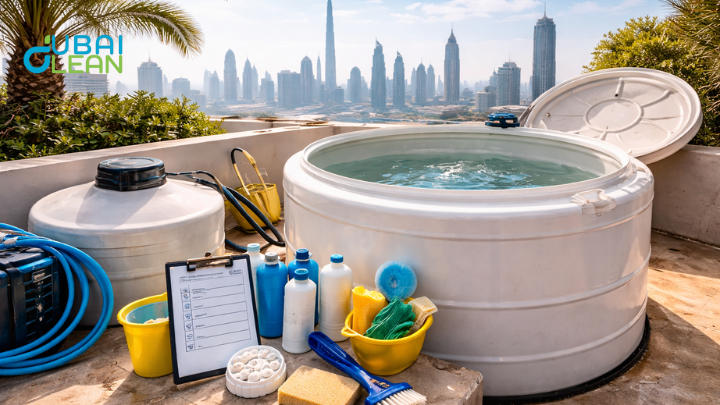
For large or complex tanks, professional cleaning services are highly recommended. Certified Dubai-based experts use approved disinfectants, safety procedures, and water testing to guarantee safe, contaminant-free water. This ensures your family’s health and compliance with Dubai Municipality water regulations.
4. How Often Should You Treat Your Tank in Dubai?
The frequency of water tank treatment in Dubai depends on water usage, tank size, and climate conditions. For average households, treating your tank every 3–6 months with safe substances like chlorine or natural pH stabilizers is generally sufficient. Smaller tanks or low-usage households may require less frequent treatment, while larger tanks need more regular attention.
Seasonal Factors: Dubai’s hot and humid months accelerate microbial growth, meaning water tanks should be monitored and treated more often during the summer. High temperatures can lead to algae and bacterial proliferation, making timely treatment essential for safe drinking water.
Water Testing: Homes with large families, frequent water use, or storage tanks above 2000 liters should consider periodic water testing. Simple tests for pH, chlorine levels, and microbial contamination help ensure that your treatment methods are effective and the water remains safe.
For peace of mind, Dubai residents can hire professional services to test and treat water tanks. Certified experts follow Dubai Municipality and WHO standards, ensuring that water is healthy for daily use.
5. Health & Safety Considerations
While treating your water tank is essential, overusing chemicals can pose health risks. Excess chlorine or copper sulfate may cause irritation, unpleasant taste, or, in extreme cases, toxicity. For safe use in Dubai homes, chlorine concentrations should stay within 0.2–0.5 mg/L, and copper sulfate should be limited to trace amounts as per Dubai Municipality guidelines.
Improper treatment, such as using unregulated substances or skipping proper dilution, can lead to microbial contamination or chemical hazards, affecting your family’s health. To ensure safety, follow recommended dosages, adhere to professional guidance, and consider periodic water testing.
Both the Dubai Health Authority and World Health Organization (WHO) Water Safety Standards emphasize that domestic water must remain free from harmful bacteria and maintain safe chemical levels for human consumption. Regular monitoring and professional oversight ensure compliance with these standards, protecting your household from potential health risks.
6. When to Call Professionals
Even with regular maintenance and safe treatments, some situations require professional inspection to ensure your water remains safe for consumption. Homeowners should consider calling certified Dubai-based cleaning services if they notice any of the following:
- Cloudy water: A sign of sediment, bacterial growth, or contamination.
- Bad odor: Often caused by algae, stagnant water, or chemical imbalance.
- Sediment buildup: Visible sludge at the bottom of the tank indicates a need for deep cleaning.
- Recurring algae: Persistent green or slimy deposits suggest improper maintenance or environmental factors.
Professional cleaning services in Dubai use approved disinfectants, safe handling practices, and water testing to ensure your tank meets Dubai Municipality and WHO water safety standards. Engaging experts not only protects your family’s health but also prolongs the lifespan of your tank, providing peace of mind and compliance with local regulations.
Conclusion
Keeping your water tank clean in Dubai homes is essential for your family’s health. Using safe substances like chlorine tablets, copper sulfate in trace amounts, baking soda, or natural methods, combined with routine maintenance such as periodic cleaning, pH balancing, and monitoring, ensures your water remains safe and contaminant-free. Regular care prevents bacterial growth, algae, and sediment buildup, protecting your household from potential health risks. Ensure your family’s water safety by maintaining your water tank regularly or contacting DubaiClean for professional tank cleaning, following expert-approved practices for peace of mind.