


Keeping your air conditioner in good shape isn’t just about comfort. It’s also about saving energy and avoiding costly repairs. That’s why it’s important to know which AC components require regular maintenance. From filters and coils to fans and thermostats, each part plays a role in keeping your home cool and your system running smoothly. In this guide, we’ll walk you through the key components to look after and simple steps you can take to keep everything working as it should.
Why Regular AC Maintenance Matters
Benefits of Scheduled Servicing
Keeping up with regular AC maintenance service is one of the smartest things you can do for your cooling system. When you follow a routine maintenance schedule, you’re less likely to face surprise breakdowns during the hot months. It helps your unit run more smoothly and use less energy, which can lower your electricity bills. Clean and well-maintained systems also improve the air quality in your home. On top of that, regular checks can catch small issues early before they turn into expensive repairs.
How Neglecting Components Impacts AC Efficiency
When certain parts of your AC, like the filters or coils, are ignored for too long, they start collecting dust and dirt. This build-up blocks airflow, making your system work harder to keep your home cool. As a result, it uses more power and puts extra strain on the entire unit. Over time, this not only reduces the cooling performance but also increases the chances of a breakdown, especially during the hottest days when you need your AC the most.
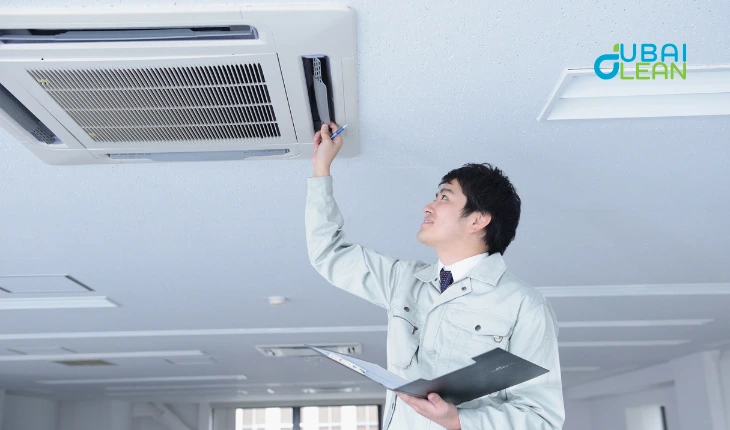
Key AC Components That Require Regular Maintenance
Air Filters – The First Line of Defense
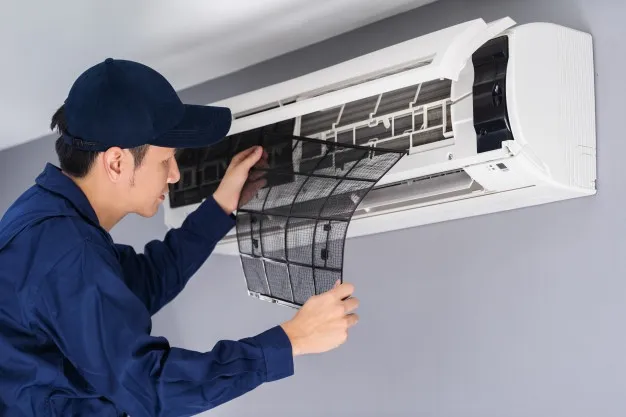
Air filters are one of the most important parts of your air conditioning system. They catch dust, pollen, and other small particles before they enter your home. When these filters get dirty, they make it harder for air to flow properly, which can affect how well your AC works. Dirty filters can also lead to poor indoor air quality and higher electricity bills. To keep your system running smoothly, it’s best to clean or replace the filters once a month.
Evaporator and Condenser Coils – Cooling and Heat Transfer
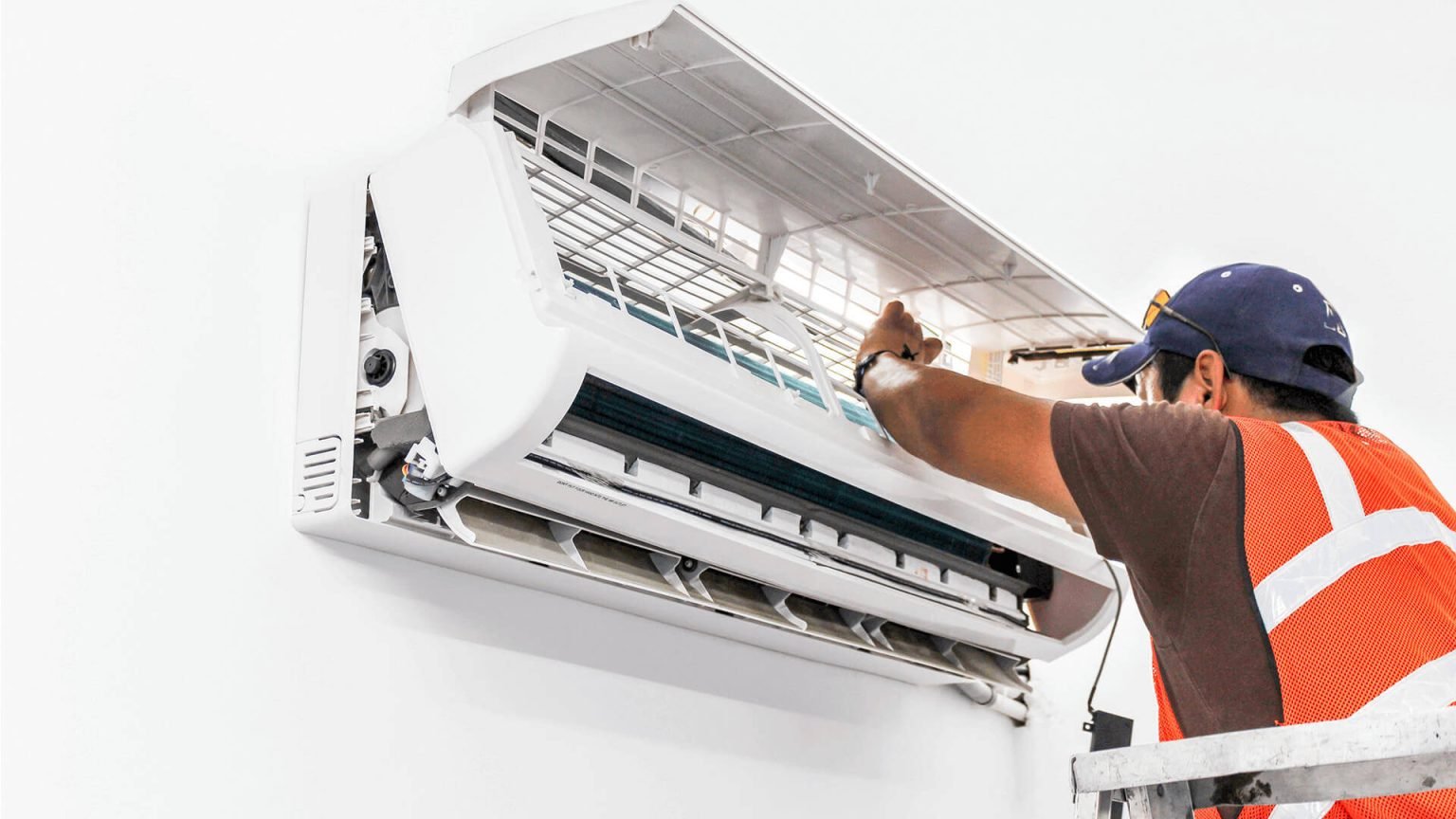
These coils play a key role in how your AC cools your home. The evaporator coil pulls heat from the air inside, while the condenser coil releases that heat outside. Over time, both coils can get covered in dust and dirt, which makes it harder for them to do their job. When that happens, your system has to work harder and can wear out faster. Cleaning the coils regularly helps your AC cool your space more effectively and keeps the system in good condition.
Fan Motors and Blades – Air Circulation Essentials
The fans in your air conditioner are responsible for moving air through your home. If dust collects on the blades or if the motor gets clogged, it can lead to weak airflow or even strange noises. In some cases, the fan might stop working altogether. Regular cleaning and basic care, like making sure parts are free of dust and moving smoothly, can help avoid these issues and keep the air flowing properly.
Drain Lines and Pans – Preventing Water Damage
Your air conditioner also removes moisture from the air, and that water needs to go somewhere. Drain lines and pans collect and carry it away. If the lines get blocked or the pan overflows, it can cause leaks and even lead to mold or mildew inside your home. Checking and cleaning the drain area regularly can prevent serious damage and help maintain healthy indoor air.
Refrigerant Levels – Ensuring Efficient Cooling
Refrigerant is the cooling fluid that helps your AC system lower the temperature in your home. If your system is low on refrigerant, it might be due to a leak, which can cause your unit to blow warm air or struggle to cool your space. Low refrigerant levels also make your system less energy-efficient. It’s important to have a technician check refrigerant levels once a year to make sure everything is running smoothly and safely.
Thermostat – Accurate Temperature Control
The thermostat acts as the brain of your AC system. It tells the system when to turn on or off based on the temperature you set. If the thermostat is not working correctly or is out of calibration, you might experience uneven cooling or even waste energy. Checking that your thermostat is working properly helps ensure your home stays comfortable without putting extra stress on your AC.
Electrical Components – Safety and Functionality
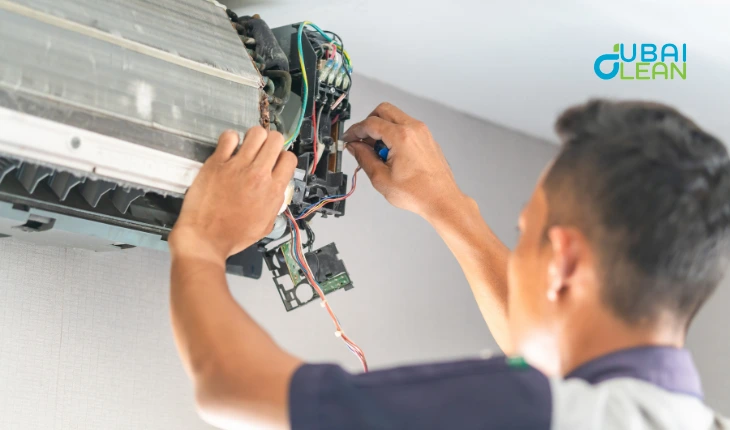
Your air conditioning system includes many small electrical parts, such as wires, switches, and fuses. These parts are important for keeping the system running safely and reliably. If they wear out or become damaged, it can cause your system to stop working or even lead to electrical problems. Having a professional check the electrical components regularly helps prevent safety risks and keeps your system running without interruption.
How Often Should You Maintain These AC Components?
Keeping your air conditioner in good shape doesn’t have to be complicated. A little routine care can go a long way in helping your system run efficiently and last longer. Here’s how often you should check and maintain key parts of your AC system to keep it working at its best.
Monthly Maintenance Tasks
There are a few simple things you can do each month to help your AC work smoothly. These tasks don’t take much time and can make a big difference.
- Start by replacing the air filter. A clean filter keeps the airflow steady and helps improve indoor air quality.
- Next, take a quick look at your thermostat to make sure it’s working properly and set to your preferred temperature.
- It’s also a good idea to check around the outdoor unit for any leaves or dirt that may have built up. Clearing away debris allows the system to breathe and function more efficiently.
- If you can access the drain pan safely, give it a light cleaning to help prevent water buildup and mold growth.
These basic steps are easy to do yourself and are an important part of a regular AC maintenance schedule.
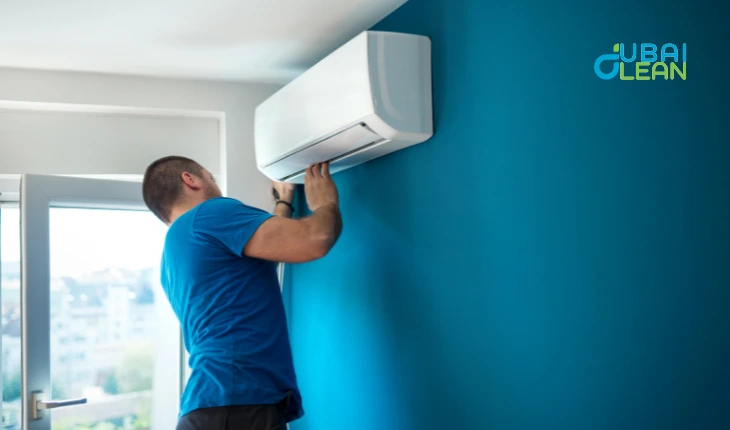
Seasonal or Annual Maintenance Checklist
Once a year, especially before the summer season begins, it’s wise to schedule a more detailed inspection. This is where professional help becomes important.
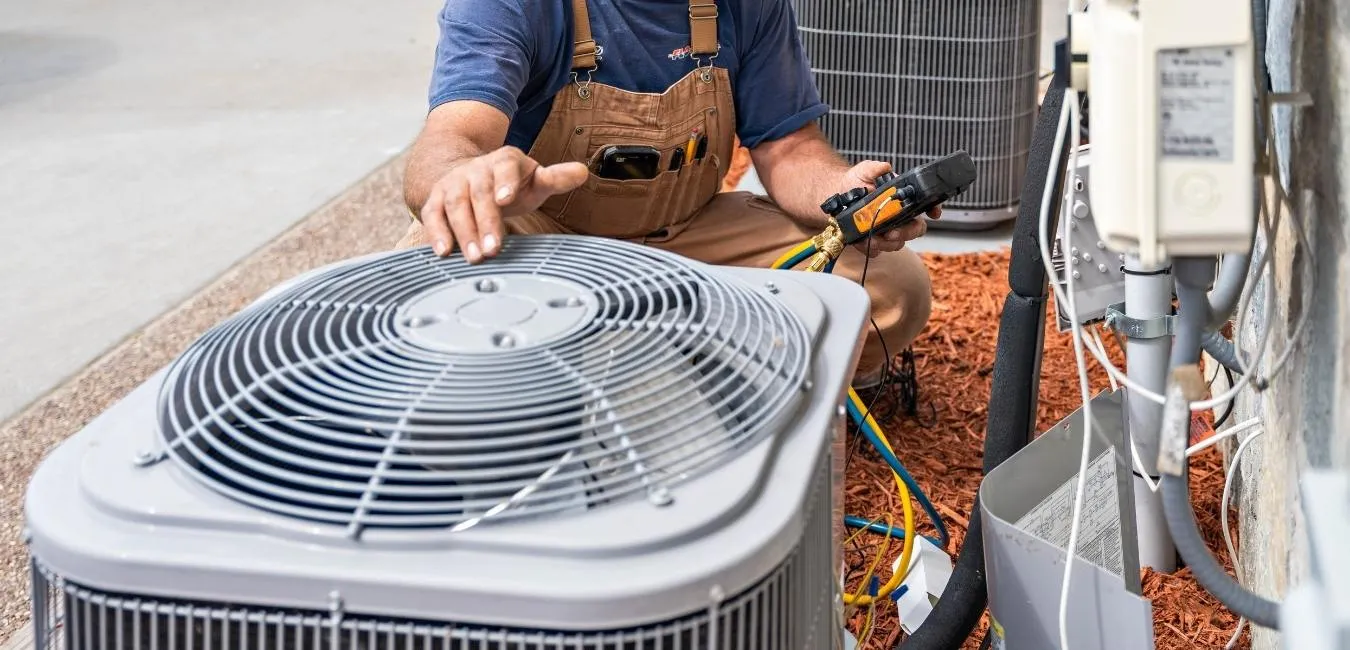
A technician can check the refrigerant levels to make sure the system is cooling properly. They will also clean the evaporator and condenser coils, which helps the AC absorb and release heat more effectively. Electrical parts will be tested to make sure everything is safe and running as it should.
This type of full system check is part of a complete air conditioning maintenance checklist and should be done at least once a year. Regular annual care not only keeps your home cool but also protects your investment in the long run.
Signs Your AC Components Need Immediate Attention
Poor Airflow or Uneven Cooling
If some areas of your home feel cooler than others or the air coming out of the vents seems weaker than usual, it’s a clear sign something isn’t right. Often, this happens because the air filter is clogged, the fan isn’t working properly, or the cooling coils are dirty. These are all important parts of your AC system that need regular care to keep everything running smoothly.
Strange Noises or Smells
Your AC should run quietly, so if you start hearing odd sounds like buzzing, rattling, or clicking, it’s worth paying attention. These noises might mean something is loose or worn out inside the system, such as a fan blade or an electrical part. If you notice a musty or damp smell, there could be mold building up in the drain pan or air ducts, which can affect your indoor air quality.
Higher Energy Bills
When your energy bill goes up without a clear reason, your AC system might be the cause. If parts like the air filter are dirty or the refrigerant levels are low, the system has to work much harder to cool your home. This extra effort uses more electricity and raises your monthly costs. Keeping up with regular maintenance can help avoid these surprises.
DIY Maintenance Tips vs. Professional Servicing
What You Can Safely Do Yourself
There are a few simple maintenance tasks you can handle on your own to keep your AC running smoothly.
- Start by replacing the air filters every month. This helps improve airflow and keeps dust and allergens out of your home.
- You should also keep the outdoor unit clean by clearing away leaves, dirt, or debris that might build up around it. This helps the system breathe and work efficiently.
- Don’t forget to wipe down air vents and grills inside your home. A quick clean can make a big difference in airflow and indoor air quality.
- Lastly, check your thermostat regularly to make sure it’s working properly. Sometimes, all it needs is a battery change or a quick reset.
These basic steps are easy, safe, and don’t require any special tools or training. They’re perfect for homeowners who want to stay on top of routine care.
When to Call a Professional HVAC Technician
Some parts of your AC system are more complex and should always be handled by trained technicians. If your unit isn’t cooling properly, or if you suspect a refrigerant leak, it’s time to call in a professional.
Deep cleaning the evaporator or condenser coils, inspecting the electrical components, and checking refrigerant levels are not safe to do on your own. HVAC experts have the tools and experience to perform these tasks correctly and safely.
They’ll also follow a detailed air conditioning maintenance checklist to make sure everything is working as it should. Trusting professionals with these jobs helps prevent costly mistakes and keeps your system in top shape.
Final Thoughts
The AC components that require regular maintenance include filters, coils, fans, drain lines, refrigerant, and thermostats. Consistent attention to these areas ensures smooth operation and protects your investment.
Routine care leads to improved air quality, reduced repair costs, and enhanced energy efficiency. Staying ahead with a clear AC maintenance schedule also helps your system last significantly longer saving time, stress, and money in the long run.
Want to save on AC repair costs? Check out our expert DIY AC maintenance tips and keep your system running smoothly