


Sofas often stay wet for hours after deep cleaning due to the city’s high humidity, continuous air-conditioning, and thick or layered fabric materials, leading to common sofa moisture problems that frustrate homeowners. This trapped moisture can quickly result in unpleasant odors, mold growth, and harmful bacteria, creating potential health risks for the entire family, especially children and pets. Beyond the discomfort of sitting on damp furniture, slow-drying sofas can compromise indoor hygiene and make living spaces feel less inviting. To tackle these issues, it’s essential to follow proper sofa hygiene maintenance practices and adopt expert drying techniques.
1. Why Sofas Stay Wet After Deep Cleaning in Dubai
In Dubai’s unique climate, wet sofas after deep cleaning are a common problem for many households. The city’s high humidity, combined with constant air-conditioning, slows down the drying process, leaving sofas damp for longer. Using cleaning methods that apply too much water can also saturate fabric layers, making drying even slower. Knowing these factors helps homeowners maintain clean, hygienic sofas without lingering moisture issues.
Fabrics and Materials That Retain Moisture
Different sofa materials absorb and retain water differently, which directly affects drying times. Sofas made from velvet, microfiber, or heavily padded fabrics tend to hold moisture longer compared to leather or synthetic blends. These materials trap water deep within the fibers, making it harder for air circulation to reach the core, which increases the risk of lingering dampness, odor, and even mold if not properly dried.
Environmental Factors in Dubai Homes
Several environmental factors in Dubai homes contribute to slower sofa drying. High indoor humidity, poor ventilation, and the continuous use of air-conditioning can all slow evaporation. Additionally, room layout such as placing sofas away from windows or airflow sources can trap moisture further. Combining these conditions with thick fabrics or improper cleaning methods intensifies sofa moisture problems, highlighting the importance of targeted drying strategies.
2. Health Risks of Wet Sofas and Mold
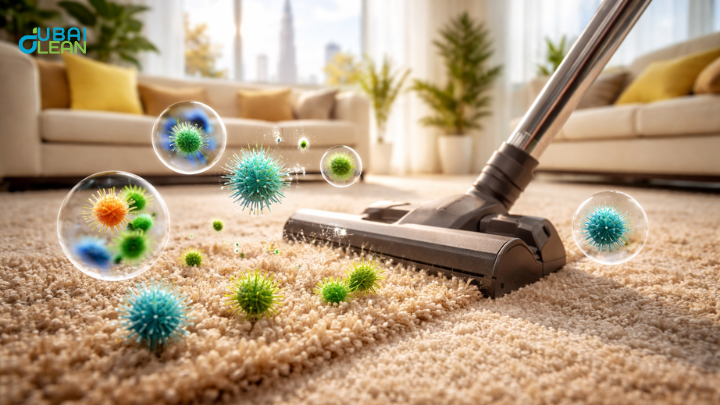
Wet sofas that are not dried properly can pose significant health risks, especially in Dubai’s humid environment. Prolonged moisture encourages the growth of mold, bacteria, and dust mites, which can trigger allergies, respiratory issues, and skin irritation. Failing to address these issues promptly can compromise indoor hygiene and create an unsafe environment for your family. Regular removal of mold from sofas and maintaining proper drying practices are essential to prevent these health hazards and ensure a safe, clean home.
Impact on Children and Pets
Children and pets are particularly vulnerable to the dangers of damp sofas. Mold spores and bacteria can easily cause respiratory problems, allergic reactions, and skin irritation. Young children who often play on sofas or crawl on furniture are at higher risk, making it critical to ensure sofas are completely dry and free from microbial growth after every deep cleaning.
Long-Term Hygiene Consequences
If wet sofas are left to dry slowly or improperly, mold growth can become persistent, odors may linger, and bacteria can accumulate deep within the fabric. Over time, this not only reduces the lifespan of your sofa but also creates a continuously unhygienic environment. Proper maintenance, including timely cleaning, drying, and mold removal, is key to preserving both health and furniture quality in Dubai homes.
3. Expert Wet Sofa Drying Tips
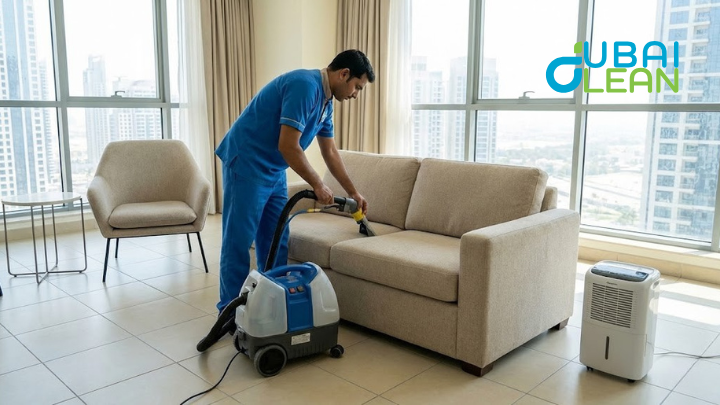
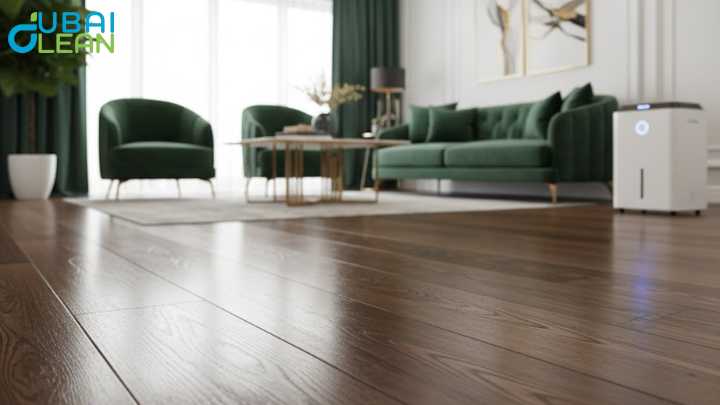
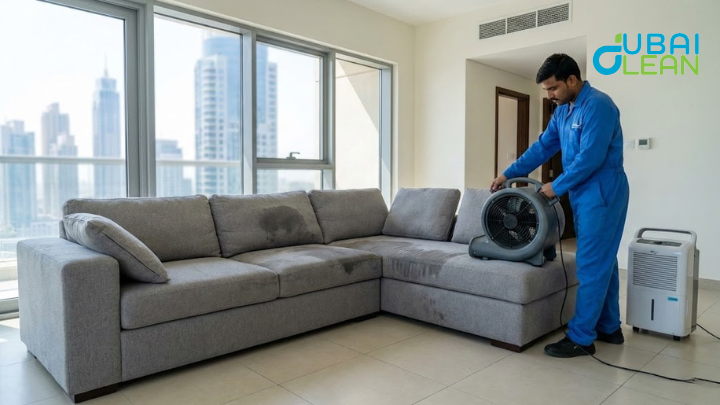
After deep cleaning, ensuring your sofa dries quickly is crucial to prevent mold, odor, and bacteria growth. In Dubai’s humid climate, professional methods such as low-moisture cleaning, high-powered extraction machines, proper airflow with fans, and dehumidifiers can significantly speed up the drying process. These techniques not only maintain sofa hygiene but also protect your family’s health by minimizing sofa moisture problems.
Safe Drying for Fabric Sofas
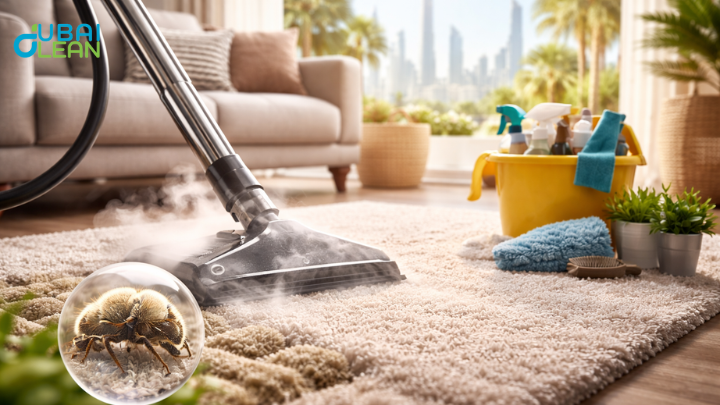
Fabric sofas, such as microfiber or velvet, retain water deeply within their fibers. To dry them safely, professionals often use low-moisture steam cleaning or extraction equipment that removes excess water without over-saturating the material. Placing the sofa near windows or using fans to circulate air helps moisture evaporate faster.
Safe Drying for Leather Sofas
Leather sofas require special care as excessive moisture can cause cracking, discoloration, or deformation. Experts recommend using minimal water during cleaning and immediately wiping excess moisture. Airflow from fans, along with controlled indoor temperature, helps leather dry evenly. Avoid harsh chemicals or direct heat, which can harm the leather finish while still ensuring the sofa dries completely to prevent mold or odor.
4. DIY vs Professional Sofa Cleaning in Dubai
When it comes to sofa cleaning in Dubai, homeowners often face the choice between DIY methods and certified professional services. DIY cleaning can be convenient and cost-effective for minor spills or low-risk fabrics, but it often results in slower drying and may not fully eliminate mold or bacteria, contributing to sofa moisture problems. Professional cleaning, on the other hand, uses low-moisture techniques, extraction machines, and expert drying methods to ensure fast, hygienic results. While it may cost more, it guarantees safer sofas for children and pets and supports long-term.
| Aspect | DIY Sofa Cleaning | Professional Sofa Cleaning |
| Drying Time | Often slower due to limited equipment; may worsen sofa moisture problems | Fast drying using low-moisture methods, extraction machines, and dehumidifiers |
| Hygiene & Safety | May leave mold or bacteria if not done correctly | Guaranteed hygiene, reduces risk of mold, odor, and bacteria |
| Materials & Fabrics | Best for minor spills and low-risk fabrics | Suitable for all types, including velvet, microfiber, and leather |
| Convenience | Flexible timing but labor-intensive | Saves time; technicians handle cleaning, drying, and maintenance |
| Health Considerations | Slight risk for children and pets if not fully dry | Safer for family, especially kids and pets, due to professional drying and sanitation |
| Cost | Low cost, DIY products | Higher cost but ensures quality, safety, and fast results |
| Preventive Maintenance | Limited effect; may miss deep cleaning needs | Supports long-term sofa hygiene maintenance and mold prevention |
5. Preventing Mold and Odor in Sofas
Maintaining your sofa’s hygiene over time is essential to prevent mold, odor, and bacteria buildup, especially in Dubai’s humid climate. Consistent care not only protects your furniture but also safeguards the health of your family. Implementing sofa hygiene maintenance practices, such as regular cleaning, proper ventilation, and protective sprays, ensures that sofas remain dry, fresh, and safe for everyday use.
Routine Cleaning Practices
Experts recommend cleaning your sofas at least once every few months, or more frequently for high-traffic areas. Using safe, fabric-appropriate cleaning products helps remove dirt, dust, and potential microbial growth without damaging the sofa. Regular vacuuming, spot treatment, and professional deep cleaning prevent mold spores from settling, keeping your sofa hygienic and odor-free.
Quick-Dry and Moisture Control
Preventing moisture accumulation after cleaning is key to avoiding slow drying and mold formation. Ensure adequate airflow by opening windows, using fans, or placing dehumidifiers nearby. Low-moisture cleaning methods and immediate extraction of water after spills or deep cleaning sessions help the sofa dry faster. Maintaining consistent drying practices protects the sofa from lingering dampness, reduces sofa moisture problems, and keeps your living space safe and fresh.
Conclusion
Slow-drying sofas after deep cleaning can create serious health risks, including mold growth, unpleasant odors, and bacteria accumulation, which are especially concerning in Dubai’s humid climate. These sofa moisture problems not only affect indoor air quality but also pose risks to children, pets, and family members with allergies or respiratory issues. Prompt attention, proper sofa hygiene maintenance, and the use of expert cleaning methods are essential to keep your furniture safe and fresh. Professional services that utilize low-moisture cleaning, extraction machines, and controlled drying techniques ensure fast results and long-term protection.