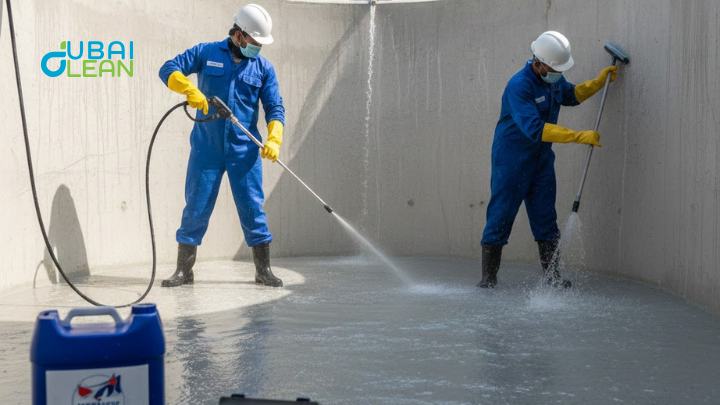



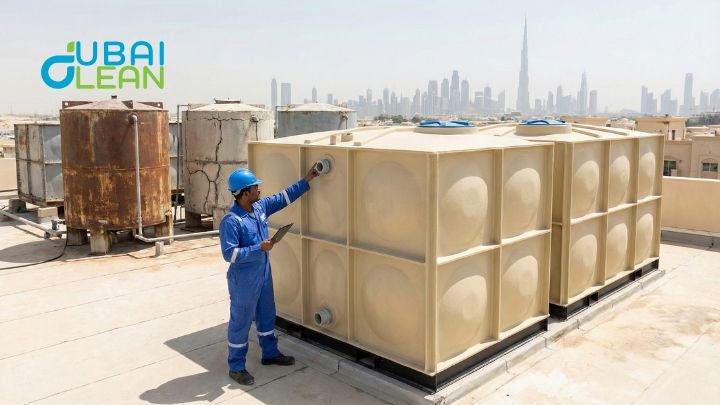
Dubai’s extreme summer temperatures, often soaring between 40–50°C, combined with mineral-rich tap water, put traditional water storage tanks under constant stress. Steel and concrete tanks are prone to cracks, corrosion, and structural degradation, leading to frequent maintenance, high replacement costs, and potential water contamination. For facilities managers, project engineers, and property developers, these issues not only impact operational efficiency but also pose regulatory challenges under Dubai Municipality standards. Glass Reinforced Plastic (GRP) water tanks provide a reliable solution.
1. Why Heat & Corrosion Are Major Threats to Water Tanks in Dubai
Dubai’s scorching summers, with temperatures frequently reaching 40–50°C, place enormous stress on traditional steel and concrete water tanks. Prolonged exposure to extreme heat can cause structural cracks, leaks, and deformation, compromising the tank’s integrity and lifespan. Additionally, Dubai’s mineral-rich tap water accelerates corrosion in conventional tanks. Over time, rust and scaling can contaminate stored water, reducing its quality and safety while weakening the tank structure.
Risks to Operational Efficiency
These heat and corrosion challenges directly affect operational efficiency. Facilities managers face frequent repairs, costly downtime, and early tank replacements. Beyond financial impact, compromised tanks pose health hazards from potential water contamination, making proactive solutions essential for sustainable water storage.
2. How GRP Water Tanks Solve Heat and Corrosion Problems
Glass Reinforced Plastic (GRP) water tanks are engineered to withstand Dubai’s harsh environmental conditions. GRP is UV-resistant, corrosion-proof, and thermally stable, ensuring that tanks maintain structural integrity even under extreme summer heat. Unlike traditional steel or concrete tanks, GRP does not warp, crack, or degrade over time, providing a reliable, long-term water storage solution. GRP tanks offer multiple benefits for facilities managers and project engineers: they require minimal maintenance, have a lifespan of 20–25+ years, are lightweight and modular for flexible installation in high-density or rooftop spaces, and fully comply with Dubai Municipality
Corrosion & Hygiene Advantages
GRP tanks eliminate the risk of rust, metal leaching, and biofilm formation, ensuring safe, potable water for residential, commercial, and hospitality projects. By preventing contamination, they reduce health hazards and maintenance interventions, providing peace of mind for property managers and occupants alike.
3. GRP Tanks vs Traditional Steel & Concrete Tanks
When selecting water storage solutions in Dubai, GRP tanks offer clear advantages over traditional steel and concrete tanks. Steel and concrete tanks often require high maintenance, frequent repairs, and early replacement due to heat, corrosion, and structural wear. GRP tanks, while slightly higher in initial investment, provide long-term savings through durability, low maintenance, and operational efficiency. Their lightweight, modular design allows easy installation on rooftops and in high-density developments where space is limited.
Dubai-Specific Considerations
GRP tanks are specifically engineered for Dubai’s harsh environmental conditions. They resist extreme heat, sandstorms, and humidity, maintaining structural integrity over decades. Additionally, their compliance with Dubai Municipality regulations ensures safer water storage, easier inspections, and reduced operational headaches for facilities managers and project engineers.
| Feature / Problem | Traditional Steel / Concrete Tanks | GRP Water Tanks | Dubai Advantage |
| Heat Resistance | Prone to cracks, warping, deformation in 40–50°C | Thermally stable, UV-resistant | Handles extreme Dubai summers without damage |
| Corrosion | Rusts easily in mineral-rich water | Corrosion-proof | Ensures long-term water quality and tank integrity |
| Lifespan | 10–15 years with frequent maintenance | 20–25+ years with minimal maintenance | Lower CAPEX & reduced operational downtime |
| Installation Flexibility | Heavy, bulky, limited rooftop options | Lightweight, modular, compact | Fits high-density areas and rooftops |
| Maintenance | Frequent inspections and repairs required | Low-maintenance, easy cleaning | Saves time and operational costs |
| Water Quality & Hygiene | Risk of biofilm, rust, and leaching | Prevents rust, leaching, biofilm formation | Safe potable water, Dubai Municipality compliant |
| Compliance | May require upgrades to meet regulations | Fully Dubai Municipality-compliant | Simplifies inspections and regulatory adherence |
4. Practical Tips for Extending Water Tank Lifespan
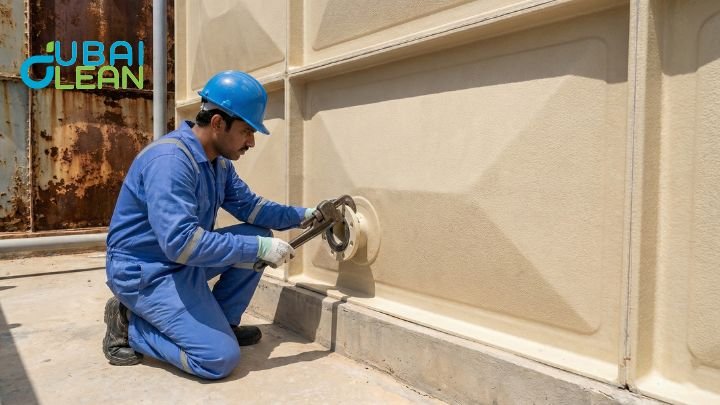
Even with durable GRP water tanks, proactive maintenance ensures maximum performance and longevity. Regular inspections and a structured cleaning schedule help identify early signs of wear, prevent contamination, and maintain water quality. Facilities managers should also implement preventive measures such as checking fittings, monitoring water levels, and ensuring proper ventilation. GRP-specific precautions enhance tank performance further. Installing UV shielding, providing proper support structures, and avoiding exposure to chemicals or oils will prevent premature surface damage.
Cost & Time Savings
By following these maintenance best practices, facilities managers can significantly reduce operational downtime and overall CAPEX. GRP water tanks require far fewer repairs and replacements compared to traditional steel or concrete tanks, saving both time and money. Proper maintenance also minimizes the risk of water contamination, avoiding potential health hazards and regulatory penalties under Dubai Municipality standards.
5. Common Problems with GRP Tanks & How to Address Them
While GRP water tanks are highly durable, minor issues can occasionally arise if preventive measures are overlooked. Common problems include surface scratches from handling or environmental exposure, and fittings or joint issues due to improper installation. Left unaddressed, these minor concerns can escalate, potentially affecting water quality or structural integrity over time. Most problems can be prevented with proper installation by certified professionals, ensuring correct alignment, support, and sealing of joints. Routine annual inspections by experts are highly recommended to detect any early signs of wear, loose fittings, or minor damage.
Conclusion
Dubai’s extreme heat, high humidity, and mineral-rich water pose serious challenges for traditional steel and concrete water tanks, leading to corrosion, structural damage, frequent repairs, and compromised water quality. These issues increase operational costs and create potential regulatory and health risks for residential, commercial, and hospitality projects. GRP water tanks offer a durable, corrosion- and heat-resistant solution designed to withstand Dubai’s harsh climate. With their long lifespan, low maintenance requirements, modular installation options, and full compliance with Dubai Municipality regulations, GRP tanks deliver a reliable, cost-effective alternative to conventional water storage systems.