


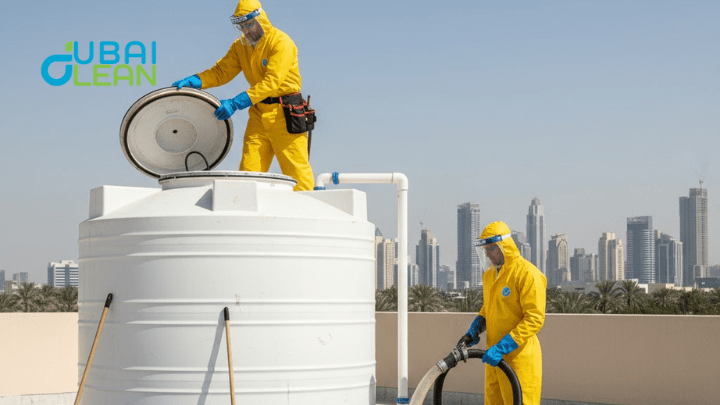
Clean water is the foundation of a healthy life, whether at home, in offices, or in large commercial buildings. Water tanks play a crucial role in storing water for daily use, ensuring that households and businesses have a steady supply even during shortages or disruptions. However, these tanks can accumulate dust, dirt, algae, and harmful bacteria over time, turning a vital resource into a potential health hazard.
Neglecting regular water tank cleaning can lead to waterborne diseases, unpleasant odors, and contamination that affects every tap in your home or workplace. Children, elderly individuals, and those with weaker immune systems are especially vulnerable to the health risks posed by unclean tanks. Regular maintenance not only safeguards health but also ensures the longevity of the tank itself, preventing corrosion, rust, and structural damage.
1. What is Water Tank Cleaning?
Water tank cleaning is the process of thoroughly removing dirt, sediments, algae, rust, and other impurities from water storage tanks to ensure safe, clean, and hygienic water for daily use. Over time, water tanks whether overhead, underground, or storage tanks can accumulate debris, microbial growth, and mineral deposits that compromise water quality. Regular cleaning helps eliminate these contaminants, ensuring that the water remains safe for drinking, cooking, and daily household or commercial use. This process typically involves draining the tank, scrubbing walls and floors to remove sediment and algae, rinsing thoroughly, and applying safe disinfectants to kill bacteria and other pathogens.
Types of Water Tanks:
Water tanks come in various types, each serving different storage needs. Overhead tanks are installed on rooftops and supply water through gravity, making them common in homes and small buildings. Underground tanks are used for larger storage in residential and commercial setups, protecting water from direct sunlight and external contaminants.
- Overhead Tanks: These are usually installed on rooftops to supply water through gravity. They are prone to dust, bird droppings, and algae growth if not cleaned regularly.
- Underground Tanks: Often used in residential and commercial buildings for large-scale water storage. These tanks can accumulate sediments, debris, and microbial growth over time.
- Storage Tanks: Found in industrial or commercial setups, these tanks store large volumes of water and require specialized cleaning methods to maintain hygiene and operational efficiency.
2. Professional Water Tank Cleaning
Professional Water Tank Cleaning involves hiring trained experts to thoroughly clean and disinfect your water tanks. Professionals use specialized equipment and safe chemicals to remove sediments, algae, and harmful bacteria that can compromise water quality. This ensures that the water remains clean, safe, and hygienic for daily use. Hiring professionals also saves time and reduces the risk of damage to the tank, while following proper procedures to maintain its longevity. With expert cleaning, you can trust that your water supply is free from contaminants and safe for your family or business.
Benefits of Hiring Professional Water Tank Cleaning Services
Hiring professional water tank cleaning services ensures that your tank is cleaned thoroughly and safely. Experts have the knowledge and experience to remove sediments, algae, and harmful bacteria efficiently, saving you time and effort. Professional cleaning also reduces the risk of waterborne diseases and prevents damage to the tank’s structure, ensuring a longer lifespan for your water storage system.
Equipment and Chemicals Used by Experts
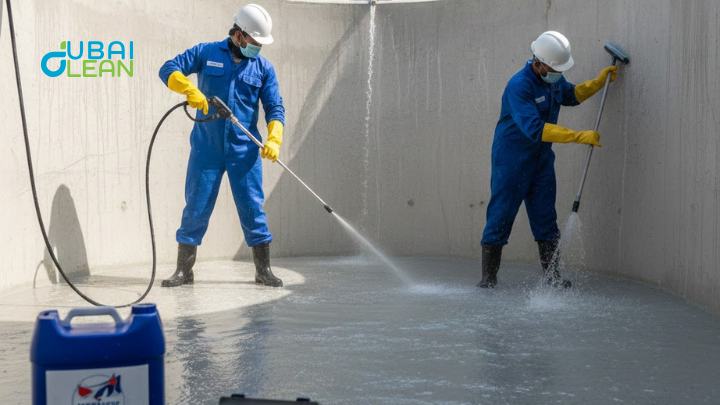
Professional cleaners use specialized equipment such as high-pressure water jets, scrubbers, and vacuum systems to reach every corner of the tank. They also use safe, approved disinfectants and chemicals to kill bacteria, viruses, and other contaminants. This combination of tools and chemicals ensures a deep, effective clean that is difficult to achieve with DIY methods.
3. Domestic Water Tank Cleaning
Domestic Water Tank Cleaning is essential to maintain safe and hygienic water for daily household use. Over time, home tanks can accumulate dirt, algae, rust, and harmful bacteria, which may lead to foul odors and health risks. Regular cleaning, whether done as a DIY project or by professionals, ensures clean, bacteria-free water. Most households should clean their tanks every 3–6 months, depending on usage and exposure to contaminants. Proper maintenance also prolongs the tank’s lifespan and protects your family’s health.
Importance of Cleaning Home Water Tanks Regularly
Regular cleaning of domestic water tanks is essential to ensure safe and hygienic water for drinking, cooking, and daily household use. Over time, tanks can accumulate dirt, algae, rust, and bacteria, which may cause foul odors, health risks, and waterborne diseases. Keeping your home water tank clean protects your family’s health and maintains the tank’s efficiency and longevity.
4. Water Storage Tank Cleaning
Water Storage Tank Cleaning is essential for commercial and industrial facilities that store large volumes of water. Over time, these tanks can accumulate sediments, algae, and harmful bacteria, affecting water quality and safety. Professionals use specialized equipment and disinfectants to clean and sanitize large tanks efficiently. Regular cleaning ensures compliance with health standards, protects workers, and maintains the longevity of the tank. Proper maintenance also guarantees safe, hygienic water for all commercial or industrial needs.
Focus on Commercial and Industrial Water Storage Tanks
Water storage tanks in commercial and industrial settings hold large volumes of water used for operations, firefighting, or employee consumption. Due to their size and continuous use, these tanks are prone to sediment buildup, algae growth, and bacterial contamination. Regular cleaning is essential to maintain water quality, comply with health standards, and ensure the safety of workers and operations.
Cleaning Techniques for Large Capacity Tanks
Cleaning large water storage tanks requires specialized methods and equipment. Professionals typically drain the tank, scrub walls and floors with high-pressure jets or brushes, remove sediments, and disinfect the surfaces using approved chemicals. Advanced techniques like vacuum suction and filtration may also be used to ensure thorough cleaning without contaminating stored water.
5. Maintenance and Tips for Clean Water Tanks
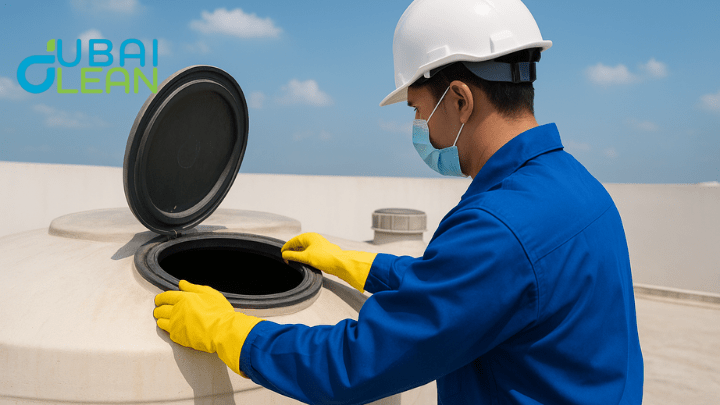
Maintenance and Tips for Clean Water Tanks are essential to ensure safe and hygienic water. Regular inspections help detect cracks, leaks, or sediment buildup early. Simple practices like keeping tanks covered, using filters, and periodic disinfection prevent contamination. Maintaining records of cleaning schedules and water quality checks ensures consistent hygiene and compliance with safety standards. These steps not only protect health but also extend the lifespan of the tank.
Regular Inspection Schedules
Regular inspections are key to maintaining clean and safe water tanks. Check for cracks, leaks, or signs of rust and corrosion, and inspect for sediments, algae, or unusual odors. Early detection of issues prevents contamination and costly repairs. Establishing a monthly or quarterly inspection schedule helps ensure consistent water quality.
Simple Tips to Keep Water Tanks Safe and Hygienic
Small habits can go a long way in keeping water tanks clean. Always keep the tank covered to prevent dust, debris, and insects from entering. Avoid storing non-potable water in tanks meant for drinking. Ensure that surrounding areas are clean to minimize contamination risks.
6. Danger of Ignoring Water Tank Cleaning
Danger of Ignoring Water Tank Cleaning can have serious health and structural consequences. Dirty tanks can harbor bacteria, algae, and mosquitoes, leading to waterborne diseases like diarrhea and typhoid. Contaminated water may develop foul odors and taste unpleasant. Neglected tanks are also prone to rust, cracks, and leaks, reducing their lifespan and causing costly repairs. Regular cleaning is essential to protect both health and the integrity of your water storage system.
Risks of Bacteria, Algae, and Mosquito Breeding
Neglecting water tank cleaning can lead to the buildup of bacteria, algae, and other harmful microorganisms. Stagnant or contaminated water becomes a breeding ground for mosquitoes, increasing the risk of diseases such as dengue and malaria. Algae growth can also cause foul odors and affect water taste.
Health Hazards like Waterborne Diseases
Dirty water tanks pose serious health risks. Contaminated water can carry pathogens that cause gastrointestinal infections, diarrhea, typhoid, and other waterborne diseases. Children, elderly individuals, and those with weaker immune systems are particularly vulnerable to these hazards.
Structural Damage Risks if Tanks Are Neglected
Accumulated sediments, rust, and algae can weaken the tank’s structure over time, leading to leaks, cracks, or corrosion. Ignoring maintenance not only risks water quality but also reduces the lifespan of the tank, potentially resulting in costly repairs or replacements.
Conclusion
Regular water tank cleaning is essential for maintaining safe, hygienic water and protecting the health of your family, employees, or customers. Clean tanks prevent the growth of bacteria, algae, and other contaminants that can cause waterborne diseases and unpleasant odors. Both domestic and commercial tanks benefit from routine inspections, proper maintenance, and professional cleaning services to ensure water safety and extend the lifespan of the tank. Investing in professional cleaning not only guarantees thorough disinfection but also saves time and reduces the risk of damage. To maintain a reliable supply of clean water, establish a regular cleaning schedule and work with certified tank cleaning experts who follow safety and hygiene standards.