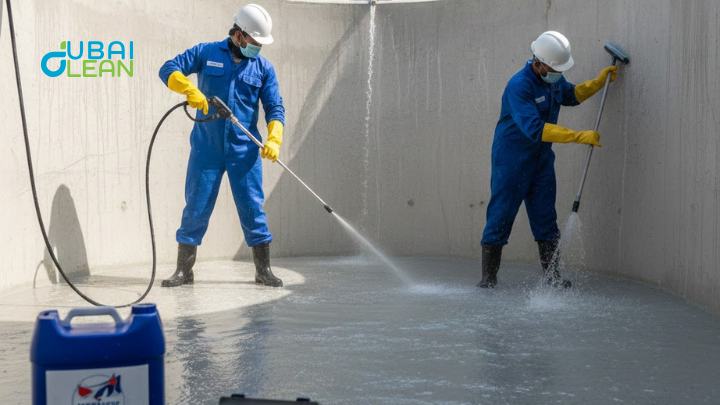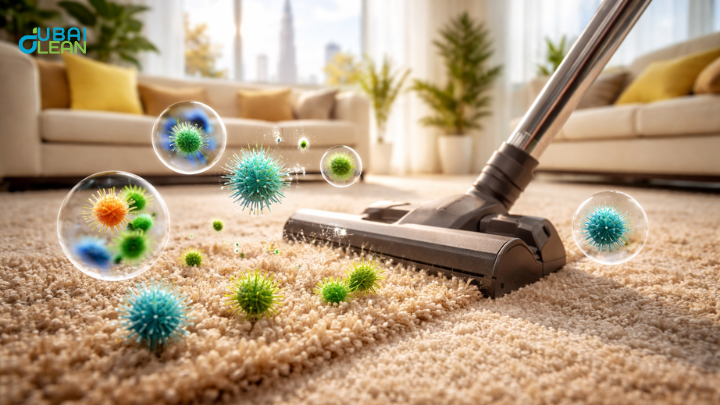



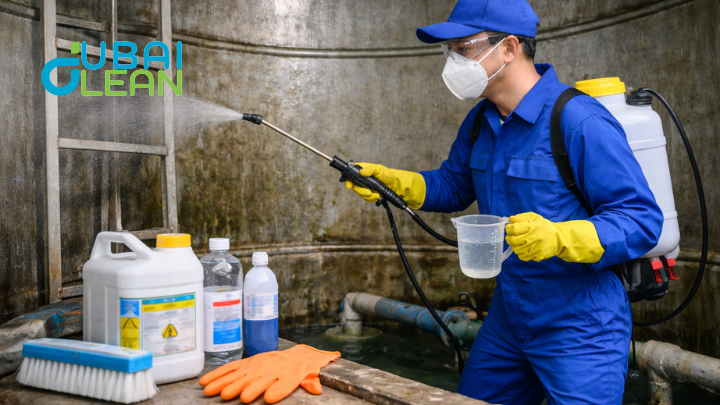
In the UAE, high-rise residential and commercial buildings rely on clean water for health and safety. Contaminated tanks can harbor bacteria, algae, and other microbes, creating serious risks for drinking, cooking, and daily use. Regular maintenance and proper disinfection are essential to prevent waterborne diseases and unpleasant odors. This guide covers the disinfection & sanitization of water tanks, explaining how to safely use potable water tank disinfection chemicals, select the right type for your tank.
1. Why Water Tank Disinfection & Sanitization Is Critical
Neglected or poorly maintained water tanks can harbor bacteria, E. coli, Legionella, and other harmful microbes, putting residents and building occupants at risk of waterborne diseases. Regular water tank disinfection & sanitization is vital in high-rise and commercial buildings to ensure safe water for drinking, cooking, and daily use. Complying with WHO guidelines and Dubai Municipality standards helps maintain water quality, protect public health, and stay aligned with regulations.
Common Contaminants in Water Tanks
Water tanks can accumulate contaminants over time, including algae, slime, bacteria, and fungi. These are especially common in tanks exposed to sunlight or cleaned infrequently, and they can affect water quality while causing unpleasant odors.
Health Impacts of Contaminated Water
Contaminated water may cause serious health issues, such as stomach infections, skin irritations, and respiratory problems. Young children, older adults, and people with compromised immune systems are especially at risk. Consistent use of potable water tank disinfection chemicals reduces these risks and keeps water safe for everyone.
2. Types of Water Tank Disinfection Chemicals
Disinfecting water tanks involves different types of chemicals, each designed for specific purposes, safety requirements, and effectiveness in potable water. The main options include chlorine-based chemicals, hydrogen peroxide, calcium hypochlorite, and eco-friendly alternatives.
Selecting the right chemical depends on factors like tank material, water usage, and contamination levels. Following proper dosage instructions and safety precautions, including wearing protective gear, is essential to ensure effective disinfection while keeping water safe for use.
Chlorine & Sodium Hypochlorite
Chlorine and sodium hypochlorite are among the most widely used disinfectants for water tanks, effectively removing bacteria, algae, and other harmful microorganisms. Approved for potable water use, they must be applied at the correct dosage, too much can leave chemical residues, while too little may allow contaminants to remain. Their reliability and effectiveness make them popular choices for both residential and commercial buildings in Dubai.
Alternative Eco-Friendly Disinfectants
For safer or eco-friendly alternatives, hydrogen peroxide and food-grade disinfectants are ideal for potable water tanks. These options are non-toxic, environmentally friendly, and perfect for homes sensitive to harsh chemicals. While they may be slightly less powerful than chlorine for severe contamination, they provide a safe and sustainable solution for maintaining clean water in Dubai homes and offices.
3. Step-by-Step Guide to Disinfecting a Water Tank
Disinfecting a water tank requires careful planning, proper chemical use, and strict safety measures to ensure that the water remains safe for drinking and daily use. Using approved potable water tank disinfection chemicals is essential for maintaining water quality, especially in residential and commercial buildings. This step-by-step guide covers preparation, chemical application, required contact time, rinsing procedures, and essential safety checks.
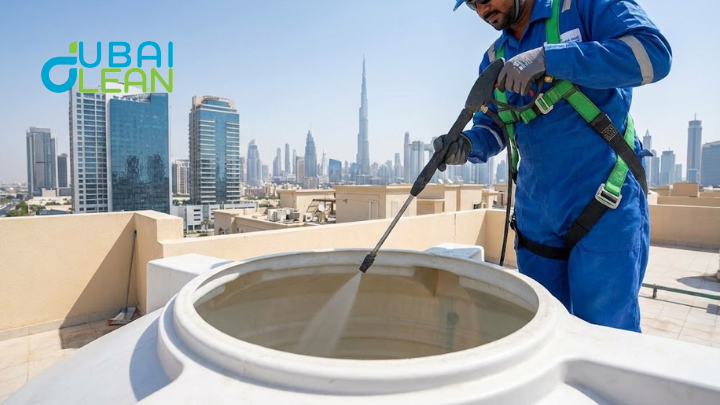
Safety Preparations Before Disinfection
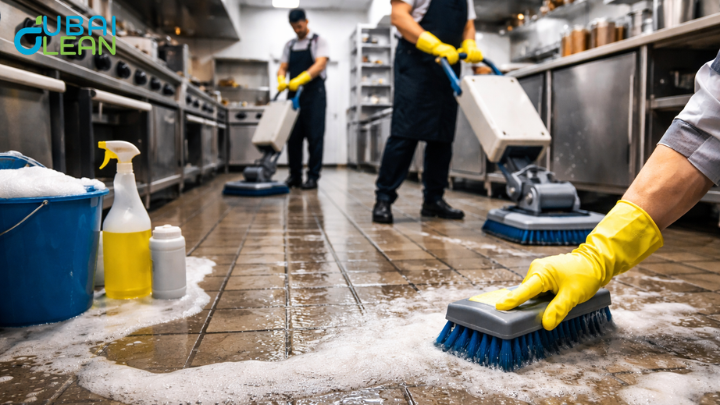
Before starting the disinfection process, it is important to take safety precautions. Wear protective gloves and masks to avoid chemical exposure, shut off the water supply, and remove any debris or sediment from the tank. Ensuring a clean and safe workspace reduces contamination risks and protects the health of anyone performing the cleaning.
Disinfection & Rinsing Process
Apply the disinfectant at the correct concentration according to manufacturer guidelines. Allow the chemicals to remain in contact with the tank surfaces for the recommended period to effectively eliminate bacteria, algae, and other microbes. After the contact time, thoroughly flush the tank to remove any chemical residues, ensuring the water is safe for consumption. Proper rinsing and verification are critical steps in safeguarding potable water quality.
4. Safety Precautions & Best Practices
Handling water tank disinfection chemicals requires strict safety measures to prevent chemical exposure, poisoning, or accidental contamination. Always follow manufacturer guidelines, use proper protective equipment, and avoid mixing chemicals that could react dangerously. Safe handling not only protects the person performing the cleaning but also ensures that the water remains safe for residents and building occupants.
In Dubai, compliance with local regulations and Dubai Municipality standards is essential when disinfecting water tanks. Regular monitoring, documentation of chemical use, and adherence to approved safety procedures help maintain water quality while meeting legal and public health requirements. These best practices are crucial for maintaining potable water safety in residential and commercial buildings.
Chemical Safety & PPE
Always wear protective gloves, goggles, and masks when handling disinfectants. Ensure proper ventilation in the cleaning area and store chemicals in a secure, labeled location away from children and pets. Following these precautions minimizes risks of exposure and accidents during the disinfection process.
Post-Disinfection Checks
After cleaning, test the water to confirm it meets potable standards, and thoroughly remove any chemical residues. Verifying that the water is safe for consumption is a critical step to ensure compliance with health regulations and to protect the well-being of residents and building users.
5. Common Problems & Solutions in Water Tank Disinfection
Some water tanks may continue to develop algae, slime, or unpleasant odors even after disinfection due to factors like stagnant water, sunlight exposure, or irregular cleaning. Hard-to-clean tanks, such as underground or high-rise storage systems, require careful chemical application, longer contact times, and specialized tools to ensure complete sanitation. Using approved potable water tank disinfection chemicals along with regular maintenance and inspections helps prevent these problems and keeps water safe for everyday use.
- Some tanks may still develop algae, slime, or foul odors even after disinfection.
- Causes include stagnant water, sunlight exposure, or irregular cleaning.
- Regular maintenance and inspections help prevent recurring contamination and keep water safe for daily use.
- Using approved potable water tank disinfection chemicals ensures effective sanitation.
Conclusion
Regular disinfection & sanitization of water tanks is crucial to ensure safe and clean water for both residential and commercial buildings in Dubai. Contaminated tanks can harbor bacteria, algae, and other harmful microbes, putting health at risk, which is why using approved potable water tank disinfection chemicals safely is essential. Following proper dosage, contact times, and rinsing procedures not only protects the water but also prolongs the life of the tank.