


In Dubai’s harsh climate, where high temperatures and dust are common, maintaining a clean and hygienic water supply is not just recommended, it’s essential. But when it comes to water tank hygiene, many homeowners and businesses often confuse cleaning with disinfection. While both are critical, they serve different purposes.
So, what’s the actual difference between water tank cleaning and water tank disinfection? Let’s break it down.
What is Water Tank Cleaning?
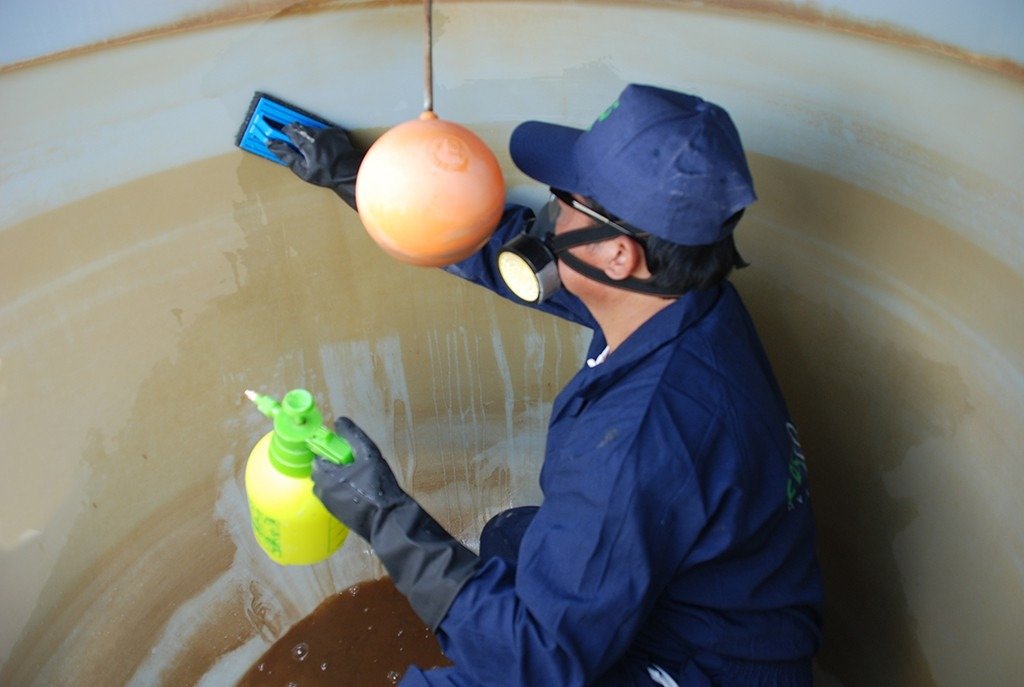
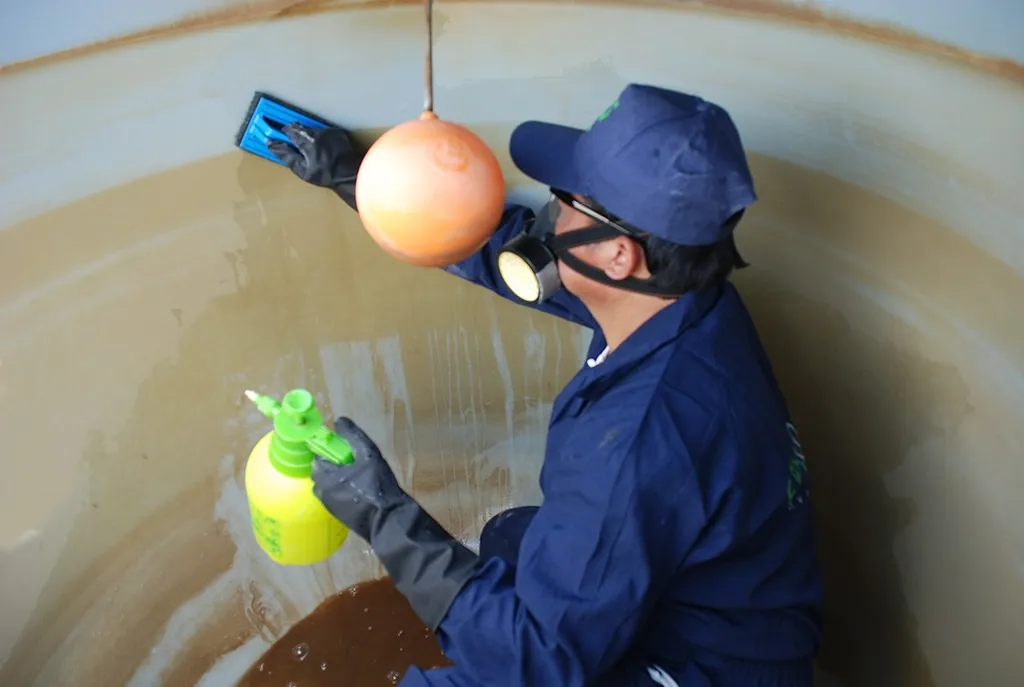
Water tank cleaning refers to the physical removal of dirt, sediment, algae, rust, and other solid contaminants from the tank. It typically involves draining the tank, scrubbing internal surfaces, and using pressure washers or vacuum tools to clean residues.
What is Water Tank Disinfection?
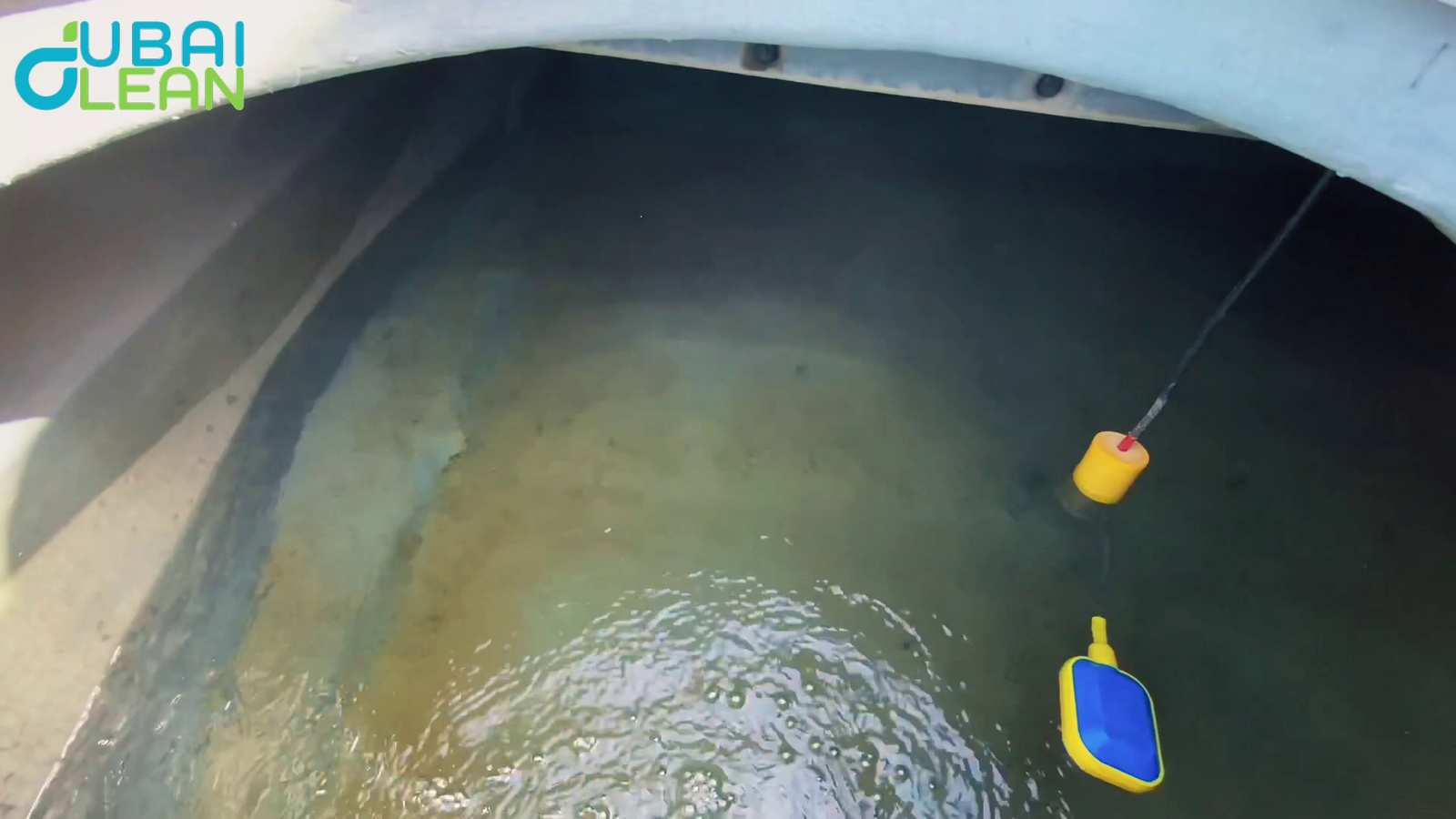
Disinfection focuses on killing microorganisms, such as bacteria, viruses, and parasites, that may remain even after cleaning. It involves using chemical disinfectants, like chlorine-based solutions, to sanitize the tank and ensure the stored water is safe for use.
Think of cleaning as sweeping and mopping your house, while disinfection is more like spraying disinfectant to kill germs after the visible dirt has been removed.
Why the Distinction Matters in Dubai
Dubai residents rely heavily on stored water due to the city’s limited natural water resources and high water consumption. Poorly maintained tanks can lead to serious health risks, including:
- Contaminated drinking water
- Skin infections
- Gastrointestinal issues
- Unpleasant odor or taste in water
Moreover, Dubai Municipality enforces hygiene standards for both residential and commercial water storage. Understanding the difference between cleaning and disinfection is essential for ensuring compliance and protecting your household or business.
Water Tank Cleaning: The Process
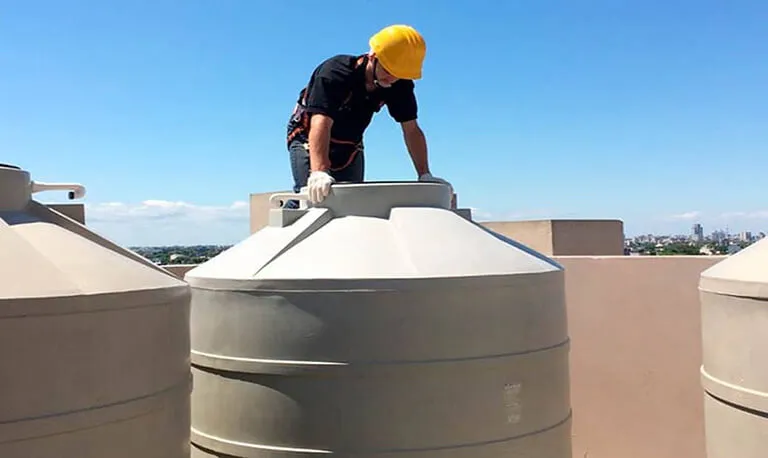
A professional cleaning service in Dubai typically includes:
- Inspection: Technicians assess the tank’s condition and contamination level.
- Drainage: All water is removed from the tank.
- Manual Scrubbing: Walls and floors are scrubbed to remove sludge, algae, and sediment.
- Pressure Washing: A high-pressure jet may be used to dislodge hard deposits.
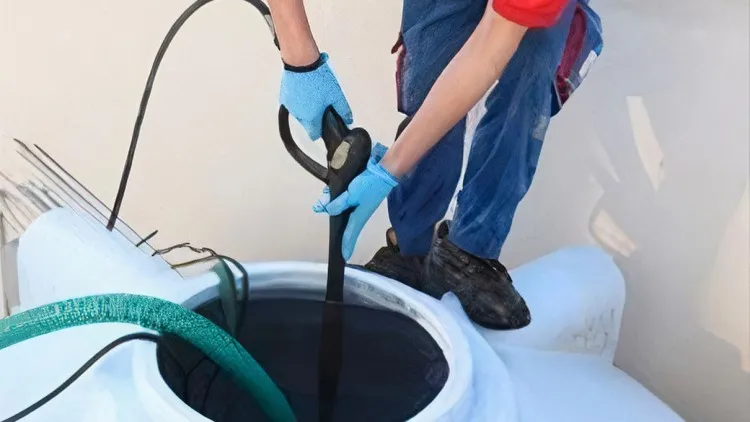
- Vacuuming: Industrial vacuums clean out remaining particles.
- Rinsing: The tank is rinsed thoroughly to prepare it for disinfection or refilling.
Water Tank Disinfection: The Process
Once cleaning is complete, disinfection is carried out using approved chemicals:
- Preparation: The Clean tank is filled partially with fresh water.
- Disinfectant Application: A chlorine or hydrogen peroxide solution is introduced and allowed to circulate.
- Soaking Time: The disinfectant is left to sit for a specified duration (often 1–2 hours).
- Draining & Rinsing: Water is drained, and the tank is flushed multiple times to eliminate chemical traces.
- Refilling: Safe, clean water is reintroduced into the tank.
Key Differences: Cleaning vs. Disinfection
| Feature | Cleaning | Disinfection |
| Purpose | Remove visible dirt and deposits | Kill bacteria, viruses, and pathogens |
| Method | Physical scrubbing and pressure washing | Chemical treatment |
| Frequency | Every 6 months to 1 year | After every cleaning or as required |
| Tools Used | Brushes, pressure washer, vacuums | Chlorine, hydrogen peroxide |
| Required Expertise | Moderate | Requires certified professionals |
Which One is More Important?
Both are essential. Cleaning removes physical debris and sets the stage for disinfection, which ensures microbiological safety. Skipping either step can compromise your water quality.
For instance, disinfecting without cleaning is like sanitizing a dirty table; you won’t eliminate germs if dirt remains. On the other hand, cleaning without disinfection may leave behind invisible threats.
How Often Should You Do It in Dubai?
Due to climate and municipal standards, here’s a good rule of thumb:
- Residential Tanks: Clean and disinfect every 6 months
- Commercial/Shared Buildings: Every 3 to 6 months
- Medical and Hospitality Facilities: Every 2 to 3 months
It’s also important to clean and disinfect tanks immediately if:
- You move into a new home
- There has been visible contamination
- You detect an unusual taste or smell in water
- Water pressure has dropped significantly
Why You Should Hire Professionals in Dubai
Professional water tank services in Dubai ensure:
- Compliance with local health codes
- Use of approved disinfectants
- Safety for occupants and technicians
- Complete cleaning with minimal water wastage
- Proper disposal of waste materials
DIY attempts may not thoroughly clean or disinfect the tank, and mishandling chemicals can pose safety risks
Common Myths About Tank Cleaning and Disinfection
1. “Disinfection alone is enough.”
False. Disinfectants can’t work properly on dirty surfaces. Cleaning must come first.
2. “I can do it myself with bleach.”
Household bleach isn’t safe for large tanks and may not meet health standards.
3. “If the water looks clean, it’s fine.”
Microorganisms are invisible. Clear water can still be unsafe.
4. “It’s too expensive.”
Professional services are affordable and prevent costly health issues later.
5. “My new tank doesn’t need cleaning.”
Even new tanks can have dust, oil, or chemical residue from the factory.
Benefits of Regular Tank Maintenance
- Prevents waterborne diseases
- Ensures compliance with the Dubai Municipality
- Extends the life of the tank
- Improves water pressure and flow
- Reduces unpleasant odors or discoloration
- Enhances peace of mind knowing your water is safe
FAQs
Final Thoughts
In Dubai, where water storage is a necessity, maintaining your tank through regular cleaning and disinfection is a responsibility, not a luxury. These two steps work hand in hand – cleaning tackles the dirt, and disinfection kills the germs.
Whether it’s your home, office, or a large commercial facility, don’t compromise on water safety. If you’re unsure about doing it yourself or want a certified team to handle it professionally, consider hiring experts.
For reliable and municipality-approved water tank cleaning and disinfection in Dubai, DubaiClean offers expert services with trained technicians and eco-friendly methods to keep your water system healthy and safe.