


Knowing your water tank capacity is essential for efficient water management at home or in commercial spaces. Accurate water tank capacity calculation helps prevent shortages, ensures proper budgeting, and allows you to plan your daily water usage effectively. Whether you have an overhead or underground tank, understanding how much water your tank can hold is crucial. In this guide, we will explore simple and practical methods for calculating water in a tank, so you can choose the right tank size and manage your water supply with ease.
Understanding Water Tank Capacity
Knowing your water tank capacity is essential for managing your water supply efficiently. It tells you how much water your tank can hold, helps prevent shortages, and ensures proper usage. Accurate water tank capacity calculation is important whether your tank is overhead, underground, rectangular, or cylindrical, as the shape and size directly affect the amount of water it can store.
What is Water Tank Capacity?
Water tank capacity refers to the total volume of water a tank can hold, usually measured in liters or gallons. Accurate water tank capacity calculation is essential to ensure you have enough water for daily needs, avoid wastage, and plan proper water storage. Knowing your tank’s capacity also helps prevent overfilling, which can damage the tank or create safety hazards.
Types of Water Tanks
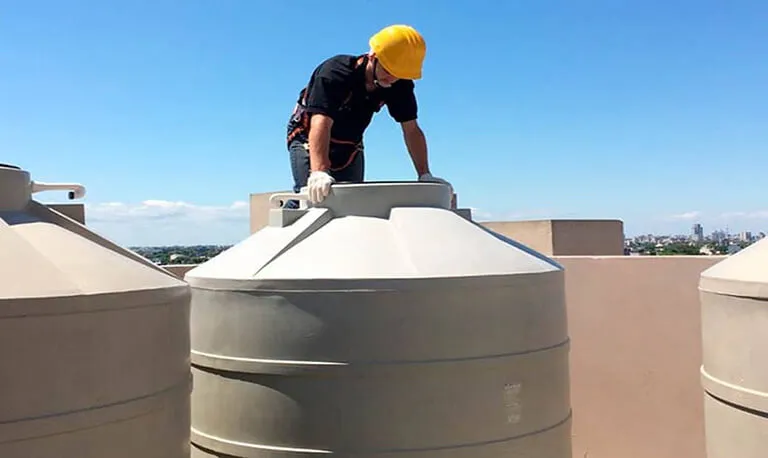
Water tanks come in different types and shapes to suit various needs. Common options include overhead tanks, underground tanks, rectangular tanks, and cylindrical tanks. Each type has unique features, and the tank’s shape and size directly impact water tank capacity calculation. Choosing the right type ensures efficient water storage and easy maintenance.
- Overhead tanks – usually placed on rooftops for gravity-fed water supply.
- Underground tanks – installed below ground to save space and maintain cooler water.
- Cylindrical tanks – common for both domestic and commercial use.
- Rectangular tanks – easier to measure and calculate capacity.
- Irregular-shaped tanks – require more advanced methods for accurate water tank capacity calculation.
The shape of the tank directly affects how you calculate its capacity. For example, cylindrical and rectangular tanks use different formulas, so understanding the shape is the first step in precise water measurement.
Calculating Water in Tank
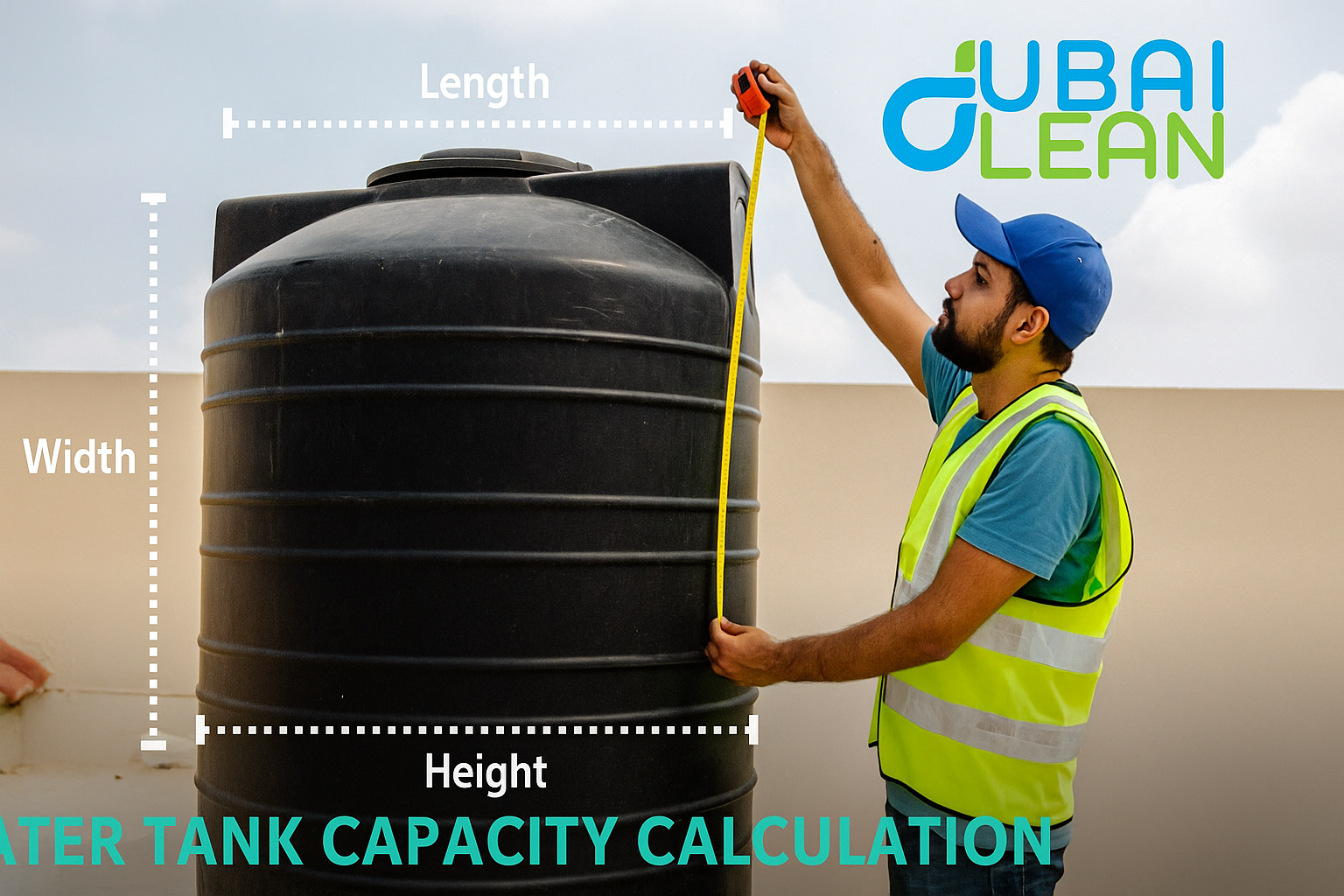
Accurately calculating water in a tank helps you manage your water supply efficiently and avoid shortages or overflow. The method depends on the tank’s shape and size-rectangular tanks use length × width × height, while cylindrical tanks use π × radius² × height. For underground tanks, water level and tank dimensions are important for precise water tank capacity calculation.
Water Tank Liter Calculation
Calculating the exact amount of water your tank can hold is simple with the right formulas. For rectangular tanks, use:
Length × Width × Height (in meters) × 1000 = Liters
For cylindrical tanks, the formula is:
π × Radius² × Height × 1000 = Liters
Example: A rectangular tank measuring 2m × 1.5m × 1m holds:
2 × 1.5 × 1 × 1000 = 3000 liters
Using these formulas ensures accurate water tank capacity calculation and helps you manage water efficiently.

Underground Water Tank Capacity Calculation
For underground tanks, consider the tank’s dimensions, shape, and current water level. Measuring the depth of water and applying the correct formula gives an accurate capacity.
Example: A cylindrical underground tank with a radius of 1.5m and a water height of 2m holds:
π × 1.5² × 2 × 1000 ≈ 14,137 liters
You can also use tools and apps like dipsticks, float sensors, or mobile calculators to measure water levels accurately.
Choosing the Right Water Tank Size
Choosing the correct tank size depends on your household water usage. Small tanks (1,000–3,000 liters) suit 1–3 people, medium tanks (5,000–10,000 liters) suit families of 4–6, and large tanks (15,000 liters or more) are ideal for commercial use or large households.
Tips:
- Avoid overfilling to prevent overflow and structural stress.
- Maintain a little empty space at the top for safety.
- Regularly monitor water levels to prevent running out unexpectedly.
Practical Tips for Accurate Measurement
To ensure accurate water tank capacity calculation, always start by measuring the tank’s dimensions carefully using a measuring tape, dipstick, or float sensor. Double-check the measurements before installation to avoid errors. When filling the tank, leave some space at the top to prevent overflow and allow for water expansion. Regularly monitoring water levels and using simple tools can help maintain precision, improve water management, and ensure your tank operates safely and efficiently
Danger & Safety Considerations
When managing a water tank, safety is crucial. Overfilling can cause property damage and stagnant water may lead to health risks. Contamination from dirty tanks can make water unsafe to use, and structural issues from excessive weight or poor installation can cause tank rupture. Regular maintenance, proper installation, and careful monitoring help prevent these dangers and ensure a safe, reliable water supply.
Overfilling and Overflow Risks
Overfilling a water tank can cause serious water damage to your property and surroundings. Stagnant overflow water may also become a breeding ground for bacteria and mosquitoes, posing health risks to your family. Proper monitoring and leaving space at the top of the tank can prevent these issues.
Contamination Risks
Dirty or poorly maintained tanks can contaminate your water supply, leading to illnesses. Regular cleaning and sanitizing of tanks is essential to maintain safe, potable water for household use.
Structural Safety
Excessive water weight or pressure can damage or rupture tanks, especially underground ones. Always ensure proper installation, support, and regular inspection to maintain structural safety and prevent accidents.
Safety Tips & Maintenance
Keeping your water tank safe and functional requires regular cleaning, inspection, and preventive measures. Clean the tank periodically, check for leaks, cracks, or corrosion, and replace worn-out parts like valves and pipes. Use overflow pipes, filters, and covers to prevent contamination, and adjust maintenance according to seasonal changes to ensure a reliable and safe water supply year-round.
Regular Cleaning
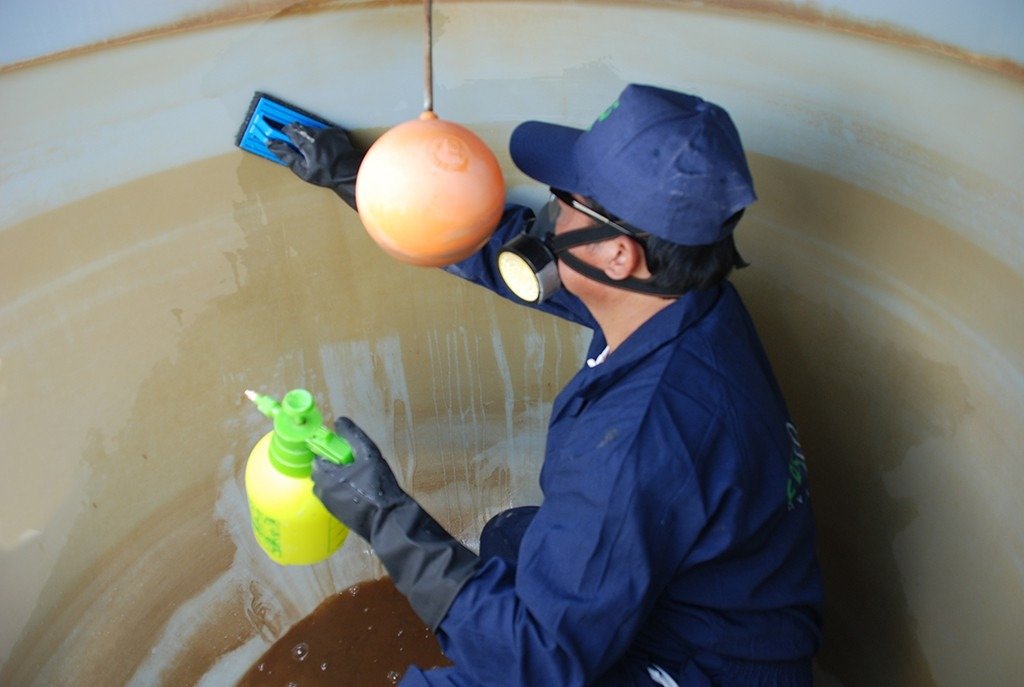
Regular cleaning of your water tank is essential to ensure safe and clean water. Depending on usage, it’s recommended to clean tanks every 6–12 months. Use safe methods, such as mild detergents and disinfectants, and avoid harsh chemicals that could damage the tank or contaminate water.
Inspection & Repairs
Regularly inspect your tank for leaks, cracks, or corrosion, especially around joints and valves. Replace worn-out parts like valves, pipes, and seals promptly to maintain proper functioning and prevent water loss or contamination.
Preventive Measures
Install overflow pipes to prevent accidental overfilling and use filters or covers to stop dirt, leaves, and insects from entering the tank. Preventive measures save money, reduce maintenance, and protect water quality.
Seasonal Maintenance
Adapt your tank maintenance to the seasons. During winter, ensure tanks are protected from freezing, and in hot summers, monitor for overheating or water evaporation. During the monsoon or rainy season, check water levels and drainage to prevent overflow and contamination.
Conclusion
Accurate water tank capacity calculation is essential for effective water management at home or in commercial settings. By understanding your tank’s size, shape, and water level, you can prevent shortages, avoid overfilling, and maintain a safe water supply. Regular maintenance, cleaning, and safety checks further ensure that your tank functions efficiently and lasts longer. Using proper calculation methods not only saves water but also helps manage resources wisely and protects your property from potential damage.