



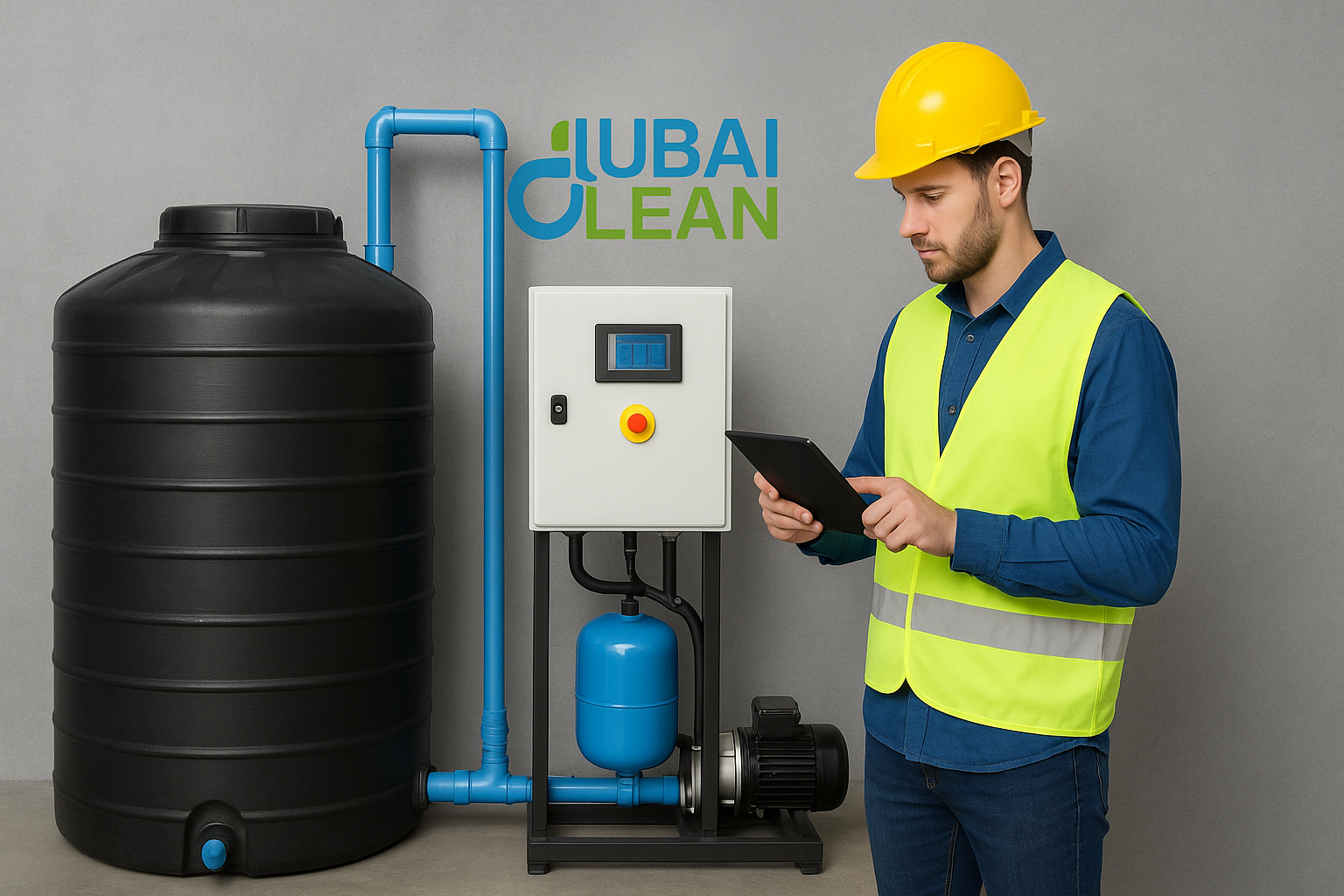
Efficient water management is becoming more important than ever in today’s world. Whether it’s in homes, apartment buildings, offices, or industrial spaces, keeping a steady and controlled water supply is essential. Without proper systems in place, issues like water wastage, overflow, pump damage, and high utility bills can occur.This is where smart water tank automation comes in. Devices like float valves, float switches, water level sensors, and water tank controllers help regulate water flow, maintain the right levels, and ensure smooth operation. They not only save water but also reduce electricity usage, making them an ideal choice for modern living and sustainable resource management.
Water Tank Float Valve
A water tank float valve is a simple yet effective device used to regulate the flow of water into a tank. It works mechanically with a floating ball attached to a lever. As the water level rises, the float lifts and gradually closes the valve, preventing overflow and maintaining a steady supply.
Benefits of Using a Float Valve
Installing a float valve brings several advantages. The most important benefit is automatic water filling, which reduces the need for manual monitoring. It also prevents overflow and water wastage, ensuring better resource management. Additionally, float valves are known for their durability and low maintenance, making them cost-effective for long-term use.
Types of Water Tank Float Valves
Types of water tank float valves vary based on design and application. The most common include plastic float valves for residential tanks, brass or stainless-steel float valves for durability in commercial use, and high-pressure float valves for industrial systems. Each type ensures efficient water control depending on the tank’s size and purpose.
- Plastic Float Valves – Lightweight, affordable, and resistant to corrosion, ideal for small residential tanks.
- Brass Float Valves – Strong and durable, often used in larger tanks where reliability is key.
- Stainless Steel Float Valves – Highly resistant to rust and chemicals, suitable for industrial and commercial applications.
Applications in Daily Use
Float valves are extensively used in residential, commercial, and industrial water storage systems.In residential homes, they keep overhead and underground tanks filled without overflow. In commercial buildings, they help maintain water supply for washrooms and kitchens. In industrial setups, they are essential for large storage tanks, cooling systems, and process water management.
Float Switches for Water Tanks
Float switches for water tanks are electrical devices that monitor water levels and control pumps or alarms automatically. Unlike mechanical float valves, they send signals to start or stop pumps, ensuring efficient water management. Float switches help prevent overflow, protect pumps from running dry, and reduce the need for manual monitoring in homes, commercial buildings, and industrial systems.
Understanding Float Switches
A float switch is an electrical device designed to detect the water level inside a tank and control connected equipment, such as pumps or alarms. Unlike a float valve, which mechanically opens or closes the water supply, a float switch works electronically by sending signals to start or stop the pump. This makes it more advanced and reliable for automated systems.
Working Mechanism of Float Switches
The float switch operates through a float ball that rises and falls with the water level. Inside the switch, the float’s movement activates the electric contact, causing it to open or close. When the water level drops, the switch can trigger the pump to start refilling the tank.Once the tank reaches full capacity, the switch shuts off the pump to avoid overflow. This simple electric control system ensures accurate water level management.
Key Advantages
Key advantages of water tank float valves include automatic water level control, prevention of overflow, reduced water wastage, and long-term reliability. They require little maintenance, work without electricity, and are suitable for residential, commercial, and industrial applications, making them a cost-effective and dependable choice for efficient water management.
- Automation – No need for manual intervention; the system manages itself.
- Power Saving – Prevents pumps from running unnecessarily, reducing electricity usage.
- Reduced Manual Monitoring – Saves time and effort by ensuring water levels are always under control.
- Longer Pump Life – By avoiding dry runs and overuse, pumps last longer with fewer breakdowns.
Common Use Cases
Float switches are widely used in different water systems. In overhead tanks, they keep water supply consistent without human effort. In sump pumps, they help remove excess water during heavy rains or flooding. In borewell systems, they protect pumps from running dry when the water level goes too low. Their flexibility and efficiency make them an ideal solution for residential and industrial use.
Water Tank Level Sensor
A water tank level sensor is a modern device that accurately tracks the water level inside a tank. By providing real-time data, it helps prevent overflow, pump dry running, and water shortages. Available in types like ultrasonic, float-based, and pressure sensors, it ensures efficient and reliable water management for homes, commercial spaces, and industrial facilities.
Types of Level Sensors
Types of level sensors vary based on technology and application. Common options include ultrasonic sensors that use sound waves, float sensors that move with the water level, and pressure sensors that detect water depth. Each type offers unique benefits, from high accuracy to cost-effectiveness, making them suitable for residential, commercial, and industrial use.
- Ultrasonic Sensors – Measure water levels using sound waves, eliminating the need for direct contact with the water.
- Capacitive Sensors – Detect changes in electrical capacitance caused by water presence.
- Conductive Sensors – Work by sensing the conductivity of water at different tank levels.
- Pressure Sensors – Measure the pressure at the bottom of the tank to estimate water height.
Benefits of Installing a Water Level Sensor
Benefits of installing a water level sensor include accurate monitoring, automatic pump control, and prevention of overflow or dry running. These devices save water, reduce electricity costs, and eliminate the need for manual checks. They also ensure consistent water availability, making them a smart choice for both homes and businesses.
- Accurate Readings – Delivers precise, real-time data on water levels for reliable monitoring.
- Smart Water Management – Helps avoid both overflow and shortage by giving timely alerts.
- Leak Detection – Some advanced models can detect unusual water loss, indicating possible leaks.
- Integration with Smart Systems – Can be linked with mobile apps or smart controllers for remote monitoring.
Where They Are Used
Water tank level sensors are widely used in residential homes to monitor daily water usage. In smart buildings, they form part of integrated IoT systems for energy and water efficiency. In factories, they ensure smooth operations by keeping process water at optimal levels. In agriculture, farmers rely on them to manage irrigation tanks and reduce water waste.
Water Tank Controller
A water tank controller is an automatic device that manages the water supply in a tank by controlling pumps and valves. It ensures the pump starts when the water level is low and stops when the tank is full, preventing both dry running and overflow. This system provides efficiency, convenience, and water conservation.
Features of a Good Water Tank Controller
Features of a good water tank controller include automatic start and stop of pumps, dry-run protection to prevent pump damage, and compatibility with multiple tank types. Advanced models may offer mobile app integration for remote monitoring, real-time water level alerts, and easy calibration, ensuring efficient and reliable water management.
- Auto Start/Stop – Switches the pump on when water levels are low and turns it off once the tank is full.
- Dry-Run Protection – Prevents pump damage by cutting power if the water source runs dry.
- Mobile App Integration – Advanced models allow users to monitor water levels and control pumps remotely using smartphones.
- Multiple Tank Compatibility – Some controllers manage more than one tank at the same time.
Advantages of Water Tank Controllers
Advantages of water tank controllers include saving water by preventing overflow, reducing electricity bills through optimized pump usage, and protecting pumps from damage. They provide convenience by automating water management, ensuring a reliable supply, and minimizing manual monitoring for homes, commercial buildings, and industrial setups.
- Saves Water – Prevents wastage by maintaining accurate water levels.
- Reduces Electricity Bills – Optimizes pump usage, lowering energy consumption.
- Ensures Reliability – Protects pumps from overuse, increasing their lifespan.
- Convenience – Removes the need for manual monitoring and pump operation, providing effortless water management.
Popular Applications
Water tank controllers are widely used in smart homes, where residents enjoy effortless water management. In hotels and resorts, they ensure uninterrupted supply for guests while minimizing waste. In commercial buildings, controllers manage multiple tanks efficiently to handle high daily water demands. Their role in automation makes them a vital part of modern infrastructure.
Buying Guide for Water Tank Automation Systems
Choosing the right automation system for your water tank is not just about price-it’s about finding the perfect balance between efficiency, durability, and convenience. Before making a decision, consider the following factors:
Factors to Consider
Factors to consider when choosing a water tank automation system include the tank size, daily water usage, and your budget. It’s also important to assess the level of automation needed, compatibility with existing pumps, and the durability of materials to ensure long-term efficiency and reliable performance.
- Tank Size – Larger tanks may need advanced level sensors or controllers, while smaller tanks can function well with float valves.
- Budget – Mechanical float valves are the most affordable, while smart controllers with app integration come at a higher cost.
- Water Usage – Homes with high daily demand or commercial buildings require more advanced systems than single-family houses.
- Automation Needs – Decide whether you need a simple overflow prevention solution or a fully automated system with smart monitoring.
Tips for Selecting the Right Device
Tips for selecting the right device include choosing a float valve for basic overflow control, a float switch for pump automation, or a water level sensor for precise monitoring. For advanced setups, consider a water tank controller with smart features. Always check compatibility with your tank and pump, and select durable, corrosion-resistant materials for long-lasting performance.
- For basic control, choose a durable float valve to prevent overflow.
- For mid-level automation, a float switch offers electric control and pump safety.
- For high accuracy, invest in water level sensors that provide precise readings.
- For smart living or commercial setups, a water tank controller with mobile app support is the best choice.
- Always select devices made from corrosion-resistant materials to ensure longer life.
- If unsure, consult a professional installer to match the system with your specific tank size and pump type.
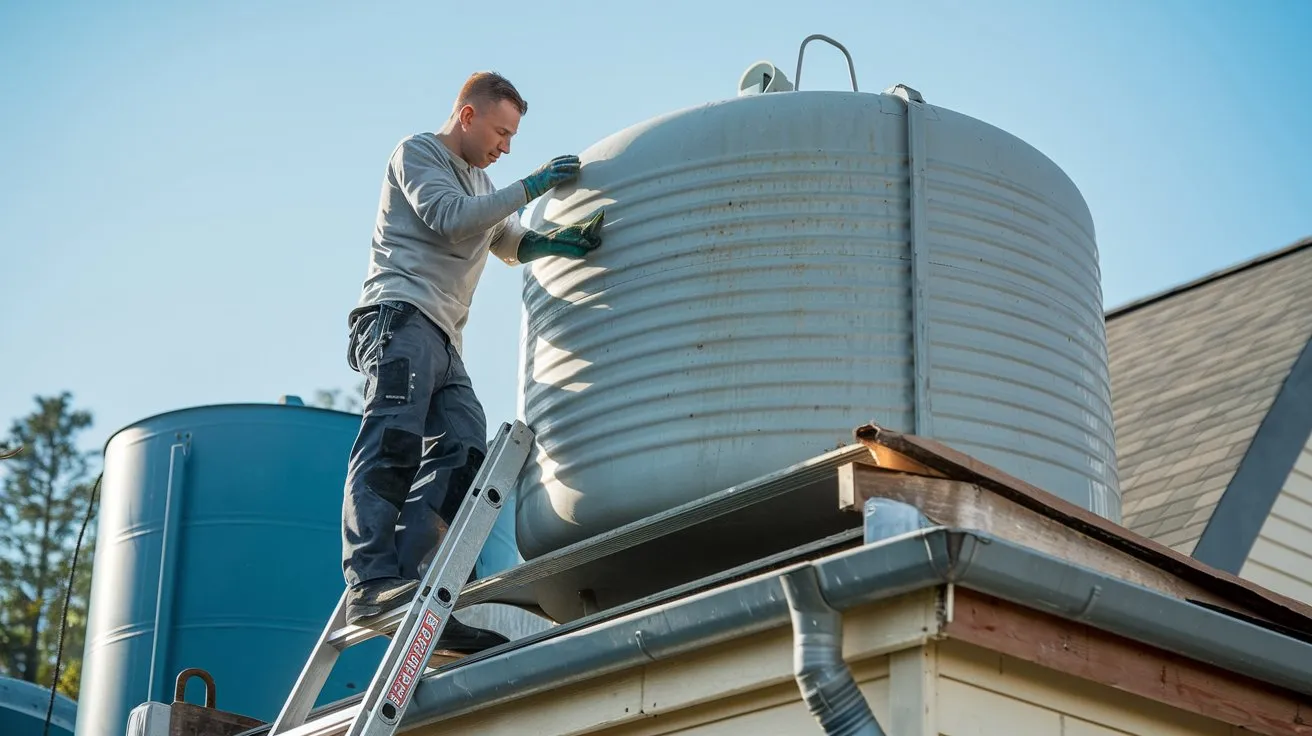
Maintenance and Safety Tips
Keeping your water tank automation system in good condition ensures long-term efficiency and safety. With a few simple steps, you can extend the lifespan of float valves, switches, sensors, and controllers.
Regular Cleaning and Checks
Over time, dirt, algae, and mineral deposits can affect the performance of float valves and sensors. Clean your tank at least twice a year and check the moving parts for blockages. Routine inspections detect signs of wear early, helping to avoid unexpected system failures.
Avoiding Electrical Hazards
Since float switches and controllers involve electrical components, safety should be a priority. Always ensure wiring is properly insulated and kept away from water contact. In case of malfunction, switch off the power before inspection. It’s best to have a qualified technician handle complex repairs to avoid accidents.
Ensuring Sensor Calibration
For water tank level sensors, accuracy depends on correct calibration. Over time, readings may drift, leading to false alerts or inefficiency. Recalibrate your sensor periodically, especially after cleaning or relocating it. This ensures precise water level monitoring and reliable automation.
Danger & Safety Considerations
While water tank automation systems make life easier, ignoring safety aspects can lead to serious risks. Being aware of these dangers ensures proper maintenance and safe usage.
Overflow Risks
A malfunctioning float valve or controller can cause tank overflow. This may lead to water damage, structural weakening of ceilings or walls, and even create a breeding ground for mosquitoes and insects, raising health concerns.
Electrical Hazards
Since float switches and controllers work on electricity, faulty wiring or water leakage can cause short circuits or even fire risks. Always use properly insulated wiring and install surge protection to keep the system safe.
Health Concerns
If sensors or valves fail to function properly, tanks may store water longer than intended, leading to contamination, foul smell, and bacterial growth.This can have a direct impact on the safety and hygiene of drinking water.
Maintenance Importance
Failing to perform regular inspections can lead to system breakdowns, reduced efficiency, and potential safety risks. Routine cleaning, calibration, and timely repairs are essential to keep the system reliable and safe for daily use.
Conclusion
Float valves, float switches, water level sensors, and water tank controllers play a crucial role in modern water management. Each device, whether mechanical or electronic, ensures that tanks maintain optimal water levels, prevents overflow, and protects pumps from damage.By automating water flow and monitoring, these systems significantly improve water efficiency, reduce wastage, and save electricity. They also enhance convenience, reliability, and safety for homes, commercial buildings, and industrial setups. Investing in the right combination of these devices is a smart choice for anyone looking to manage water resources effectively and sustainably.