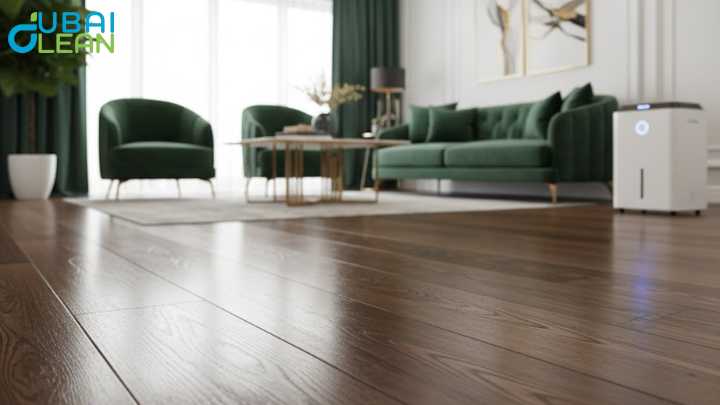




In Dubai’s hot and humid climate, water leaks in villas, townhouses, and luxury apartments are a common but often overlooked problem. Untreated leaks from faulty plumbing, roof seepage, or condensation can gradually seep into wooden structures, causing warping, discoloration, and softening of the wood. Over time, this moisture creates the perfect environment for mold growth and accelerates wood rot, compromising both the aesthetics and structural integrity of your home. Prompt detection and professional carpentry intervention are essential to prevent costly repairs and safeguard your property.
1. Common Causes of Water Damage to Wood in Dubai
Water damage to wood: in Dubai often starts with leaky pipes and plumbing failures. Even small, unnoticed leaks in bathrooms, kitchens, or utility areas can allow water to seep into wooden floors, cabinets, and frames, gradually weakening the structure and causing warping or discoloration.
Another major cause: poorly sealed windows and doors. When seals degrade or installation is improper, rainwater or humidity can penetrate the gaps, leading to moisture buildup in wooden door frames, window sills, and surrounding walls. Over time, this trapped water accelerates wood rot and can also encourage mold growth.
Roof and terrace water infiltration: is a frequent problem in Dubai’s villas and townhouses. Cracks in roofing materials, clogged gutters, or improper waterproofing allow rainwater to trickle into attics, ceilings, and beams. Additionally, high humidity in enclosed areas can cause condensation, which continuously exposes wooden surfaces to moisture, increasing the risk of structural damage and long-term decay.
2. Signs That Wood Is Damaged by Water
Water-damaged wood often shows clear visual and sensory cues. Warping, swelling, and discoloration are common indicators, while soft or crumbling wood signals advanced decay. A persistent musty odor may also reveal hidden mold growth behind surfaces.
Visible Damage
Warped or discolored wood, especially near floors, doors, or window frames, is a clear warning that moisture has penetrated the structure. Cracks, bubbles, or peeling finishes are additional signs that immediate attention is needed.
Hidden Threats
Even if wood looks intact, soft spots or a musty smell can indicate underlying mold or rot. Inspecting hidden areas like under cabinets, behind walls, or inside beams is essential to prevent long-term structural damage.
3. Why Carpentry Solutions Are Essential For No Noise
Attempting DIY repairs on water-damaged wood can often make problems worse. Improper sealing or missing hidden rot may compromise structural integrity, leading to costly future repairs. Certified carpenters provide accurate assessments and implement lasting solutions. Their expertise ensures both safety and durability, protecting your home from further damage.

| Aspect | DIY Repairs | Professional Carpentry |
| Assessment Accuracy | Often misses hidden damage | Thorough inspection, detects all affected areas |
| Structural Safety | Risk of weakening structures | Repairs reinforce and restore structural integrity |
| Repair Quality | Temporary fixes, may fail quickly | Long-lasting solutions using proper materials |
| Cost Efficiency | Can become expensive due to repeated fixes | Higher upfront cost but prevents future losses |
| Compliance | May not meet building standards | Certified professionals follow Dubai regulations |
4. Carpentry Solutions for Water-Damaged Wood
Expert carpenters in Dubai offer a range of solutions to address and prevent water damage in wooden structures. Depending on the severity, they may recommend either wood replacement or restoration techniques to ensure durability. Anti-moisture treatments and high-quality sealants protect repaired areas from future leaks. Structural beams and frames can be reinforced to maintain the integrity of the property. Additionally, preventive measures such as proper ventilation, gutter maintenance, and waterproof coatings help minimize the risk of recurring damage.
- Assessing the extent of water damage before repair
- Replacing severely rotted or weakened wood sections
- Restoring salvageable wood using specialized treatments
- Applying anti-moisture sealants and coatings
- Reinforcing beams, frames, and load-bearing structures
- Ensuring proper ventilation to reduce indoor humidity
- Regular gutter cleaning and maintenance to prevent leaks
- Using waterproof coatings on terraces, roofs, and exposed wood surfaces
5. Cost & Time Considerations for Dubai Homeowners
The cost of repairing water-damaged wood in Dubai varies depending on the severity of the damage, with minor repairs like sealing and small replacements being more affordable, while major restorations or structural reinforcements can be significantly higher. The entire process, including assessment, repair, and curing, can take anywhere from a few days to several weeks, depending on the complexity of the work. Homeowners can manage expenses by obtaining detailed quotes, prioritizing urgent repairs, and choosing certified professionals who deliver long-lasting results without compromising on quality.
6. Preventing Future Water Damage
Preventing water damage in Dubai homes starts with regular inspections and maintenance. Checking roofs, terraces, plumbing, and wooden structures early can catch leaks before they cause serious problems. Professional waterproofing and sealants further protect wood from moisture and rot.
Smart home leak detectors and humidity monitors add an extra layer of security, alerting homeowners to potential issues in real time. Combined with routine gutter cleaning and proper ventilation, these measures help ensure long-lasting protection for your property.
Conclusion
Water damage to wood can quickly escalate into costly repairs and structural issues if left unaddressed. Professional carpentry by dubaiclean intervention ensures accurate assessment, effective restoration, and long-term protection of your property. Dubai homeowners are strongly encouraged to contact certified carpenters for inspections and timely repairs, following trusted local guidelines and regulations to safeguard both their homes and family’s safety.