

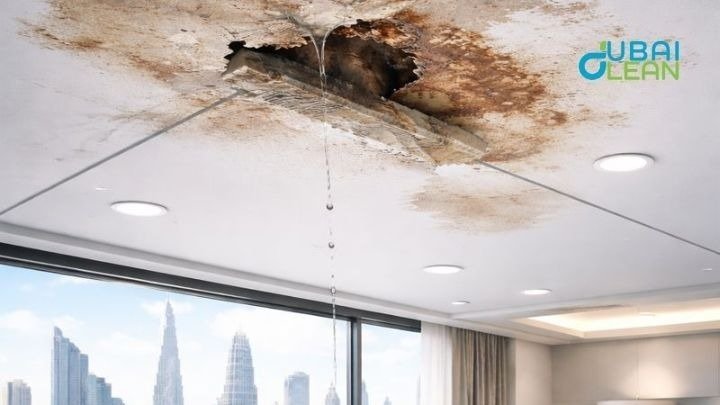
A water-damaged false ceiling may look like a minor cosmetic issue at first, but in Dubai’s humid climate, it can pose serious risks to both your health and property. Many homeowners and office managers overlook small stains or sagging panels, thinking it’s just wear and tear. However, ignoring these early signs can lead to costly repairs, structural issues, and even health hazards. In this guide, we’ll explore why water-damaged false ceilings are a significant concern in Dubai, the risks they pose, and practical steps to protect your property and family.
1. Why Water Damage Happens in False Ceilings
Water damage in false ceilings is a surprisingly common problem in Dubai, often overlooked until it becomes serious. False ceilings, made from materials like gypsum, plasterboard, or PVC, are particularly vulnerable to moisture. In Dubai’s climate characterized by high humidity, occasional heavy rains, and widespread use of air conditioning, small leaks or condensation can quickly escalate into major structural issues.
Leaking Roofs and Terraces
One of the most frequent causes of water damage in false ceilings is a leaking roof or terrace. In high-rise buildings and villas, water can seep through tiny cracks or poorly sealed surfaces and slowly infiltrate ceiling panels. Even minor leaks may not appear urgent at first, but over time, continuous exposure to water can weaken the structural integrity of the ceiling, leading to sagging, discoloration, and permanent stains. In addition to damaging aesthetics, water penetration from roofs can also compromise insulation, electrical wiring, and overhead fixtures, creating long-term risks for both health and property.
Air Conditioning and Pipe Leaks
In Dubai, most homes and offices rely heavily on air conditioning, which often requires ductwork and piping installed above false ceilings. Leaks from AC units, condensation build-up, or faulty plumbing pipes are frequent culprits behind ceiling water damage. Moisture accumulation above the panels may not be visible at first, but it can cause hidden mold growth, weaken gypsum boards, and eventually result in sagging or partial collapse. Moreover, water exposure near electrical wiring poses fire hazards and increases repair complexity.
High Humidity and Condensation
Dubai’s coastal climate brings high humidity levels that can silently damage false ceilings over time. In areas like bathrooms, kitchens, or poorly ventilated rooms, condensation often forms on ceiling panels, creating damp patches that encourage mold and mildew growth. Unlike sudden leaks, humidity-related damage is gradual but equally dangerous, as prolonged moisture exposure can deteriorate the ceiling material, compromise indoor air quality, and trigger health issues such as allergies or respiratory problems.
2. How Water Damage Impacts Your Property
Water damage in false ceilings doesn’t just affect aesthetics, it can lead to serious property issues that compromise the safety, value, and functionality of your home or office. In Dubai, where high-rise buildings and villas rely heavily on false ceilings for insulation, design, and utility concealment, ignoring water damage can result in expensive repairs and hidden structural problems. Understanding the impact of water damage helps you act promptly to protect your property and avoid long-term costs.
Structural Weakening and Ceiling Collapse
Water penetration gradually weakens the materials used in false ceilings, such as gypsum boards, plaster, or PVC panels. Over time, trapped moisture softens the panels, causes them to sag, and in severe cases, leads to partial or complete collapse. This not only damages the ceiling itself but can also affect the beams and supports above it. A weakened ceiling may compromise the integrity of light fixtures, fans, or air conditioning units installed overhead, posing serious safety risks to occupants.
Electrical Hazards and Fire Risks
False ceilings commonly hide electrical cables, lighting fixtures, and occasionally network wiring, keeping them out of sight while providing a clean, organized look. When water seeps into the ceiling, it can come into contact with these electrical components, creating a significant risk of short circuits or electrical fires. Even minor leaks can corrode wiring, reduce insulation effectiveness, and lead to malfunctions in ceiling-mounted devices. For commercial properties and offices in Dubai, this not only threatens property but also disrupts business operations
Devaluation and Costly Repairs
Ignoring water damage can result in escalating repair costs and a reduced property value. Stained, sagging, or mold-infested ceilings make properties less attractive to buyers or tenants, directly affecting resale or rental value. Delaying intervention often requires full replacement of ceiling panels, mold remediation, and structural repairs far more expensive than addressing minor water damage early. In Dubai’s competitive real estate market, maintaining ceiling integrity is critical for protecting both your investment and your home or office’s aesthetic appeal.
3. Health Risks Associated with Water-Damaged False Ceilings
Water-damaged false ceilings are more than just an aesthetic issue; they can pose serious health risks if ignored.
- Mold & Mildew Growth: Can trigger allergies, asthma, and respiratory problems.
- Bacterial Contamination: Stagnant moisture may harbor harmful bacteria.
- Structural Debris: Falling ceiling materials can cause injuries.
- Unpleasant Odors: Persistent dampness affects indoor air quality.
- Pest Infestation: Damp ceilings attract insects like cockroaches and mosquitoes.
4. Expert Solutions for Water-Damaged False Ceilings
Water damage in false ceilings requires timely expert intervention to prevent structural issues, health risks, and costly repairs. Professional solutions in Dubai ensure safety, durability, and a mold-free environment.
| Solution | Benefit |
| Ceiling Inspection | Early detection of leaks and damage |
| Panel Replacement | Restores stability and aesthetics |
| Mold Remediation | Improves indoor air quality and health |
| Waterproofing | Prevents future water damage |
5. Signs You Need Immediate Action
Recognizing the early warning signs of water-damaged false ceilings is essential to prevent severe property damage and health risks. Acting promptly can save you time, money, and stress while keeping your home or office safe.
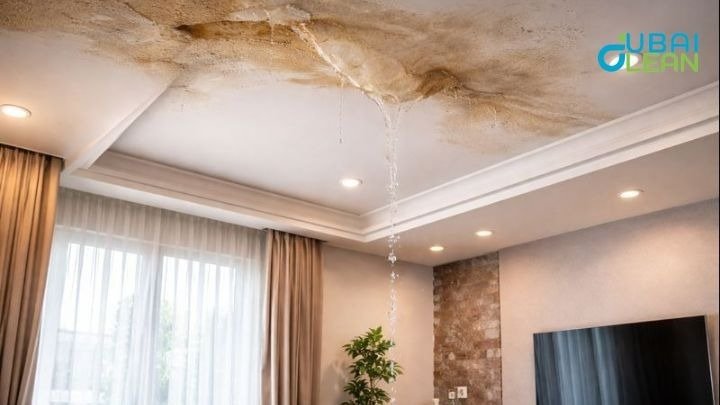
Visible Water Stains and Discoloration: Yellow or brown patches on your ceiling panels are a clear indication of water seepage. These stains often appear near AC units, plumbing lines, or roof areas, signaling that moisture has penetrated the ceiling structure. Immediate inspection can prevent further deterioration.
Sagging or Bulging Panels: If your ceiling panels are sagging or forming bulges, it means water has accumulated behind them. This not only weakens the material but also increases the risk of partial or complete collapse, posing safety hazards to occupants.
Musty Odors or Mold Growth: A persistent musty smell or visible mold on the ceiling indicates prolonged moisture exposure. Mold spores can affect indoor air quality and trigger allergies, making professional intervention crucial for health and safety.
Final Thoughts
Water-damaged false ceilings are more than an aesthetic issue; they are a health and safety risk that can escalate quickly if ignored. In Dubai’s climate, where humidity and occasional leaks are common, regular inspection and professional maintenance are crucial. By acting early and hiring trusted experts, you can safeguard your home or office, maintain indoor air quality, and prevent costly repairs. Don’t let water damage compromise your safety or property value contact DubaiClean today for a professional inspection and ceiling repair.