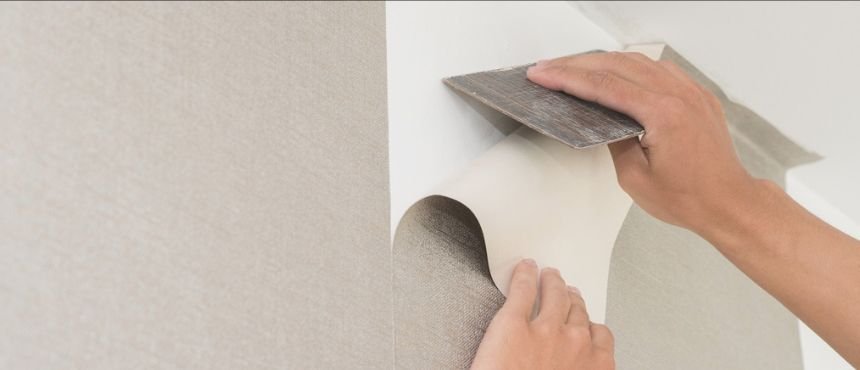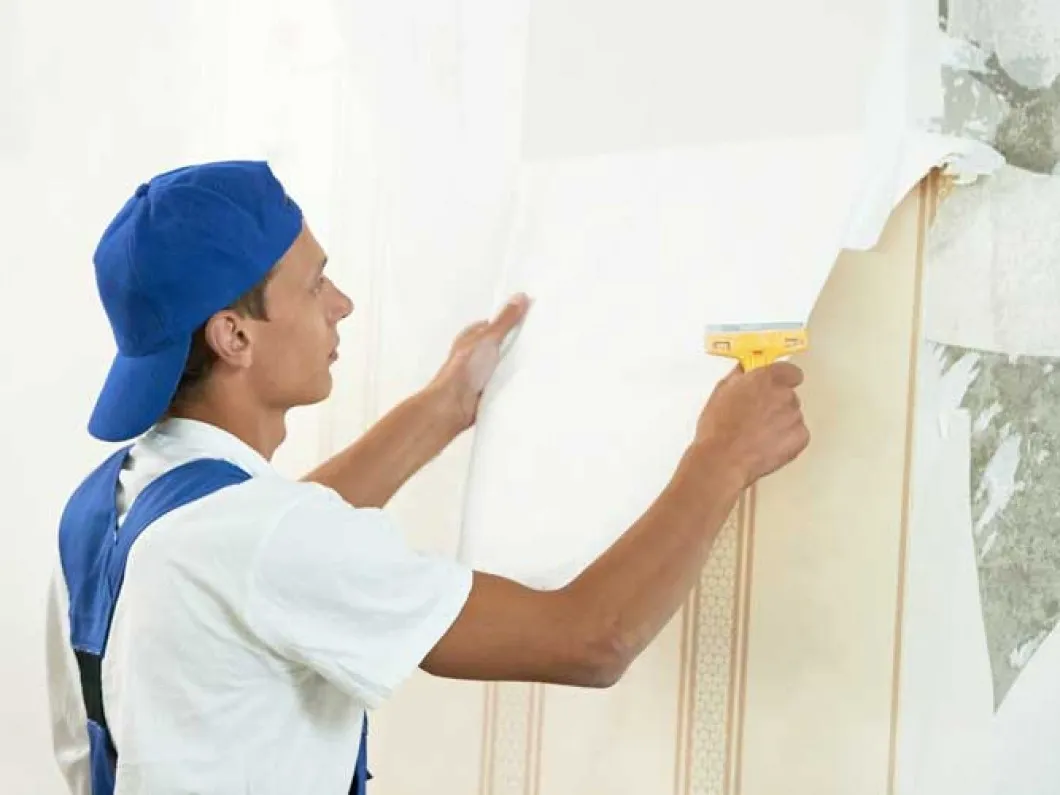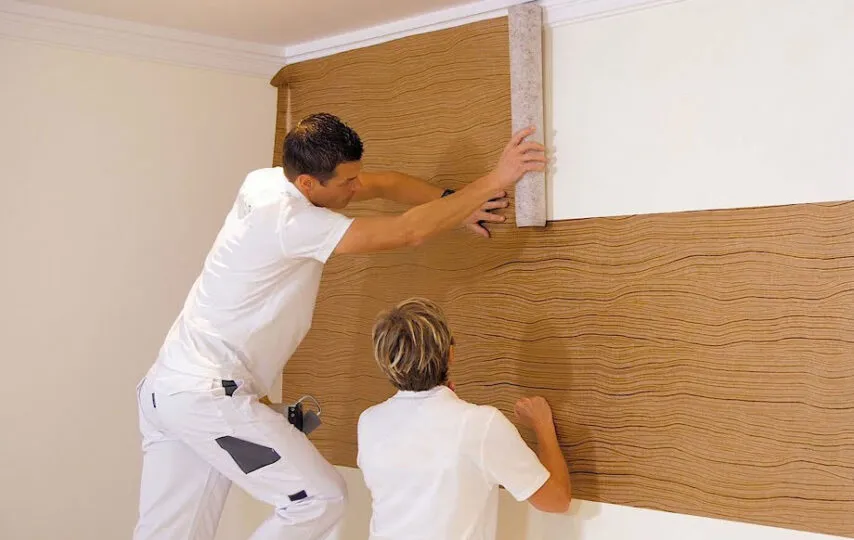


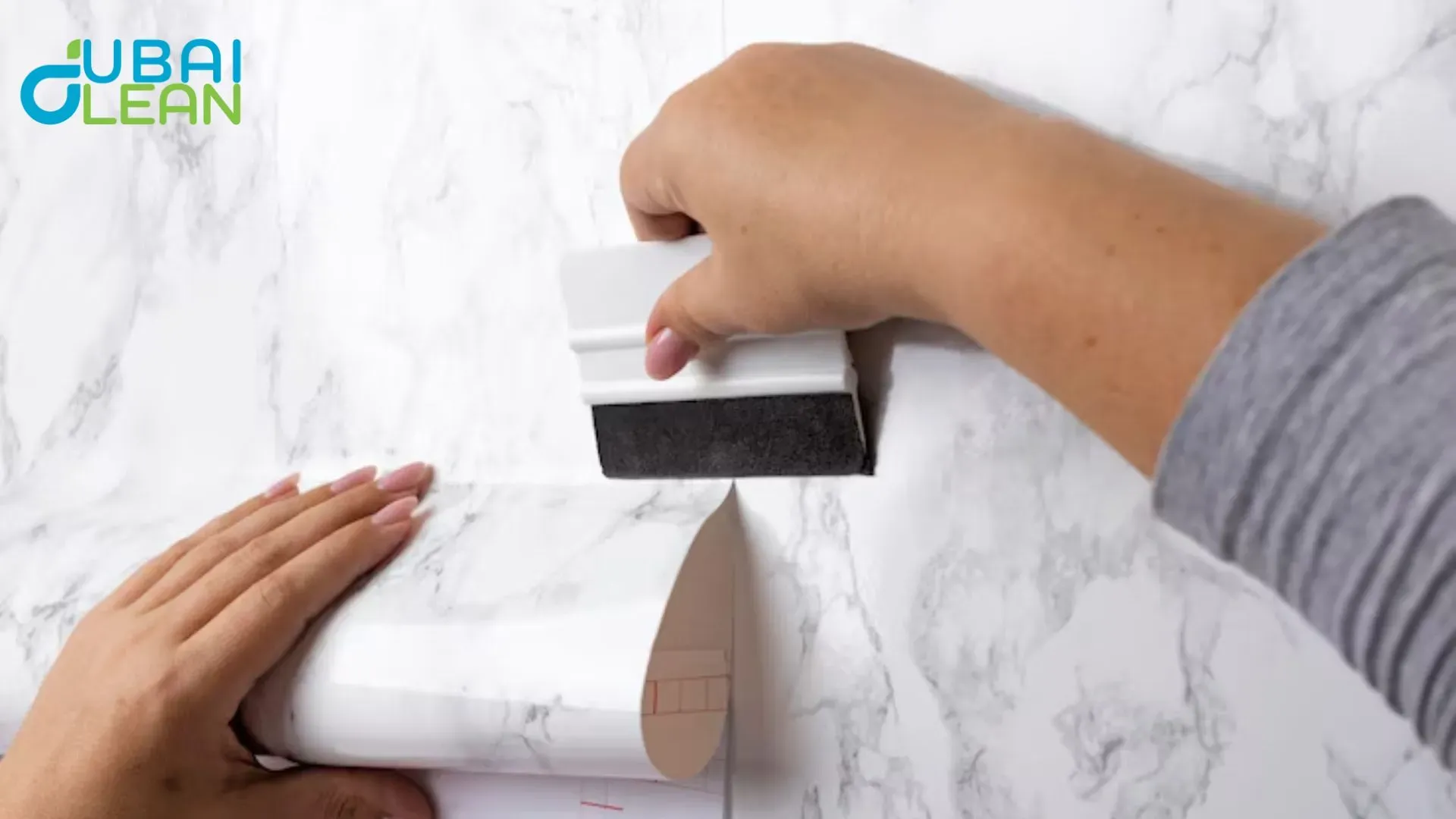
Wallpaper has made a strong comeback in Dubai’s interior design scene. From luxury villas in Palm Jumeirah to stylish apartments in Downtown Dubai, homeowners and designers are embracing wallpaper for its elegance, versatility, and ability to transform a room instantly. But one question always sparks debate:
Should you apply glue to the wall or to the wallpaper itself?
This might seem like a small detail, but it can make all the difference in how smoothly your wallpaper installation goes and how professional the final result looks.
Understanding Wallpaper Adhesives
Before we answer the main question, it’s important to understand what wallpaper glue actually is. Wallpaper adhesives are specially formulated pastes designed to hold wallpaper securely to walls while allowing some flexibility for repositioning during installation.
Common Types of Wallpaper Adhesives
| Type | Best For | Key Features |
| Pre-mixed paste | Most standard wallpapers | Convenient, ready-to-use |
| Paste-the-wall glue | Non-woven wallpapers | Applied directly to wall |
| Paste-the-paper glue | Traditional wallpapers (e.g., paper-based) | Applied to wallpaper sheets |
| Heavy-duty adhesive | Vinyl or textured wallpapers | Strong hold, moisture resistant |
Dubai’s hot and humid environment can sometimes challenge adhesive strength, especially in bathrooms and kitchens. Choosing the right adhesive type is just as important as deciding where to apply it.
Method 1: Applying Glue to the Wallpaper
Traditionally, many installers prefer to apply glue directly to the back of the wallpaper.
Pros of Applying Glue to Wallpaper
- Ensures even coverage on the paper.
- Helps soften traditional paper-based wallpapers, making them more flexible.
- Allows installers to control the paste amount more precisely.
- Suitable for delicate or thin wallpapers.
Cons of Applying Glue to Wallpaper
- Can be messy, especially if the glue drips onto the floor.
- Requires a pasting table (extra space and tools).
- The wallpaper may stretch or expand when wet, leading to alignment issues.
- Less beginner-friendly compared to paste-the-wall.
Best Situations to Use This Method in Dubai
- When working with traditional paper wallpapers.
- In spaces where installers have ample room for a pasting table (like large villas).
- When an experienced professional handles the job.
Method 2: Applying Glue to the Wall
This is the modern method, especially recommended for non-woven wallpapers, which are very popular in Dubai due to their durability and ease of maintenance.
Pros of Applying Glue to Wall
- Faster and less messy installation.
- No pasting table required, ideal for smaller Dubai apartments.
- Non-woven wallpapers don’t expand when glue is applied, so alignment stays accurate.
- Easier for beginners and DIY enthusiasts.
Cons of Applying Glue to Wall
- Requires very smooth and well-prepared walls.
- Uneven glue application can lead to bubbles or weak adhesion.
- Not suitable for thin, delicate wallpapers.
Best Situations to Use This Method in Dubai
- Apartments and offices where space is limited.
- Non-woven wallpapers commonly sold in Dubai showrooms.
- When speed and convenience are priorities.
Side-by-Side Comparison
| Factor | Glue on Wallpaper | Glue on Wall |
| Ease of Application | More complex, needs a pasting table | Easier, no table required |
| Best Wallpaper Type | Traditional paper wallpapers | Non-woven wallpapers |
| Risk of Stretching | High (paper expands when wet) | Low |
| Beginner-Friendly | Less beginner-friendly | Very beginner-friendly |
| Cleanliness | Messier (drips possible) | Cleaner installation |
Dubai Climate Considerations
Wallpaper in Dubai faces unique challenges:
- Humidity & AC Systems – Bathrooms, kitchens, and even air-conditioned rooms can create moisture, which affects adhesion.
- High Temperatures – External walls that heat up under the Dubai sun may impact wallpaper glue strength.
- Sand & Dust – Dust settling on walls before installation can interfere with adhesion.
Because of these factors, professionals often recommend non-woven wallpaper with paste-the-wall glue for most Dubai homes. It holds up better against humidity, is easier to install, and is less likely to peel.
Preparing Walls for Wallpaper in Dubai
No matter where you apply glue, wall preparation is key.
Steps for Proper Wall Preparation
- Clean the Wall – Remove dust and grease (important in Dubai kitchens).
- Repair Cracks – Fill holes and smooth out imperfections.
- Apply Primer – Use a wallpaper primer for stronger adhesion.
- Dry Completely – Ensure no moisture is trapped.
A poorly prepared wall can ruin even the best adhesive job. Many homeowners in Dubai turn to professional wallpaper installers to ensure the preparation is done correctly.
Common Mistakes to Avoid
- Using the wrong adhesive type for your wallpaper.
- Skipping primer on newly plastered walls.
- Over-applying glue (leads to seepage through seams).
- Rushing the process without aligning patterns properly.
- Installing wallpaper in a humid room without ventilation.
DIY vs Professional Installation
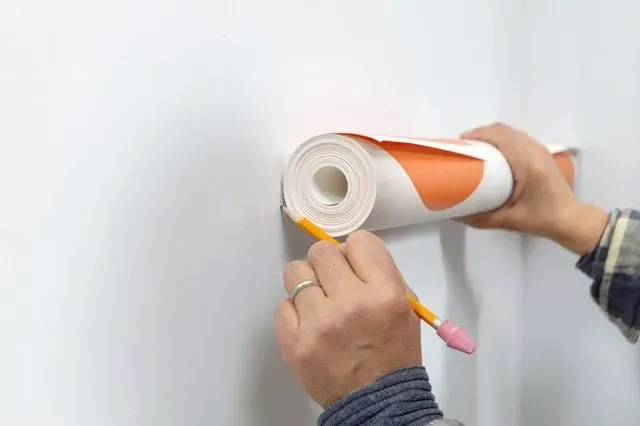
While DIY wallpapering can be fun, many Dubai homeowners prefer professional services to guarantee a flawless finish, especially in luxury interiors where mistakes are costly.
DIY Installation – Pros & Cons
- Pros: Budget-friendly, rewarding experience.
- Cons: Risk of bubbles, misalignment, peeling edges.
Professional Installation – Pros & Cons
- Pros: Perfect finish, expertise in handling all wallpaper types, faster process.
- Cons: Requires hiring a service.
If you want a finish that looks seamless and lasts long, hiring professional wallpaper experts in Dubai ensures your investment pays off.
Which Method Is Best Overall?
For Dubai’s climate and lifestyle, the paste-the-wall method usually wins. Non-woven wallpapers are widely available, durable, and much easier to install.
However, for traditional or delicate wallpapers, paste-the-paper may still be necessary.
In short:
- For non-woven wallpaper – Apply glue to the wall.
- For paper wallpaper – Apply glue to wallpaper.
Extended Care Tips for Wallpaper in Dubai
- Avoid direct sunlight: Use curtains or blinds to prevent fading.
- Clean gently: Use a damp microfiber cloth for washable wallpapers.
- Control humidity: Ventilate bathrooms and kitchens.
- Inspect edges: Check occasionally for peeling and reapply adhesive if needed.
Table: Quick Decision Guide
| Wallpaper Type | Recommended Method |
| Traditional Paper | Paste on wallpaper |
| Non-Woven | Paste on wall |
| Vinyl-Coated | Depends (check label) |
| Heavy Textured | Usually paste on wall |
FAQs
Conclusion
So, is it better to put glue on the wallpaper or the wall? The answer depends on the type of wallpaper. For traditional paper wallpaper, glue should be applied directly to the wallpaper, while for non-woven wallpaper, it is better to apply the glue on the wall. In Dubai, where non-woven wallpapers are more popular and the climate demands extra durability, applying glue to the wall is usually the smarter, cleaner, and longer-lasting choice. If you’re unsure or want a flawless finish for your villa or apartment, hiring professional wallpaper installers in Dubai can ensure both beauty and longevity.