

Dealing with an uneven wall finish in your prestigious Business Bay property can be deeply frustrating, as such flaws immediately undermine the sophisticated aesthetic required in a prime commercial location. A flawless finish is not just about paint; it’s about establishing a foundation that reflects professionalism and quality. Achieving a smooth, professional paint job is entirely possible, but it demands expert techniques that go beyond simple surface coating. We will explore the critical causes of unevenness, detail the significant impact these flaws have on your property’s value and brand, and provide the essential, industry-approved techniques like skim coating needed to transform rough, inconsistent surfaces into the sleek, polished walls your business truly deserves.
1. The Causes Behind Uneven Wall Finishes
An uneven wall finish can undermine the aesthetic of any professional space. Understanding why these imperfections occur is the first step toward effective prevention and repair. Typically, the issues stem from poor structural foundations, inconsistencies in the preparation phase, or flaws in the application process itself.
Substrate and Structural Issues
The surface beneath the paint, known as the substrate (usually plaster or drywall), can inherently be uneven due to building settlement, movement, or poor installation. If the drywall sheets were not hung perfectly flush, or if the taping and joint compound application was rushed and not sanded completely smooth, the final paint coat will magnify these imperfections. Existing structural cracks, old repairs that were not blended seamlessly, or even underlying moisture issues that cause swelling can create undulations that no amount of paint can hide.
Inconsistent Surface Preparation
Proper surface preparation is crucial, and shortcuts in this stage often lead to a mottled or uneven finish. Failure to adequately clean, sand, and prime the wall creates problems. Old layers of paint, dirt, grease, or peeling materials left on the surface will disrupt the smoothness of the new coat. Furthermore, applying a primer that is not suited for the substrate, or skipping the primer entirely, can cause the topcoat to be absorbed unevenly, leading to areas of varying sheen and texture that appear rough and inconsistent.
Application and Technique Flaws
The way the paint is applied has a direct and significant impact on the final finish. If the paint is applied too thinly or too thickly in different areas, or if the wrong roller nap is used (especially one too long for smooth walls), it will leave behind varying textures known as roller stipple or orange peel. Flaws also occur when a painter fails to maintain a wet edge, resulting in visible lap marks where one paint section dried before the next was blended into it, or when the paint is brushed or rolled unevenly around corners and edges.
2. The Real Cost of an Uneven Finish
An uneven wall finish is far more than a minor aesthetic flaw; it can subtly but significantly impact a property’s market value, a business’s brand perception, and even the functional longevity of the building itself. In a prime area like Business Bay, where visual standards are high, these imperfections can be particularly detrimental.
Decreased Property and Rental Value
In residential or commercial real estate, a poor interior finish immediately signals a lack of quality or maintenance to potential buyers and tenants. Visible ridges, dips, or mismatched textures can lead to lower valuations and protracted sales processes. Buyers often assume that poor paintwork reflects deeper structural or maintenance issues, leading them to negotiate a lower price or choose a competitor’s property with a clean, smooth finish. For landlords, an uneven finish can reduce the achievable rental yield.
Damaged Brand and Customer Perception
For businesses, the physical environment is a critical component of the brand experience. In customer-facing industries like retail, hospitality, or corporate offices, an uneven wall finish can communicate neglect, a lack of attention to detail, or poor business standards. This directly undermines client trust and the perceived value of the services or products offered. A polished, flawless finish, by contrast, subtly reinforces a brand’s commitment to quality and professionalism.
Sign of Underlying Structural Issues
While some unevenness is merely cosmetic, significant irregularities, such as large cracks, bowing, or bubbling, can be red flags for more serious problems. These might include foundation settling, water penetration, or improper structural framing. Painting over these issues does not resolve them and, in fact, can trap moisture or hide worsening damage. Unevenness often compels a deeper inspection, revealing underlying problems that lead to costly and extensive repairs down the line.
3. Expert Solutions – Transforming Uneven Walls
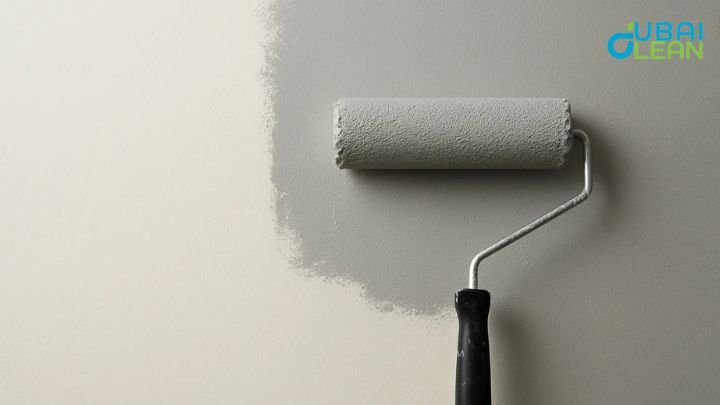
Achieving a perfectly smooth and professional finish requires moving beyond simple painting and implementing targeted preparation. The key is to create a true, level surface before any paint touches the wall. These expert solutions will ensure your Business Bay property meets the highest standards of visual quality.
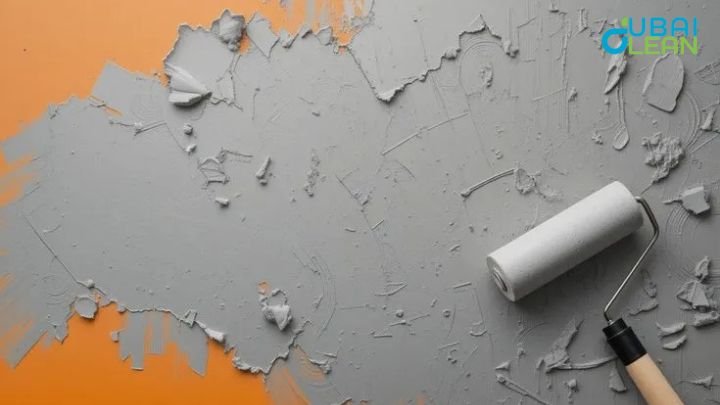
Skim Coating with Joint Compound: This is the ultimate industry method for smoothing textured or uneven walls. A thin layer of joint compound is applied across the entire wall surface using a wide trowel. This process is repeated 2–3 times, with light sanding, to eliminate all high points and create the uniform, flawless substrate required for a high-end finish.
Targeted Patching and Repair: For walls with localized imperfections like deep gouges or dips, use setting-type joint compound. Trowel the material into the depression, ensuring it overfills the area. Once dry, carefully sand the patch until it is perfectly feathered and flush with the surrounding wall a crucial step in surface preparation.
Thorough and Consistent Sanding: After any patching or skim coating, the entire wall must be meticulously sanded. Use a pole sander with a fine-grit sandpaper (around $120-150$ grit). This ensures the texture is consistent across the entire plane and eliminates sanding marks that would otherwise be highlighted by strong lighting.
High-Quality Primer Application: Never skip the primer. Use a high-build primer or a sealer/primer designed to unify texture differences. Primer ensures the topcoat adheres evenly and that the sheen is consistent, preventing unsightly “flashing” or patchiness caused by uneven paint absorption.
Choosing the Right Paint and Sheen: Opt for a flat or matte sheen for walls that may have minor imperfections, as low-gloss paints diffuse light and hide flaws. Avoid high-gloss or semi-gloss finishes, which reflect light and will highlight every defect. Use a premium, high-solids paint for superior coverage.
Using the Correct Roller Nap: Select a roller with a very short nap (e.g., $1/4$ inch or $3/8$ inch microfiber) designed for smooth surfaces. A short nap minimizes the unwanted texture known as “orange peel.” Maintain a wet edge and apply consistent pressure for a seamless, professional application.
4. Uneven Wall Finish Solutions
This blog provides a comprehensive overview of why wall finishes become uneven, how these flaws negatively impact properties, and the expert techniques required to achieve a smooth, professional result, especially crucial for high-standard locations like Business Bay.
| Blog Section | Key Focus/Problem | Solution/Technique |
| Why Uneven Wall Finish Happens | Causes: Substrate flaws (drywall/plaster issues), inconsistent surface preparation (poor sanding/cleaning), and application flaws (wrong roller, lap marks). | Diagnosis: Identify if the issue is structural, preparatory, or application-based to choose the right fix. |
| How Uneven Finish Affects Homes and Businesses | Impact: Decreases property/rental value, damages brand perception (signals neglect), and hides underlying structural issues (cracks, moisture). | Justification: Investing in a smooth finish protects asset value and professional image. |
| Expert Solutions for Achieving Smooth, Professional Walls | Remedy: Eliminating texture and imperfections to create a flawless base before painting. | Methods: Skim coating (for heavy texture), Targeted Patching (for dips/gouges), thorough Sanding, using High-Quality Primer, selecting Low-Sheen Paint, and using the Correct Roller Nap. |
5. Selecting Your Painting Professionals – Essential Vetting Steps
In a competitive market like Business Bay choosing the right service requires focusing on expertise and compliance to guarantee a smooth, professional finish.
Verify Local Licensing and Protection: A truly professional service must be fully licensed and insured to operate legally within the UAE. This step protects your business from liability and ensures trust. Vetting Question: What are your specific Dubai licensing and liability insurance details?
Demand Detailed Surface Preparation Standards: The best service will emphasize a professional skim coat solution for uneven walls. Do not accept a vague quote that skips this essential step. Vetting Question: How exactly will you address our uneven walls, and how many skim coats are included in the quote?
Inspect Material Quality and Technique: A high-quality finish depends on the materials used. Contractors must select premium paints appropriate for the climate and specific tools (like short-nap rollers) to prevent texture flaws. Vetting Question: Which high-grade paints and roller nap sizes do you specify for achieving a smooth finish?
Secure a Warranty and Clear Follow-Up: A reliable company stands behind its work. Ensure they provide a safety net for your investment and a clear process for final approval. Vetting Question: What written warranty and post-job follow-up process do you provide to ensure our satisfaction?
Conclusion
Conquering an uneven wall finish in a high-standard location like Business Bay is fundamentally about committing to superior preparation. By understanding that flaws stem from structural issues, preparation gaps, and poor application, you can implement the expert solution: skim coating. Prioritizing this detailed preparation, selecting the right low-sheen paint, and choosing a qualified contractor who values quality over speed will ensure your walls are transformed from frustratingly imperfect to flawlessly smooth, significantly enhancing your property’s professionalism and value.