



Understanding Flooring: Types, Benefits, Materials & Use

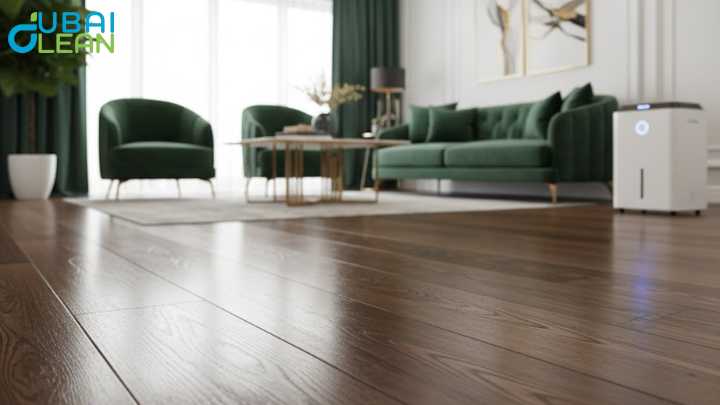
Modern stylish flooring design showing various flooring materials and textures

Flooring plays a key role in how a space looks, feels, and functions. It’s more than just a surface—it impacts comfort, cleanliness, and overall design. This blog will guide you through what flooring is, its different types, and when it’s needed. Whether you’re planning a new setup or just curious, you’ll learn useful tips to make better choices for your space—clear, simple, and helpful.

What Is Flooring?

Flooring refers to the permanent surface that’s installed over the base of a room—the part you walk, sit, or even lie on. It can be made of tiles, wood, vinyl, carpet, or many other materials. While the floor is the basic structure (like concrete or wood panels), flooring is the layer that finishes it off—bringing comfort, style, and function together.

Now, when should you think about new flooring? Simple: when your current one is worn out, damaged, stained beyond cleaning, or just doesn’t match your vibe anymore. Maybe your tiles are cracked, your carpet smells weird, or you’re finally done with those old-school patterns. Whether it’s for a fresh renovation or a small interior glow-up, the right flooring can totally change the mood of your space—and trust us, your feet will thank you too.

Common Types of Flooring

Flooring comes in many materials, each offering its own benefits in terms of style, comfort, durability, and cost. Here’s a breakdown of the most common types:

Wood Flooring

  • Laminate: Budget-friendly, looks like real wood, easy to maintain.
  • Hardwood: Natural wood, timeless appeal, great for resale value.
  • Engineered Wood: More stable than hardwood, suitable for humid conditions.

Vinyl Flooring

  • Sheet Vinyl: Seamless and water-resistant, great for bathrooms and kitchens.
  • Vinyl Plank: Mimics wood, durable, and easy to install.
  • LVT (Luxury Vinyl Tile): Premium look, highly durable, moisture-resistant.

Tile Flooring

  • Ceramic & Porcelain: Tough, long-lasting, and available in many styles.
  • Marble & Granite: Elegant, natural stone—perfect for high-end interiors.

Epoxy Flooring

  • High-gloss, chemical-resistant surface—common in garages, hospitals, and industrial settings.

Carpet Flooring

  • Soft, cozy, and sound-absorbing—ideal for bedrooms and living rooms.

Linoleum & PVC Flooring

  • Eco-friendly, flexible options; easy to install and clean.

Parquet Flooring

  • Wooden blocks arranged in decorative patterns—stylish and classic.

3D Flooring

  • Visual depth effect using epoxy—adds a dramatic, custom touch to modern interiors.

Flooring for Specific Areas

Not all floors are made equal—different rooms (and regions) call for different flooring types. Here’s how to choose wisely based on where you live and what you need:

Bathrooms & Kitchens


These areas demand waterproof and non-slip surfaces.
Best options:

  • Ceramic or porcelain tiles
  • Vinyl flooring
  • Epoxy coating
    They’re moisture-resistant and safe underfoot, especially in humid environments like the UAE.

Bedrooms & Living Rooms


Comfort and warmth matter most here.
Best options:

  • Hardwood or laminate for elegance
  • Carpet for softness and insulation
  • Vinyl planks for a cozy, wood-like look with easy care

Commercial vs Residential Flooring

  • Commercial spaces (offices, stores) need durable, low-maintenance flooring like vinyl, tiles, or epoxy.
  • Residential flooring focuses on comfort, aesthetics, and warmth—think parquet, carpet, or laminate.

Flooring for UAE Homes (Dubai, Sharjah, Abu Dhabi)


With high temperatures and dust, UAE homes benefit from:

  • Tiles (cool underfoot and easy to clean)
  • Vinyl (durable and humidity-resistant)
  • Marble or granite for premium interiors with lasting strength


Choosing the Right Flooring Material

Selecting the right flooring isn’t just about looks—it’s about matching your lifestyle, location, and budget. The material you choose can impact comfort, durability, and maintenance in the long run.

Start with your budget. Some options like vinyl or laminate are more affordable, while natural wood, marble, or granite fall into the premium category. Then consider foot traffic. High-traffic areas need more durable materials like tiles or epoxy, while bedrooms can handle softer surfaces like carpet.

Climate matters too. In hot, humid regions like the UAE, tile, vinyl, or marble are great choices since they stay cool and resist moisture. Avoid materials that warp with heat or humidity unless properly sealed.

Next, think about design preference. Textured floors can hide dust better, while smooth finishes offer a sleek look. Color choice can make a room feel larger or cozier depending on what you’re going for.

Finally, for added comfort, flooring mats can soften hard surfaces in areas like kitchens, bathrooms, or kids’ rooms. They’re especially useful for families or anyone spending long hours on their feet at home.
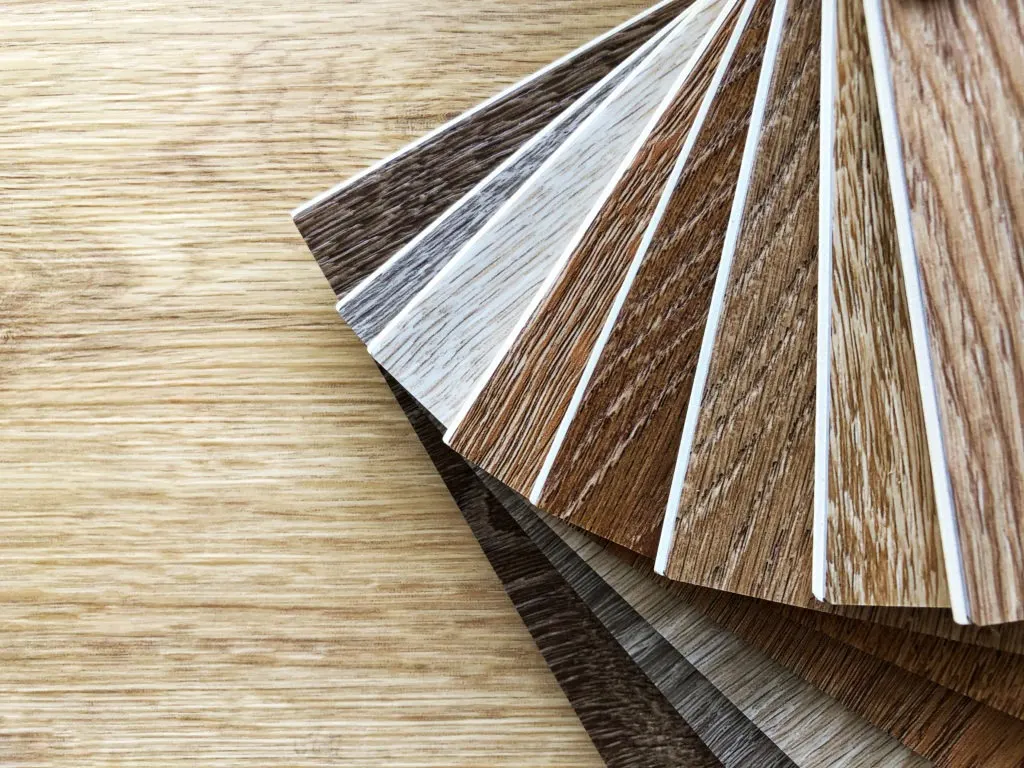
pvc flooring services in dubai

Installation and Maintenance

Installing flooring might seem straightforward, but there’s more to it than laying down planks or tiles. Whether you go for wood, vinyl, or tile, proper installation is key for durability and performance. Professional installers typically handle leveling the surface, using flooring machines, and ensuring every piece fits seamlessly.

Important elements include flooring underlayment for comfort and insulation, adhesives to hold materials in place, and finishing touches like skirting and trims that give your floors a polished edge.

Once installed, maintenance varies by material. Wood flooring needs gentle cleaning and occasional polishing. Vinyl flooring is low-maintenance—just mop with mild cleaner. Tile floors need grout care and regular sweeping. Taking care of your floors means they’ll last longer, look better, and feel great underfoot.


Pros and Cons of Each Flooring Type

Choosing the right flooring isn’t just about looks—it’s also about practicality. Each type of flooring comes with its own set of strengths and drawbacks. Here’s a quick breakdown to help you weigh your options based on durability, cost, appearance, and maintenance needs:

Flooring TypeProsCons
Wood FlooringWarm look, long-lasting, adds valueExpensive, needs polishing, scratches easily
Vinyl FlooringAffordable, water-resistant, easy to cleanCan fade, not eco-friendly
Tile FlooringDurable, water-resistant, wide varietyCold underfoot, grout requires maintenance
Epoxy FlooringSeamless finish, chemical-resistantCan be slippery, needs professional install
Carpet FlooringSoft, sound-insulating, cozyStains easily, traps dust and allergens
Linoleum/PVCBudget-friendly, easy to installLess durable, limited design choices
Parquet FlooringElegant design, classic styleCostly, sensitive to moisture
3D FlooringVisually striking, customizableHigh installation cost, niche style

Use this comparison to match your lifestyle and space needs with the flooring that suits you best.


Modern Flooring Trends & Design Ideas

Today’s flooring isn’t just about durability—it’s also a major design statement. From bold visuals to smart layouts, modern flooring has evolved to blend aesthetics with functionality.

One standout trend is 3D flooring, which brings depth and creativity to spaces, especially in themed rooms or modern homes. Textured finishes like brushed wood or matte stone add a natural feel while offering better grip. For a quick makeover, flooring stickers and peel-and-stick vinyl options are gaining popularity for their affordability and ease of use.

Another key focus is smart layout planning—combining different flooring materials to define areas within a home. Seamless room transitions, such as moving from tile in the kitchen to wood in the living room, are done more smoothly now with clever edging and trim designs.

These ideas aren’t just trendy—they make your flooring a part of your interior story.
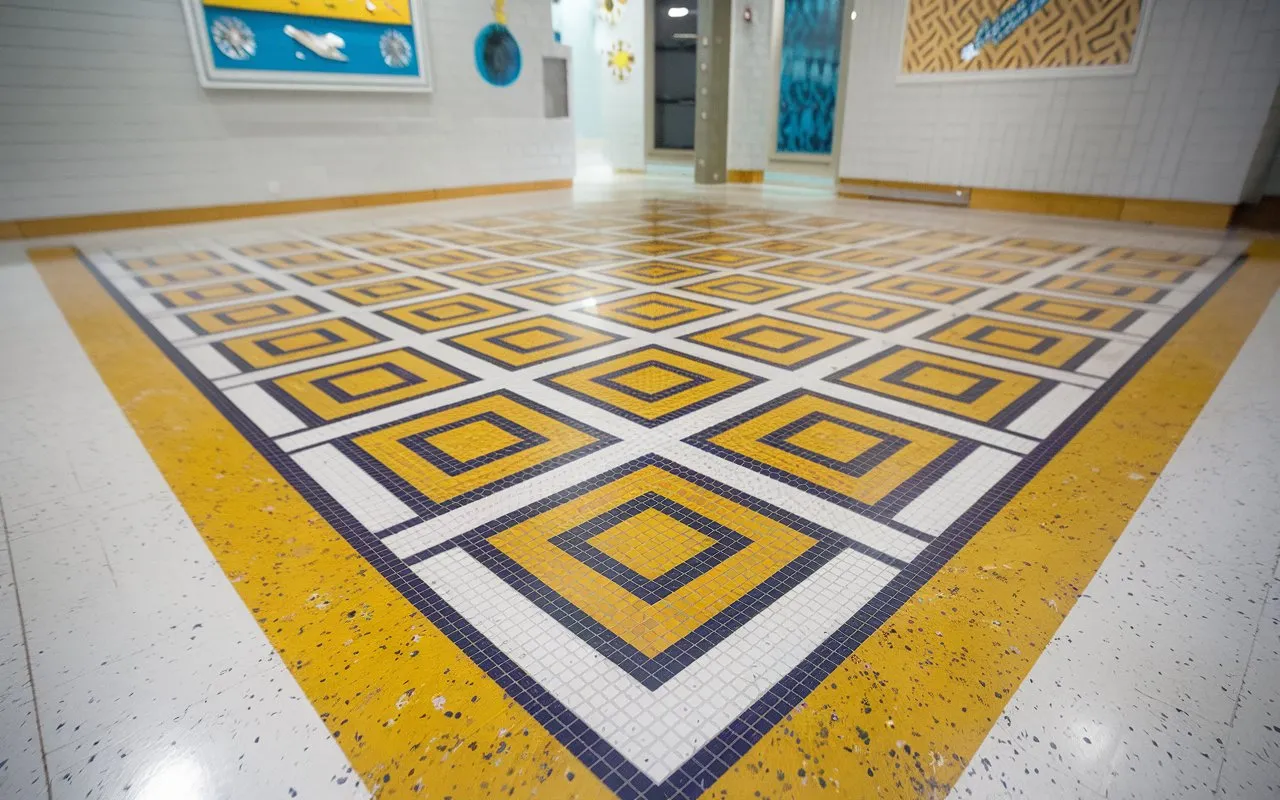
Modern stylish flooring design showing various flooring materials and textures


Flooring in the UAE Market

Flooring choices in the UAE are influenced by climate, lifestyle, and architectural style. In cities like Dubai, Sharjah, and Abu Dhabi, a wide variety of flooring materials is readily available—from local suppliers to international brands offering everything from basic vinyl to premium marble.

Tiles remain a popular choice due to their durability and heat resistance, especially in high-traffic and moisture-prone areas. Vinyl flooring is gaining ground for its affordability, low maintenance, and modern designs. Meanwhile, wood and parquet flooring are preferred in luxury interiors where comfort and aesthetics matter most.

Prices vary depending on material type, design, and installation complexity. While vinyl and ceramic tiles are more budget-friendly, hardwood and marble options can be significantly more expensive. Overall, the UAE market offers flooring solutions to match diverse needs and design preferences.

FAQs on Flooring

Conclusion

Flooring isn’t just something you walk on—it’s the foundation of your space’s comfort, style, and function. Choosing the right type depends on how you live, where you live, and what kind of vibe you want. Whether it’s sleek tiles for the Dubai heat or soft carpet for cozy bedrooms, your flooring should match your needs, not just the latest trend. Always think long-term—durability and ease of maintenance matter more than flashy looks.


Share with your friends

Matthew Gardner

MEP Systems Editor & Mechanical Analyst
Matthew Gardner is a leading technical writer for the DubaiClean MEP division, specializing in mechanical system integrity. With 11 years of experience, he produces authoritative content on water infrastructure and pipeline maintenance. Matthew’s writing focuses on the engineering behind reliable property management. Follow his technical series to understand and maintain the core mechanical systems of your home.
Picture of Dubai Clean

Dubai Clean

As a full-service cleaning company in Dubai, we are also offering specialized services for particular occasions. We offer post construction clean-up for newly established or renovated buildings.

Recent Posts

Epoxy Flooring Tiles in Dubai
Dubai Epoxy Flooring

Epoxy Flooring Tiles in Dubai – Durable & Stylish Floors for Homes

Looking to upgrade your floors with something that’s strong, stylish, and built for Dubai’s climate? ...
Read More →
pressure washer losing pressure
Dubai Pressue Washing

Pressure Washer Losing Pressure? Fix Air Lock Dubai

Low or fluctuating pressure in a pressure washer is a common issue faced by homeowners ...
Read More →
demolition services in dubai
Dubai Demolition Services

Demolition Services: Safe & Professional Building Demolition Guide

Demolition services in Dubai are essential for safely dismantling residential, commercial, and industrial structures. Hiring ...
Read More →
cleaning at home without equipment
Dubai Sofa Deep Cleaning

Professional Tips for Cleaning Your Sofa at Home Without Equipment

Many Dubai households prefer manual sofa cleaning because apartment living often comes with noise restrictions, ...
Read More →
how to remove stubborn grime from chandeliers
Dubai Chandelier Cleaning

How to Remove Stubborn Grime from Chandeliers Safely in Dubai Homes

Removing stubborn grime from chandeliers in Dubai requires careful attention to both safety and fixture ...
Read More →
Pest-Related Itchy Skin Reactions - Causes, Symptoms & Care in Dubai Living in Dubai means enjoying a warm climate, modern homes, and an active lifestyle but it also means dealing with pests that thrive in heat and humidity. From bed bugs in apartments to mosquitoes near standing water, pest-related itchy skin reactions are a common yet frustrating problem for residents. That sudden itch, redness, or swelling on your skin is not just uncomfortable, it can signal an underlying pest infestation that needs urgent attention. In this expert guide, we’ll break down what causes pest-related itchy skin reactions, how to identify symptoms, prevention tips tailored for Dubai homes, and when to seek professional care. If you want real answers, long-term relief, and a healthier living environment, you’re in the right place. Why Pest-Related Itchy Skin Reactions Happen Pest-related itchy skin reactions are not random skin problems. They occur when your body responds to bites, allergens, or repeated exposure to household pests that are common in warm climates like Dubai. Understanding the reasons behind these reactions helps in early identification and long-term prevention. Insect Bites Trigger the Body’s Natural Defense System When pests such as bed bugs, mosquitoes, fleas, or mites bite the skin, they inject saliva or venom that contains proteins unfamiliar to the human body. The immune system treats these substances as a threat and releases histamines to protect the skin. This reaction causes itching, redness, swelling, and irritation. In Dubai, where bed bugs and mosquitoes are active throughout the year, these bites often appear overnight and mainly affect exposed areas like the arms, legs, neck, and face. The itching can become intense, especially at night, and scratching may worsen the skin condition or lead to infection. Allergens from Pests Cause Skin Irritation Without Visible Bites Not all pest-related itchy reactions come from direct bites. Many pests release allergens through droppings, shed skin, or microscopic particles that remain in carpets, mattresses, sofas, and air-conditioning systems. Dust mites and cockroaches are common sources of these allergens in Dubai homes, especially in humid indoor environments. When the skin comes into contact with these allergens, it can develop persistent itching, rashes, or dryness without obvious bite marks. This often leads to confusion, as people mistake the reaction for eczema or seasonal allergies. Continuous Exposure Makes Skin More Sensitive Over Time When a pest problem is left untreated, repeated exposure can cause the skin to become increasingly sensitive. Each new bite or contact triggers a stronger reaction than before, leading to chronic itching, inflammation, and sometimes painful sores. In shared residential buildings across Dubai, pests can easily spread between apartments, making repeated exposure more likely. Over time, the skin’s protective barrier weakens, increasing the risk of bacterial infections and scarring. This is why treating the infestation itself is essential, not just managing the skin symptoms. Signs and Symptoms of Pest-Related Itchy Skin Reactions Pest-related itchy skin reactions can look different from person to person, depending on the type of pest, skin sensitivity, and level of exposure. Recognizing the early signs and symptoms is important to prevent discomfort from turning into a long-term skin or health issue. Persistent Itching and Redness on Exposed Skin One of the earliest and most common signs of a pest-related itchy skin reaction is persistent itching accompanied by redness. This usually appears on exposed areas of the body such as the arms, legs, neck, shoulders, or face. The itching may start mild but often becomes more intense over time, especially at night when pests like bed bugs and mosquitoes are most active. In many cases, scratching provides temporary relief but ends up worsening the irritation, causing the skin to become inflamed, swollen, or even cracked. This symptom is especially common in Dubai homes where warm indoor temperatures allow pests to remain active year-round. Red Bumps, Rashes, or Clustered Bite Marks Another clear symptom is the appearance of red bumps, small rashes, or bite marks that may form in clusters or straight lines. Bed bug bites often show up in patterns, while flea bites are commonly found around the ankles and lower legs. Mosquito bites, on the other hand, appear as raised, itchy welts. These marks can vary in size and may darken over time, particularly on sensitive skin. In some cases, blisters or fluid-filled bumps may develop, indicating a stronger allergic reaction. If new marks continue to appear daily, it is often a sign of an ongoing pest infestation rather than a one-time exposure. Swelling, Burning Sensation, or Signs of Infection In more severe cases, pest-related skin reactions can cause noticeable swelling, warmth, or a burning sensation around the affected area. This usually happens when the body has a strong immune response or when repeated scratching damages the skin barrier. Open sores created by scratching can allow bacteria to enter, leading to infection. Symptoms of infection may include pus, pain, increased redness, or fever. In Dubai’s humid climate, these infections can worsen quickly if not treated properly. At this stage, both medical attention and professional pest control become necessary to stop the cycle of irritation and exposure. Myths vs Facts About Pest-Related Itchy Skin Reactions There are many misconceptions surrounding pest-related itchy skin reactions, which often lead people to ignore the real cause or delay proper treatment. Understanding the difference between myths and facts helps you take the right action early and prevent recurring skin irritation and pest infestations. Myth Fact Itchy skin reactions are always caused by allergies or sensitive skin Pest bites and pest allergens are a common cause of itchy skin, especially in warm climates like Dubai where pests are active year-round If there are no visible bite marks, pests are not the problem Many pests, such as dust mites and cockroaches, cause itching through allergens without leaving visible bite marks Bed bugs only exist in dirty homes Bed bugs can infest even clean, well-maintained homes and are often brought in through luggage, furniture, or shared buildings Mosquito bites are harmless and do not need attention Scratching mosquito bites can lead to skin infections, scarring, and prolonged irritation if not treated properly Home remedies alone can permanently solve pest-related skin issues Home remedies may soothe symptoms, but professional pest control is needed to eliminate the root cause Pest problems go away on their own over time Without proper treatment, pest infestations often worsen and cause repeated skin reactions Why DubaiClean Is a Trusted Choice for Pest Control in Dubai Choosing the right pest control service is essential to protect your home and family from recurring itchy skin reactions and infestations. DubaiClean has earned the trust of residents across the city by providing safe, effective, and long-lasting solutions tailored to Dubai’s unique environment. Dubai-Specific Expertise: We understand the pests that are most common in Dubai homes and apartments, from bed bugs to mosquitoes and fleas. Safe and Eco-Friendly Treatments: All our solutions are approved, child-safe, and pet-friendly, ensuring a healthy living environment. Thorough Inspections: Our trained technicians identify hidden infestations, entry points, and high-risk areas before treatment. Targeted Pest Control: We provide pest-specific treatments that eliminate the problem at the source, not just temporarily relieve symptoms. Long-Term Prevention Advice: We educate homeowners on maintaining pest-free spaces with simple, effective measures. Experienced and Professional Team: Our certified technicians are skilled, reliable, and equipped to handle both small and large-scale infestations. Transparent Pricing and Follow-Ups: We offer clear service plans with follow-up inspections to prevent pests from returning. Conclusion Pest-related itchy skin reactions are more than just a minor inconvenience they are a clear signal that pests are affecting your home and your health. From bed bugs and mosquitoes to fleas and dust mites, these tiny invaders can cause persistent itching, rashes, and even infections if left untreated. Preventing and addressing these reactions requires a combination of proper home hygiene, awareness of common symptoms, and professional pest control services. While home remedies can provide temporary relief, only expert solutions can eliminate pests at the source and ensure your home stays safe and itch-free.
Dubai Pest Control

Pest-Related Itchy Skin Reactions – Causes, Symptoms & Care in Dubai

Living in Dubai means enjoying a warm climate, modern homes, and an active lifestyle but ...
Read More →
Contact Us
Scroll to Top