



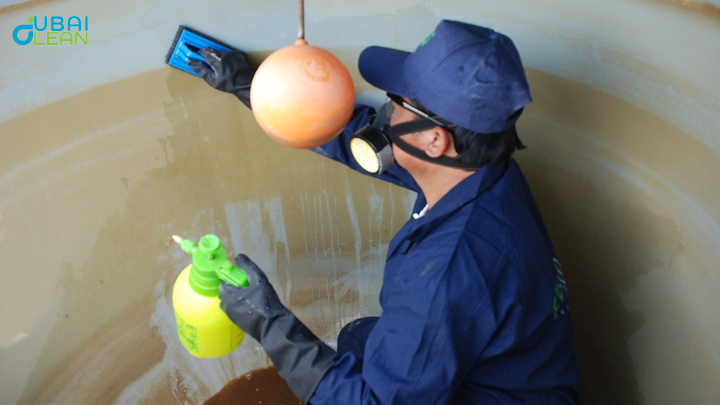
When we think about saving water, most of us imagine rainwater harvesting barrels, smart irrigation systems, or turning off the tap while brushing our teeth. But beneath the surface literally there’s a quiet, powerful solution at work: the underground water storage tank. It doesn’t call attention to itself, but it plays a vital role in ensuring households, businesses, and communities always have access to safe, stored water.
Why Underground Water Storage Tanks Matter in Today’s World
Water shortages, climate change, and unpredictable weather patterns are no longer distant concerns they’re realities we face every day. An underground water storage tank provides a reliable way to conserve water, reduce dependency on municipal supply, and prepare for emergencies like droughts or supply interruptions. It’s not just about practicality, it’s about peace of mind and building a more sustainable future.
2. What Is an Underground Water Storage Tank?
An underground water tank storage is exactly what it sounds like a large, durable container placed beneath the ground to safely store water. Unlike above-ground tanks that take up space in your backyard or rooftop, these tanks remain hidden below the surface, keeping your property neat while providing a steady reserve of water whenever you need it.
How It Works Beneath the Surface
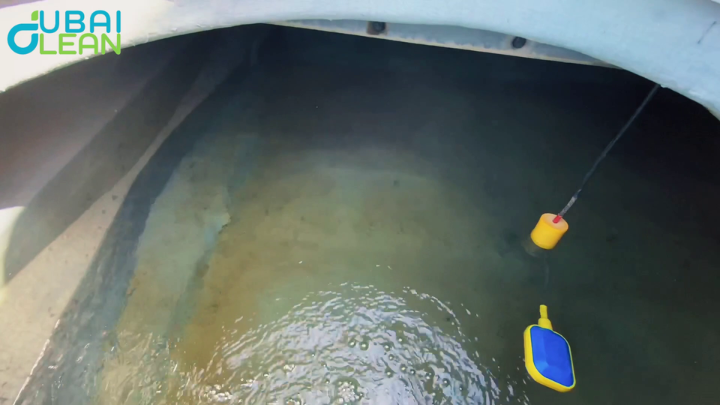
Think of it as a hidden water vault. Once installed, the tank collects and stores water from various sources such as rainfall, groundwater, or even municipal supply.Being stored underground keeps the water safe from direct sunlight, reduces the risk of contamination, and helps maintain a stable temperature.From there, pumps and pipes connect the stored water to your home, farm, or facility, making it accessible on demand.
Different Purposes: Household, Commercial, Industrial, and Agricultural
- Household Use: Families use underground tanks for daily needs—drinking, cooking, washing, or as a backup during supply cuts.
- Commercial Use: Hotels, schools, and offices install them to ensure consistent water supply and lower utility costs.
- Industrial Use: Factories rely on them for processes like cooling, cleaning, or fire safety systems.
- Agricultural Use: Farmers use underground tanks to harvest rainwater and irrigate crops during dry seasons, ensuring food security.
3. Why Choose an Underground Tank Over an Above-Ground Tank?
Space-Saving Benefits: Hidden, Tidy, and Efficient
An underground water tank cleaning service in dubai is the perfect solution for those who value both function and aesthetics. Unlike bulky above-ground tanks that take up yard space and affect the look of your property, underground tanks stay completely hidden. This means you can enjoy a neat, open outdoor area while still having a reliable water reserve beneath the surface.
Protection from Sunlight, Weather, and Contamination
Buried underground, the tank is safe from harsh weather and UV rays keeping water clean and reducing maintenance.
Peace of Mind Knowing Your Water Is Safe Underground
You’ll always have a secure supply ready, giving comfort and confidence during shortages or emergencies.
4. Types of Underground Water Storage Tanks
Choosing the right underground water storage tank depends on your budget, usage, and long-term needs. Each material concrete, plastic, or fiberglass comes with its own strengths. Knowing the differences will help you pick the one that gives you the best value and peace of mind.
Concrete Tanks – Durability & Strength
Strong and long-lasting, perfect for heavy-duty or large-scale use.
Plastic/Polyethylene Tanks – Lightweight & Affordable
Easy to install, cost-effective, and great for households.
Fiberglass Tanks – Corrosion-Resistant & Long-Lasting
Low-maintenance and reliable, ideal for tough soil or water conditions.
Which Type Is Best for Your Needs?
Concrete = strength, Plastic = affordability, Fiberglass = durability.
5. Key Benefits of Underground Water Storage Tanks
An affordable underground water storage tank is more than just a hidden reservoir it’s a long-term investment in security, sustainability, and peace of mind. Whether for daily use, emergencies, or future planning, these tanks bring value to every household, farm, or business.
Reliability in Emergencies – Security Against Drought or Water Cuts
Always have a backup supply ready when shortages or disruptions strike.
It ensures your home or business never comes to a standstill.
Eco-Friendly Solution – Sustainable Water Harvesting
Store rainwater and reduce dependence on municipal systems.
A smart way to conserve water and protect the environment.
Home Value Boost – Modern, Smart, and Future-Ready Homes
Enhances property appeal and attracts buyers who prioritize eco-friendly living
Emotional Touch: The Comfort of Never Worrying About Water Shortages Again
Enjoy daily peace knowing your family will always have water.
It’s security and comfort you can’t put a price on.
6. Installation Process: What to Expect
1. Site Assessment & Choosing the Right Size
A professional installer will evaluate your property to determine the best location for the tank, considering soil type, accessibility, and distance from your home or water system. They’ll also help you select the correct tank size based on your household or business water needs.
2. Digging and Tank Placement
Once the site is approved, excavation begins. A hole is dug to the appropriate depth and dimensions, ensuring a stable foundation. The tank is gently positioned into the excavated area, aligned properly, and anchored to ensure it stays stable
3. Plumbing & Connection to Water Systems
After placement, the tank is connected to your plumbing or irrigation system. This includes installing pipes, fittings, and pumps (if necessary) to ensure efficient water flow and pressure. All connections are sealed to prevent leaks.
4. Safety Checks and Maintenance Tips
Before completion, installers run safety checks to confirm proper operation, including water tightness and system pressure. You’ll also receive guidance on routine maintenance such as checking for leaks, cleaning filters, and scheduling professional inspections to keep your tank running smoothly for years
7. Maintenance and Care Tips
1. How Often to Clean and Inspect
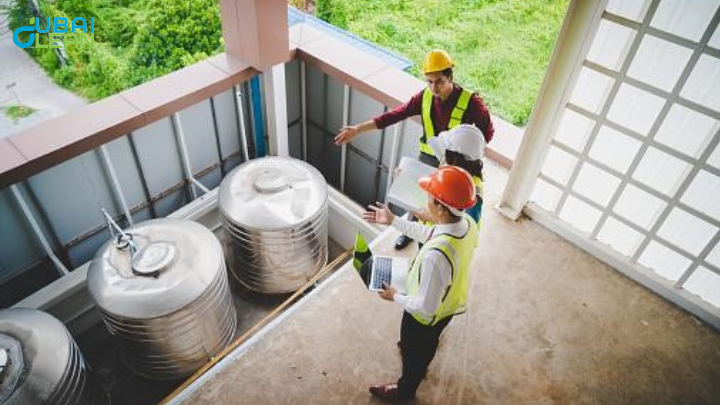
Consistent maintenance helps keep your tank secure and functioning optimally. As a rule of thumb, tanks should be inspected at least once a year for structural integrity, fittings, and water quality. Depending on usage and water source.
2. Signs of Leaks or Contamination
Be alert for unusual drops in water levels, damp soil around the tank, or higher-than-usual pump activity; these may signal a leak. Water discoloration, foul odors, or changes in taste could indicate contamination and should be addressed immediately.
3. Long-Term Care for Lasting Performance
To extend the life of your tank, keep the surrounding area clear of heavy loads, roots, and debris. Ensure lids and seals remain tight to block pests and pollutants. Scheduling routine maintenance with a certified technician
Final Thoughts
Installing a water tank is a smart investment that provides peace of mind, reliable supply, and long-term value. With proper planning, professional installation by dubai clean and regular maintenance, your system will serve your household or business efficiently for years to come.
By staying proactive with care and inspections, you can avoid costly repairs while ensuring safe, clean water. A well-installed and well-maintained tank is more than just equipment it’s a sustainable solution that supports comfort, security, and independence.