



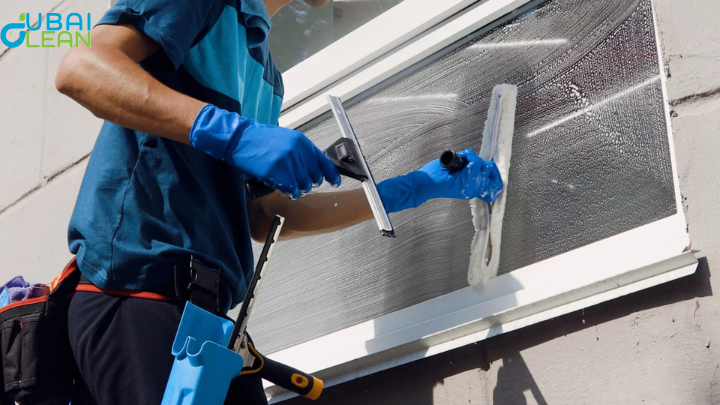
Clean windows instantly improve the look and feel of any space. When the glass is clear and free from dust, fingerprints, and water stains, your home or building looks brighter and more welcoming. Clean windows allow more natural light to enter, making rooms feel open, fresh, and comfortable. For commercial spaces, shiny windows create a professional appearance and leave a positive impression on customers and visitors.
Using the right tools and cleaning techniques is essential for achieving streak-free results. Proper equipment makes window cleaning easier, faster, and safer whether you are dealing with small house windows or large building glass panels. With the correct tools, you can protect the glass from scratches, remove tough stains, and maintain the long-term quality of your windows.
1. Why Regular Window Cleaning Is Important
Regular window cleaning improves the overall appearance of your home or building. Clear glass makes the space look well-maintained and inviting. It also increases natural light, which brightens rooms and reduces the need for artificial lighting during the day. Clean windows help prevent scratches, hard water stains, and long-term damage caused by dirt and mineral buildup. Proper maintenance keeps your windows in good condition for many years.
Types of Window Cleaning
Window cleaning can be categorized based on the type of property and location. Residential cleaning focuses on homes and apartments, while commercial and high-rise cleaning is for offices, shops, and tall buildings, often requiring special tools and safety equipment. It can also be divided into interior and exterior cleaning, with interior cleaning removing fingerprints and dust, and exterior cleaning tackling pollution, water stains, and weather-related dirt.
Residential window cleaning: focuses on homes, villas, and apartments. It includes cleaning small, medium, and large windows inside and outside the house.
Commercial and high-rise cleaning: is done for offices, shops, towers, and commercial buildings. This type often requires special tools, safety equipment, and trained professionals.
Interior vs. exterior cleaning: refers to treating both sides of the glass. Interior cleaning removes fingerprints and indoor dust, while exterior cleaning handles tough stains, pollution marks, and weather-related dirt.
2. Essential Window Cleaning Tools
Having the right window cleaning tools makes the job faster, easier, and more effective. Basic tools like a squeegee, microfiber cloth, bucket, and cleaning solution are perfect for home use. For larger or hard-to-reach windows, advanced tools such as extension poles, scraper blades, and water-fed cleaning poles come in handy. Eco-friendly options, including natural sprays and reusable cloths, provide a safe and sustainable way to keep windows sparkling clean. Using the proper tools ensures streak-free glass and long-lasting results.
Basic Window Cleaning Tools for Home
For everyday home window cleaning, a few simple tools are enough. A squeegee helps remove water and cleaning solution without leaving streaks. Microfiber cloths are ideal for wiping edges and polishing the glass. A bucket holds your water and cleaning solution, while a mild cleaning solution helps break down dirt and grime effectively.
Advanced Window Cleaning Tools
For larger or harder-to-reach windows, advanced tools make a big difference. Extension poles help clean high or tall windows safely. Scraper blades remove tough stains and paint marks. Water-fed cleaning poles allow streak-free cleaning using pure water, and glass-safe scrubber pads help scrub dirt without scratching the glass.
3. How to Clean Windows Properly
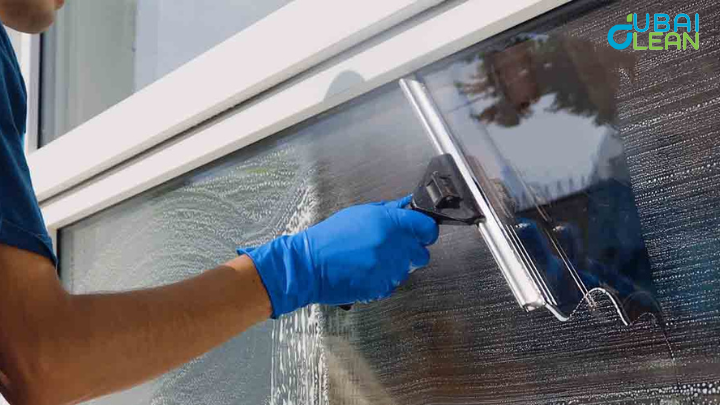
Cleaning windows properly ensures clear, streak-free glass and protects the surface from damage. Start by dusting off loose dirt, then apply a suitable cleaning solution and scrub gently to remove grime. Use a squeegee in a top-to-bottom motion for a smooth, streak-free finish, and wipe the edges and frames with a clean cloth. Avoid common mistakes like cleaning in direct sunlight or using dirty clothes, which can leave streaks or scratches. Following these steps makes window cleaning easier, faster, and more effective.
Step-by-Step Window Cleaning Process
Start by dusting and removing loose dirt from the window surface. Next, apply a cleaning solution evenly across the glass. Scrub the glass gently to remove stubborn stains or grime. Use a squeegee in a top-to-bottom motion to remove water and solution without leaving streaks. Finally, wipe edges and frames with a clean cloth to ensure a polished finish.
4. Safety Tips for Window Cleaning
Safety is essential when cleaning windows, whether at home or in commercial settings. Always use stable ladders and avoid overreaching to prevent falls. Wearing gloves protects your hands from sharp edges and cleaning chemicals. For high-rise or commercial work, harnesses and safety equipment are a must, along with following proper safety regulations. Taking these precautions ensures a safe, efficient, and stress-free window cleaning experience.
Home Safety Tips
When cleaning windows at home, always use stable ladders or step stools to reach higher areas safely. Avoid overreaching, which can cause falls or injuries. Wearing gloves protects your hands from sharp edges, cleaning chemicals, and rough surfaces.
Professional Safety Tips
For high-rise or commercial window cleaning, professionals should always use safety harnesses and follow strict safety regulations. Proper training and protective equipment help prevent accidents while working at heights and ensure the job is done efficiently and safely
5. Common Window Cleaning Mistakes to Avoid
When cleaning windows, avoiding common mistakes is key to achieving streak-free, sparkling results. Never clean windows in direct sunlight, as the solution can dry too quickly and leave streaks. Avoid using dirty or worn cloths, which can scratch the glass or leave marks. Always clean the window frames and edges, as skipping them can make windows look unfinished and allow dirt to build up. Following these simple precautions ensures cleaner, safer, and more polished windows every time.
Using Dirty or Worn Cloths
Using dirty, worn, or rough cloths can scratch the glass surface or leave smudges behind, which defeats the purpose of cleaning. Old towels or abrasive materials may even damage delicate coatings on modern glass. Always use clean, high-quality microfiber cloths or professional-grade wiping tools, and rinse them regularly during the cleaning process to maintain streak-free results.
Skipping Window Frames
Neglecting to clean the window frames and edges can make the windows look unfinished, as dirt and dust build up around the edges. Over time, this grime can affect the overall cleanliness and even damage the frames or seals. Always wipe down frames, sills, and corners after cleaning the glass to achieve a polished, complete, and professional-looking finish.
Conclusion
Regular window cleaning is essential for keeping your home or commercial space looking bright, welcoming, and well-maintained. Clean windows not only enhance the overall appearance but also allow more natural light to enter, creating a healthier, more comfortable environment. Maintaining clear glass helps prevent long-term damage, such as scratches, stains, or mineral buildup, ensuring your windows last longer and stay in top condition. Using the right tools, whether simple home cleaning supplies or professional-grade kits makes the process easier, faster, and more effective. Proper equipment ensures streak-free, polished results every time.