


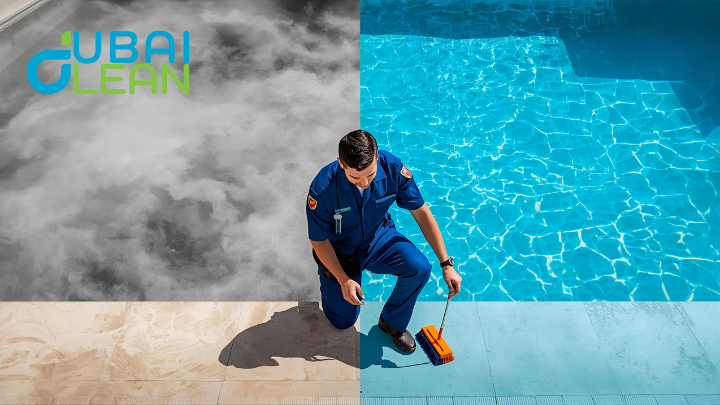
Swimming pools are a source of relaxation and enjoyment, but without proper maintenance, they can quickly develop issues that affect both appearance and safety. Some of the most common problems pool owners face include stubborn stains on tiles, cloudy water that looks uninviting, calcium scale buildup on plaster, and grout discoloration around tiles. While these issues may seem minor at first, neglecting them can lead to bigger repair costs and a less pleasant swimming experience.
Timely care and consistent upkeep not only keep your pool sparkling clean but also extend its lifespan. By addressing stains, scaling, and water clarity issues early, you ensure a healthier environment for swimmers, prevent long-term damage to pool surfaces, and maintain the overall aesthetic appeal of your pool. Proper maintenance is the key to enjoying a safe, clean, and long-lasting swimming pool.
1. Stain Removal from Pool Tiles
Pool tiles can develop stains from algae, debris, metals, or calcium deposits, making them look dull and dirty. Regular cleaning with the right solutions, along with balanced water chemistry, helps remove stains and keeps tiles bright and spotless.
Understanding Different Types of Stains
Pool tiles are prone to stains from several sources, and identifying the type of stain is the first step toward effective removal. Organic stains come from natural debris such as leaves, algae, and dirt, often leaving behind green, brown, or black marks. Metal stains, caused by elements like iron, copper, or manganese, typically appear as reddish-brown, blue-green, or dark spots on the tiles. Another common issue is rust and calcium deposits, which form unsightly white or gray patches, especially around the waterline, and can harden over time if not treated.
Step-by-Step Stain Removal Methods
Before starting any cleaning, it is essential to identify the type of stain to avoid damaging the tiles with the wrong method. For lighter stains, mild cleaning solutions such as a mixture of water and baking soda or diluted vinegar can be applied using a soft pool tile brush. For more persistent marks, specialized stain removers formulated for pool surfaces provide stronger results. Natural alternatives, like using a pumice stone for calcium deposits, can also be effective when used carefully to avoid scratching the surface.
Preventing Future Tile Stains
Consistent upkeep is the best defense against stains. Regular brushing and vacuuming of the pool prevent organic matter from settling and staining tiles. Maintaining proper pool chemistry, especially pH, alkalinity, and calcium hardness levels, reduces the chance of metal and mineral buildup. For long-term protection, applying preventive sealants to tiles can create a protective barrier, making it harder for stains to form and easier to clean the surface in the future.
2. Repairing Cloudy Pool Water
Common Causes of Cloudy Pool Water: Cloudy water makes pools look dull and can signal poor water quality. The main reasons are imbalanced pH or chlorine, which weakens sanitizers and allows algae or bacteria to grow. Poor filtration or weak circulation also leaves dirt and particles floating in the water. On top of that, debris, sunscreen, and body oils from swimmers often build up, creating a cloudy appearance.
Effective Ways to Clear Cloudy Water: Start by testing and balancing water chemistry to restore sanitizer strength. Next, clean filters and skimmers to remove trapped dirt. For quick results, pool clarifiers can help filters catch fine particles, while a flocculant is useful in severe cases by sinking debris to the bottom for easy vacuuming.
Long-Term Prevention Tips: To keep water clear, do regular water testing, maintain filters, and perform weekly shock treatments. These steps prevent contaminants, improve circulation, and ensure your pool stays sparkling clean.
3. Removing Scale from Pool Plaster
Scale buildup on pool plaster occurs when calcium levels are too high, leaving rough white or gray deposits. Regular brushing, chemical treatments, or professional cleaning can remove these deposits and keep the plaster smooth and clean.
What Causes Scale Buildup?
Scale buildup on pool plaster is a common issue that makes the surface rough and unattractive. The main cause is high calcium hardness in the water, which leads to the formation of calcium carbonate deposits. When the alkalinity is imbalanced, it accelerates mineral crystallization, causing scale to form on pool surfaces and waterlines. Additionally, evaporation plays a significant role when water evaporates, it leaves behind concentrated minerals that gradually harden into visible deposits on the plaster.
Methods to Remove Scale from Plaster
For light deposits, manual brushing and pumice stone techniques can be effective in removing scale without causing much damage to the plaster. For more stubborn buildup, acid washing is a powerful method where diluted acid solutions are applied to dissolve tough calcium deposits, though it should be done carefully to avoid etching the plaster. In severe cases where scaling is extensive, it’s best to hire professional cleaning services, as they have the expertise and equipment to safely restore the plaster’s smooth finish without compromising the pool’s structure.
How to Prevent Scale in the Future
The best way to avoid scale buildup is through proactive maintenance. Regular monitoring of calcium hardness ensures that water remains within the recommended range, minimizing the risk of deposits. Keeping chemical levels properly balanced, especially pH and alkalinity, prevents scaling conditions from developing. In addition, using scale inhibitors can help reduce mineral crystallization and protect plaster surfaces, keeping the pool smooth and attractive for longer periods.
4. Fixing Pool Tile Grout Discoloration
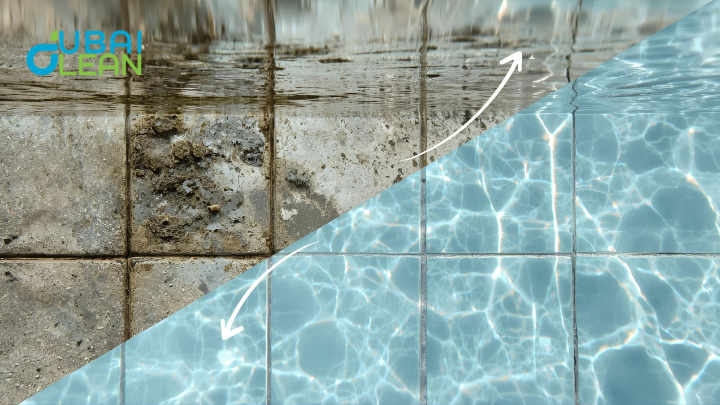
Pool grout is prone to discoloration from constant contact with water, chemicals, and environmental factors. Algae and mold often leave green, black, or brown stains, while mineral deposits and chemical imbalances can cause white or yellow marks. Over time, chlorine and cleaning products wear down grout, making it more porous and vulnerable to staining. Light discoloration can usually be removed with scrubbing or bleach-based treatments, but badly stained or damaged grout may need re-grouting or sealing.
To keep grout looking clean, regular sealing helps protect against moisture and stains, while balanced pool chemistry prevents damage from harsh reactions. Routine cleaning and inspections also catch problems early, making it easier to maintain strong, fresh-looking grout for the long term.
5. Conclusion
Keeping your swimming pool in top condition requires more than just regular cleaning it demands attention to common issues before they escalate. Stubborn tile stains can be removed with proper cleaning methods and prevented through balanced water chemistry. Cloudy water is usually a sign of poor circulation or chemical imbalance and can be cleared with testing, filtration, and the right treatments. For scale buildup on plaster, effective removal methods like brushing, acid washing, or professional services restore a smooth surface, while prevention lies in monitoring calcium levels. Finally, tackling grout discoloration with cleaning, bleaching, or re-grouting not only improves aesthetics but also strengthens the pool’s structure.
Consistent maintenance not only saves money on expensive repairs but also extends the life of your pool, ensuring it remains safe, hygienic, and enjoyable for years to come. By following preventive measures such as routine water testing, regular brushing, and chemical balancing, you can reduce the risk of recurring issues. For persistent or severe problems, hiring professional pool cleaning services is the best way to guarantee long-lasting results and peace of mind.